Are Toyotas Really That Much More Reliable Than Others
Are Toyotas Really That Much More Reliable than other vehicles on the road? The answer might surprise you. Toyota has built a strong reputation for dependability, and data from multiple reliability surveys backs this up. In this article, we explore the real numbers behind Toyota’s Toyota reliability record and compare them with other popular brands.
When you think about buying a car, what comes to mind first? For many people, Toyota reliability is near the top of the list. The brand has spent decades building a reputation for making vehicles that just keep running. But here is the big question: are Toyotas really that much more reliable than everything else on the market?
The short answer is yes, but with some important nuances. Toyota does tend to outperform most competitors in car reliability ratings. However, not every Toyota model is created equal. And reliability is only one piece of the puzzle when you are choosing a vehicle. In this article, we will dig deep into the data, compare Toyota with other brands, and give you honest car buying advice based on real numbers.
Whether you are shopping for a new Toyota models lineup or considering a used Toyota durability champion, this guide will help you understand what makes Toyota stand out. We will look at vehicle dependability scores, ownership costs, common problems, and more. By the end, you will have a clear picture of where Toyota really stands.
Key Takeaways
- Toyota consistently ranks at the top of major reliability surveys from J.D. Power and Consumer Reports.
- Toyota vehicles have lower maintenance costs compared to many competitors, saving owners thousands over time.
- Toyota engines are known for exceptional longevity, often surpassing 200,000 miles with proper care.
- Resale value for Toyotas remains among the highest in the automotive industry.
- Not every Toyota model is equally reliable, and some have known issues to watch for.
- Toyota’s reputation is well-earned but not perfect — understanding the data helps you make smarter choices.
📑 Table of Contents
Are Toyotas Really That Much More Reliable? The Data Tells the Story
Toyota has a long Toyota reliability record that speaks for itself. But let us look at the actual numbers from trusted sources. J.D. Power reliability studies and Consumer Reports ratings consistently place Toyota near the top of their rankings. These are not small surveys. They involve thousands of real owners sharing their experiences over many years.
What the Reliability Surveys Show
Every year, organizations like J.D. Power and Consumer Reports publish reliability survey results. These reports measure how many problems owners experience per 100 vehicles. Lower numbers mean fewer problems. And Toyota usually comes out ahead.
For example, in recent J.D. Power reliability studies, Toyota has scored well below the industry average for problems per vehicle. Consumer Reports also gives many Toyota models high reliability scores. These are not just one-year fluke results. Toyota has maintained strong rankings for over a decade.
So what does this mean for you? It means that when you buy a Toyota, you are statistically less likely to face expensive repairs in the first few years of ownership. That is a big deal when you think about the car ownership costs involved with any vehicle.
Why Toyota Keeps Coming Out on Top
Toyota has mastered the art of building cars that work. The company focuses on proven technology rather than flashy features that might break down. This approach has several advantages:
- Simpler designs mean fewer parts that can fail
- Rigorous testing happens before any model hits the market
- Conservative engineering prioritizes longevity over trendiness
- Strong quality control at manufacturing plants worldwide
Toyota also listens to customer feedback and makes improvements over time. This iterative approach has helped the brand refine its vehicle dependability score year after year. The result is a lineup of long-lasting cars that owners trust and keep for a very long time.
Expert Insight
Automotive engineers often point out that Toyota’s success comes from a philosophy of “if it is not broken, do not fix it.” This means they avoid unnecessary complexity. Fewer complex systems mean fewer things that can go wrong. It is a simple idea, but it has made Toyota one of the most trusted names in the industry.
How Toyota Reliability Compares to Other Brands
Toyota does well in car reliability ratings, but how does it stack up against the competition? Let us compare Toyota with some of the other brands that come up frequently in reliability conversations.
Toyota vs. Honda
Honda is often called the other reliable Japanese brand. And honestly, Honda has a strong Honda reliability track record too. Both brands tend to outperform most American and European manufacturers in reliability studies. The difference between Toyota and Honda is usually small. Both are excellent choices if vehicle dependability is your top priority.
That said, Toyota often edges ahead in long-term Toyota lifespan comparisons. Many Toyota vehicles easily reach 250,000 miles or more. Honda models also last a long time, but Toyota’s reputation for extreme longevity is slightly stronger.
Toyota vs. American Brands
American brands like Ford, Chevrolet, and GMC have improved a lot over the years. But in most reliability survey results, they still trail behind Toyota. Ford and Chevrolet make great trucks and SUVs, but their repair frequency tends to be higher than Toyota’s.
This does not mean American cars are bad. It just means they may require more attention and maintenance over time. If you want a truck for work or towing, an American brand might still be the right choice. But for pure dependability, Toyota usually wins.
Toyota vs. European Brands
European brands like BMW, Mercedes-Benz, and Audi are known for luxury and performance. But they are not known for low maintenance costs or high reliability. In fact, many European cars have significantly higher maintenance costs than Toyotas.
German cars often have complex systems that are expensive to repair. A simple sensor replacement on a BMW can cost hundreds of dollars more than the same part on a Toyota. This is a major factor when you consider total car ownership costs over the life of the vehicle.
Toyota vs. Korean Brands
Hyundai and Kia have made huge strides in quality over the past 15 years. Their car reliability ratings have improved dramatically. Some modern Hyundai and Kia models now rival Toyota in reliability studies. This is great news for consumers because it means more options at competitive prices.
However, Toyota still holds a slight edge in long-term Toyota durability and resale value. Korean brands offer excellent warranties and modern features, but Toyotas tend to hold their value better on the used market.
Toyota vs. Competitors: Reliability Comparison
| Brand | J.D. Power Score (Lower = Better) | Avg. Annual Maintenance Cost | Avg. Resale Value (5-Year) |
|---|---|---|---|
| Toyota | Below Industry Average | $350-$450 | High |
| Honda | Below Industry Average | $370-$470 | High |
| Ford | Near Industry Average | $450-$550 | Medium |
| Chevrolet | Near Industry Average | $470-$570 | Medium |
| BMW | Above Industry Average (More Problems) | $800-$1,200 | Low-Medium |
| Hyundai | Near Industry Average (Improving) | $400-$500 | Medium-High |
As you can see from the table, Toyota offers a strong combination of low repair frequency, affordable maintenance, and excellent resale value. This trifecta is a big reason why so many buyers choose Toyota.
The Real Cost of Owning a Toyota
Reliability is not just about how often your car breaks down. It is also about what those breakdowns cost you. And this is where Toyota really shines. Let us look at the numbers behind Toyota ownership costs.
Maintenance and Repair Costs
One of the biggest advantages of owning a Toyota is the lower maintenance costs. Toyota parts are widely available and reasonably priced. Most independent mechanics are very familiar with Toyota vehicles, which keeps labor costs down.
Compare this to luxury brands where a simple repair might require a dealer visit and expensive proprietary parts. With a Toyota, you have more options for where and how you get service. This flexibility saves real money over the life of the vehicle.
Here are some typical maintenance costs for popular Toyota models compared to competitors:
- Toyota Camry: Average annual maintenance around $350-$400
- Toyota Corolla: Average annual maintenance around $300-$350
- Honda Accord: Average annual maintenance around $380-$430
- Ford Fusion: Average annual maintenance around $450-$520
- BMW 3 Series: Average annual maintenance around $900-$1,100
Over a 10-year ownership period, the savings add up significantly. A Toyota owner might spend $5,000-$8,000 less on maintenance than a BMW owner over the same timeframe. That is real money in your pocket.
Resale Value Advantage
Another major financial benefit of Toyota ownership is resale value. Toyotas hold their value better than almost any other brand. This means when you are ready to sell or trade in, you get more money back.
According to Kelley Blue Book and Edmunds, Toyota consistently ranks at the top for resale value. Models like the Toyota Tacoma, Toyota RAV4, and Toyota Camry are known for retaining a large percentage of their original value. This is partly because of their Toyota reliability reputation and partly because of strong demand in the used market.
Quick Tips to Maximize Your Toyota’s Resale Value
- Keep up with all scheduled maintenance and save the records
- Address small issues before they become big problems
- Keep the interior and exterior clean and well-maintained
- Avoid modifications that narrow your buyer pool
- Sell or trade in at the right time before major depreciation hits
Most Reliable Toyota Models You Should Consider
Not all Toyota models are equally reliable, even though the brand as a whole has a strong reputation. Some models have outstanding track records, while others have had more issues. Let us look at the best and worst options.
Top Reliable Toyota Models
If you are looking for a Toyota durability champion, these models consistently earn top marks:
- Toyota Camry — A midsize sedan known for lasting well beyond 200,000 miles with basic maintenance.
- Toyota Corolla — One of the best-selling cars in history for a reason. It is dependable, efficient, and affordable.
- Toyota RAV4 — A compact SUV that offers strong reliability and practical versatility for families.
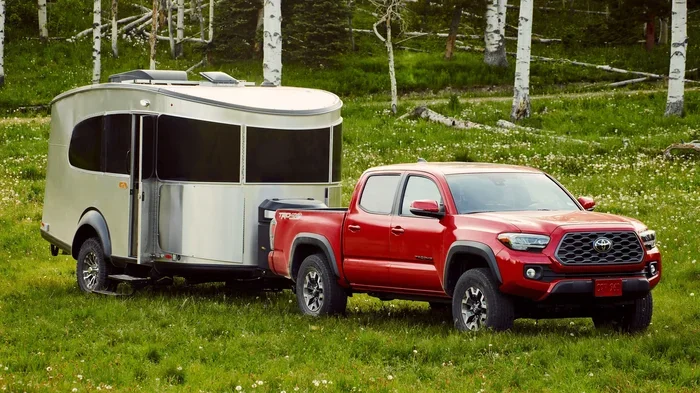
- Toyota Tacoma — A midsize truck that is famous for its longevity and off-road capability.
- Toyota Highlander — A three-row SUV with a solid reputation for dependability and comfort.
These models have proven themselves over many generations. They are the vehicles that people keep for 15-20 years and drive hundreds of thousands of miles. Their engine longevity is particularly impressive, with many examples surpassing 300,000 miles.
Models to Approach With Caution
While Toyota is generally reliable, some models have had more issues than others:
- Toyota RAV4 (2019+) — Some owners have reported transmission issues and infotainment glitches in newer models.
- Toyota 4Runner — While durable, the 4Runner has been slow to update and lacks modern features for its price.
- Toyota Tundra — The older Tundra models had some reliability concerns, though the newer generation has improved significantly.
These are not bad vehicles by any means. But they do not always match the bulletproof reputation that Toyota enjoys as a whole brand. If you are considering one of these models, do extra research on the specific model year and any known issues.
Common Mistakes to Avoid When Buying a Toyota
- Skipping the vehicle history report — Even reliable Toyotas can have accident histories or poor maintenance records.
- Ignoring model-specific issues — Every model has its quirks. Research the specific vehicle you are considering.
- Buying based on brand alone — Not every Toyota is perfect. Always evaluate the individual vehicle.
- Overlooking maintenance history — A well-maintained used Toyota is worth more than a neglected one, even if the mileage is lower.
Common Myths About Toyota Reliability
Toyota’s reputation has led to several myths and misconceptions. Let us separate fact from fiction so you can make an informed decision.
Myth vs. Reality
Myth 1: Toyotas never break down. Reality: Toyotas break down less often than most brands, but they are not immune to problems. Even the most reliable Toyota models can have issues, especially as they age or if maintenance is neglected.
Myth 2: Toyotas are boring. Reality: While Toyota focuses on practicality, many models offer engaging driving experiences. The GR variants of Camry and Corolla, for example, are genuinely fun to drive. Toyota has also embraced fuel efficiency and hybrid technology that makes their vehicles feel modern and exciting.
Myth 3: You do not need to maintain a Toyota. Reality: Even the most durable Toyota needs regular maintenance. Oil changes, tire rotations, brake inspections, and fluid replacements all contribute to the Toyota lifespan you hear people talk about. Skipping maintenance will shorten the life of any vehicle, no matter the brand.
Myth 4: Toyotas are only reliable because they are simple. Reality: While Toyota does favor proven technology over unnecessary complexity, modern Toyotas are packed with advanced features. Their reliability comes from smart engineering choices, not from being basic or outdated.
Expert Insight
Automotive analysts often note that Toyota’s reliability advantage comes from a combination of factors: conservative engineering, strict quality control, and a corporate culture that values long-term thinking over short-term trends. This philosophy extends beyond just the cars. It influences how Toyota designs, tests, and builds every vehicle. The result is a product that is engineered to last, not just to impress on day one.
Final Verdict: Are Toyotas Worth the Reputation
So, are Toyotas really that much more reliable? Based on the data, the answer is a clear yes. Toyota consistently earns top marks in car reliability ratings from J.D. Power, Consumer Reports, and other trusted sources. Their vehicles have lower repair frequency, affordable maintenance costs, and strong resale value compared to most competitors.
Toyota’s Toyota reliability record is built on decades of consistent performance. The brand has earned its reputation through steady engineering, quality manufacturing, and a focus on what matters most to car owners: a vehicle that starts every morning and keeps running for years to come.
That said, Toyota is not perfect. Some models have had issues, and no brand is completely immune to problems. But if you are looking for car buying advice on a vehicle that will give you years of dependable service with minimal headaches, Toyota is hard to beat.
Whether you are buying new or exploring used Toyota value on the pre-owned market, you are making a smart choice. The combination of Toyota durability, low ownership costs, and strong resale value makes Toyota one of the best values in the automotive world today.
Do your research on the specific model you are interested in. Read owner reviews. Check reliability ratings for the exact model year. And most importantly, take care of your vehicle with regular maintenance. A well-maintained Toyota can provide an incredibly Toyota lifespan of reliable service that will serve you well for many years to come.
The bottom line is this: Toyotas really are that much more reliable than most other brands. The data supports it, the owners confirm it, and the resale numbers prove it. If vehicle dependability matters to you, Toyota should be at the top of your list.
Frequently Asked Questions
Why are Toyotas considered more reliable than other brands?
Toyota vehicles are considered more reliable because they use proven technology, undergo rigorous testing, and are built with a focus on longevity. Toyota’s conservative engineering approach means fewer complex systems that can fail. This results in lower repair frequency and higher vehicle dependability scores compared to many competitors.
Which Toyota model has the best reliability record?
The Toyota Camry, Toyota Corolla, and Toyota Tacoma are consistently among the most reliable Toyota models. These vehicles have proven track records of lasting well beyond 200,000 miles with basic maintenance. Their strong Toyota durability reputation is supported by decades of positive owner experiences and high marks in reliability surveys.
Do Toyotas really have lower maintenance costs than other brands?
Yes, Toyotas generally have lower maintenance costs than most competitors. Toyota parts are widely available and reasonably priced, and most mechanics are familiar with Toyota vehicles. Over a 10-year ownership period, Toyota owners can save thousands of dollars compared to owners of luxury or European brands.
Is it worth buying a used Toyota for reliability?
Absolutely. Used Toyotas offer excellent value because they have already experienced the steepest depreciation. You get a vehicle with proven Toyota reliability at a lower price point. Just make sure to check the vehicle history report and maintenance records before buying any used car.
How does Toyota’s reliability compare to Honda’s?
Toyota and Honda are very close in reliability. Both brands consistently rank at the top of car reliability ratings. Toyota often has a slight edge in long-term durability and resale value, while Honda is also an excellent choice for dependability. Either brand is a smart pick if reliability is your priority.
Are newer Toyotas as reliable as older ones?
Most newer Toyotas maintain the brand’s strong reliability standards. However, some recent models have introduced new technology that has occasionally caused issues. It is always a good idea to research the specific model year you are considering. Overall, Toyota continues to produce vehicles with strong engine longevity and low common car problems rates.