Can I Use 5W-20 Instead of 5W-30 in a Toyota – Explained
You can use 5W-20 instead of 5W-30 in some Toyota models, but it depends on your engine type and year. Many newer Toyotas are designed to run on 5W-20, while older or high-performance engines may need the thicker 5W-30. Always check your owner’s manual before making any changes to your Toyota engine oil.
Let’s talk about something every Toyota owner should understand — motor oil viscosity. If you have ever stood in an auto parts store staring at shelves of oil bottles, you know how confusing it can get. Two of the most common options are 5W-20 and 5W-30. But can you actually swap one for the other in your Toyota?
The short answer is: it depends. Some Toyotas handle 5W-20 just fine. Others really need that extra thickness of 5W-30. Using the wrong one can lead to engine wear, reduced fuel economy, or even void your warranty. This article breaks it all down in plain, simple language. You will learn what those numbers mean, what Toyota recommends, and how to make the right choice for your specific vehicle.
Whether you drive a Toyota Camry, a Toyota Corolla, a Toyota RAV4, or a Toyota Tacoma, this guide has you covered. We will walk through the science, the risks, and the practical steps you can take today. No jargon. No fluff. Just clear, honest advice you can use right away.
Key Takeaways
- 5W-20 and 5W-30 have different viscosity ratings that affect how oil flows at various temperatures.
- Newer Toyota models often call for 5W-20 to improve fuel economy and engine performance.
- Using the wrong oil weight can void your Toyota warranty and cause long-term engine damage.
- Always consult your owner’s manual or a trusted mechanic before switching oil grades.
- Synthetic oil blends offer excellent protection for both 5W-20 and 5W-30 applications.
- Oil compatibility matters more than brand names — focus on the viscosity and certification.
- Cold weather and hot weather performance differ between 5W-20 and 5W-30, so climate matters.
📑 Table of Contents
- What Do the Numbers on Motor Oil Mean?
- What Toyota Recommends for Your Engine
- Can You Safely Use 5W-20 Instead of 5W-30 in a Toyota?
- Risks of Using the Wrong Oil Weight
- Which Toyota Models Need Which Oil?
- Expert Tips for Choosing the Right Oil for Your Toyota
- Common Mistakes People Make With Toyota Oil
- Final Thoughts: Making the Right Choice for Your Toyota
What Do the Numbers on Motor Oil Mean?
Those numbers on the back of an oil bottle are not random. They tell you everything about how the oil behaves. The viscosity rating measures how thick or thin the oil is at different temperatures. Understanding this is the first step toward making a smart decision for your Toyota.
The “W” Stands for Winter
The number before the “W” tells you how the oil flows in cold weather. A lower number means the oil stays thinner when it is freezing outside. Both 5W-20 and 5W-30 have a “5” before the W. This means they both flow well in cold conditions. They are equally good for winter starts.
The Second Number Is About Heat
The number after the dash measures thickness at high temperatures. Here is where 5W-20 and 5W-30 differ. 5W-20 oil is thinner at operating temperature. 5W-30 oil is thicker. Thicker oil creates a stronger film between engine parts. Thinner oil flows faster and improves fuel economy. Both have their place. It just depends on your engine.
Why Does Oil Thickness Matter?
Engine oil has a big job. It lubricates moving parts, reduces friction, and carries heat away. If the oil is too thin, it may not protect your engine under heavy load. If it is too thick, it can drag and reduce efficiency. Toyota engineers design each engine with a specific oil weight in mind. Matching that weight is the key to long engine life.
What Toyota Recommends for Your Engine
Toyota does not leave you guessing. Every vehicle comes with an owner’s manual that spells out the exact oil requirements. This is your go-to source. Do not guess. Do not rely on advice from forums alone. The manual tells you what your engine needs to run at its best.
Where to Find the Recommended Oil Weight
Open your owner’s manual and look for the “Maintenance” section. You will find the recommended oil specification there. It will list the viscosity grade and any special requirements. Some Toyotas also have a sticker under the hood that shows the oil type. Check there if you cannot find the manual.
Toyota’s Shift Toward 5W-20
Over the past decade, Toyota has shifted many of its engines to 5W-20 oil. Why? Because thinner oil improves fuel economy. It also allows the engine to warm up faster. This is great for daily driving and city commuting. If you own a newer Toyota, there is a good chance it calls for 5W-20.
Older Models That Still Use 5W-30
Older Toyota engines, especially those with higher mileage, were often designed for 5W-30 oil. The thicker oil helps maintain proper pressure in engines with more wear. If you drive a classic Toyota or a high-mileage vehicle, 5W-30 may be the better choice. Always verify with your manual first.
Can You Safely Use 5W-20 Instead of 5W-30 in a Toyota?
This is the big question. And the answer is more nuanced than you might think. The short answer is: sometimes yes, sometimes no. Let us break it down so you know exactly what to do.
When 5W-20 Works Fine
If your Toyota’s owner’s manual says to use 5W-20, then 5W-20 is what you should use. Simple as that. Many modern Toyota engines — including the Toyota Camry and Toyota Corolla — are built to run on 5W-20. These engines have tighter tolerances and benefit from the thinner oil. Using 5W-20 in these models is not just safe. It is what the manufacturer intended.
When 5W-30 Is the Better Choice
Some Toyota engines, especially older ones or those with larger displacement, were designed for 5W-30 oil. Using 5W-20 in these engines can lead to insufficient oil pressure. The thinner oil may not fill the gaps between worn engine parts. Over time, this can cause increased friction and premature wear. If your manual says 5W-30, stick with 5W-30.
What If You Accidentally Used the Wrong Oil?
Accidents happen. If you accidentally put 5W-20 in an engine that needs 5W-30, do not panic. One oil change will not destroy your engine. But you should get it corrected at the next oil change. The key is not to drive long distances or run the engine hard until the oil is replaced. If you are unsure, consult a Toyota mechanic for guidance.
Can You Mix 5W-20 and 5W-30?
Mixing the two oils in an emergency is not the end of the world. They are both multi-grade oils with similar base chemistry. However, mixing them dilutes the intended viscosity rating. Your engine will not get the full benefit of either oil. Avoid mixing whenever possible. Stick to one grade and stick with it.
Risks of Using the Wrong Oil Weight
Using the wrong oil weight is not just a minor inconvenience. It can cause real, measurable damage to your Toyota engine. Here is what can go wrong and why it matters.
Reduced Engine Protection
Oil that is too thin may not maintain a proper oil film between moving parts. This leads to metal-on-metal contact. Over time, this causes wear on bearings, camshafts, and cylinder walls. Your engine works hard every day. It deserves the right protection.
Increased Fuel Consumption
Oil that is too thick creates drag inside the engine. The engine has to work harder to pump it around. This means your fuel economy drops. You will spend more at the pump for no good reason. Using the correct viscosity keeps things efficient.
Voided Warranty
This is a big one. If your Toyota is still under warranty, using the wrong oil can void that warranty. Toyota has specific oil requirements for a reason. If an engine problem develops and the dealer finds the wrong oil was used, they may deny the claim. That could cost you thousands of dollars. Always follow the manual.
Oil Pressure Problems
Thinner oil produces lower oil pressure. Some Toyota engines rely on proper pressure to operate variable valve timing systems and other components. Low oil pressure can trigger warning lights. It can also cause rough idling and poor performance. Using the right weight keeps your oil pressure where it should be.
Oil Degradation and Breakdown
Oil that is too thin for an engine will break down faster. It cannot handle the heat as well. This means more frequent oil changes and shorter intervals between service. The right oil lasts longer and protects better. It is a simple equation.
Which Toyota Models Need Which Oil?
Not all Toyotas are the same. Different models and engines have different oil requirements. Here is a practical breakdown to help you figure out what your vehicle needs.
Toyota Camry Oil Requirements
Most Toyota Camry models from 2012 onward call for 0W-20 or 5W-20 oil. Earlier models may use 5W-30. Always check the specific year and engine. The 2.5-liter four-cylinder and the V6 variants sometimes have different needs. When in doubt, check the dipstick cap or the owner’s manual.
Toyota Corolla Oil Requirements
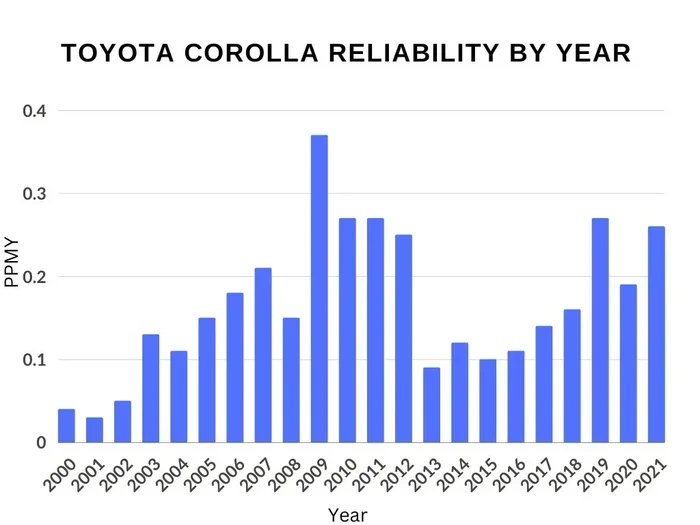
The Toyota Corolla is another model that has shifted to 5W-20 oil in recent years. The newer four-cylinder engines are designed for the thinner oil. Older Corollas with higher mileage may benefit from 5W-30. Again, the manual is your best friend here.
Toyota RAV4 Oil Requirements
The Toyota RAV4 has different engines depending on the year and trim. Many newer RAV4 models use 0W-20 oil. Some older or hybrid versions may use 5W-30. Always verify the specific requirement for your model year. Using the wrong oil in a turbocharged engine is especially risky.
Toyota Tacoma Oil Requirements
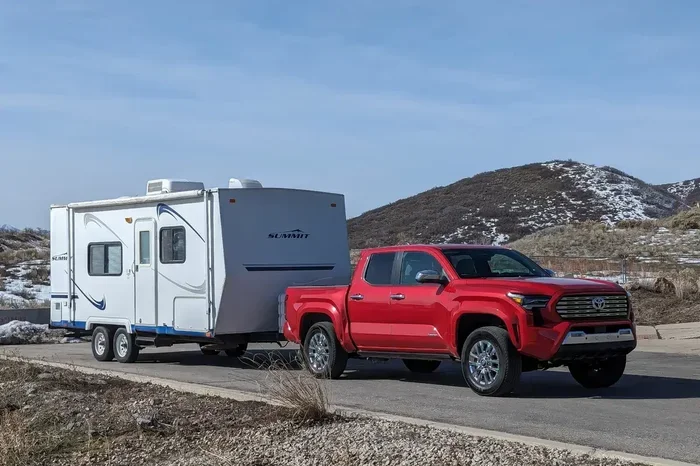
The Toyota Tacoma is a rugged truck. Most Tacoma models call for 0W-20 or 5W-20 oil in the newer generations. The 3.5-liter V6 twin-turbo engine is designed for 5W-20 in most years. Older Tacomas with the 4-cylinder engine may use 5W-30. Check your specific model for the right grade.
Toyota 4Runner and High-Mileage Engines
Older Toyota models like the 4Runner may still require 5W-30 oil. High-mileage engines benefit from the thicker oil because it helps maintain pressure in worn components. If your Toyota has over 150,000 miles, consider whether 5W-30 might be a better fit. A Toyota mechanic can give you personalized advice.
Expert Tips for Choosing the Right Oil for Your Toyota
Choosing the right oil does not have to be complicated. Follow these practical tips and you will make the right call every time.
Read the Owner’s Manual First
This cannot be stressed enough. Your Toyota owner’s manual is the ultimate authority on oil requirements. It tells you the viscosity grade, the API certification needed, and any special additives. Spend five minutes reading it. It could save you hundreds of dollars in repairs.
Look for API Certification
Always choose oil that carries the API certification seal. This means the oil meets industry standards for quality and performance. Look for “API SP” or “API SN” on the label. These certifications ensure the oil works well with modern Toyota engine design and emission systems.
Consider Synthetic Oil
Synthetic oil offers superior protection compared to conventional oil. It handles temperature extremes better. It lasts longer between changes. Many Toyota models now come from the factory filled with synthetic oil. If your budget allows, go synthetic. Your engine will thank you.
Match the Oil to Your Climate
Where you live matters. In cold climates, thinner oils like 5W-20 help the engine start easily. In hot climates, a slightly thicker oil like 5W-30 may hold up better under extreme heat. Consider your local weather patterns when choosing an oil weight.
Stick to a Regular Oil Change Schedule
No matter which oil you choose, regular oil changes are essential. Toyota recommends oil changes every 5,000 to 10,000 miles depending on the model and oil type. Stick to the schedule. Fresh oil protects your engine far better than old, degraded oil.
When in Doubt, Ask a Professional
If you are ever unsure about which oil to use, ask a Toyota mechanic or visit your local Toyota dealership. They have access to your vehicle’s service history and can recommend the right oil. It is always better to ask than to guess.
Quick Tips for the Best Results
- Always check your Toyota recommended oil before purchasing.
- Keep a record of every oil change with the date and mileage.
- Use the same oil brand and weight for consistency.
- Do not skip oil changes even if you drive fewer miles.
- Check your oil level monthly with the dipstick.
- Look for any oil leaks under your parked car.
- Replace your oil filter every time you change the oil.
Common Mistakes People Make With Toyota Oil
Even the best-intentioned car owners make mistakes when it comes to engine oil. Here are some common errors to avoid.
Assuming All Toyotas Use the Same Oil
Not all Toyotas are the same. A 2023 Camry and a 2005 Tacoma may need completely different oil weights. Always check the specific requirements for your model and year. Generalizing can lead to using the wrong oil.
Following Generic Advice Instead of the Manual
Friends, coworkers, and online forums can give well-meaning but incorrect advice. The owner’s manual is the only source tailored to your specific vehicle. Trust it over everything else.
Ignoring Oil Change Warnings
Modern Toyotas have oil life monitoring systems. Do not ignore the warnings. These systems track your driving conditions and remind you when it is time for an oil change. Reset the system after every service.
Overlooking Oil Leaks
Small oil leaks can lead to low oil levels. Low oil levels mean poor engine protection. Check under your car regularly. If you see fresh oil spots on your driveway, get it checked out immediately.
Choosing Oil Based on Price Alone
The cheapest oil is not always the best oil. Quality motor oil costs a little more but provides far better protection. Think of it as insurance for your engine. A few extra dollars now can prevent expensive repairs later.
Final Thoughts: Making the Right Choice for Your Toyota
So, can you use 5W-20 instead of 5W-30 in a Toyota? The answer comes down to your specific vehicle, its engine, and what the owner’s manual says. Many newer Toyota models are designed for 5W-20 oil and will run just fine on it. Older models or high-mileage engines may need the extra thickness of 5W-30 oil to maintain proper protection.
The bottom line is simple. Use the oil your Toyota was designed to use. Check the manual. Follow the manufacturer’s recommendation. Keep up with your oil changes. And when you are ever in doubt, ask a professional. Your Toyota engine works hard for you every day. Give it the right Toyota engine oil and it will reward you with years of reliable performance.
Do not let confusion over oil weights hold you back. Now that you understand the difference between 5W-20 and 5W-30, you can make confident, informed decisions. Your Toyota deserves nothing less. Take the time to get it right. Your engine will thank you for miles to come.
Frequently Asked Questions
What happens if I use 5W-20 instead of 5W-30 in my Toyota?
If your Toyota requires 5W-30 and you use 5W-20 instead, you may experience lower oil pressure and reduced engine protection. The thinner oil may not properly lubricate older or high-mileage engines. Over time, this can lead to increased wear. Always use the oil weight recommended in your owner’s manual.
Can I switch from 5W-30 to 5W-20 in my Toyota Camry?
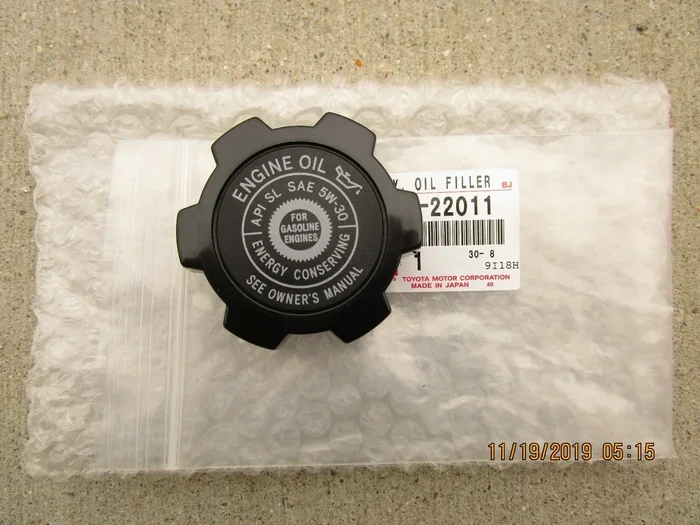
Many newer Toyota Camry models are designed to run on 5W-20 oil. If your Camry calls for 5W-20, switching from 5W-30 to 5W-20 is perfectly fine. However, if your specific Camry model requires 5W-30, do not make the switch. Check the owner’s manual or the oil filler cap for the correct grade.
Is 5W-20 or 5W-30 better for cold weather?
Both 5W-20 and 5W-30 perform similarly in cold weather because they share the same “5W” rating. This means they both flow well at low temperatures. However, 5W-20 is slightly thinner at operating temperature, which can help with cold starts. Choose the oil weight recommended for your specific Toyota model.
Will using 5W-20 improve my Toyota’s fuel economy?
Yes, using 5W-20 can slightly improve fuel economy because it is thinner and creates less drag inside the engine. This is one reason Toyota recommends 5W-20 for many of its newer models. The improvement is modest but real, especially in city driving conditions.
How often should I change my oil if I use 5W-20?
Toyota generally recommends oil changes every 5,000 to 10,000 miles, depending on the model and driving conditions. If you use synthetic 5W-20 oil, you may be able to extend the interval slightly. Always follow the oil life monitor in your vehicle or the schedule in your owner’s manual.
Can I use 5W-20 in my Toyota Tacoma V6?
Most Toyota Tacoma V6 models are designed to use 5W-20 oil. However, older Tacoma models with the 4-cylinder engine may require 5W-30. Always verify the correct oil weight for your specific Tacoma year and engine type before making a change.
=== CONCLUSION ===
Choosing between 5W-20 and 5W-30 oil for your Toyota does not have to be confusing. The key is to follow what your Toyota owner’s manual says. Newer Toyota vehicles often work great with 5W-20 oil for better fuel economy and engine performance. Older models or those with higher mileage may need the thicker protection of 5W-30 oil. Using the wrong oil weight can lead to engine wear, voided warranty, and reduced oil pressure. Keep it simple. Read the manual. Use the right oil. Change it on schedule. Your Toyota engine will run strong for years to come.