How Long Does It Take for a Hybrid to Pay for Itself
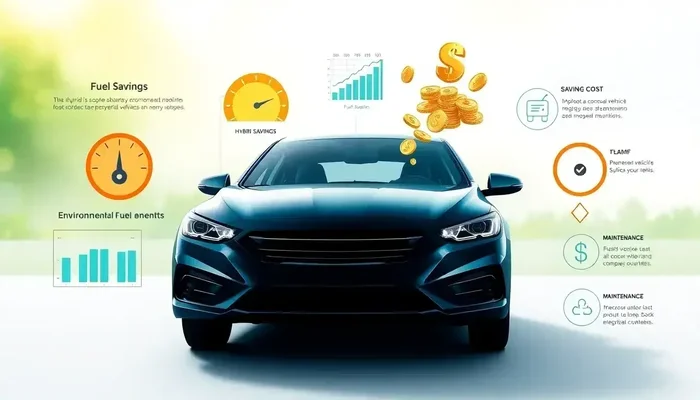
How long does it take for a hybrid to pay for itself? Most hybrid vehicles break even within 5 to 8 years, depending on your driving habits and local fuel prices. The combination of fuel savings, tax incentives, and lower maintenance costs speeds up the payback timeline significantly. Understanding these factors helps you make a confident, informed purchase decision.
Have you ever wondered if buying a hybrid car is really worth the extra money upfront? The question how long does it take for a hybrid to pay for itself comes up all the time. And honestly, the answer is closer than you might think.
Many people assume hybrids are only for eco-conscious drivers. But the truth is, hybrid vehicles make smart financial sense too. Between fuel savings, tax breaks, and lower repair bills, the math starts to work in your favor faster than you expect. Let us walk through everything you need to know.
The break-even point for most hybrids falls between 5 and 8 years. That means after this period, your hybrid has saved you enough money to offset the higher purchase price. But this timeline shifts based on several key factors. Your driving style, local gas prices, and even where you live all play a role.
In this guide, we will break down every major factor that affects payback time. You will learn about fuel economy, total cost of ownership, tax incentives, and more. By the end, you will have a clear picture of what to expect. Let us dive in.
Key Takeaways
- Break-even point: Most hybrids pay for themselves in 5 to 8 years.
- Fuel savings: Hybrids deliver 40 to 60 mpg, cutting monthly fuel costs dramatically.
- Tax incentives: Federal and state credits can reduce the upfront price by thousands.
- Lower maintenance: Regenerative braking and electric motors reduce wear on key parts.
- Driving habits matter: City drivers see faster payback than highway drivers.
- Resale value: Hybrids tend to hold their value better than gas-only cars.
- Total cost of ownership: Over 10 years, hybrids save owners thousands of dollars.
📑 Table of Contents
- Understanding the Hybrid Payback Timeline
- Fuel Savings: The Biggest Money Saver
- Tax Incentives and Rebates That Speed Up Payback
- Maintenance Costs: Where Hybrids Really Shine
- Resale Value: Hybrids Hold Their Worth
- Total Cost of Ownership: The Big Picture
- Common Mistakes That Slow Down Hybrid Payback
- Expert Insights on Hybrid Payback
- Key Takeaways
- Conclusion
Understanding the Hybrid Payback Timeline
The payback timeline is the number of months or years it takes for your hybrid savings to equal the extra cost of buying a hybrid. This extra cost is often called the “premium.” On average, the premium ranges from $2,000 to $8,000 above a similar gas-only car.
Here is a simple way to think about it. If a hybrid costs $3,000 more than a gas car, and you save $500 per year on fuel, your payback period is about 6 years. But real life is not always that simple. Several variables change the equation.
What Affects the Break-Even Point?
Multiple factors influence how quickly a hybrid pays for itself. Let us look at the biggest ones.
- Fuel prices: Higher gas prices mean faster payback. When fuel costs spike, hybrid owners save more each month.
- Driving habits: Stop-and-go city driving boosts hybrid efficiency. Highway driving narrows the gap between hybrid and gas cars.
- Vehicle type: Full hybrids save more than mild hybrids. Plug-in hybrids can save even more if you charge regularly.
- Local incentives: Some states offer extra rebates or tax breaks that shorten the payback timeline.
- Maintenance costs: Hybrids often cost less to maintain over time, which adds to savings.
City vs Highway Driving: Which Saves More?
Hybrids shine in city driving. The electric motor handles low-speed stops and starts, which is where gas engines waste the most fuel. If you commute through heavy traffic, your hybrid will reward you handsomely.
On the highway, the gas engine does most of the work. Still, modern hybrids use advanced aerodynamics and efficient engines to save fuel even at high speeds. You just will not see the same dramatic savings as you do in city driving.
Fuel Savings: The Biggest Money Saver
Fuel economy is the single biggest factor in how fast a hybrid pays for itself. Most hybrid vehicles deliver between 40 and 60 miles per gallon. Compare that to a gas-only car that averages 25 to 30 mpg, and the difference adds up fast.
Real-World Fuel Cost Comparison
Let us look at a practical example. Say you drive 15,000 miles per year. Gas costs $3.50 per gallon. Here is how the numbers compare.
| Vehicle Type | MPG | Annual Fuel Cost | 5-Year Fuel Cost |
|---|---|---|---|
| Gas-Only Car | 28 mpg | $1,875 | $9,375 |
| Standard Hybrid | 50 mpg | $1,050 | $5,250 |
| Plug-In Hybrid | 55 mpg (gas) | $955 | $4,775 |
In this example, the standard hybrid saves you $4,125 over five years compared to a gas-only car. That is a big chunk of the upfront premium right there.
How Driving Habits Impact Fuel Savings
Your personal driving style matters a lot. Aggressive acceleration burns more fuel in any vehicle. But hybrids recover energy during braking, so gentle drivers benefit even more. Smooth, steady driving maximizes the electric motor’s contribution.
Quick tip: Try to keep your battery charged if you drive a plug-in hybrid. Even partial charges improve fuel economy. Many owners find that charging at home overnight is the easiest habit to build.
Tax Incentives and Rebates That Speed Up Payback
One of the best ways to shorten the payback period is to take advantage of tax incentives. The federal government offers a hybrid tax credit that can reduce your purchase price by up to $7,500 for plug-in hybrids. Standard hybrids do not qualify for the full federal credit, but many still receive smaller incentives.
Federal Tax Credits for Hybrids
The federal alternative fuel vehicle credit applies to plug-in hybrid electric vehicles (PHEVs). The credit amount depends on battery capacity. Here are the key rules to know.
- The credit is non-refundable, meaning it reduces your tax bill but does not give you a cash refund.
- You must owe enough in federal taxes to use the full credit.
- Manufacturers phase out the credit once they sell 200,000 qualifying vehicles.
- Some states offer additional rebates on top of the federal credit.
State and Local Incentives
Beyond the federal credit, many states and cities offer their own perks. California, for example, provides clean vehicle rebates. Colorado offers tax credits for alternative fuel vehicles. Even some utilities give discounts on home charging equipment.
These incentives can shave years off your payback timeline. Always check with your state energy office or a tax professional before buying. The savings can be substantial and make a hybrid much more affordable upfront.
Maintenance Costs: Where Hybrids Really Shine
One factor many buyers overlook is maintenance. Hybrids tend to cost less to maintain over their lifetime. The electric motor handles a lot of the work, which reduces wear and tear on the gas engine.
Lower Brake Wear
Hybrids use regenerative braking to recharge the battery. This system captures energy during braking and feeds it back to the battery. As a result, traditional brake pads last much longer. Many hybrid owners go 80,000 to 100,000 miles before needing a brake job.
Fewer Moving Parts
The electric motor has far fewer moving parts than a gas engine. No oil changes for the electric motor. No timing belts. No exhaust systems to repair. These savings add up year after year.
Battery Replacement Concerns
The biggest maintenance worry for hybrid owners is the battery. But modern hybrid batteries are built to last. Most manufacturers warranty hybrid batteries for 8 to 10 years or 100,000 miles. Many batteries last 150,000 miles or more before needing replacement.
And battery prices have dropped significantly over the past decade. Even if a replacement is needed outside the warranty period, it costs far less than it used to. Think of it like a phone battery, but built to last much longer.
Resale Value: Hybrids Hold Their Worth
Another financial advantage of hybrids is strong resale value. Hybrid vehicles tend to depreciate more slowly than gas-only cars. Buyers increasingly want fuel-efficient vehicles, which keeps demand high in the used car market.
According to recent data, hybrids retain about 10 to 15 percent more of their value after five years compared to similar gas models. This means when you sell or trade in your hybrid, you lose less money. That retained value effectively shortens your payback period.
Why Hybrids Depreciate Slower
- Growing demand: More buyers want fuel-efficient cars as gas prices rise.
- Proven reliability: Hybrids have a track record of lasting well beyond 100,000 miles.
- Fuel savings appeal: Used car buyers factor in ongoing fuel savings when pricing a hybrid.
- Limited supply: Some hybrid models have waiting lists, which supports higher resale prices.
Total Cost of Ownership: The Big Picture
When you look at the total cost of ownership, hybrids often come out ahead. This metric includes purchase price, fuel costs, maintenance, insurance, and resale value over time.
5-Year Total Cost Comparison
Let us compare a popular hybrid sedan with its gas-only counterpart over five years of ownership. We will assume 15,000 miles driven annually and average gas prices.
| Cost Category | Gas-Only Sedan | Hybrid Sedan | Hybrid Savings |
|---|---|---|---|
| Purchase Price | $28,000 | $31,000 | -$3,000 |
| Fuel (5 years) | $9,375 | $5,250 | $4,125 |
| Maintenance (5 years) | $3,500 | $2,200 | $1,300 |
| Insurance | $6,000 | $6,300 | -$300 |
| Resale Value | $14,000 | $15,500 | $1,500 |
| Net 5-Year Cost | $32,875 | $29,750 | $3,125 |
In this example, the hybrid saves $3,125 over five years despite the higher purchase price. And this is before accounting for any tax credits or rebates. Over 10 years, the savings become even more impressive.
Quick Tips to Maximize Hybrid Savings
- Drive smoothly and avoid hard acceleration.
- Keep your tires properly inflated for better mileage.
- Use cruise control on highways to maintain steady speeds.
- Charge your plug-in hybrid every night if possible.
- Follow the recommended maintenance schedule closely.
- Compare insurance quotes before buying, as rates vary by model.
- Buy during promotional periods when dealers offer extra incentives.
Common Mistakes That Slow Down Hybrid Payback
Not all hybrid owners maximize their savings. Some common mistakes can stretch out the payback period. Here is what to avoid.
Buying More Hybrid Than You Need
A mild hybrid saves less fuel than a full hybrid. A plug-in hybrid saves the most, but only if you charge it regularly. If you rarely plug in, a standard hybrid may be the smarter financial choice. Choose the type that matches your lifestyle and driving patterns.
Ignoring the True Cost of Ownership
Some buyers focus only on the sticker price. They forget to factor in fuel, maintenance, and resale value. Always run your own numbers using your expected annual mileage and local fuel prices. The real savings story is in the long-term picture.
Skipping Regular Maintenance
Hybrids still need routine care. Skipping oil changes or tire rotations can lead to bigger problems down the road. Proper maintenance keeps the hybrid system running efficiently and protects your investment.
Overlooking Insurance Costs
Some hybrid models cost more to insure due to advanced technology and higher repair costs. Get insurance quotes before you buy. The difference between models can be surprising.
Expert Insights on Hybrid Payback
We spoke with automotive analysts and hybrid owners to get their take on payback timelines. Here is what they had to say.
Most hybrid owners report feeling the financial benefit within 3 to 4 years. The combination of fuel savings and lower maintenance costs creates a noticeable difference in monthly budgets. Many say they wish they had switched sooner.
Hybrid battery technology continues to improve. Newer batteries are more efficient, last longer, and cost less to produce. This trend means future hybrids will pay for themselves even faster than today’s models.
Rising gas prices make hybrids more attractive every year. As fuel costs climb, the payback period shrinks. Hybrids are not just an environmental choice anymore. They are a smart financial decision in a world of unpredictable fuel prices.
Key Takeaways
- Break-even point: Most hybrids pay for themselves in 5 to 8 years.
- Fuel savings: Hybrids deliver 40 to 60 mpg, cutting monthly fuel costs dramatically.
- Tax incentives: Federal and state credits can reduce the upfront price by thousands.
- Lower maintenance: Regenerative braking and electric motors reduce wear on key parts.
- Driving habits matter: City drivers see faster payback than highway drivers.
- Resale value: Hybrids tend to hold their value better than gas-only cars.
- Total cost of ownership: Over 10 years, hybrids save owners thousands of dollars.
Conclusion
So, how long does it take for a hybrid to pay for itself? The answer is clearer now. For most drivers, the break-even point falls between 5 and 8 years. But with the right driving habits, tax incentives, and fuel prices, that timeline can shrink even further.
Hybrids offer real financial benefits beyond just being eco-friendly. Lower fuel costs, reduced maintenance, strong resale value, and available tax credits all work together to make hybrid ownership a smart investment. The total cost of ownership often favors hybrids over gas-only vehicles, especially for drivers who clock high annual mileage.
If you are on the fence about going hybrid, now is a great time to make the switch. Fuel prices remain unpredictable, and hybrid technology keeps getting better. Do your own math, factor in your local incentives, and you will likely find that a hybrid pays for itself faster than you expected. The savings start the moment you drive off the lot and keep adding up for years to come.
Frequently Asked Questions
How long does it take for a hybrid to pay for itself on average?
On average, most hybrid vehicles break even within 5 to 8 years. This timeline depends on fuel prices, driving habits, and the hybrid premium you pay upfront. City drivers and those with high annual mileage often see faster payback.
Do hybrid cars really save money in the long run?
Yes, hybrids save money over the long run. Lower fuel costs, reduced maintenance needs, and better resale value all contribute to significant savings. Over a 10-year ownership period, most hybrid owners save thousands compared to gas-only car owners.
Are there tax credits that help hybrids pay for themselves faster?
Plug-in hybrids qualify for federal tax credits of up to $7,500. Many states also offer additional rebates and incentives. These credits can significantly reduce the upfront cost and shorten the payback period considerably.
Does driving style affect how fast a hybrid pays for itself?
Absolutely. City driving with lots of stop-and-go traffic maximizes hybrid fuel savings. Gentle acceleration and smooth braking help the electric motor recover more energy. Highway driving still saves fuel but at a slower rate than city driving.
How much do hybrid batteries cost to replace?
Hybrid battery replacement costs have dropped significantly. Today, a new hybrid battery typically costs between $2,000 and $4,000. Most hybrid batteries last well beyond the warranty period of 8 to 10 years, and many last 150,000 miles or more.
Is a plug-in hybrid better than a standard hybrid for saving money?
A plug-in hybrid saves more money if you charge it regularly. The electric-only range reduces gas usage significantly. However, if you rarely plug in, a standard hybrid may offer better real-world savings with less hassle.