How Long Do Car Wraps Last Before They Need Replacing
The lifespan of a car wrap depends on material quality, installation, and how well you maintain it. On average, car wraps last between 5 and 7 years before they need replacing. With proper care, some high-quality wraps can even reach 10 years.
You spent money on a car wrap to give your vehicle a fresh look. Maybe it’s a bold new color, a sleek matte finish, or a full brand wrap for your business. Now the question hits you: how long do car wraps last before they need replacing? You want to know if this investment will hold up or if you’ll be back at the shop in a year.
The truth is, a car wrap can last anywhere from 5 to 10 years. But that range depends on many things. The type of vinyl you choose, the skill of the installer, your daily driving habits, and how well you care for the wrap all matter. In this guide, we break down the real lifespan of car wraps, what shortens or extends their life, and when it is time to say goodbye to your old wrap.
Whether you are considering your first vehicle wrap or trying to get more life out of an existing one, this article has the answers. You will learn the exact timelines, the factors that play the biggest role, and simple steps you can take today to protect your investment. Let us dive in.
Key Takeaways
- Average lifespan: Most car wraps last 5 to 7 years with normal use.
- Material matters: Premium vinyl lasts longer than budget options.
- Installation is key: A professional install prevents early peeling.
- Maintenance extends life: Regular washing and avoiding harsh chemicals helps.
- Environment plays a role: Sun, salt, and extreme heat wear wraps faster.
- Partial wraps can last longer: Less surface area means less exposure.
📑 Table of Contents
What Is a Car Wrap and Why Does Lifespan Matter?
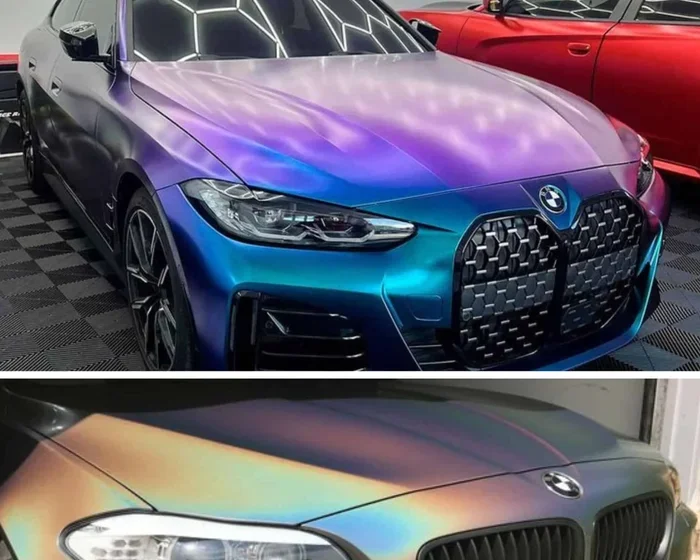
A car wrap is a large vinyl film that adheres directly to your vehicle’s paint. It changes the color, adds graphics, or protects the original paint underneath. People choose wraps for many reasons. Some want a custom look without a permanent paint job. Others use them for advertising their business. A vehicle wrap can also act as a shield against small scratches and UV damage.
Understanding wrap durability is important because it affects your budget and expectations. A wrap that peels after 12 months feels like a waste of money. A wrap that stays vibrant for 7 years delivers great value. The car wrap lifespan tells you how long you can enjoy that fresh appearance before you need to replace it. Knowing this helps you plan your maintenance and decide if a wrap is the right choice for you.
How Long Do Car Wraps Last? The Realistic Timeline
So, how long do car wraps last in real-world conditions? The honest answer is that most car wraps last between 5 and 7 years. However, this is just an average. Some wraps fail early, and some exceed 10 years. The timeline shifts based on the wrap type, the quality of the vinyl, and the care you provide.
Average Lifespan for Different Wrap Types
Not all wraps are created equal. A full vehicle wrap covers the entire car, while a partial wrap only covers sections like the hood or roof. Here is a quick look at what you can expect.
| Wrap Type | Average Lifespan | Typical Cost | Best For |
|---|---|---|---|
| Full Vehicle Wrap | 5–7 years | $2,500–$5,000 | Complete color change or branding |
| Partial Wrap | 6–8 years | $800–$2,000 | Accent graphics or roof coverage |
| Paint Protection Film | 7–10 years | $3,000–$8,000 | Front-end scratch protection |
| Budget Vinyl Wrap | 2–4 years | $1,000–$2,500 | Short-term advertising or testing a look |
The car wrapping cost often reflects the material quality. Premium vinyl from brands like 3M or Avery Dennison comes with longer warranties and better wrap durability. Cheaper vinyl may save you money upfront but could need replacement much sooner.
Factors That Determine Car Wrap Longevity
Several factors decide how long your car wrap will last. Some you control, and some you cannot. Understanding these helps you make smart choices from day one.
Material Quality and Vinyl Type
The single biggest factor in wrap lifespan is the vinyl itself. High-quality cast vinyl conforms better to curves and resists fading. It uses stronger adhesives that hold up under heat and rain. Budget calendered vinyl is thicker but less flexible, which can lead to cracking and peeling over time. When you invest in premium vinyl wrap material, you are buying more years of protection and shine.
Also, consider the finish. Gloss wraps often look great for years, but matte and satin finishes may show wear differently. A matte vehicle wrap can show dirt and scratches more easily, requiring more careful wrap maintenance.
Installation Quality
Even the best vinyl will fail if the installation is poor. A professional installer knows how to handle edges, curves, and seams. They use heat guns to stretch the vinyl tightly without trapping air bubbles. A sloppy install leaves gaps where moisture seeps in, causing the edges to lift and the adhesive to weaken.
Always choose a certified car wrapping shop with a portfolio of past work. Ask about their warranty. A good installer stands behind their craft and can fix issues early.
Driving Habits and Environment
Where and how you drive affects wrap durability more than you might think. A car that sits in direct sunlight all day faces constant UV exposure. UV rays break down the vinyl and fade the color. Cars in coastal areas deal with salt air, which corrodes edges. Winter drivers face road salt and snow, which can eat away at the wrap’s edges and seams.
Short trips with frequent stop-and-go also expose the wrap to more heat from the engine and brakes. If you drive on gravel roads, small stones can chip the surface. All these elements slowly wear down the wrap’s protective layers.
Maintenance and Cleaning Routine
How you care for your car wrap daily has a huge impact. A regular wash removes dirt, bird droppings, and tree sap that can eat into the vinyl. But the way you wash matters. High-pressure washing too close to the edges can force water under the film. Harsh chemicals or automatic car wash brushes can scratch and degrade the surface.
Quick Tips for Wrap Care:
- Wash your wrap by hand with a soft microfiber cloth.
- Use a pH-neutral car soap designed for vinyl.
- Avoid high-pressure sprays near edges and seams.
- Dry with a clean, soft towel to prevent water spots.
- Apply a wrap-specific protectant every 3–6 months.
Full Wrap vs. Partial Wrap: Which Lasts Longer?
A common question is whether a full vehicle wrap or a partial wrap lasts longer. The answer depends on exposure. A full wrap covers every inch of the car, so all parts face the same weather and wear. A partial wrap leaves some paint exposed, which can actually protect the covered edges from rubbing or peeling.
In general, partial wraps and accent graphics tend to last a bit longer because they have less surface area exposed to the elements. A full car wrap endures more friction from car washes, wind, and road debris across the entire body. However, a high-quality full wrap with excellent installation can still easily outlast a partial wrap by a year or two.
The table above gives you a clear comparison of the average lifespans and costs. Keep in mind that a full wrap offers more coverage for advertising or a complete color change, while a partial wrap is a cost-effective way to refresh your car’s look.
How to Make Your Car Wrap Last as Long as Possible
You can take steps to extend the car wrap lifespan well beyond the average. Simple habits make a big difference over time.
First, park in the shade or a garage whenever possible. Limiting direct sun exposure slows down UV fading. Second, avoid parking under trees. Bird droppings and sap are highly acidic and can stain or eat through the vinyl if left for days. Third, be gentle when opening doors near curbs or walls. The wrap’s edges are the most vulnerable spots for lifting and chipping.
Fourth, keep the interior clean. Dirt from your shoes can transfer to the wrap’s edges when you enter the car. Finally, schedule a professional inspection once a year. A wrap expert can spot early signs of wear and fix small issues before they turn into big problems.
Common Mistakes to Avoid:
- Using automatic car washes with harsh brushes.
- Applying wax or sealants not meant for vinyl.
- Ignoring small bubbles or lifted edges.
- Parking in direct sunlight for months without cover.
- Using high-pressure washers directly on edges.
Expert Insight: “The most common reason wraps fail early is neglect at the edges. People forget that the first inch of a wrap is the most exposed. Keeping those edges clean and dry makes a huge difference,” says a certified vehicle wrap specialist with over 10 years of experience.
When It’s Time to Replace Your Car Wrap
Even with the best care, every car wrap reaches the end of its life. Knowing the signs helps you replace it before it starts looking bad or damaging the paint underneath. Watch for these clear signals.
First, if the wrap shows widespread fading that no longer matches your original color, it is time. Second, edges that are lifting or curling can trap dirt and moisture. Third, cracks or peeling in large areas mean the vinyl has lost its flexibility. Fourth, if you notice the adhesive leaving a sticky residue or staining the paint, the wrap is breaking down.
A wrap that is heavily scratched or has lost its shine can also be a candidate for replacement. At that point, the wrap is no longer protecting your paint. Instead of trying to repair it, a full replacement gives you a fresh start.
Key Takeaways
- Average lifespan: Most car wraps last 5–7 years, with premium wraps reaching 10.
- Material quality: Premium vinyl and professional installation are the biggest investments in longevity.
- Environment: Sun, salt, and extreme heat shorten the timeline.
- Maintenance: Gentle hand washing and edge care extend the wrap’s life significantly.
- Replacement signs: Fading, edge lifting, cracking, and adhesive failure signal it is time.
In the end, the question “how long do car wraps last” does not have a single answer. It depends on the choices you make and the care you provide. A car wrap is a flexible, reversible way to transform your vehicle. When you choose quality materials, trust a skilled installer, and follow a simple maintenance routine, your wrap will reward you with years of great looks and paint protection. Keep these tips in mind, and your vehicle wrap will stay vibrant long after the initial excitement fades.
Frequently Asked Questions
Can a car wrap last 10 years?
Yes, a high-quality car wrap made from premium cast vinyl can last up to 10 years. This requires professional installation, careful maintenance, and limited exposure to harsh UV rays and road chemicals. Regular care and garage parking help push the wrap lifespan to the upper end.
Does a partial wrap last longer than a full wrap?
Generally, a partial wrap lasts a bit longer because it has less surface area exposed to weather and friction. However, a full wrap made with top-tier materials can outlast a partial wrap if the partial wrap uses lower-quality vinyl. The key is the material quality and how well you maintain it.
How often should I wash my car wrap?
You should wash your vehicle wrap every 1–2 weeks, or more often if you drive in dirty or salty conditions. Hand washing with a mild soap is best. Avoid automatic car washes with harsh brushes, and never use abrasive cleaners or high-pressure sprays near the edges.
Is it hard to remove a car wrap?
No, a professional car wrap removal is straightforward and usually takes a few hours. The vinyl comes off cleanly without damaging the original paint. In some cases, a slight residue may remain, which a detailer can easily remove. Always hire an experienced installer for removal to be safe.
Does a car wrap protect the original paint?
Yes, a vinyl wrap acts as a protective layer over your car’s paint. It shields against UV rays, small scratches, and minor stone chips. This is one of the main reasons people choose wraps. When you remove the wrap, the original paint underneath should look just as good as before.
What shortens the life of a car wrap the most?
The biggest factors that shorten wrap durability are poor installation, low-quality vinyl, constant sun exposure, and neglect in cleaning. Edge lifting from improper application and harsh chemical cleaners also cause premature failure. Avoiding these mistakes can add years to your wrap’s life.