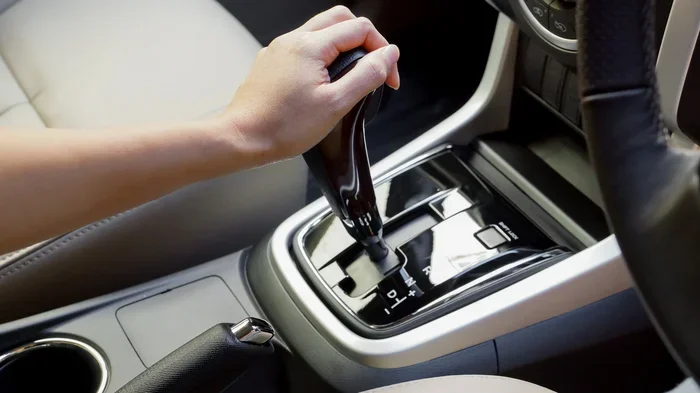
Learn How to Move an Automatic Car Without Turning It On
Knowing how to move an automatic car without turning it on can save you from a stressful roadside situation. Whether your battery died, your ignition failed, or you simply need to reposition your vehicle, this guide covers every safe method. You will learn about push-starting, towing, and coasting techniques that protect your automatic transmission. We also share common mistakes to avoid and preventive tips to keep your car running smoothly. This article gives you the confidence to handle unexpected car troubles with ease.
There you are, standing next to your car, ready to go, and nothing happens when you turn the key. Or maybe you press the push button start and all you get is silence. It is a frustrating moment, especially when you need to move your vehicle. But here is the good news. You can still move an automatic car without turning it on. You just need to know the right steps and a few important safety rules.
Many people assume that an automatic car cannot be moved without the engine running. That is not entirely true. There are several safe methods to reposition your car when the ignition fails or the battery dies. The key is understanding how your automatic transmission works and what each method involves. In this article, we will walk you through every safe and practical option. You will learn how to push-start, when to call for a tow, and how to avoid damaging your precious automatic gearbox.
We have also included common mistakes that can cause serious harm to your transmission. These are things even experienced drivers sometimes get wrong. By the end of this guide, you will feel confident and prepared. You will know exactly what to do if your car ever refuses to start. Let us dive right in.
Key Takeaways
- Push-starting an automatic car is possible but requires caution and specific conditions.
- Never tow an automatic car on dry pavement without proper equipment.
- Putting the gear shifter in neutral is the first and most important step.
- A flatbed tow truck is the safest way to transport an automatic car.
- Regular maintenance of your automatic transmission fluid prevents many starting issues.
- Understanding your car’s gear system helps you avoid costly transmission damage.
- Emergency preparedness saves time and money when your car won’t start.
📑 Table of Contents
- Why Would You Need to Move an Automatic Car Without Turning It On?
- Understanding Your Automatic Car’s Gear System
- How to Push-Start an Automatic Car
- Towing an Automatic Car Safely
- Comparing Methods to Move an Automatic Car Without Starting It
- Common Mistakes That Can Damage Your Automatic Transmission
- Practical Tips to Prevent This Situation
- Conclusion
Why Would You Need to Move an Automatic Car Without Turning It On?
There are many real-life situations where you might need to move your car without starting it. Understanding these scenarios helps you stay calm and act quickly when the moment comes.
Dead Battery Situations
A dead battery is the most common reason a car will not start. Lights left on, old age, or extreme cold weather can all drain your battery. When this happens, your starter motor gets no power, and the engine will not turn over. But your car still has wheels, and those wheels can roll if you put the gear shifter in neutral.
Ignition Switch Failure
Sometimes the problem is not the battery but the ignition switch itself. A worn-out ignition switch can prevent electrical signals from reaching the starter. This means your push button start or traditional key turn will do nothing. In these cases, moving the car manually becomes a practical solution.
Starter Motor Problems
The starter motor is what cranks your engine when you turn the key. If it fails, you have a car that looks fine but will not fire up. A faulty starter motor is often caused by wear and tear or electrical issues. Moving the car without starting it lets you get to a mechanic without needing a full roadside repair.
Emergency Situations
Imagine your car rolls slightly and blocks a driveway or a busy road. Maybe you parked on a slight hill and the parking brake slipped. In these emergencies, knowing how to move your car without starting it is a valuable skill. It can prevent accidents and keep traffic flowing.
Understanding Your Automatic Car’s Gear System
Before you try any method, it helps to understand how your automatic transmission works. Unlike a manual car where you control the gears yourself, an automatic gearbox handles shifting for you. But both types share some basic principles that matter when you want to move the car without engine power.
How Gears Work in an Automatic Transmission
An automatic transmission uses a complex system of gears, bands, and clutches to change ratios automatically. When you move the gear shifter, you are telling the transmission which set of gears to engage. The most common positions are Park, Reverse, Neutral, and Drive. Each position connects or disconnects the wheels from the engine in a specific way.
When your car is in Park or Drive with the engine off, the transmission locks the wheels in place. This is why you cannot push a car that is in Park. But when you shift to Neutral, you disconnect the wheels from the engine. This is the golden rule of moving an automatic car without turning it on.
The Role of Neutral Gear
Neutral gear is your best friend in this situation. It creates a gap between the engine and the wheels. This means the wheels can roll freely without turning the engine or damaging the transmission. Always make sure your car is in Neutral before you attempt any manual movement.
Automatic Transmission Fluid Matters
Your automatic transmission relies on fluid to lubricate and cool its internal parts. Low or dirty transmission fluid can cause shifting problems and even prevent your car from starting properly. Regularly checking your automatic transmission fluid is a simple habit that prevents many issues. If your car has been sitting unused for a long time, the fluid may have settled, which can affect performance when you try to start it.
How to Push-Start an Automatic Car
Push-starting is one of the most well-known methods for getting a car going without using the ignition. While it works better with manual transmissions, you can still push-start an automatic car under the right conditions. Here is exactly how to do it safely.
Step-by-Step Push-Start Process
- Find a flat, open area. You need a clear stretch of road with no obstacles. A slight downhill slope helps a lot.
- Turn the ignition to the On position. You do not need to start the engine. Just turn the key or press the push button start until the dashboard lights come on. This activates the car’s electrical systems.
- Press the brake pedal firmly. Keep your foot on the brake at all times during this process.
- Shift the gear shifter to Neutral. This is the most critical step. Without Neutral, you risk serious transmission damage.
- Release the parking brake. Make sure the car is free to roll.
- Get one or more people to push the car. Ask them to push from behind with steady force.
- Once the car reaches walking speed, release the brake gently. The momentum should cause the engine to turn over and start.
- As soon as the engine starts, press the brake and shift back to Park.
Quick Tip: Push-starting works best on a slight downhill. If you are on flat ground, you may need more people to push. A team of three to four adults usually provides enough momentum.
When Push-Starting Will Not Work
Push-starting is not a miracle fix. It will not work if the problem is a completely dead battery that cannot power the fuel pump or ignition system. It also will not help if the starter motor itself is the issue. In these cases, you need a different approach, like a jump start or towing.
Important Safety Warnings
Never try to push-start an automatic car while it is in Drive or Park. This can cause severe internal damage to the transmission. The gears are designed to engage only when the engine is running and the fluid is pressurized. Forcing them without engine power creates metal-on-metal contact that can grind gears and destroy the gearbox.
Towing an Automatic Car Safely
Towing is often the safest and most reliable method to move an automatic car that will not start. However, not all towing methods are safe for automatic transmissions. Let us look at the right and wrong ways to tow your car.
The Flatbed Tow Method
A flatbed tow truck is the gold standard for transporting an automatic car. The entire car sits on the flat bed, and the wheels never touch the road. This means the transmission, driveshaft, and axles experience zero stress. If your car will not start and you need to move it a long distance, calling a flatbed tow truck is the best choice.
Expert Insight: Most car manufacturers explicitly recommend flatbed towing for vehicles with automatic transmissions. Always check your owner’s manual for the manufacturer’s towing guidelines. Following these recommendations keeps your warranty intact and your transmission safe.
The Tow Dolly Method
A tow dolly lifts the front wheels off the ground while the rear wheels remain on the road. This method works for many front-wheel-drive automatic cars. However, you must still place the gear shifter in Neutral and release the parking brake before towing. Always check the tow dolly manufacturer’s weight limits and guidelines.
The Four-Wheels-Down Method
Some cars can be towed with all four wheels on the ground. This method requires a specific type of towing equipment and is only safe for cars with a manual neutral position in the transmission or a transfer case. Again, consult your owner’s manual before using this method.
What Never to Do When Towing
Never tow an automatic car with the front wheels on the ground and the transmission in Drive or Park. This is one of the fastest ways to destroy an automatic transmission. The internal gears spin without lubrication, causing heat buildup and metal shavings that contaminate the automatic transmission fluid. The repair cost for a damaged transmission can easily reach thousands of dollars.
Comparing Methods to Move an Automatic Car Without Starting It
Not all methods are equal. Some are safer than others, and some work better in specific situations. Here is a quick comparison to help you decide.
| Method | Safe for Automatic? | Best For | Difficulty Level |
|---|---|---|---|
| Push-Start | Yes, with caution | Dead battery on flat ground | Moderate |
| Flatbed Tow | Yes, safest option | Long-distance transport | Easy |
| Tow Dolly | Yes, with Neutral gear | Front-wheel-drive cars | Easy |
| Four-Wheels-Down Tow | Only if manual approved | Specific models only | Moderate |
| Coasting in Neutral | Yes, short distances only | Repositioning on a hill | Easy |
Common Mistakes That Can Damage Your Automatic Transmission
Moving an automatic car without starting it comes with risks. Many drivers make mistakes that lead to expensive repairs. Here are the most common errors you should avoid at all costs.
Forgetting to Put the Car in Neutral
This is the number one mistake. If you try to push or tow a car that is in Drive or Park, you will strain the transmission. The gears are not designed to spin freely without engine oil pressure. Always double-check that the gear shifter is in Neutral before anyone touches the car.
Towing on Dry Pavement Without a Flatbed
Dragging your automatic car behind a moving truck with the wheels on the road is a recipe for disaster. The spinning wheels turn the transmission internals without proper lubrication. This causes overheating and rapid wear. Always use a flatbed or a tow dolly for any distance greater than a few miles.
Ignoring the Parking Brake
Forgetting to release the parking brake before moving the car can strain the braking system and prevent the car from rolling freely. Always release the parking brake after shifting to Neutral.
Using Too Much Force When Push-Starting
You do not need a running start like in the movies. A steady, controlled push at walking speed is enough. Using too much force can cause the car to lurch forward unexpectedly, creating a safety hazard for the people pushing it.
Skipping the Ignition On Position
When push-starting, always turn the ignition to the On position first. This activates the fuel pump and electrical systems. Without this step, the engine may not catch even after you gain momentum.
Practical Tips to Prevent This Situation
The best way to handle a car that will not start is to prevent it from happening in the first place. A few simple habits can save you a lot of trouble and keep your automatic car running smoothly.
Regular Battery Maintenance
Check your battery terminals for corrosion every few months. Clean any white or green buildup with a baking soda and water solution. Most car batteries last three to five years. If yours is older, consider replacing it before it fails on you.
Keep Your Automatic Transmission Fluid Fresh
Dirty or low transmission fluid is a leading cause of starting and shifting problems. Check your fluid level regularly and change it according to your owner’s manual schedule. Fresh fluid keeps the internal gears lubricated and cool.
Listen for Warning Signs
If you hear grinding noises when turning the key, or if your dashboard lights flicker when you press the push button start, pay attention. These are early warning signs of electrical or ignition problems. Addressing them early can prevent a full breakdown.
Keep Emergency Supplies in Your Car
Always carry jumper cables, a portable jump starter, and the phone number of a reliable roadside assistance service. These tools can get you out of almost any starting problem quickly and safely.
Park Smart
Always leave your car in Park with the parking brake engaged when parked on flat ground. On a hill, turn your steering wheel toward the curb and use the parking brake. This prevents your car from rolling unexpectedly and reduces the need to push it manually.
Conclusion
Knowing how to move an automatic car without turning it on is a practical skill every driver should have. Whether you face a dead battery, a faulty ignition switch, or a stubborn starter motor, the methods in this guide give you real options. Always remember the golden rule: shift to Neutral before you attempt any movement. Avoid the common mistakes that can damage your automatic transmission, and choose the safest method for your situation. A flatbed tow is always the safest choice for longer distances, while push-starting works for quick repositioning in emergencies. With the right knowledge and a calm approach, you can handle this stressful situation like a pro. Stay prepared, stay safe, and keep your automatic car running strong for years to come.
Frequently Asked Questions
Can you push-start an automatic car in neutral?
Yes, push-starting an automatic car in neutral is the correct and safe method. You must turn the ignition to the On position, shift the gear shifter to Neutral, and have someone push the car to walking speed before releasing the brake gently. The momentum will turn the engine over and start it up.
Is it safe to tow an automatic car with all four wheels on the ground?
It depends on your vehicle. Some automatic cars can be towed four wheels down for short distances, but many cannot. Always check your owner’s manual for the manufacturer’s towing recommendations. When in doubt, use a flatbed tow truck to avoid any risk of transmission damage.
What happens if you tow an automatic car in Drive?
Towing an automatic car in Drive causes the internal gears to spin without proper lubrication from the transmission fluid. This leads to overheating, metal grinding, and severe internal damage. The repair cost can be extremely high, often requiring a full transmission rebuild or replacement.
How far can you push-start an automatic car safely?
Push-starting is best for short distances, typically a few hundred feet to a quarter mile. It is meant to get your car to a safe location or a mechanic, not as a long-term driving solution. Once the engine starts, drive carefully to the nearest service station.
Why does my automatic car not start even with a new battery?
If you have a new battery but the car still will not start, the problem could be a faulty ignition switch, a bad starter motor, or an issue with the fuel pump. These problems require professional diagnosis. A mechanic can test each component and identify the exact cause of the starting failure.
Can a dead key fob prevent an automatic car from starting?
Yes, many modern push button start cars rely on a key fob with a working battery. If the fob battery is dead, the car may not recognize the key and will not start. Most vehicles have a backup slot or hidden key inside the fob that you can use to start the car manually in this situation.