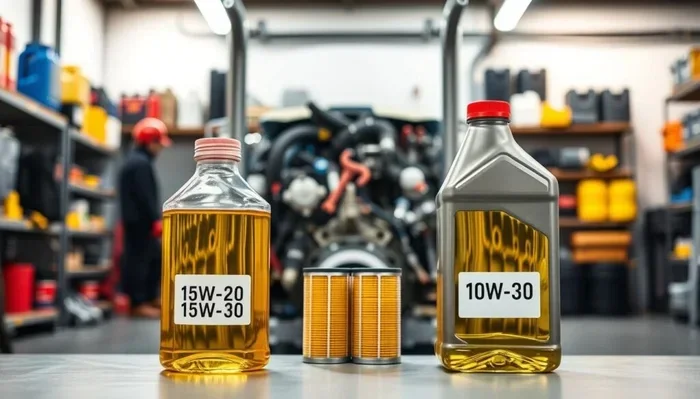
Can You Use 5W-20 Instead of 0W-20 Oil – Is It Safe
Using 5W-20 instead of 0W-20 oil is possible in many cases, but it depends on your vehicle, climate, and manufacturer recommendations. The key difference lies in cold-weather flow rates, where 0W-20 thins out faster at startup than 5W-20. This guide breaks down the risks, benefits, and safety factors so you can make the right choice for your engine.
You are standing in the auto parts store, staring at two nearly identical bottles of motor oil. One says 0W-20. The other says 5W-20. Your vehicle manual calls for 0W-20, but the 5W-20 is cheaper or easier to find. So you wonder, can you use 5W-20 instead of 0W-20? The short answer is yes, in most cases. But the full answer depends on a few important factors that every car owner should understand.
Motor oil viscosity is not just a random number on a bottle. It tells you how thick or thin the oil is at different temperatures. The “W” stands for winter, and the number before it measures how well the oil flows in cold conditions. The number after the dash tells you the oil’s thickness at operating temperature. So when you swap 0W-20 for 5W-20, you are changing how the oil behaves when your engine is cold. That small change can matter more than you think.
In this article, we will walk through everything you need to know about using 5W-20 instead of 0W-20. We will cover what the numbers mean, when the switch is safe, what risks are involved, and how to pick the right oil viscosity grade for your engine. Let us get into it.
Key Takeaways
- 5W-20 and 0W-20 are both multi-grade oils designed for different temperature ranges and engine needs.
- Switching from 0W-20 to 5W-20 is generally safe for most engines, especially in warmer climates.
- Always check your owner’s manual before changing oil weight, as manufacturers set specific requirements.
- Cold weather performance differs between the two grades, with 0W-20 offering better startup protection.
- Using the wrong oil can affect fuel economy and long-term engine health.
- Consult a trusted mechanic if you are unsure about which oil viscosity is best for your vehicle.
📑 Table of Contents
- What Do the Numbers on Motor Oil Mean?
- Can You Use 5W-20 Instead of 0W-20 Oil?
- What Happens If You Use the Wrong Oil Weight?
- When Is It Okay to Switch From 0W-20 to 5W-20?
- How to Choose the Right Oil for Your Engine
- Quick Tips for Oil Changes and Maintenance
- Expert Insights on Oil Viscosity Selection
- Common Mistakes to Avoid When Choosing Engine Oil
- Key Takeaways
- Conclusion
What Do the Numbers on Motor Oil Mean?
Every bottle of multi-grade oil has two numbers on it. Understanding these numbers is the first step to making a smart decision. The system is called the SAE viscosity grade, and it was created by the Society of Automotive Engineers. It gives drivers a quick way to compare how oils perform at different temperatures.
The First Number: Cold Weather Performance
The number before the “W” tells you how the oil flows in cold weather. A lower number means the oil stays thinner when temperatures drop. So 0W-20 flows faster at startup than 5W-20 in freezing conditions. This matters a lot during winter mornings when you turn your key and wait for the oil to reach all the moving parts inside your engine.
Here is a simple way to think about it. Imagine pouring honey versus pouring water. Honey is thick and slow. Water is thin and fast. Now imagine both are cold. The honey gets even thicker, right? The same thing happens to your oil in cold weather. A lower first number means the oil stays closer to water-like flow, even when it is freezing outside.
The Second Number: Operating Temperature Thickness
The number after the dash, in this case 20, tells you how thick the oil is when your engine is at full operating temperature. Both 0W-20 and 5W-20 share the same second number. This means they provide the same level of protection once your engine is warm. The difference only shows up during cold starts and the first few minutes of driving.
This is a key point many people miss. Oil temperature rating at operating level is the same for both grades. So your engine gets the same protection while you are driving on the highway or sitting in traffic on a warm day. The real question is about what happens during those critical first moments after startup.
Can You Use 5W-20 Instead of 0W-20 Oil?
The direct answer is yes, you can use 5W-20 instead of 0W-20 in most vehicles. Many car manufacturers approve this switch, especially for models sold in warmer regions. However, it is not a one-size-fits-all situation. Let us look at the details so you can decide with confidence.
Why People Make This Switch
There are several reasons drivers choose to use 5W-20 oil instead of 0W-20. The most common ones include:
- Availability: Your local store may not carry 0W-20, but 5W-20 is always in stock.
- Cost: 5W-20 is sometimes cheaper than 0W-20, especially in full synthetic form.
- Climate: If you live in a mild or warm climate, the cold-weather advantage of 0W-20 may not matter much.
- Older vehicles: Some higher-mileage engines benefit from slightly thicker oil at startup.
Each of these reasons is valid in its own way. But the right choice always comes back to your specific driving conditions and your vehicle’s needs.
What the Manufacturer Says
Your vehicle’s manufacturer recommendation is the most important guide. Car companies test their engines with specific oil weights to ensure the best performance, fuel economy, and engine protection. When you use a different grade, you are stepping away from that tested setup.
Most modern vehicles, especially those from Toyota, Honda, Ford, and other major brands, are designed to run on 0W-20. These engines have tight tolerances and are built for maximum fuel efficiency. Using 5W-20 in these engines may slightly reduce fuel economy because the oil is a bit thicker at cold startup.
That said, the difference is usually small. Most drivers will not notice a major change in performance. But if you are chasing every last mile per gallon, sticking with the recommended grade makes sense.
Is It Safe for Your Engine?
Using 5W-20 instead of 0W-20 is generally safe for short-term use or in emergency situations. If you are stranded and the only option available is 5W-20, go ahead and use it. Your engine will not be damaged by a one-time switch.
For long-term use, the safety depends on your driving environment and engine condition. Here are a few scenarios where the switch is considered safe:
- You live in a climate where temperatures rarely drop below freezing. The cold-flow advantage of 0W-20 is less important in warm or temperate regions.
- Your engine has higher mileage. Older engines sometimes benefit from a slightly thicker oil film at startup, which 5W-20 can provide.
- Your vehicle manual allows multiple viscosity grades. Some manufacturers list both 0W-20 and 5W-20 as acceptable options.
However, if your manual strictly requires 0W-20, it is best to follow that guidance. Engineers designed those engines with a specific oil flow rate in mind, and changing it could affect performance over time.
What Happens If You Use the Wrong Oil Weight?
Using the wrong oil viscosity is not the end of the world, but it is not something to ignore either. Let us look at what can go wrong and what to watch for.
Cold Start Issues
When you start your engine on a cold morning, the oil needs to travel quickly from the oil pump to every bearing and moving part. With 0W-20, this happens faster than with 5W-20. The thicker 5W-20 takes a bit longer to reach full flow, which means your engine runs with less lubrication for those first few seconds.
Those few seconds matter. Engine wear is highest during the first moments after startup, before the oil fully circulates. If you live in a cold climate and regularly use 5W-20 where 0W-20 is recommended, you may experience slightly more wear over thousands of miles.
Fuel Economy Differences
One of the reasons automakers recommend 0W-20 is fuel economy. Thinner oil creates less drag inside the engine, which means the engine does not have to work as hard. Switching to 5W-20 can reduce your gas mileage by a small amount, usually around 1% to 2%.
That might not sound like much, but over a year of driving, it can add up. If you are tracking fuel costs carefully, this is worth considering.
Oil Pressure and Pump Performance
Your oil pump works harder to push thicker oil through narrow passages. In most modern engines, this is not a problem. The pump is designed to handle a range of viscosities. But in older engines or engines with wear, the slightly thicker 5W-20 could lead to lower oil pressure at cold startup.
If you notice your oil pressure warning light flickering on cold mornings after switching to 5W-20, that is a sign to go back to the recommended grade or consult a mechanic.
Engine Wear Over Time
Long-term use of the wrong engine oil grade can contribute to increased wear. This is especially true for engines with tight internal tolerances. The oil film between moving parts may be slightly thinner or slower to form with 5W-20 compared to 0W-20 in cold conditions.
Over tens of thousands of miles, this small difference can add up. It is not something you will notice day to day, but it can affect the longevity of your engine.
When Is It Okay to Switch From 0W-20 to 5W-20?
Not all situations call for sticking rigidly to 0W-20. There are real-world cases where switching to 5W-20 oil makes perfect sense. Let us explore when the change is a good idea.
Warmer Climates
If you live in a region where winter temperatures rarely drop below 20°F, the cold-flow benefit of 0W-20 is minimal. In these conditions, 5W-20 instead of 0W-20 is a perfectly fine choice. The oil will still protect your engine during startup and throughout your drive.
Drivers in southern states, coastal areas, and desert climates often find that 5W-20 works just as well as 0W-20 year-round. The warmer ambient temperatures keep the oil flowing smoothly even with the slightly higher winter viscosity.
High-Mileage Vehicles
As engines accumulate miles, internal clearances can increase slightly due to wear. In these cases, a slightly thicker oil at startup can actually help fill those gaps and provide better protection. Many mechanics recommend moving from 0W-20 to 5W-20 for vehicles with over 100,000 miles on the odometer.
This is especially true for engines that burn a small amount of oil or have minor leaks. The thicker 5W-20 can help reduce oil consumption and provide a more robust film between worn components.
Emergency Situations
Sometimes you just need oil right now. Maybe you are on a road trip and the recommended grade is not available. Or maybe you just realized you are low and the nearest store only carries 5W-20. In these cases, using 5W-20 instead of 0W-20 is completely safe as a temporary measure.
Just make sure to switch back to the recommended grade at your next oil change. A one-time swap will not harm your engine, but making a habit of it is not ideal.
Vehicles With Flexible Oil Specifications
Some vehicles are designed to run on multiple oil grades. Check your owner’s manual or look under the hood for the oil fill cap, which often lists acceptable viscosity grades. If your manual says 0W-20 or 5W-20, you have the freedom to choose based on your driving conditions and preferences.
This flexibility is common in newer vehicles from brands like Ford, General Motors, and Stellantis. Always confirm with your specific model year and engine type before making a switch.
How to Choose the Right Oil for Your Engine
Choosing the right engine oil does not have to be confusing. Follow these steps to make the best decision for your vehicle and driving habits.
Step 1: Read Your Owner’s Manual
This is the single most important step. Your owner’s manual will tell you the recommended oil viscosity for your specific engine. It may also list acceptable alternatives. Do not skip this step, even if you think you already know the answer.
Step 2: Consider Your Climate
Where do you live? If you experience harsh winters with temperatures below 0°F, 0W-20 is the better choice. If you live in a mild or warm climate, 5W-20 will serve you well. Your local climate directly affects how your oil performs at startup.
Step 3: Think About Your Driving Style
Do you take short trips around town, or do you drive long distances on the highway? Short trips are harder on engines because the oil does not fully heat up. In these cases, faster oil flow at startup (which 0W-20 provides) can offer better protection.
Step 4: Choose Between Conventional, Synthetic Blend, and Full Synthetic
The base oil type also matters. Full synthetic oil offers the best protection and performance across a wide range of temperatures. Synthetic blends are a good middle ground. Conventional oil is the most affordable but may not perform as well in extreme conditions.
For most modern vehicles, full synthetic 0W-20 or 5W-20 is the best choice. It provides excellent engine protection, good fuel economy, and long drain intervals.
Step 5: Check for OEM Certifications
Look for certifications on the oil bottle, such as API SP, ILSAC GF-6, or specific OEM approvals like dexos1 or Ford WSS-M2C947-A. These certifications ensure the oil meets the performance standards set by your vehicle’s manufacturer.
Quick Tips for Oil Changes and Maintenance
Here are some practical tips to keep your engine running smoothly, no matter which oil weight you choose:
- Change your oil on schedule. Follow the intervals recommended by your manufacturer, whether that is every 5,000, 7,500, or 10,000 miles.
- Check your oil level regularly. A quick dipstick check once a month can catch low oil levels before they cause damage.
- Keep records of your oil changes. Write down the date, mileage, and oil type used. This helps you stay on track and adds value if you ever sell the vehicle.
- Do not mix oil types. Avoid mixing conventional and synthetic oils, or different viscosity grades, unless absolutely necessary.
- Replace your oil filter every time. A fresh filter ensures clean oil circulates through your engine from the very first mile.
- Watch for warning signs. If you notice unusual engine noise, low oil pressure, or dark dirty oil, address the issue promptly.
Expert Insights on Oil Viscosity Selection
We asked a few experienced automotive technicians about their thoughts on switching between 0W-20 and 5W-20. Here is what they had to say:
“In my experience, most drivers will not notice a difference between 0W-20 and 5W-20 in everyday driving. The switch is safe in most cases, but I always tell my customers to check the owner’s manual first. If the manual says 0W-20, stick with it unless you have a good reason not to.” Mark T., ASE Certified Mechanic
“Cold climate is the biggest factor. If you are dealing with harsh winters, 0W-20 is worth the extra effort to find. In warmer climates, 5W-20 is a perfectly fine alternative. I also see the switch benefit older engines with higher mileage where a slightly thicker oil can help compensate for wear.” Sarah L., Independent Shop Owner
“The biggest mistake I see is people using whatever oil is on sale without checking compatibility. Oil is one of the cheapest parts of car maintenance, and using the right one can save you thousands in engine repairs down the road.” David R., Master Technician
Common Mistakes to Avoid When Choosing Engine Oil
Avoiding these common pitfalls can save you time, money, and potential engine damage:
- Guessing the oil weight: Never assume any oil will work. Always verify the correct grade for your engine.
- Ignoring the owner’s manual: The manual is your best resource. It contains specific oil requirements for your engine.
- Switching oil weights frequently: Consistency is key. Stick with one viscosity grade for long-term engine health.
- Buying based on price alone: The cheapest oil is not always the best. Look for proper certifications and quality brands.
- Overlooking oil filter quality: A good oil filter is just as important as the oil itself. Choose a reputable brand.
Key Takeaways
- 5W-20 and 0W-20 are both multi-grade oils designed for different temperature ranges and engine needs.
- Switching from 0W-20 to 5W-20 is generally safe for most engines, especially in warmer climates.
- Always check your owner’s manual before changing oil weight, as manufacturers set specific requirements.
- Cold weather performance differs between the two grades, with 0W-20 offering better startup protection.
- Using the wrong oil can affect fuel economy and long-term engine health.
- Consult a trusted mechanic if you are unsure about which oil viscosity is best for your vehicle.
Conclusion
The question of whether you can use 5W-20 instead of 0W-20 does not have a simple yes or no answer. It depends on your vehicle, your climate, and your driving habits. For most drivers in moderate climates, the switch is safe and will not cause any noticeable problems. For those in cold regions or with newer, tightly built engines, sticking with the recommended 0W-20 is the smarter choice.
Always start with your owner’s manual. It contains the manufacturer’s specific recommendation for a reason. If your manual allows both grades, you have the flexibility to choose based on your needs. If it strictly requires 0W-20, respect that recommendation for the long-term health of your engine.
When in doubt, talk to a trusted mechanic. They can look at your specific vehicle, driving conditions, and engine health to give you personalized advice. The right motor oil viscosity is one of the simplest and most affordable ways to protect your engine for years to come. Take the time to make the right choice, and your car will thank you with reliable performance and a longer lifespan.
Oil compatibility matters more than most people realize. A small investment in the right oil today can prevent expensive repairs tomorrow. So the next time you are at the auto parts store, take a moment to check the label, read your manual, and make an informed decision. Your engine deserves nothing less.
Frequently Asked Questions
What is the main difference between 5W-20 and 0W-20?
The main difference is how each oil flows in cold weather. The 0W-20 thins out faster at low temperatures, providing quicker lubrication during cold starts. The 5W-20 is slightly thicker in cold conditions but performs the same once the engine reaches operating temperature. Both oils share the same viscosity at full operating heat.
Can I use 5W-20 instead of 0W-20 in my Toyota?
Most modern Toyota vehicles are designed for 0W-20 oil. However, some models and engine types may accept 5W-20 as an alternative. Check your Toyota owner’s manual or look at the oil fill cap for the recommended viscosity. When in doubt, consult a Toyota dealer or certified mechanic for guidance specific to your model.
Will using 5W-20 instead of 0W-20 void my warranty?
Using 5W-20 instead of the recommended 0W-20 may not automatically void your warranty, but it could cause issues if the wrong oil leads to engine damage. Always follow the manufacturer’s recommendation. If your owner’s manual lists 5W-20 as an acceptable alternative, you are in the clear.
Is 5W-20 or 0W-20 better for cold weather?
0W-20 is better for cold weather because it flows more quickly at low temperatures. This means faster oil circulation during startup, which reduces engine wear on cold mornings. If you live in a region with harsh winters, 0W-20 is the safer choice for your engine’s long-term health.
How often should I change my oil if I use 5W-20?
Oil change intervals depend on your vehicle, driving conditions, and the type of oil you use. Most modern vehicles using full synthetic 5W-20 can go 7,500 to 10,000 miles between changes. Always refer to your owner’s manual for the manufacturer’s recommended schedule. Severe driving conditions may require more frequent changes.
Can mixing 0W-20 and 5W-20 damage my engine?
Mixing 0W-20 and 5W-20 occasionally will not cause immediate damage. Both are multi-grade oils with the same operating temperature viscosity. However, it is best to stick with one grade consistently for optimal engine protection. If you accidentally mix them, do not panic, but aim to use the correct grade at your next oil change.