How Can I Get a Replacement Title for My Car Quickly
Losing your car title can feel stressful, but getting a replacement title is simpler than you think. This guide walks you through every step — from understanding what a duplicate title is to filing your DMV title application online or in person. You will learn about replacement title cost, required documents, processing times, and how to avoid common mistakes that delay the process.
Losing your car title can feel like a small disaster. You need it to sell your vehicle, register it in a new state, or prove ownership during an inspection. The good news? Getting a replacement title is much easier than most people think. Whether your title was lost, stolen, damaged, or never arrived, you have clear paths to get a new one. This guide breaks down everything you need to know about the car title replacement process in simple, practical terms.
Many car owners put off dealing with a missing title because they assume it will be complicated. But the truth is, every state has a well-established system for issuing duplicate titles. You do not need to be a paperwork expert to handle this. With the right information and a bit of patience, you can have your certificate of title back in your hands within weeks. Let us walk through the entire process together.
Key Takeaways
- Easy Process: Getting a replacement title is straightforward and available in every state.
- Multiple Options: You can apply online, by mail, or in person at your local DMV.
- Low Cost: Replacement title fees are generally affordable, ranging from $10 to $30 in most states.
- Fast Processing: Standard processing takes 2-6 weeks, but expedited services can speed things up.
- Required Documents: You will need ID, VIN details, and lienholder information if applicable.
- Avoid Delays: Common mistakes like incomplete forms are the top reason for delays.
📑 Table of Contents
- What Is a Replacement Title and Why Do You Need One?
- Step-by-Step Guide to Getting Your Replacement Title
- Common Problems and How to Avoid Them
- Special Situations: When a Standard Replacement Won’t Work
- Tips to Speed Up the Replacement Title Process
- How Much Does a Replacement Title Really Cost?
- Frequently Asked Questions About Replacement Titles
- Final Thoughts on Getting Your Replacement Title
What Is a Replacement Title and Why Do You Need One?
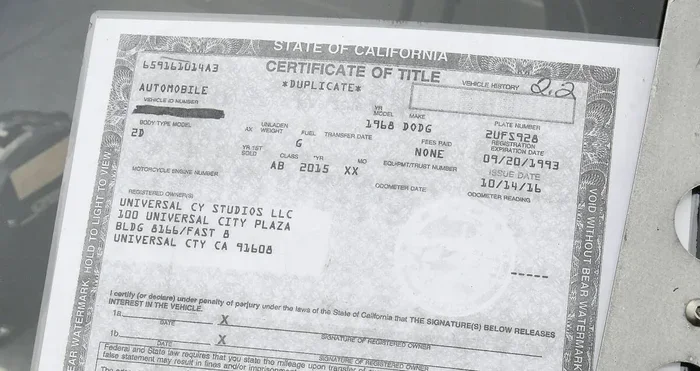
A replacement title is a brand-new certificate of title issued by your state’s Department of Motor Vehicles (DMV). It proves you are the legal owner of your vehicle. Think of it as the official proof of car ownership that the government recognizes. Without it, you cannot easily transfer ownership, register your car, or handle certain legal matters.
There are several situations where you might need a duplicate title:
- Lost Title: You misplaced the physical document at home or while traveling.
- Stolen Title: The title was taken, and you need a fresh one for security.
- Damaged Title: The paper is torn, faded, or otherwise unreadable.
- Never Received Title: You bought the car but the previous owner never sent the title.
- Name Change: You changed your name and need the title updated to match.
No matter the reason, the process to get a replacement title follows a similar path in every state. The key is knowing what documents you need and how to submit your DMV title application correctly.
Step-by-Step Guide to Getting Your Replacement Title
Step 1: Gather Your Required Documents
Before you fill out any forms, collect everything you will need. Having all documents ready saves time and prevents frustrating trips back and forth. Here is what most states require:
- Valid Photo ID: A driver’s license or state-issued identification card.
- Vehicle Identification Number (VIN): You can find this on your dashboard or driver’s side door jamb.
- License Plate Number: Your current plate number helps the DMV locate your vehicle record.
- Odometer Reading: Many states require the current mileage of the vehicle.
- Lienholder Information: If you still owe money on the car, you need the lender’s details.
- Proof of Insurance: Some states ask for active insurance documentation.
If your vehicle has a title lien, meaning a lender holds the title until the loan is paid off, you may need a lien release letter from the lender. This is one of the most common reasons applications get delayed. Call your lender ahead of time to request this document.
Step 2: Complete the Title Application Form
Every state provides a title application form for requesting a replacement. The form is usually called something like “Application for Duplicate Title” or “Request for Replacement Certificate.” You can typically find this form on your state DMV’s website.
Here are some tips to fill out the form correctly:
- Use black ink only — some DMVs reject pencil or colored ink.
- Print clearly and avoid cursive writing.
- Double-check your name, address, and VIN for accuracy.
- Sign the form in front of a notary if your state requires it.
- Do not leave any fields blank — write “N/A” for optional sections.
Filling out the form carefully is one of the easiest ways to avoid delays. A single mistake can send your car paperwork back to the bottom of the pile.
Step 3: Pay the Replacement Title Fee
Every state charges a replacement title cost. The fee varies depending on where you live, but it is generally quite affordable. Most states charge between $10 and $30 for a standard replacement. Some states charge slightly more for expedited processing.
Here is a general idea of what to expect:
- Standard Fee Range: $10 to $30 in most states.
- Expedited Fee: An additional $20 to $50 on top of the base fee.
- Bonded Title Fee: May be higher if your situation requires a bonded title.
Payment methods vary by state. Many DMVs accept credit cards, debit cards, cashier’s checks, and money orders. Some states now allow online payment, which makes the process even smoother.
Step 4: Submit Your Application
You have three main ways to submit your DMV title application:
Option A: Online Submission
Many states now offer online portals for title replacement requests. This is the fastest and most convenient method. You upload your documents, pay the fee electronically, and receive your new title by mail. Not all states support online applications yet, so check your state DMV website first.
Option B: By Mail
You can mail your completed application, documents, and payment to your state DMV. This method is reliable but slower. Processing times for mail-in requests are typically 4 to 8 weeks. Always use certified mail with tracking so you can confirm delivery.
Option C: In Person at the DMV
Visiting your local DMV office gives you the fastest in-person service. You can submit everything on the spot and sometimes receive a temporary paper title immediately. The downside is waiting in line, which can take hours during peak times.
Step 5: Wait for Processing and Receive Your New Title
After submission, your application enters the processing queue. Standard processing times vary:
- Online Applications: Typically 2 to 4 weeks.
- Mail-In Applications: Usually 4 to 8 weeks.
- In-Person Applications: Often 2 to 6 weeks, but you may get a temporary title right away.
If you need your title faster, look into expedited title service through your state DMV. This costs extra but can cut processing time significantly. Some private services also offer expedited help for a fee, though you should always verify their legitimacy first.
Common Problems and How to Avoid Them
Missing Lienholder Information
The most common reason for a rejected DMV title application is missing or incorrect lienholder information. If you have an outstanding auto loan, the lender must be listed correctly on the application. Contact your lender to confirm their exact legal name and address before you submit.
Name Mismatch Issues
If your name on the application does not match your DMV records exactly, your request will likely be denied. This happens often after marriage, divorce, or other legal name changes. Bring a court order or marriage certificate to resolve this issue.
VIN Discrepancies
Your Vehicle Identification Number must match the DMV’s database exactly. Even a single wrong digit can cause a rejection. Always double-check the VIN before submitting any documents.
Outstanding Tickets or Fees
Some states will not process a title replacement if you have unpaid parking tickets or registration fees. Clear any outstanding debts before applying to avoid a frustrating hold on your request.
Special Situations: When a Standard Replacement Won’t Work
Bonded Titles
In some cases, you may need a bonded title instead of a standard replacement. This applies when you cannot prove ownership through a traditional title. For example, if you bought a vehicle years ago and the seller never transferred the title, a bonded title may be your best option.
A bonded title requires you to purchase a surety bond, typically ranging from $100 to $500 depending on your state and the vehicle’s value. This bond protects the state in case someone else claims ownership. After a set period (usually 3 to 5 years), the bond is released and you can apply for a standard title.
Titles for Vehicles Without a VIN
If your vehicle does not have a visible VIN — perhaps because it is a classic car or was previously unregistered — you may need a VIN inspection. A licensed inspector will verify the VIN and provide documentation that you can submit with your car title replacement application.
Out-of-State Titles
If you recently moved to a new state, you may need to transfer your title in addition to getting a replacement. The process involves both your old state and your new state DMV. Start with your new state’s requirements, as they will guide you through the full process.
Tips to Speed Up the Replacement Title Process
Nobody wants to wait weeks for a replacement title. Here are practical tips to get things moving faster:
- Apply Online If Available: Online applications skip the mailing time and are processed faster.
- Double-Check Everything: Review your application twice before submitting. Fixing mistakes takes extra time.
- Pay with Electronic Methods: Online payments process instantly, while checks can cause delays.
- Apply Early in the Month: DMV offices tend to be busiest at the end of the month. Going early can mean shorter wait times.
- Keep Copies of Everything: Save copies of every document you submit. If anything gets lost, you can quickly resubmit.
- Call Ahead: A quick phone call to your local DMV can confirm exactly what you need before you visit.
These small steps can save you days or even weeks of waiting. The extra effort is well worth the faster result.
How Much Does a Replacement Title Really Cost?
The replacement title cost is one of the most common questions people ask. The answer depends on your state and the type of replacement you need. Here is a general breakdown:
- Standard Replacement: $10 to $30 in most states.
- Expedited Processing: Adds $20 to $50 to the base fee.
- Bonded Title: $100 to $500 for the surety bond, plus standard fees.
- Late Fees: Some states charge extra if your old title was not reported lost within a certain timeframe.
Always check your state DMV website for the most current fee schedule. Fees change periodically, and you do not want to be caught off guard.
Frequently Asked Questions About Replacement Titles
How long does it take to get a replacement title?
Standard processing times range from 2 to 8 weeks depending on your state and application method. Online applications are typically the fastest, while mail-in requests take the longest. Expedited services can reduce this to 1 to 3 weeks in many states.
Can I get a replacement title if I still owe money on my car?
Yes, but you will need a lien release letter from your lender. The lender must sign off on the title transfer before the DMV can issue a new one. Contact your lender early to request this document, as it can take time to process.
Is getting a replacement title the same as a title transfer?
No, they are different processes. A replacement title is for the same owner who lost their original document. A title transfer happens when ownership changes, such as when you buy or sell a vehicle. You may need both if you are selling a car and the title is lost.
What if my old title turns up after I applied for a replacement?
You should destroy the old title once your replacement is issued. Most states consider the original void once a replacement is granted. If you still have the old one, mark it as void and dispose of it securely.
Can I apply for a replacement title online in every state?
Not yet. Many states now offer online applications, but some still require in-person or mail-in submissions. Check your state DMV website to see which options are available in your area.
Do I need a notary for my replacement title application?
Some states require notarization, especially if you are applying by mail. Others do not. Check your state’s specific requirements before submitting to avoid having your application returned.
Final Thoughts on Getting Your Replacement Title
Getting a replacement title for your car does not have to be a headache. With the right documents, a completed application, and a clear understanding of the process, you can navigate the system with confidence. Whether you choose to apply online, by mail, or in person, the key is to be prepared and patient.
Start by gathering your documents, double-checking every detail, and submitting your application through the most convenient method available. Keep copies of everything you send, and follow up if you do not receive your title within the expected timeframe. Remember, every state has its own rules, so always check your local DMV website for the most accurate, up-to-date information.
The process might feel overwhelming at first, but thousands of car owners handle this every single day. Once you complete your first car title replacement, you will see how manageable it really is. Do not let a missing title hold you back from selling your car, moving to a new state, or simply having peace of mind. Take action today, and you will have your duplicate title in hand before you know it.
Your vehicle is one of your most valuable assets, and your title is the proof of that ownership. Treat the replacement process with the attention it deserves, and you will come out the other side with a clean, valid certificate of title that serves you for years to come.