Effective Ways to Remove Acid Rain From Car Glass Safely
Acid rain can seriously damage your car glass if left untreated. This guide shows you how to remove acid rain from car glass safely using simple household items and professional-grade products. You will learn step-by-step techniques, prevention tips, and when to call a pro for help.
Driving home after a rainstorm, you notice your car glass looks cloudy, streaky, or even etched. That dull film is not just dirt. It is acid rain doing damage. Removing acid rain from car glass is something every car owner should know how to do. Whether you live in a rainy coastal area or a city with heavy pollution, acid rain can harm your vehicle’s exterior. The good news is that you can fix this problem at home with the right tools and a little patience.
Acid rain forms when pollutants like sulfur dioxide and nitrogen oxide mix with moisture in the atmosphere. When this acidic water lands on your car, it leaves behind mineral deposits and can even eat through your clear coat. Over time, these acid rain stains become harder to remove. The key is to act quickly and use safe, effective methods. In this article, we will walk you through everything you need to know about how to remove acid rain from car glass without causing further harm.
We will cover what acid rain actually does to your car, how to spot the damage early, and the best step-by-step removal techniques. You will also learn about prevention strategies and when it is time to visit a professional. Let us dive in and save your car glass from permanent damage.
Key Takeaways
- Act fast: The longer acid rain sits on your car glass, the harder it is to remove.
- Use gentle methods first: Start with distilled water and mild soap before trying stronger solutions.
- Avoid harsh chemicals: Many household cleaners can strip your car’s protective coatings.
- Prevention is key: Regular waxing and ceramic coating help shield your glass from future damage.
- Know when to call a pro: Deep acid rain etching may require professional paint correction or glass replacement.
- Dry your car properly: Always use a soft microfiber cloth to prevent water spot buildup.
- Stay consistent: Regular car detailing keeps acid rain damage at bay and preserves your vehicle’s finish.
📑 Table of Contents
- What Is Acid Rain and How Does It Damage Car Glass?
- Signs Your Car Glass Has Been Affected by Acid Rain
- How to Remove Acid Rain From Car Glass: Step-by-Step
- Best Products and Tools for Acid Rain Removal
- Preventing Acid Rain Damage on Your Car
- When to Seek Professional Help for Acid Rain Damage
- Common Mistakes to Avoid When Dealing With Acid Rain Damage
- Expert Insights on Acid Rain and Car Care
- Key Takeaways
- Conclusion
What Is Acid Rain and How Does It Damage Car Glass?
Many people think acid rain is just regular rain with a slightly acidic pH. In reality, it is much more than that. Acid rain contains sulfuric and nitric acids that form when industrial emissions and vehicle exhaust react with water vapor in the air. When this contaminated moisture settles on your car, it begins to interact with the surface immediately.
Your car’s exterior has a clear coat layer that protects the paint underneath. Acid rain slowly breaks down this protective barrier. On glass surfaces, it leaves behind mineral deposits that create those frustrating white spots. These water spots on car glass are not just cosmetic. If left untreated, they can cause permanent etching that no amount of wiping can fix.
The Science Behind Acid Rain Damage
When acidic rainwater evaporates on your car glass, it leaves concentrated minerals behind. The longer the water sits, the deeper these minerals penetrate the surface. This process is called etching. Unlike simple dirt or grime, acid rain damage bonds with the glass and paint at a molecular level. That is why regular washing alone often does not solve the problem.
Cars parked outdoors are the most vulnerable. Trees, power lines, and industrial areas all contribute to the pollutants that create acid rain. Even brief exposure during a parking session can start the damage process. This is why understanding car exterior cleaning and automotive glass care is so important for every vehicle owner.
Signs Your Car Glass Has Been Affected by Acid Rain
Catching acid rain damage early makes removal much easier. Here are the most common signs that your car glass has been affected:
- White or cloudy spots: These are mineral deposits left behind after acidic water evaporates. They look like tiny frost patterns on your glass.
- Hazy or dull appearance: Your glass may look foggy even after a normal car wash. This haze comes from acid rain residue bonded to the surface.
- Rough texture: Run your finger over the glass. If it feels gritty or rough, mineral deposits have built up and need attention.
- Etched or pit marks: In severe cases, you will see tiny pits or grooves in the glass. This indicates deep acid rain etching that requires professional treatment.
- Reduced visibility: Streaks and spots can scatter light, making driving at night or in rain more dangerous.
If you notice any of these signs, do not wait. The longer acid rain damage sits on your glass, the more difficult and expensive it becomes to fix. Regular car detailing can help you catch these issues before they worsen.
How to Remove Acid Rain From Car Glass: Step-by-Step
Now for the part you have been waiting for. Here is a detailed guide on how to safely remove acid rain from car glass at home. Follow these steps in order for the best results.
Step 1: Rinse the Glass Thoroughly
Start by rinsing the affected glass with clean water. This removes loose dirt and prevents scratching during the cleaning process. Use a gentle stream of water and make sure you cover the entire affected area. Do not use high-pressure washers directly on the glass, as they can push contaminants deeper into the surface.
Step 2: Prepare a Mild Cleaning Solution
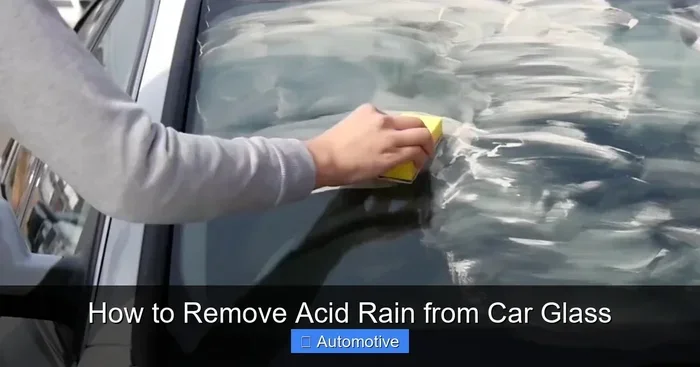
Mix a few drops of mild car wash soap with warm distilled water. Avoid hot water, as it can cause the mineral deposits to bond more tightly. Use a soft microfiber cloth or a dedicated glass cleaning pad to apply the solution gently in circular motions.
Step 3: Apply a Vinegar Solution for Stubborn Spots
For those stubborn water spots that refuse to budge, a diluted white vinegar solution works wonders. Mix equal parts distilled water and white vinegar in a spray bottle. Spray the solution onto the affected area and let it sit for about three to five minutes. The mild acidity in vinegar helps dissolve the mineral deposits without harming your glass.
After letting it sit, gently wipe the area with a clean microfiber cloth. You should see the white spots starting to fade. Repeat if necessary, but do not let the vinegar solution dry on the glass.
Step 4: Use a Clay Bar for Deep Deposits
If the vinegar solution does not fully remove the damage, a clay bar treatment is your next best option. Clay bars are designed to lift contaminants from the surface of glass and paint without scratching. Spray a clay lubricant onto the glass and gently glide the clay bar across the surface in straight lines. This method is especially effective for mineral deposits that have bonded deeply to the glass.
Step 5: Polish and Protect the Glass
Once the spots are removed, your glass may still look slightly dull. Use a non-abrasive glass polish to restore clarity. Apply a small amount to a clean microfiber cloth and buff the glass in gentle, overlapping circles. After polishing, apply a rain repellent or glass sealant to create a protective barrier against future acid rain exposure.
Quick Tips for Best Results
- Always work in a shaded area to prevent cleaning solutions from drying too quickly.
- Use only distilled water for mixing solutions. Tap water contains minerals that can cause new spots.
- Never use paper towels or rough cloths on acid-damaged glass. They can cause micro-scratches.
- Be patient. Deep acid rain etching may require multiple treatment sessions.
- Wear gloves to protect your hands from acidic solutions.
Best Products and Tools for Acid Rain Removal
Using the right products makes a huge difference when you are trying to remove acid rain from car glass. Here are some of the best options available on the market:
Top Recommended Products
- Ceramic coating: A high-quality ceramic coating creates a permanent protective layer on your glass. It repels water and prevents acid rain minerals from bonding to the surface. This is one of the best long-term solutions for car paint protection and glass care.
- Glass cleaner concentrates: Products like Rain-X and Invisible Glass are formulated specifically to cut through mineral deposits and acid rain residue.
- Clay bar kits: Brands like Meguiar’s and Mothers offer excellent clay bar kits that safely lift embedded contaminants from glass.
- Paint sealants: A quality paint sealant adds an extra layer of defense against acid rain. Look for sealants with UV protection for added benefits.
- Distilled water: This is essential for mixing cleaning solutions and for final rinsing. Tap water will only add more minerals to the problem.
Comparison: Home Remedies vs. Professional Products
| Method | Cost | Effectiveness | Best For |
|---|---|---|---|
| Vinegar solution | Low | Light to moderate spots | Quick DIY fixes at home |
| Baking soda paste | Low | Moderate surface deposits | Gentle buffing of light haze |
| Clay bar treatment | Medium | Deep mineral deposits | Stubborn spots that vinegar cannot remove |
| Glass polish | Medium | Moderate to heavy haze | Restoring clarity after spot removal |
| Professional detailing | High | Severe etching and deep damage | Permanent damage that DIY cannot fix |
While home remedies work well for minor acid rain damage, severe cases may require professional-grade products or services. Investing in a good ceramic coating or paint sealant can save you time and money in the long run by preventing future damage.
Preventing Acid Rain Damage on Your Car
Prevention is always better than cure. Once you have successfully removed acid rain from your car glass, you will want to keep it from coming back. Here are the best prevention strategies:
Park Your Car in a Garage or Under Cover
The simplest way to prevent acid rain damage is to park your car indoors whenever possible. A garage or carport shields your vehicle from rain, bird droppings, tree sap, and other environmental contaminants. If you do not have access to covered parking, consider using a high-quality car cover.
Apply a Protective Wax or Sealant Regularly
A good layer of protective wax or paint sealant acts as a shield between your car’s surface and acidic moisture. Wax creates a hydrophobic barrier that causes water to bead up and roll off, taking contaminants with it. Apply wax every two to three months for consistent protection.
Use a Rain Repellent on Your Glass
Rain repellent products create an invisible hydrophobic coating on your glass. Water beads up and slides off instead of sitting on the surface and leaving mineral deposits. These products are easy to apply and last for several weeks. They are a great addition to your car detailing routine.
Wash Your Car Frequently
Regular washing removes acid rain residue before it has time to bond with the surface. Aim to wash your car at least once a week if you live in an area prone to acid rain. Always dry your car thoroughly with a soft microfiber cloth to prevent water spot buildup.
Apply a Ceramic Coating for Long-Term Protection
If you want the most durable protection available, consider applying a ceramic coating to your entire vehicle. Ceramic coatings bond chemically with your car’s paint and glass, creating a semi-permanent barrier against acid rain, UV rays, and environmental contaminants. While the initial cost is higher, the long-term benefits are well worth the investment.
When to Seek Professional Help for Acid Rain Damage
Not all acid rain damage can be fixed at home. If you have tried the methods described above and your glass still looks cloudy or etched, it is time to consult a professional. Here are situations where professional help is necessary:
- Deep etching: When acid rain has penetrated beyond the surface and created visible pits in the glass.
- Widespread damage: If more than 30% of your car’s glass or paint shows acid rain damage, a full professional detailing session is recommended.
- Clear coat damage: Acid rain can damage the clear coat on your paint, not just the glass. Professional paint correction may be needed to restore the finish.
- Safety concerns: If your visibility is compromised due to acid rain damage, do not wait. Get professional help immediately.
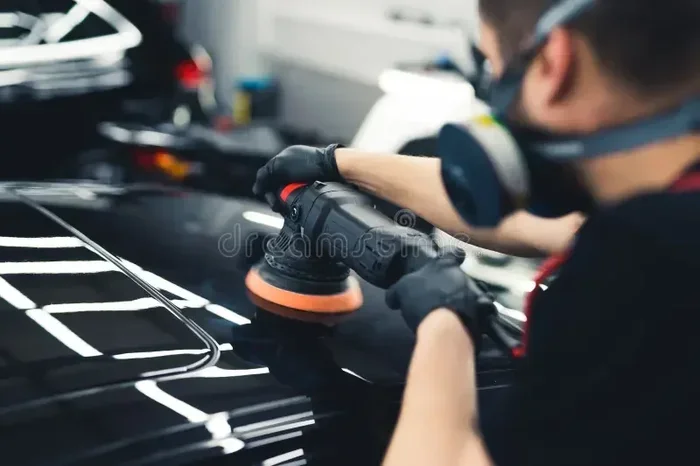
Professional detailers have access to industrial-grade glass cleaner products and machine polishing tools that can address damage beyond what home remedies can achieve. They can also apply professional ceramic coatings that offer superior long-term protection.
Common Mistakes to Avoid When Dealing With Acid Rain Damage
When trying to fix acid rain damage, many car owners make mistakes that actually make the problem worse. Here are the most common errors to avoid:
- Using abrasive cleaners: Harsh chemical cleaners and abrasive scrubbers can strip your car’s protective coatings and scratch the glass surface.
- Letting cleaning solutions dry on the glass: This leaves new mineral deposits and can create additional spots.
- Ignoring early warning signs: If you notice the first signs of haze or spots, address them immediately. Waiting only makes the damage worse.
- Using tap water for rinsing: Tap water contains minerals that contribute to the very problem you are trying to solve.
- Skipping the drying step: Always dry your car completely after washing. Air drying leaves behind water spots that mimic acid rain damage.
- Overusing vinegar or lemon juice: While these are effective for light spots, overuse can dull the glass finish over time.
Avoiding these mistakes will help you achieve the best results and protect your car from further damage. Remember, gentle and consistent care is always better than aggressive quick fixes.
Expert Insights on Acid Rain and Car Care
Professional detailers and automotive experts agree that acid rain damage is one of the most common yet preventable issues car owners face. According to industry leaders in car detailing, the key is a proactive approach. Rather than waiting for damage to appear, build a regular maintenance routine that includes protective coatings and frequent washing.
Many experts also recommend applying a paint protection film to high-exposure areas of your vehicle. This clear, durable film acts as a physical barrier against acid rain, UV rays, road debris, and other environmental hazards. While it requires an upfront investment, it can save thousands of dollars in paint correction and glass replacement costs over the life of your vehicle.
Another tip from the pros is to always keep a microfiber drying towel in your car. After any unexpected rain exposure, quickly drying your glass and paint can prevent acid rain minerals from setting in. This simple habit can make a significant difference in maintaining your car’s appearance over the years.
Key Takeaways
- Act fast: The longer acid rain sits on your car glass, the harder it is to remove.
- Use gentle methods first: Start with distilled water and mild soap before trying stronger solutions.
- Avoid harsh chemicals: Many household cleaners can strip your car’s protective coatings.
- Prevention is key: Regular waxing and ceramic coating help shield your glass from future damage.
- Know when to call a pro: Deep acid rain etching may require professional paint correction or glass replacement.
- Dry your car properly: Always use a soft microfiber cloth to prevent water spot buildup.
- Stay consistent: Regular car detailing keeps acid rain damage at bay and preserves your vehicle’s finish.
Conclusion
Removing acid rain from car glass is a manageable task when you know the right approach. Whether you are dealing with light mineral deposits or deeper etching, the methods outlined in this guide give you a solid starting point. Start with the gentlest cleaning methods and work your way up to more aggressive treatments only if needed. Always prioritize the safety of your car’s surface by using soft cloths, distilled water, and pH-neutral products.
Prevention plays an equally important role. Regular washing, protective waxing, ceramic coatings, and proper parking habits can dramatically reduce your risk of acid rain damage. Think of these steps as an investment in your vehicle’s long-term appearance and resale value. A little effort today saves you from costly repairs tomorrow.
If the damage has already progressed beyond what home treatments can handle, do not hesitate to seek professional help. A skilled detailer or automotive shop can assess the extent of the damage and recommend the best course of action. Whether you choose a DIY approach or professional service, the most important thing is to take action now. Your car glass and paint will thank you for it.
Keep your car clean, keep it protected, and enjoy driving in any weather. With the right knowledge and routine, you can keep your vehicle looking its best no matter what the skies throw your way.