How Can I Tell If My Transmission Fluid Is Low Today
Knowing how can I tell if my transmission fluid is low is one of the most important skills every car owner should have. Low transmission fluid causes slipping gears, strange noises, and overheating that can lead to expensive repairs. This guide walks you through the most reliable symptoms, simple dipstick checks, and warning signs so you can catch the problem early and protect your vehicle.
Your car’s transmission is one of the hardest-working parts under the hood. It shifts gears smoothly so you can accelerate, cruise, and climb hills without thinking twice. But here is the thing — the transmission relies on fluid to do its job. When that fluid drops too low, everything starts to go wrong. So how can I tell if my transmission fluid is low? The good news is your vehicle gives you plenty of warning signs. You just need to know what to look for.
Low transmission fluid is more common than most people think. It can happen slowly over time or all at once from a leak. Either way, ignoring it is a mistake. This guide will show you every sign, every check, and every tip you need to spot the problem early. Let us get into it.
Key Takeaways
- Check the Dipstick Regularly: The transmission fluid dipstick is the easiest way to measure your fluid level at home.
- Watch for Slipping Gears: If your transmission slips or hesitates, low fluid is often the culprit.
- Fluid Color Matters: Healthy fluid is bright red; dark or burnt-smelling fluid signals a problem.
- Look for Leaks: Puddles under your car can indicate a transmission fluid leak that needs immediate attention.
- Don’t Ignore Warning Lights: The check engine light and transmission warning light are your car’s way of asking for help.
- Act Fast: Driving with low transmission fluid can cause serious and costly damage to your gearbox.
📑 Table of Contents
- What Does Transmission Fluid Do?
- How Can I Tell If My Transmission Fluid Is Low?
- How to Check Your Transmission Fluid Level
- Common Causes of Low Transmission Fluid
- What Happens If You Drive with Low Transmission Fluid?
- How Often Should You Check and Change Transmission Fluid?
- Quick Tips to Prevent Low Transmission Fluid
- Expert Insight: When to See a Professional
- Conclusion
What Does Transmission Fluid Do?
Before we dive into the signs, it helps to understand what transmission fluid actually does. Think of it as the lifeblood of your gearbox. It lubricates all the moving parts inside the transmission. It keeps things cool. And it creates the hydraulic pressure needed to shift gears smoothly.
Without enough fluid, metal parts grind against each other. Heat builds up. Gears start to slip. Over time, this leads to major damage that can cost thousands to fix. That is why checking your transmission fluid level regularly is so important. It takes just a few minutes and can save you a lot of money.
Automatic vs. Manual Transmission Fluid
Not all gearbox fluids are the same. Automatic transmission fluid (ATF) is designed for cars with automatic gearboxes. It acts as both a lubricant and a hydraulic fluid. Manual transmission fluid is different. Manual cars often use gear oil or even regular motor oil instead of ATF.
Knowing which type your car uses matters. Using the wrong fluid can cause shifting problems and internal damage. Check your owner’s manual to find the right type. If you are unsure, ask a mechanic. It is a small step that makes a big difference.
How Can I Tell If My Transmission Fluid Is Low?
Now let us get to the heart of the matter. There are several clear signs that your transmission fluid is running low. Some are easy to spot. Others need a closer look. Here are the most common symptoms to watch for.
Slipping Gears
This is one of the most noticeable signs. If your car suddenly slips out of gear or feels like it is changing gears on its own, low fluid could be the reason. The transmission needs enough hydraulic pressure to hold gears in place. When fluid drops, that pressure drops too.
You might feel the RPMs spike without the car accelerating. Or the car might feel like it is in neutral when you are in drive. These are red flags. Do not ignore them.
Delayed Gear Engagement
When you shift from park to drive or reverse, there should be a brief pause. But if you notice a long delay — like a two- or three-second wait — your fluid level might be low. The transmission needs fluid to engage the clutch packs and bands inside.
Delayed engagement is especially common when the fluid is low and old. If you notice this happening, check your transmission fluid dipstick right away. The sooner you catch it, the easier the fix.
Strange Noises
A healthy transmission is quiet. So when you start hearing grinding, whining, or clunking sounds, something is wrong. Low fluid means metal parts are touching metal. That creates noise.
You might hear a buzzing or humming sound that gets louder as you speed up. Or you might notice a whining noise when the car is in neutral. Any unusual sound from the transmission area deserves a closer look.
Burning Smell
If you smell something burning coming from under your car, do not drive any further. Overheating transmission fluid gives off a distinct burnt odor. This happens when the fluid level drops too low and the remaining fluid starts to break down from heat.
Burnt fluid loses its lubricating properties fast. It also turns dark brown or black. If you notice this smell, pull over safely and check your fluid level. Continuing to drive in this condition can destroy your transmission.
Transmission Warning Light
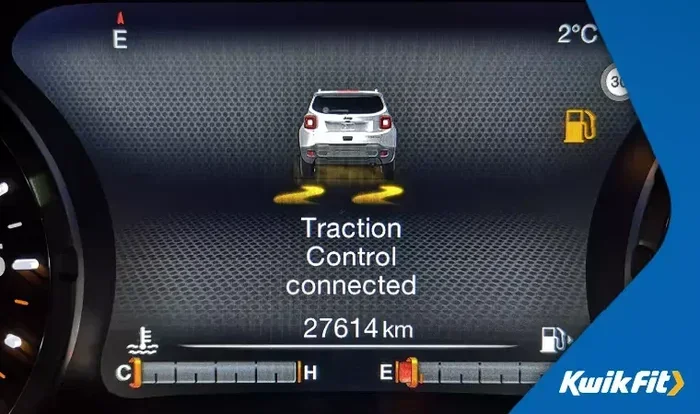
Modern cars have dashboard warning lights for a reason. If your transmission warning light comes on, take it seriously. Some cars show a check engine light instead. Others display a specific transmission icon.
The light might come on because of low fluid, but it could also signal other problems. Either way, you should get it checked. Use an OBD2 scanner or visit a mechanic to read the error codes. This will help you pinpoint the exact issue.
Leaking Fluid Under the Car
One of the most obvious signs is a puddle of fluid under your parked car. Transmission fluid is usually red or pink when new. It turns darker brown as it ages. If you see a slick, oily puddle in that color range, you likely have a transmission fluid leak.
Common leak points include the transmission pan gasket, the input shaft seal, and the output shaft seal. Even a small leak can drain fluid over time. Check under your car regularly, especially after parking overnight.
Hard Shifting
Smooth shifts should feel seamless. If your car jerks or lurches when changing gears, the fluid level might be to blame. Hard shifting happens when there is not enough hydraulic pressure to transition between gears smoothly.
This symptom is common in both automatic and manual transmissions. In manual cars, you might find it hard to shift into certain gears. In automatics, the shifts might feel harsh or abrupt. Either way, low fluid is a likely cause.
How to Check Your Transmission Fluid Level
Now that you know the signs, let us talk about how to actually check the fluid. Checking your transmission fluid level is something you can do at home with just a few tools.
Step-by-Step Dipstick Check
Here is how to check your fluid using the dipstick:
- Park on a level surface. Make sure the car is on flat ground for an accurate reading.
- Start the engine and let it warm up. Most manufacturers recommend checking ATF with the engine running and warm.
- Shift through all gears. Move from park to reverse to drive and back. This cycles the fluid.
- Leave the engine running and shift to park.
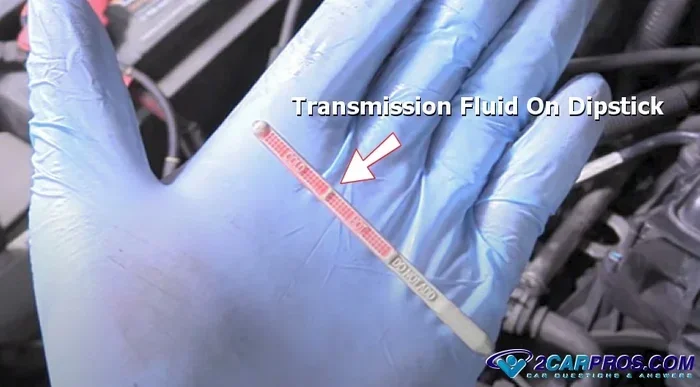
- Locate the transmission dipstick. It usually has a red or yellow handle. It is often near the oil dipstick but slightly to the back.
- Pull the dipstick out, wipe it clean, then reinsert it fully.
- Pull it out again and read the level. Look for the “full” and “low” marks on the stick.
- Check the fluid color and smell. Healthy fluid is translucent red. Dark or burnt-smelling fluid needs replacing.
What If Your Car Does Not Have a Dipstick?
Some newer vehicles do not come with a transmission fluid dipstick. Manufacturers like BMW, Audi, and Mercedes often use sealed transmissions. In these cases, you will need a mechanic to check the level with special tools. Do not try to open the transmission yourself unless you have experience.
If your car falls into this category, schedule regular transmission maintenance visits. A mechanic can check the fluid level and condition during routine service. This is one of the best ways to prevent low fluid problems.
Common Causes of Low Transmission Fluid
Understanding why your fluid drops helps you prevent it from happening again. Here are the most common causes of low transmission fluid:
- Leaks: Worn gaskets, seals, or damaged transmission pans cause fluid to drip out slowly.
- Burning Off: Overheating can cause fluid to burn off internally, especially in older vehicles.
- Neglecting Fluid Changes: Old fluid breaks down and becomes less effective. Over time, it may appear to be “low” because it has degraded.
- Overheating: Towing heavy loads or driving in hot climates puts extra stress on the transmission and fluid.
- Manufacturing Defects: Some vehicles have known issues with fluid consumption. Check if your model has any recalls or technical bulletins.
The Transmission Pan and Filter
The transmission pan holds the bulk of the fluid. The transmission filter keeps debris and particles from circulating through the system. Over time, both can become clogged or damaged. A clogged filter restricts fluid flow, which can mimic the symptoms of low fluid even when the level is fine.
Replacing the filter and pan gasket during a transmission fluid change is a smart preventive step. It keeps everything flowing smoothly and extends the life of your gearbox.
What Happens If You Drive with Low Transmission Fluid?
Driving with low fluid is like running an engine without oil. At first, you might not notice much. But the damage builds quickly. Here is what can happen:
- Increased friction between internal parts. Metal-on-metal contact wears down gears, clutch packs, and bearings.
- Overheating. Fluid cools the transmission as it operates. Less fluid means more heat. Excessive heat warps metal components.
- Complete transmission failure. In worst-case scenarios, the transmission seizes up entirely. Replacing or rebuilding a transmission can cost anywhere from $1,500 to $5,000 or more.
The transmission repair cost for damage caused by low fluid is far higher than the cost of simply checking and topping off your fluid regularly. Prevention is always cheaper than repair.
How Often Should You Check and Change Transmission Fluid?
Most experts recommend checking your fluid at least once a month. A full fluid change interval varies by vehicle and fluid type. Here is a quick guide:
- Automatic transmissions: Fluid change every 30,000 to 60,000 miles for most vehicles. Some newer cars claim “lifetime” fluid, but many mechanics still recommend changing it around 60,000 miles.
- Manual transmissions: Fluid change every 30,000 to 60,000 miles depending on driving conditions.
- Severe driving conditions: If you tow, haul heavy loads, or drive in extreme heat, change your fluid more frequently — every 20,000 to 30,000 miles.
Always refer to your owner’s manual for the manufacturer’s recommended schedule. Following it keeps your drivetrain fluid in top condition and your transmission running strong.
Quick Tips to Prevent Low Transmission Fluid
Prevention is the best medicine. Here are some simple tips to keep your fluid level where it should be:
- Check your fluid monthly. Make it part of your regular car care routine.
- Look under your car after parking. A quick glance can catch leaks early.
- Use the correct fluid type. Never mix ATF with manual transmission fluid or vice versa.
- Do not overfill. Too much fluid can cause foaming and pressure problems, just like too little.
- Address leaks immediately. Even small drips add up fast.
- Keep your transmission cool. Avoid prolonged heavy towing, especially in hot weather.
Expert Insight: When to See a Professional
Some transmission fluid issues are simple to fix at home. Topping off the fluid, for example, is easy and takes just minutes. But other problems need a professional’s touch. If you notice any of the following, it is time to visit a mechanic:
- Fluid leaks that keep coming back after you refill.
- Gears slipping even after you top off the fluid.
- Burning smells that do not go away.
- Warning lights that stay on after checking the fluid.
- Unusual noises that get louder over time.
A qualified mechanic can perform a full transmission fluid check and inspect internal components. They have the tools and expertise to find problems that are not visible to the naked eye. Getting a professional opinion early can save you from a major breakdown on the road.
Conclusion
So how can I tell if my transmission fluid is low? The answer is right in front of you — if you know what to look for. Slipping gears, delayed engagement, strange noises, burning smells, warning lights, and fluid leaks are all clear signs. Checking your fluid with the dipstick is the fastest way to confirm the problem.
The key is to act quickly. Low transmission fluid is not something you should brush off. It leads to overheating, increased wear, and eventually catastrophic failure. By staying on top of your fluid level, using the right type of fluid, and addressing leaks promptly, you can keep your transmission healthy for years to come.
Make fluid checks a habit. Your wallet — and your transmission — will thank you. Do not wait until something goes wrong. Start checking today and keep your car running smoothly for the long haul.
Frequently Asked Questions
Can I just add more transmission fluid if it is low?
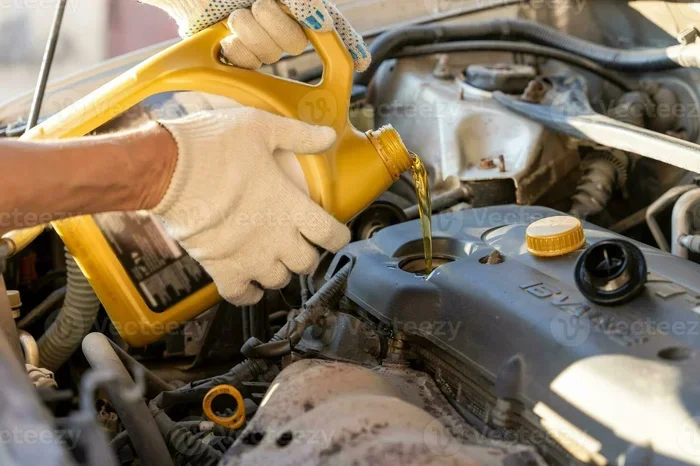
Yes, you can top off the fluid yourself if the level is low. Just make sure you use the correct type of fluid for your vehicle. Check your owner’s manual or look at the fluid cap under the hood for the recommended specification. Topping off is a quick fix, but if the fluid keeps dropping, you likely have a leak that needs professional attention.
What color should healthy transmission fluid be?
Healthy transmission fluid is typically bright red and translucent. As the fluid ages, it darkens to a reddish-brown. If the fluid is very dark brown, black, or smells burnt, it is time for a fluid change. Dark fluid means it has lost its lubricating properties and is no longer protecting your transmission properly.
How much does it cost to fix a transmission fluid leak?
The cost varies widely depending on the source of the leak. A simple gasket or seal replacement might cost between $150 and $400. More serious leaks involving the transmission pan or internal seals can run $500 to $1,500 or more. Getting the leak fixed early is always cheaper than dealing with the damage caused by running on low fluid.
Is it safe to drive with low transmission fluid?
It is not safe, especially for more than a short distance. Low fluid causes increased friction, overheating, and gear slippage. Driving on low fluid can cause irreversible damage to the internal components of your transmission. If you suspect your fluid is low, check it immediately and top it off. If you cannot do it right away, have the car towed to a shop.
Does low transmission fluid mean I need a new transmission?
Not necessarily. Most of the time, low fluid is caused by a leak or neglect, and it can be fixed with a refill or a seal replacement. However, if you have been driving on low fluid for a long time, internal damage may have already occurred. The sooner you address low fluid, the less likely you are to need a full transmission replacement.
How often should I check my transmission fluid?
Most mechanics recommend checking your transmission fluid at least once a month. You should also check it before any long road trips. Regular checks help you catch leaks and fluid degradation early. It is a simple habit that takes just a few minutes and can save you hundreds or even thousands of dollars in repair costs down the road.