Remove Difficult Stains and Substances From Auto Glass
Learn how to remove difficult stains and substances from auto glass with proven home remedies and professional-grade methods. Whether you are dealing with bug splatter, tree sap, water spots, or adhesive residue, this guide covers everything you need to restore your windshield and car windows to a crystal-clear shine. You will find simple step-by-step instructions, expert tips, and common mistakes to avoid.
There is nothing more frustrating than looking through a windshield covered in stubborn stains. Bird droppings, bug splatter, tree sap, and hard water spots can all turn a clear view into a blurry mess. Whether you are preparing for a road trip or just want your car to look its best, removing difficult stains and substances from auto glass is a skill every driver should have.
In this guide, we will walk you through proven methods that actually work. You do not need expensive equipment or professional help for most stains. With the right tools and a little patience, your auto glass will look brand new again. Let us dive in and get your windows sparkling clean.
Key Takeaways
- Multiple methods work for different stain types: vinegar, baking soda, and commercial products each have their strengths.
- Safety matters: always use ammonia-free cleaners and protective gloves on auto glass.
- Prevention is key: regular cleaning and rain repellent coatings reduce future buildup.
- Soft tools prevent scratches: microfiber cloths and plastic scrapers are your best friends.
- Patience pays off: letting solutions sit before wiping makes tough stain removal much easier.
- Know when to call a pro: deep etching or heavy damage may need professional auto glass care.
📑 Table of Contents
Why Auto Glass Gets Stained So Easily
Auto glass faces a unique set of challenges every single day. Unlike the windows in your home, car windows are constantly exposed to road debris, weather elements, and environmental contaminants. Understanding what causes these stains helps you choose the right removal method.
Here are the most common culprits behind stubborn auto glass stains:
- Bug splatter: Insects contain proteins and acids that bond to glass quickly, especially in hot weather.
- Tree sap: Tree sap is sticky and contains compounds that eat into glass coatings over time.
- Hard water spots: Mineral deposits from rain and sprinklers leave white, chalky marks that cling to glass.
- Bird droppings: Bird waste is highly acidic and can etch into the glass surface if left too long.
- Road tar and tar spots: Asphalt and tar from the road stick to your windshield and are notoriously hard to remove.
- Paint transfer: Tiny paint particles from other vehicles can bond to your glass and create a rough texture.
- Adhesive residue: Stickers, decals, and tape left behind a sticky film that attracts dirt and dust.
Each of these stains requires a slightly different approach. Using the wrong method can scratch your glass or make the stain worse. That is why we have broken down the solutions by stain type below.
Best Methods to Remove Difficult Stains From Auto Glass
Method 1: Vinegar and Water Solution
White vinegar is one of the most effective and affordable cleaning agents for auto glass. Its mild acidity breaks down mineral deposits, water spots, and light sap without damaging the glass. This method works great for everyday buildup and light staining.
Here is how to use it:
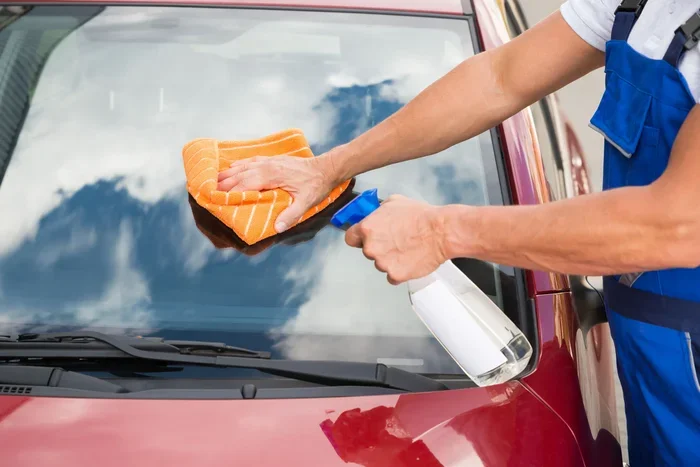
- Mix equal parts white vinegar and distilled water in a spray bottle.
- Spray the solution generously onto the stained area of your auto glass.
- Let it sit for 5 to 10 minutes to loosen the stain.
- Wipe gently with a clean microfiber cloth in circular motions.
- Rinse with clean water and dry with a fresh microfiber towel.
Pro tip: For tougher water spots, let the vinegar solution sit for up to 20 minutes. Reapply if needed. Always use distilled water to avoid introducing new mineral deposits onto your glass.
Method 2: Baking Soda Paste for Tough Stains
Baking soda is a gentle abrasive that works wonders on stains that vinegar cannot fully remove. It is perfect for removing difficult stains and substances from auto glass like dried bug splatter and light tree sap. The fine particles scrub away residue without scratching the glass surface.
Follow these steps for the best results:
- Mix three parts baking soda with one part water to form a thick paste.
- Apply the paste directly to the stain on your auto glass.
- Let it sit for 10 to 15 minutes.
- Gently rub the area with a damp microfiber cloth using light pressure.
- Rinse thoroughly and dry with a clean cloth.
Quick tip: Do not press too hard. Baking soda is gentle, but excessive force can still create micro-scratches over time. Use light, circular motions for the best outcome.
Method 3: Rubbing Alcohol for Sap and Adhesive Residue
Isopropyl alcohol is excellent at breaking down tree sap, sticker residue, and adhesive marks on auto glass. It evaporates quickly and leaves no streaks, making it ideal for glass cleaning. This method is a go-to for windshield stain removal involving sticky substances.
Here is how to use rubbing alcohol safely:
- Dampen a microfiber cloth with isopropyl alcohol (70% concentration or higher).
- Place the cloth over the sap or adhesive spot for 2 to 3 minutes.
- Gently wipe the area in a circular motion.
- For stubborn sap, use a plastic scraper to lift the softened residue.
- Clean the area with a glass cleaner and dry with a fresh cloth.
Important: Always test rubbing alcohol on a small, hidden area first. While it is safe for most auto glass, some tinted windows may react to alcohol over time.
Method 4: Commercial Auto Glass Cleaners
When home remedies are not enough, a quality commercial auto glass cleaner can make a big difference. Look for products that are ammonia-free and specifically designed for automotive use. Many of these cleaners contain solvents that dissolve tough stains without damaging your glass or any protective coatings.
Some top-rated products for difficult stains and substances on auto glass include:
- Rain-X Latitude Water Repellent: Removes light stains while adding a water-repellent layer.
- Ceramic Glass Coating: Provides long-term protection against future staining.
- Chemical Guys Signature Series Glass Cleaner: Streak-free formula works on tough residue.
- Armor All Glass Cleaner: Budget-friendly option that handles everyday grime well.
Always follow the product instructions and use a microfiber cloth for application. Spray the cleaner onto the cloth rather than directly onto the glass to prevent overspray on your car’s paint.
How to Handle Specific Stain Types
Bug Splatter Removal
Bug splatter is one of the most common and frustrating stains on auto glass. The proteins in insects bond to the glass surface, especially when baked by the sun. For fresh bug splatter, a simple glass cleaner and microfiber cloth usually do the trick. For dried and baked-on bugs, you need a more targeted approach.
Try this step-by-step process:
- Soak the bug splatter area with a mixture of warm water and a drop of dish soap.
- Let it sit for 10 minutes to soften the insect residue.
- Use a soft microfiber cloth to gently wipe the area.
- For stubborn spots, apply a paste of baking soda and water and let it sit for another 5 minutes.
- Wipe clean and rinse with distilled water.
Expert insight: Never pick at dried bug splatter with your fingernails or sharp objects. This will create scratches that are permanent and can spread under wiper blades, reducing visibility over time.
Tree Sap Removal
Tree sap is one of the most challenging substances to remove from auto glass. It contains compounds that bond strongly to glass and can damage protective coatings if left untreated. The key is to soften the sap before attempting to remove it.
Here is the best approach for tree sap removal from auto glass:
- Apply a small amount of isopropyl alcohol or a dedicated sap remover to the affected area.
- Let it sit for 3 to 5 minutes until the sap softens.
- Use a plastic scraper or a soft cloth to gently lift the sap away.
- Clean the area with a glass cleaner to remove any remaining residue.
- Polish the glass with a dry microfiber cloth for a streak-free finish.
Common mistake: Using a razor blade or metal scraper on tree sap. While these tools work on paint, they can scratch auto glass. Always stick to plastic scrapers or soft cloths.
Water Spot and Hard Water Deposit Removal
Hard water spots are caused by mineral deposits left behind when water evaporates on your glass. These white, chalky marks can be particularly stubborn, especially if they have been sitting on your auto glass for weeks or months. The acidity in vinegar works well to dissolve these mineral deposits.
For heavy water spots, try this enhanced method:
- Create a paste using baking soda and white vinegar.
- Apply the paste to the water spots and let it sit for 15 minutes.
- Gently scrub the area with a damp microfiber cloth.
- Rinse with distilled water and dry thoroughly.
- Repeat if any spots remain visible.
Quick tip: After removing water spots, apply a ceramic glass coating or rain repellent to protect your auto glass from future mineral deposits.
Tools and Products You Need
Having the right tools makes the job of removing difficult stains and substances from auto glass much easier and faster. Here is a list of essentials every car owner should keep on hand:
- Microfiber cloths: These are the safest and most effective cloths for cleaning auto glass. They do not scratch and absorb liquid quickly.
- Plastic scraper: A plastic razor scraper helps lift sap, adhesive residue, and hardened bug splatter without scratching the glass.
- Spray bottle: A clean spray bottle lets you apply DIY solutions evenly across the glass surface.
- Distilled water: Tap water contains minerals that can create new water spots. Always use distilled water for cleaning and rinsing.
- White vinegar: An all-purpose cleaning agent that handles most light to moderate stains on auto glass.
- Isopropyl alcohol: Essential for dissolving sap, adhesive, and sticky residue.
- Ammonia-free glass cleaner: Protects your auto glass and any tint or coatings from chemical damage.
- Baking soda: A gentle abrasive perfect for tackling tough stains without scratching.
Expert insight: Invest in a quality set of microfiber cloths in different sizes. You want a larger cloth for the windshield and smaller ones for side windows and rear glass. Always wash your microfiber cloths between uses to avoid reintroducing dirt onto your glass.
Preventing Future Stains on Auto Glass
Once you have put in the effort to remove difficult stains and substances from auto glass, you want to keep them from coming back. Prevention is much easier than repeated cleaning sessions. Here are some practical steps to protect your auto glass:
Use a Windshield Cover or Parking Shield
Parking your car under a tree or in direct sunlight increases the risk of sap, bird droppings, and UV damage. A windshield cover creates a physical barrier that keeps contaminants off your glass. It also reduces heat buildup inside the car during summer months.
Apply a Rain Repellent Coating
Products like Rain-X or ceramic glass coatings create a hydrophobic layer on your auto glass. Water beads up and rolls off, taking dirt and minerals with it. This significantly reduces water spots and makes regular cleaning much easier. A quality coating can last several months before needing reapplication.
Clean Your Windshield Regularly
Make it a habit to clean your auto glass at least once every two weeks. Regular cleaning prevents stains from bonding to the glass surface. A quick wipe-down with a glass cleaner and microfiber cloth takes only a few minutes and keeps your windshield looking great.
Keep a Cleaning Kit in Your Trunk
Stains happen when you least expect them. Keeping a small cleaning kit in your trunk means you can address fresh stains immediately. A travel-sized glass cleaner, a couple of microfiber cloths, and a small spray bottle of vinegar solution are all you need.
Common Mistakes to Avoid
Even with the best intentions, many people make mistakes that damage their auto glass or make stains worse. Here are the most common errors to watch out for:
- Using paper towels or regular towels: These materials are too abrasive for auto glass and leave lint and scratches behind. Always use microfiber cloths.
- Using ammonia-based cleaners on tinted windows: Ammonia can break down tint adhesive and cause bubbling or peeling over time.
- Scrubbing too hard: Excessive pressure creates micro-scratches that accumulate over time and reduce visibility.
- Cleaning in direct sunlight: Cleaning solutions dry too quickly in direct sun, leaving streaks and residue behind.
- Ignoring small stains: Small stains become big stains fast. Address them as soon as you notice them.
- Using household cleaners not meant for glass: Products designed for countertops or floors can leave films and residues on auto glass that are hard to remove.
Avoiding these simple mistakes will save you time, money, and frustration. Your auto glass will stay clear and streak-free for much longer.
When to Seek Professional Help
Most stains and substances can be removed at home with the methods described in this guide. However, there are situations where professional auto glass care is the better choice:
- Deep etching from bird droppings: If bird acid has permanently etched into the glass, no home remedy will fully restore it. A professional can assess whether the glass needs replacement.
- Scratches that impair visibility: Deep scratches cannot be removed by cleaning and may require glass polishing or replacement.
- Extensive interior film buildup: If the inside of your windshield has a thick, greasy film from off-gassing, a professional detailer has industrial-grade tools to handle it.
- Cracked or chipped glass: Any structural damage should be addressed by a certified auto glass repair shop immediately.
Do not hesitate to consult a professional if you are unsure. A damaged windshield compromises your safety on the road, and sometimes replacement is the best and most cost-effective solution.
Final Thoughts
Removing difficult stains and substances from auto glass does not have to be a daunting task. With the right tools, the correct method for each stain type, and a little bit of patience, you can restore your windshield and car windows to a flawless, crystal-clear condition. From simple vinegar solutions to commercial auto glass cleaners, there is a method that works for every situation.
Remember to always use soft microfiber cloths, avoid harsh abrasives, and treat stains as soon as possible for the best results. Prevention through regular cleaning and protective coatings will keep your auto glass looking great between deep cleaning sessions. Keep this guide bookmarked and refer back to it whenever your windshield needs some extra care. Your visibility and safety on the road depend on a clean, clear view through your glass.
Frequently Asked Questions
What is the best homemade cleaner for removing stains from auto glass?
A mixture of white vinegar and distilled water is the most effective homemade cleaner for auto glass stains. It safely dissolves water spots, light sap, and mineral deposits without leaving streaks or damaging the glass surface.
Can I use a razor blade to remove tough stains from my windshield?
You can use a razor blade on auto glass, but only if it is a plastic or carbide scraper designed for glass. Metal razor blades can cause permanent scratches that reduce visibility and weaken the glass over time.
How do I remove dried bug splatter from my windshield without scratching it?
Soak the bug splatter with a warm water and dish soap mixture for 10 minutes. Then gently wipe with a microfiber cloth. For stubborn spots, apply a baking soda paste and let it sit for 5 minutes before wiping away.
Is it safe to use vinegar on auto glass with a ceramic coating?
Vinegar is generally safe for ceramic-coated auto glass when used in diluted form. However, frequent use of acidic solutions may gradually reduce the coating’s effectiveness. Use vinegar sparingly and rinse thoroughly after each application.
How often should I clean my auto glass to prevent hard water spots?
Clean your auto glass at least once every two weeks to prevent mineral buildup and water spots. If you live in an area with hard water or park outdoors often, weekly cleaning is recommended to keep your glass spot-free.
What should I do if a stain has been on my windshield for months?
For old, set-in stains, start with a baking soda and vinegar paste and let it sit for 15 to 20 minutes. If the stain persists, try isopropyl alcohol or a commercial auto glass cleaner designed for tough residue. Multiple applications may be needed for very old stains.