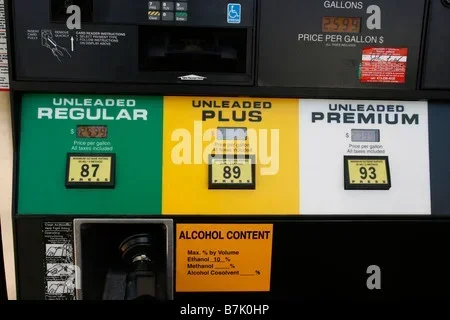
Can I Put 88 Gas in My Car Everything You Need to Know
Yes, you can put 88 gas in most cars, but it depends on your vehicle’s engine and manufacturer recommendations. Using 88 octane fuel in a car that requires regular gas is generally safe and may even improve performance. However, always check your owner’s manual to confirm the right fuel type for your specific car model and engine design.
You pull up to the gas station and see a pump labeled 88. You know regular is 87 and premium is 91 or 93. But what is 88 gas? Can you actually put it in your car? These are great questions, and they matter more than most drivers realize.
Fuel choices at the pump can be confusing. Every gas station offers different octane levels, and picking the wrong one can lead to engine problems or wasted money. The good news is that 88 gas is safe for many vehicles. But it is not a one-size-fits-all answer. Let us break it all down for you in simple terms.
In this guide, we will cover everything you need to know about using 88 octane fuel in your car. You will learn what 88 gas actually is, how it compares to other fuel grades, and whether your specific vehicle can handle it. By the end, you will feel confident making the right fuel choice every time you visit the pump.
Key Takeaways
- 88 gas is a higher octane fuel: It contains 15% ethanol and is also known as E15 or mid-grade fuel at many stations.
- Most modern cars can use 88 gas safely: Vehicles made after 2001 are generally compatible with E15 blends.
- Check your owner’s manual first: Always confirm your car’s recommended octane level before filling up.
- Using 88 gas in a regular-fuel car is usually fine: But using lower octane in a high-compression engine can cause problems.
- 88 gas may offer better combustion: It can reduce engine knock and improve efficiency in compatible engines.
- Not all gas stations carry 88 octane: Availability varies by region, so plan your fill-ups accordingly.
- When in doubt, consult a professional: A trusted mechanic can confirm the best fuel type for your vehicle.
📑 Table of Contents
- What Is 88 Gas and Why Does It Matter?
- Can You Put 88 Gas in Any Car?
- What Happens If You Put 88 Gas in a Car That Needs Regular Fuel?
- What Happens If You Put Regular Gas in a Car That Needs 88?
- How to Find the Right Fuel for Your Car
- Expert Tips for Choosing the Best Gas for Your Vehicle
- Common Mistakes People Make About 88 Gas
- Frequently Asked Questions
- Conclusion
What Is 88 Gas and Why Does It Matter?
Understanding Octane Ratings and Fuel Grades
Octane rating measures how well your fuel resists engine knock. Engine knock happens when fuel ignites too early in the combustion chamber. This can cause damage over time. Higher octane fuels resist knock better, which is why they are recommended for certain engines.
Here is a quick look at the common fuel grades you will find at most gas stations:
- 87 octane (Regular): The most common and affordable fuel grade. Suitable for most standard cars.
- 88 octane (Mid-Grade / E15): A blend that contains 15% ethanol. Also called E15 fuel at many stations.
- 89 octane (Mid-Grade): Available at some stations but less common than 87 or 88.
- 91-93 octane (Premium): The highest common fuel grade. Used in high-performance and luxury engines.
88 gas is different from regular gasoline because of its higher octane level and ethanol content. The 15% ethanol blend makes it a bit different from the standard 87 octane fuel that most drivers use every day. This higher octane level means it can handle more engine compression before igniting.
Why Does Octane Level Affect Your Engine?
Your car’s engine is designed to run on a specific fuel type. The compression ratio in your engine determines what octane level it needs. Engines with higher compression ratios need higher octane fuel to run properly.
When you use the right octane level, your engine runs smoothly. The fuel ignites at exactly the right time. This gives you the best engine performance and fuel economy. When you use the wrong fuel, the timing gets thrown off. This can lead to reduced power, lower gas mileage, or even long-term engine damage.
Can You Put 88 Gas in Any Car?
Cars That Can Safely Use 88 Gas
Most cars made after 2001 can use 88 octane fuel without any problems. The EPA approved E15 fuel for use in these vehicles. This means the vast majority of modern cars on the road today are compatible with 88 gas.
Here are some general guidelines for vehicles that can safely use 88 gas:
- Cars manufactured after 2001: These vehicles have fuel systems designed to handle E15 blends.
- Flex-fuel vehicles: These cars can run on any blend of gasoline and ethanol up to E85.
- Cars that recommend regular 87 octane: Using 88 gas in these vehicles is perfectly safe.
- Most sedans, SUVs, and trucks: The majority of everyday family vehicles fall into this category.
If your car falls into any of these groups, you can confidently fill up with 88 gas. It will not harm your engine. In some cases, it may even provide a slight improvement in performance.
Cars That Should NOT Use 88 Gas
Not every vehicle can handle 88 octane fuel. There are specific cases where you should avoid this fuel type:
- Cars made before 2001: Older vehicles may have fuel system components that are not compatible with E15 ethanol blends.
- Motorcycles: Most motorcycle engines are not designed for ethanol-heavy fuels like 88 gas.
- Small engines: Lawn mowers, chainsaws, and other small engines should not use E15 fuel.
- Classic or vintage cars: Older engines with carburetors may not handle ethanol blends well.
Always check your owner’s manual or consult your dealer if you are unsure. The fuel requirements for your specific vehicle are listed in the manual. This is the best place to find your answer.
What Happens If You Put 88 Gas in a Car That Needs Regular Fuel?
Will It Damage Your Engine?
The short answer is no. Putting 88 gas in a car that requires regular 87 octane fuel will not damage your engine. In fact, it is generally safe and will not cause any immediate problems.
Here is what you can expect if you use 88 gas in a regular-fuel car:
- No engine knock: The higher octane level means better resistance to pre-ignition.
- Slightly better performance: Some drivers notice smoother acceleration with higher octane fuel.
- No harm to fuel system: Modern fuel systems handle E15 blends without issues.
- Possibly better fuel economy: Some vehicles may see a slight improvement in miles per gallon.
However, you should not make a habit of using 88 gas if your car only needs 87. The higher octane fuel costs more at the pump. And if your engine does not need it, you are simply paying extra for something your car does not require. It is like buying premium coffee when regular tastes just fine to you.
Quick Tips for Using 88 Gas in a Regular-Fuel Car
- It is safe but not necessary: Use 88 gas only if the price difference is small or if you want to try it.
- Monitor your fuel economy: Track your miles per gallon to see if 88 gas makes any difference.
- Stick with regular if there is no benefit: Save your money and use 87 octane if your car does not need more.
- Check for any warning lights: If your check engine light comes on after switching fuels, visit a mechanic.
What Happens If You Put Regular Gas in a Car That Needs 88?
The Risks of Using Low Octane in a High-Octane Engine
This is where things get serious. If your car requires 88 octane fuel or higher and you fill up with regular 87 gas, you are using the wrong fuel type. This can lead to real engine problems.
Here are the risks of using regular gas in a car that needs 88 octane:
- Engine knock or pinging: This is the most common symptom. You will hear a rattling or knocking sound from the engine.
- Reduced engine performance: Your car may feel sluggish or lose power during acceleration.
- Lower fuel economy: The engine will not run as efficiently, and you will get fewer miles per gallon.
- Potential long-term damage: Over time, persistent engine knock can damage pistons, valves, and other engine components.
- Check engine light: Your car’s computer may detect the wrong fuel and trigger a warning light on your dashboard.
If you accidentally put regular gas in a car that needs 88 octane, do not panic. One tank of wrong fuel is unlikely to cause serious damage. But you should avoid making it a habit. Next time, make sure you select the correct fuel grade at the pump.
Common Mistakes Drivers Make at the Gas Station
Many drivers make fuel mistakes simply because they are in a hurry. Here are some common errors to avoid:
- Grabbing the wrong pump: Always double-check the octane number on the pump before you start filling up.
- Ignoring the owner’s manual: The manual tells you exactly what fuel your car needs. Read it once and remember it.
- Assuming all gas stations are the same: Different stations may label their fuel grades differently. Always look at the octane number, not the label.
- Using fuel based on price alone: Cheap fuel is not always the right fuel for your car.
How to Find the Right Fuel for Your Car
Check These 3 Places for Your Fuel Requirements
Finding the right fuel type for your car is easy. Here are the three best places to look:
- Your owner’s manual: This is the most reliable source. Look for the fuel section to find the recommended octane rating.
- The fuel door or gas cap: Many cars have a sticker on the inside of the fuel door or on the gas cap itself. It will list the required octane level.
- The manufacturer’s website: If you do not have the manual, check the car maker’s website for your specific model and year.
Comparison Table: Fuel Grades at a Glance
| Fuel Grade | Octane Rating | Ethanol Content | Best For |
|---|---|---|---|
| Regular | 87 | 10% (E10) | Most standard cars and trucks |
| Mid-Grade (88 Gas) | 88 | 15% (E15) | Cars that recommend 88 or higher |
| Premium | 91-93 | 0-10% | High-performance and luxury engines |
This table makes it easy to compare the different fuel grades. Use it as a quick reference the next time you are at the gas station.
Expert Tips for Choosing the Best Gas for Your Vehicle
Listen to Your Engine
Your car often tells you when something is wrong with the fuel. Pay attention to these warning signs:
- Knocking or pinging sounds: This usually means the octane level is too low for your engine.
- Rough idling: If your engine sounds rough when sitting still, the fuel type may be the cause.
- Difficulty starting: Wrong fuel can sometimes make hard starts more frequent.
- Reduced power: If your car feels slow or weak, check whether you are using the correct octane.
When to Consider Upgrading to 88 Gas
There are a few situations where switching to 88 octane fuel makes sense:
- Your car recommends 88 or higher: This is the obvious one. Always follow the manufacturer’s recommendation.
- You notice engine knock on regular fuel: Switching to 88 gas may solve this problem.
- You want slightly better fuel economy: Some drivers report improved mileage with higher octane fuel.
- You tow heavy loads: Higher octane fuel can help engines perform better under heavy stress.
Expert Insight: According to automotive engineers, most cars do not need premium fuel. But if your owner’s manual calls for 88 octane or higher, do not downgrade to save a few cents per gallon. The potential engine damage costs far more than the fuel savings.
Quick Tips for Saving Money on Gas Without Sacrificing Quality
- Use the right grade, not a higher one: Do not pay for premium if your car only needs regular.
- Fill up early in the morning: Gas is denser when it is cool, so you get slightly more fuel per gallon.
- Keep your tires properly inflated: This improves fuel economy more than any fuel grade change.
- Avoid aggressive driving: Smooth acceleration and braking save gas over time.
- Use gas station loyalty programs: Many stations offer discounts that add up over time.
Common Mistakes People Make About 88 Gas
Myth: Higher Octane Always Means Better Fuel
This is one of the biggest misconceptions about fuel. Higher octane does not mean cleaner fuel or better quality. It simply means the fuel resists engine knock better. If your car does not need high octane, you are paying extra for something your engine does not use.
Myth: 88 Gas Is the Same as Premium Fuel
88 gas is not premium fuel. Premium fuel is 91 or 93 octane. 88 gas sits between regular and premium. It is a mid-grade fuel that is safe for many vehicles but not a replacement for true premium fuel in engines that require it.
Myth: All Gas Stations Label 88 Gas the Same Way
Some stations call it mid-grade. Others call it E15. The label varies by station and region. Always look at the octane number on the pump, not the name or color of the handle.
Myth: 88 Gas Will Ruin a Regular-Fuel Car
This is simply not true. Using 88 gas in a car that takes regular fuel will not hurt anything. It is a safe and compatible fuel for most modern vehicles. The only downside is the extra cost if you do not need the higher octane.
Frequently Asked Questions
Is 88 gas the same as E15 fuel?
Yes, 88 gas is typically the same as E15 fuel. E15 means the fuel contains 15% ethanol and 85% gasoline. The 88 octane rating comes from this specific blend. Most gas stations that sell 88 gas label it as E15 or mid-grade fuel.
Can I use 88 gas in my daily driver?
If your daily driver is a car made after 2001 and the owner’s manual says it runs on regular or mid-grade fuel, then yes, you can use 88 gas. However, if your car only needs 87 octane, there is no real benefit to using 88 gas regularly.
Will 88 gas improve my car’s fuel economy?
Some drivers report slightly better fuel economy with 88 gas, but the improvement is usually minimal. The higher octane level allows for more efficient combustion in some engines. However, the cost difference at the pump often offsets any small gains in fuel economy.
What is the difference between 87, 88, and 91 octane fuel?
The difference is the octane rating, which measures the fuel’s resistance to engine knock. 87 octane is regular fuel, 88 octane is mid-grade or E15, and 91 octane is premium fuel. Higher octane fuels are designed for engines with higher compression ratios that need more resistance to pre-ignition.
Can I mix 88 gas with 87 gas in my tank?
Yes, you can mix different octane fuels in the same tank. It will create a blend somewhere between the two octane levels. This is generally safe, but it is best to use the fuel grade your car’s manufacturer recommends for consistent engine performance.
Is 88 gas safe for all new cars?
Most new cars made after 2001 are safe with 88 gas. However, some manufacturers specifically recommend or require premium fuel for certain models. Always check your owner’s manual or the fuel door sticker to confirm your car’s specific fuel requirements before switching octane levels.
Conclusion
The answer to whether you can put 88 gas in your car depends on your specific vehicle and its fuel requirements. For most modern cars, the answer is yes. 88 octane fuel is safe, compatible, and will not cause any engine problems in vehicles designed for regular or mid-grade fuel.
However, always check your owner’s manual before making any changes to your fuel routine. The manual is your best guide to the right octane level for your engine. Using the correct fuel type keeps your engine running smoothly, improves fuel economy, and prevents long-term damage.
Remember, higher octane is not always better. It is only better when your car needs it. If your vehicle runs fine on regular 87 octane, stick with it. But if your car calls for 88 gas or higher, do not downgrade to save a little money. Your engine will thank you for using the right fuel.
Next time you pull up to the pump, you will know exactly what to look for. You will understand the octane levels, the fuel grades, and what your car needs to run at its best. Stay informed, make smart fuel choices, and keep your engine healthy for miles to come.