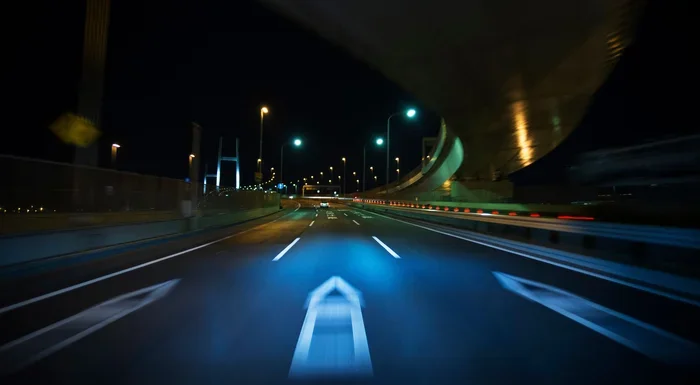
Should I Turn On High Beams For Better Night Visibility
Knowing when to use high beams can make night driving safer and less stressful. Should I turn on high beams? Yes, on dark roads with no oncoming traffic, but switch to low beams when cars approach. This guide covers the rules, technology, and common errors to help you drive with confidence.
Key Takeaways
- Use high beams on dark, empty roads: They reveal hazards up to 500 feet ahead, giving you more reaction time.
- Always dim for oncoming traffic: Flashing your high beams once is a polite reminder, but keep them off when a car is close.
- Avoid high beams in bad weather: Fog, rain, and snow reflect the light back, creating glare and reducing visibility.
- Keep headlights clean and aligned: Dirty or misaligned beams cut your visibility and can blind others even on low beams.
- Consider auto high beams: Modern systems detect oncoming traffic and switch for you, making night driving easier.
- Know your local laws: Many states restrict high beam use within 500 feet of other vehicles.
- Practice high beam etiquette: A quick flash of your high beams can warn oncoming drivers of hazards ahead.
📑 Table of Contents
- Should I Turn On High Beams? The Complete Guide to Night Visibility
- When to Turn On High Beams (and When Not To)
- High Beam Etiquette: Rules That Keep Everyone Safe
- Weather and High Beams: A Dangerous Mix?
- Modern Headlight Technology: LED, Halogen, and Auto High Beams
- Common Mistakes Drivers Make with High Beams
- Final Verdict: Should You Turn On High Beams?
Should I Turn On High Beams? The Complete Guide to Night Visibility
Driving after sunset can feel like a guessing game. Shadows hide potholes, animals dart onto the road, and other drivers’ headlights create blinding glare. Many people wonder, should I turn on high beams, and the answer is not always simple. High beams can transform your view of the road, but using them at the wrong time creates danger for everyone. This guide walks you through exactly when to use high beams, how they compare to low beams, and the mistakes that cost drivers visibility and safety. By the end, you’ll have a clear checklist for every nighttime drive.
Night driving visibility depends on more than just your eyes. Your headlights are the first line of defense against the dark. When used correctly, high beams reveal objects far beyond the reach of low beams. But when used carelessly, they turn a helpful tool into a hazard. Let’s break down the rules, the technology, and the etiquette so you can make smart choices on the road.
How High Beams Expand Your View
Low beams light up the road about 200 feet ahead. That’s enough for city driving with streetlights and traffic. But on dark highways or rural roads, 200 feet is not enough. High beams push your visibility to 350–500 feet, giving you more time to react to obstacles, curves, and wildlife. The difference is like switching from a dim flashlight to a bright spotlight. You see the road earlier, you read signs sooner, and you stay ahead of potential dangers.
Here is a quick comparison of what each beam setting offers:
| Feature | Low Beams | High Beams |
|---|---|---|
| Visibility distance | 150–200 feet | 350–500 feet |
| Best used in | City streets, fog, rain, oncoming traffic | Dark rural roads, empty highways |
| Glare risk | Low | High if misused |
| Energy use | Lower | Higher (especially older halogen bulbs) |
| Legal restrictions | Few | Must dim within 500 ft of other vehicles |
As you can see, high beams give you a major reach advantage. But that power comes with responsibility. The goal is to see more without blinding the drivers around you.
High Beams vs. Low Beams: What’s the Difference?
Low beams aim slightly downward to light the road without shining into other drivers’ eyes. High beams point straight ahead or slightly upward, flooding the road with light. Most cars use the same bulb for both settings, but the reflector or lens shapes the beam differently. Some modern vehicles use LED or laser headlights that can switch patterns automatically, but the basic principle stays the same.
When you’re alone on a dark road, should I turn on high beams? Absolutely. The extra reach gives you a much wider field of view. You’ll spot deer, potholes, and debris long before you reach them. In town, with streetlights and pedestrians, low beams are usually enough. On the open highway at night, high beams are your best friend.
When to Turn On High Beams (and When Not To)
The answer to should I turn on high beams depends on three things: the road, the weather, and the traffic around you. Here is a simple rule: use high beams when you are the only car on the road and visibility is poor. Switch to low beams the moment another vehicle approaches or when conditions scatter the light back at you.
Ideal Conditions for High Beam Use
High beams shine brightest when you need them most. Use them in these situations:
- Dark rural roads with no streetlights: You’ll see curves, animals, and road signs much earlier.
- Empty highways at night: Long stretches with no oncoming traffic are perfect for high beams.
- Slow-moving traffic with plenty of space: If cars ahead are far away, high beams help you see the road beyond them.
- Poorly lit parking lots or driveways: Extra illumination helps you spot pedestrians and obstacles.
In all these cases, turning on high beams gives you a safety boost. Just remember that the moment another car appears, you must switch back to low beams.
The Switch: When to Drop to Low Beams
Knowing when to dim is just as important as knowing when to turn them on. Drop to low beams in these situations:
- When oncoming traffic is within 500 feet: In most states, the law requires you to dim high beams when an approaching vehicle is within this distance.
- When a car is ahead of you: High beams reflect off the rearview mirror and side mirrors of the car in front, blinding the driver.
- In fog, heavy rain, or snow: The light bounces off water droplets and creates a white wall of glare, making it harder for you to see.
- In well-lit city streets: Streetlights provide enough illumination, and high beams can distract other drivers and pedestrians.
Quick Tip: If an oncoming driver forgets to dim their high beams, do not look directly at their lights. Focus on the right edge of your lane and use the white line as a guide. A quick flash of your own high beams can remind them to switch back.
Key Takeaways for Beam Switching
- Dark road, no traffic = high beams on.
- Any approaching vehicle = switch to low beams immediately.
- Bad weather = stick to low beams or fog lights.
- City driving = low beams are usually sufficient.
High Beam Etiquette: Rules That Keep Everyone Safe
High beam etiquette is not just about following the law; it is about respect. Every driver on the road has a shared responsibility to see clearly without blinding others. When you use high beams correctly, you improve safety for yourself and everyone around you.
Dealing with Oncoming Traffic
The golden rule is simple: dim your high beams before you reach an oncoming vehicle. Most states require you to switch to low beams within 500 feet of an approaching car. If you’re driving on a two-lane road at night, assume every car you see will need you to dim. Do not wait until the last second. A smooth, early switch keeps everyone comfortable.
What if an oncoming driver leaves their high beams on? A quick flash of your high beams once or twice is a polite warning. Most drivers will switch back without realizing it. If they don’t, slow down and keep your eyes on the right side of the road. Never retaliate by keeping your high beams on; that just makes the situation worse for both of you.
High Beams Behind You: What Drivers Behind Need to Know
Drivers behind you can also be affected by your high beams. If you are following another car closely, your high beams will shine into their rearview mirror. This is distracting and potentially dangerous. Always switch to low beams when you are within 200–300 feet of the vehicle ahead. The same rule applies when you are in heavy traffic: low beams keep the road clear for everyone’s mirrors.
Expert Insight: Many modern cars have auto high beams that use a camera or sensor to detect oncoming traffic and vehicles ahead. The system automatically switches between high and low beams without driver input. If your car has this feature, use it. It removes the guesswork and helps you stay compliant with high beam usage rules.
Weather and High Beams: A Dangerous Mix?
One of the biggest mistakes drivers make is keeping high beams on in bad weather. The answer to should I turn on high beams is almost always no when it is raining, snowing, or foggy. Here is why.
Fog, Rain, Snow, and High Beams
Fog consists of tiny water droplets suspended in the air. When high beam light hits these droplets, it scatters in every direction. Instead of illuminating the road, the light bounces back into your eyes, creating a bright white glare. The same happens with heavy rain and snow. Your visibility actually gets worse with high beams on in these conditions.
Low beams aim downward and cut through the fog at a sharper angle, reducing reflection. Some cars come with dedicated fog lights that sit low on the front bumper and light up the road directly in front of the vehicle. If you drive in foggy areas often, consider adding aftermarket fog lights to your vehicle. They make a huge difference in nighttime driving safety.
Why High Beams Can Make Visibility Worse
It seems counterintuitive. More light should mean better visibility, right? But when light hits particles in the air, it creates a wall of glare. You lose depth perception and struggle to see the road edges. In heavy snow, high beams can even create a mirror effect off the white surface, blinding you completely. Always switch to low beams or fog lights when precipitation reduces your visibility to less than 200 feet.
Quick Tip: If you must drive in fog, use low beams and fog lights. Keep your speed low and follow the road markings with your peripheral vision. Never use high beams in fog, even if you think they will help.
Modern Headlight Technology: LED, Halogen, and Auto High Beams
The type of headlight your car has affects how effective high beams are. Older halogen bulbs produce a warm yellow light that is decent but not very bright. LED and xenon headlights throw a much whiter, more focused beam that reaches farther. Knowing your headlight type helps you understand what to expect from your high beam visibility.
How Auto High Beams Work
Auto high beams use a small camera mounted on the windshield to detect the headlights of oncoming cars and the taillights of vehicles ahead. When the system sees no traffic, it keeps your high beams on. When it detects another vehicle, it automatically switches to low beams. This technology takes the guesswork out of should I turn on high beams. You just turn the system on, and it handles the rest.
Auto high beams are especially useful on long highway drives where traffic is light but not completely absent. They keep you in high beam mode as much as legally and safely possible, maximizing your visibility without requiring constant manual switching.
Upgrading Your Headlights for Better Performance
If your car still uses halogen headlights, an upgrade can dramatically improve your night driving. LED retrofit kits and xenon (HID) conversions are popular options. LED bulbs last longer, use less energy, and produce a brighter, whiter light. Xenon bulbs are even brighter but may require a ballast and proper alignment. Before upgrading, check your local laws. Some jurisdictions restrict headlight color temperature and brightness. Always have a professional align your headlights after an upgrade. Misaligned beams, even on high beams, can blind oncoming drivers and reduce your own visibility.
Common Mistakes Drivers Make with High Beams
Even experienced drivers make errors with high beam usage. Knowing these mistakes helps you avoid them and stay safe.
Overusing High Beams Out of Habit
Some drivers leave their high beams on all the time because they like the extra light. This is dangerous. In town, on roads with streetlights, or in any area with pedestrian traffic, high beams create unnecessary glare. They can blind cyclists, joggers, and drivers in parked cars. Get in the habit of checking your beam setting every time you start driving. A simple toggle switch or steering wheel lever makes it easy to switch between high and low beams.
Dirty or Misaligned Headlights
A dirty headlight lens can cut your output by 50% or more. Road grime, bugs, and UV damage cloud the plastic, scattering the light. Even if your high beams are on, a dirty lens turns them into a dim, scattered glow. Clean your headlights regularly with a headlight restoration kit or a simple UV-resistant sealant. Also, check your headlight alignment at least once a year. A headlight that points too high can blind oncoming drivers even on low beams. Proper alignment ensures your road illumination is focused exactly where it should be.
Common Mistake: Forgetting to dim high beams in a mirror. When you look at your rearview mirror, you might see the reflection of a car behind you with its high beams on. You might assume they will switch. Instead, adjust your rearview mirror to the night setting (flip the tab) to reduce glare, and keep your own high beams off when following another vehicle.
Flashing High Beams the Wrong Way
Flashing your high beams to say “hello” or to express frustration is a bad habit. A quick flash to warn oncoming drivers of a hazard ahead is acceptable. But prolonged flashing can startle other drivers and cause accidents. Use the flash only as a safety signal, not as a form of communication. If you want to let someone go first at an intersection, a wave or a nod works better than a blinding flash.
Final Verdict: Should You Turn On High Beams?
The answer to should I turn on high beams is yes, when conditions are right. On dark, empty roads with no oncoming traffic, high beams give you the visibility you need to drive safely. They reveal hazards earlier, help you read road signs from farther away, and make you more aware of pedestrians and cyclists on the edge of the road. But high beams are a tool, not a default setting. Use them with care, follow the rules, and always switch to low beams when other vehicles are near.
Remember that nighttime driving safety depends on more than just your headlights. Keep your windshield clean inside and out to reduce glare. Adjust your mirrors to minimize blind spots. Take breaks on long night drives to fight fatigue. And if you feel that your high beam visibility is not good enough, get your headlights checked and cleaned. A small investment in headlight maintenance can make a huge difference on the road.
By following the guidelines in this guide, you’ll use your high beams confidently and responsibly. You’ll see more of the road, react faster to dangers, and keep everyone around you safe. The next time you turn the key and hit a dark road, you’ll know exactly what to do with your high beams.
Key Takeaways for Safe High Beam Use:
- Use high beams on dark roads with no traffic.
- Switch to low beams within 500 feet of oncoming vehicles.
- Never use high beams in fog, heavy rain, or snow.
- Keep headlights clean and properly aligned.
- Consider auto high beams if your vehicle supports them.
- Flash high beams once to warn others of hazards, not to communicate.
- Follow your local high beam laws to avoid tickets and accidents.
Frequently Asked Questions
When should I turn on my high beams?
Turn on your high beams on dark roads with no oncoming traffic, such as rural highways or empty streets at night. Switch to low beams the moment you see another vehicle approaching or when you are following a car closely.
Is it illegal to drive with high beams on?
It is not illegal in itself, but most states require you to dim high beams when oncoming traffic is within 500 feet or when you are following another vehicle within 200–300 feet. Violating these rules can result in a traffic ticket.
Can high beams damage your eyesight?
Looking directly into high beams from oncoming traffic can temporarily blind you and cause glare. This can be dangerous, especially at high speeds. If you are affected, focus on the right edge of your lane and slow down until your vision clears.
Do auto high beams really work?
Yes, auto high beam systems use cameras or sensors to detect other vehicles and automatically switch between high and low beams. They are especially helpful on highways and reduce the need for manual switching.
Why do high beams make fog worse?
High beams point straight ahead and reflect off water droplets in fog, creating a bright white glare that blocks your view. Low beams aim downward and cut through the fog at a better angle, reducing reflection and improving visibility.
How can I improve my high beam visibility?
Clean your headlight lenses regularly, replace old bulbs, and ensure your headlights are properly aligned. Upgrading to LED or xenon bulbs can also significantly improve the reach and brightness of your high beams.