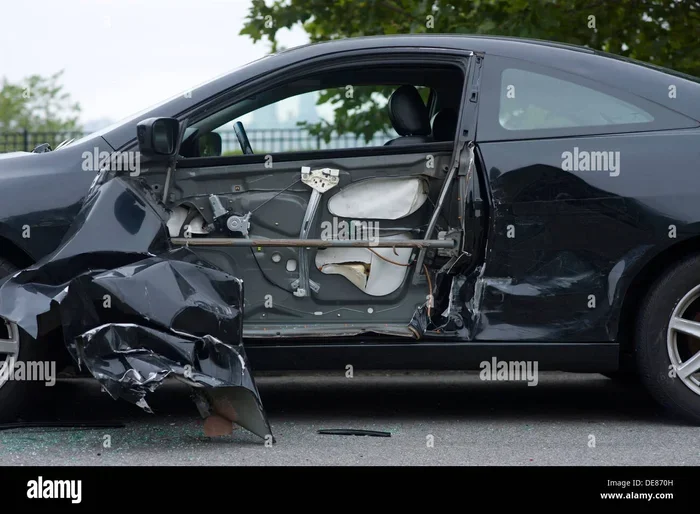
Does Insurance Cover a Hit-and-Run on a Parked Car
Yes, insurance can cover a hit-and-run on a parked car, but it depends on your policy type and the details of the incident. Collision coverage and uninsured motorist property damage coverage are the key players here. This guide walks you through everything you need to know about filing a claim, gathering evidence, and protecting your rights after a hit-and-run damages your vehicle.
You walk out to your car after a long day, only to find a fresh dent or scratch on your door. There is no note left behind. No one is around. You have just become a victim of a hit-and-run on a parked car. It is frustrating, unfair, and stressful. But the good news is that your car insurance policy may have you covered.
Many drivers assume that because they were not behind the wheel during the incident, they cannot file a claim. That is not true. Insurance exists to protect you in unexpected situations, and a hit-and-run is exactly that. Let us walk through how insurance covers hit-and-run incidents, what you need to do, and how to get your car repaired without losing your mind.
Key Takeaways
- Collision coverage typically pays for hit-and-run damage: If you have this coverage, your insurer should cover repairs minus your deductible.
- Uninsured motorist property damage (UMPD) coverage can also help: This kicks in when the at-fault driver cannot be identified.
- Filing a police report is essential: Most insurers require proof that the incident occurred, and a police report is the strongest evidence.
- Document everything at the scene: Photos, witness statements, and notes about the time and location strengthen your claim significantly.
- Your deductible still applies: Even with coverage, you will pay your chosen deductible before the insurance company covers the rest.
- Hitting a parked car and leaving is illegal: The at-fault driver can face serious penalties, and you have the right to pursue compensation.
- Act quickly after the incident: Most insurance policies require you to report the claim within a specific timeframe.
📑 Table of Contents
- What Is a Hit-and-Run on a Parked Car?
- Does Insurance Cover a Hit-and-Run on a Parked Car?
- What to Do Immediately After a Hit-and-Run
- How the Claims Process Works for Hit-and-Run Incidents
- What If the At-Fault Driver Is Found?
- How to Protect Yourself From Parked Car Hit-and-Runs
- Common Mistakes to Avoid After a Hit-and-Run
- Key Takeaways
- Frequently Asked Questions
- Conclusion
What Is a Hit-and-Run on a Parked Car?
A hit-and-run accident happens when a driver damages a vehicle and leaves the scene without stopping. When your car is parked, this often means someone backed into your bumper, sideswiped your door, or crunched your fender in a parking lot and drove away. Sometimes the damage is obvious, like a large dent. Other times, you might notice a scratch or a cracked mirror hours later.
Hit-and-run incidents on parked cars are more common than most people think. Parking lots, street spots, and even driveways can be the scene. The key thing to remember is that you are not at fault, even though your car was parked and unattended. The fault lies entirely with the driver who left the scene.
Common Types of Parked Car Hit-and-Run Damage
Hit-and-run damage comes in many forms. Here are the most common types of damage people discover on their parked cars:
- Dents and dings: From another vehicle bumping or scraping your car.
- Scratches and paint damage: Often caused by a careless door opening or a passing bumper.
- Broken mirrors or glass: Side mirrors can snap off, or a windshield can crack from debris or impact.
- Undercarriage damage: Less common but possible if a car drove over a curb or obstacle and hit yours.
- Alloy wheel damage: Scraped or bent rims from a sideswipe.
Does Insurance Cover a Hit-and-Run on a Parked Car?
The short answer is yes, in most cases. But the specific coverage that applies depends on the type of car insurance policy you carry. Let us break down the different types of coverage that can help you after a hit-and-run.
Collision Coverage
Collision coverage is the most common type of insurance that pays for hit-and-run damage to your parked car. This coverage pays for repairs regardless of who caused the accident. That is why it works so well for hit-and-run situations where the at-fault driver is unknown or cannot be found.
Here is how it works in practice. Let us say someone backs into your car in a parking lot and leaves. You have collision coverage with a $500 deductible. The repair costs $2,500. Your insurance company pays $2,000, and you pay the $500 deductible. Simple as that.
Keep in mind that collision coverage is optional in most states. If you lease or finance your car, your lender likely requires it. If you own your car outright, you choose whether to carry it.
Uninsured Motorist Property Damage (UMPD)
Uninsured motorist property damage coverage, often called UMPD, is another valuable coverage for hit-and-run scenarios. This coverage steps in when the at-fault driver has no insurance or cannot be identified. It works similarly to collision coverage but is specifically designed for situations involving uninsured or unidentified drivers.
Not all states require UMPD, and the limits vary. Some states cap UMPD payouts at a specific amount, such as $3,000 or $5,000. Others have no limit. Check your policy to understand your UMPD limits and how they compare to your collision deductible.
Property Damage Liability Coverage
Property damage liability coverage does not apply to your own car. Instead, it pays for damage your car causes to someone else’s property. However, if the hit-and-run driver is identified and they have insurance, their property damage liability coverage would pay for repairs to your car. This is less common in hit-and-run cases, but it does happen when the police find the driver.
What to Do Immediately After a Hit-and-Run
What you do right after discovering the damage matters a lot. Taking the right steps quickly can make or break your claim. Here is exactly what you should do.
Step 1: Document the Scene
Before you move your car or touch anything, take photos. Capture the damage from multiple angles. Photograph the surrounding area, any paint transfer, and the position of your car. If there are security cameras nearby, note their location. This footage could be crucial later.
Step 2: Check for Witnesses
Look around for anyone who might have seen what happened. Ask nearby shoppers, workers, or pedestrians if they noticed anything. If someone is willing to share their contact information, get it. A witness statement can be a game-changer for your claim.
Step 3: File a Police Report
This is one of the most important steps. Call the police and file a hit-and-run report. Even if the police cannot find the driver immediately, having an official report shows your insurance company that the incident was real. Most insurers require a police report before they approve a hit-and-run claim.
Step 4: Notify Your Insurance Company
Contact your insurance provider as soon as possible. Report the incident and provide all the details. Be honest and thorough. Include the police report number, photos, and any witness information you gathered. The sooner you report, the smoother the claims process will be.
Step 5: Get Repair Estimates
Take your car to a trusted repair shop or dealership and get a written estimate. Share this estimate with your insurance company. They may send their own insurance adjuster to assess the damage. Work with both parties to ensure the repair costs are covered fairly.
How the Claims Process Works for Hit-and-Run Incidents
Filing a claim after a hit-and-run is not much different from a regular accident claim, but there are a few unique steps. Here is what you can expect.
- Report the incident: You notify your insurer and provide the police report number.
- Adjuster assessment: An adjuster reviews the damage, photos, and police report.
- Estimate and approval: The insurer approves or negotiates the repair estimate.
- Repairs begin: You take your car to an approved shop and pay your deductible.
- Final payment: The insurer pays their share directly to the repair shop or you.
The entire process can take anywhere from a few days to several weeks, depending on the complexity of the claim and how quickly the police can identify the at-fault driver. Be patient and keep copies of everything.
Will a Hit-and-Run Claim Raise Your Premium?
This is one of the most common concerns drivers have. The good news is that in many cases, a hit-and-run claim does not raise your insurance premium. Because you were not at fault, most insurers treat it as a not-at-fault claim. However, policies vary, and some companies may still adjust your rates. It is always worth asking your insurer directly about how a claim might affect your premium.
What If the At-Fault Driver Is Found?
Sometimes the police do find the driver who hit your parked car. When this happens, the process changes slightly. The at-fault driver’s insurance should cover your repairs. You can file a claim against their property damage liability coverage. In this scenario, you typically do not pay a deductible, and your insurance rates should not be affected.
If the at-fault driver has no insurance, your uninsured motorist coverage or collision coverage kicks in, just like it would in an unidentified hit-and-run. This is why having both collision and UMPD on your policy is so valuable.
What If the At-Fault Driver Cannot Be Found?
In some hit-and-run cases, the police simply cannot identify the driver. Maybe there were no witnesses, no camera footage, and no paint transfer to trace. In these situations, your collision coverage or UMPD becomes your primary source of compensation. This is another strong reason to carry both types of coverage on your policy.
How to Protect Yourself From Parked Car Hit-and-Runs
You cannot prevent every hit-and-run, but you can take steps to reduce your risk and make the claims process easier if one does happen.
- Park in well-lit areas: Well-lit spots deter careless drivers and make it easier for cameras to capture license plates.
- Choose spots near security cameras: Many parking lots have surveillance systems. Park underneath one if possible.
- Leave enough space between cars: Avoid parking next to oversized vehicles that might not see your car when opening doors or backing up.
- Keep a dashcam or security camera running: Some dashcams have parking mode features that record even when your car is off.
- Check your policy regularly: Make sure you have adequate collision and uninsured motorist coverage before an incident happens.
Common Mistakes to Avoid After a Hit-and-Run
Even with good intentions, people make mistakes after discovering hit-and-run damage. Here are the most common ones to avoid.
- Waiting too long to report: Delaying your claim or police report can weaken your case. Report everything as soon as possible.
- Not calling the police: Some people skip the police report and go straight to their insurer. Most insurers need that police report to process a hit-and-run claim.
- Admitting fault: Do not assume you were parked in the wrong spot or that you somehow caused the incident. You did not. The other driver is at fault.
- Accepting the first repair estimate: Get multiple estimates if the damage seems significant. Make sure the repair cost is fair and covers all the damage.
- Skipping the deductible discussion: Understand your deductible before you start repairs. Know exactly how much you will pay out of pocket.
Key Takeaways
Insurance does cover hit-and-run damage to a parked car in most cases, provided you have the right coverage in place. Collision coverage and uninsured motorist property damage coverage are your two main protections. Acting quickly, documenting everything, and filing a police report are the three most important things you can do to ensure a smooth claims experience.
Being prepared makes all the difference. Review your policy today, understand your coverage limits, and know the steps to take if you ever become a victim of a hit-and-run. The more prepared you are, the less stressful the process will be.
Frequently Asked Questions
Will my insurance cover a hit-and-run if I only have liability coverage?
No, liability coverage alone will not pay for damage to your own car. You need collision coverage or uninsured motorist property damage coverage to file a claim for hit-and-run damage. Liability coverage only pays for damage you cause to others.
How long do I have to report a hit-and-run to my insurance company?
Most insurance companies want you to report a hit-and-run as soon as possible, ideally within 24 to 48 hours. Check your specific policy for the exact reporting timeframe. Reporting quickly strengthens your claim and shows good faith.
Does filing a hit-and-run claim count as an accident on my record?
It can, but because it is a not-at-fault incident, it typically does not raise your insurance premium. Each insurance company handles not-at-fault claims differently, so it is best to ask your provider directly about how it affects your record.
What if the damage is minor, like a small scratch? Should I still file a claim?
It depends on the cost of repairs compared to your deductible. If the repair cost is close to or less than your deductible, it might not be worth filing a claim. However, if the damage worsens over time or you suspect it could be more serious, it is still wise to report the incident to your insurer.
Can I sue the hit-and-run driver if they are never found?
If the driver is never identified, you cannot sue them directly. However, your collision coverage or UMPD coverage will cover your losses. If the police eventually find the driver, you may also have the option to pursue a personal injury or property damage claim against them outside of insurance.
Do I need a police report for every hit-and-run claim?
Almost always, yes. Insurance companies strongly prefer a police report for hit-and-run claims. It serves as official proof that the incident happened and that you were not at fault. Without a police report, your claim may be delayed or denied.
Conclusion
Dealing with a hit-and-run on a parked car is never fun, but knowing your insurance coverage can take a huge weight off your shoulders. Collision coverage and uninsured motorist property damage coverage are your best friends in this situation. They ensure that you are not left paying for someone else’s mistake out of your own pocket.
Remember to act fast. Document the scene, file a police report, and notify your insurer promptly. Avoid the common mistakes that can delay or derail your claim. And most importantly, take proactive steps to protect your car in the future. Park smart, carry the right coverage, and drive with confidence knowing you are prepared for whatever the road throws at you.