What Causes the VSC Light to Stay On and How to Fix It
The VSC light on your dashboard can be alarming, but it usually signals a fixable problem with your Vehicle Stability Control system. Common culprits include a loose gas cap, faulty wheel speed sensors, or a bad steering angle sensor. This guide walks you through every cause, diagnosis method, and repair option so you can get back on the road with confidence.
You are driving down the road, minding your own business, when you glance at the dashboard and see a light you have never seen before. The VSC light is glowing steady, and suddenly your calm drive turns into a moment of worry. What does it mean? Is your car about to break down? Should you pull over right now?
Here is the good news. In most cases, a VSC light staying on does not mean your car is about to fall apart. It usually points to a specific component within the Vehicle Stability Control system that needs attention. This system works closely with your ABS (Anti-lock Braking System) and traction control to keep your car stable, especially on slippery roads or during sudden maneuvers.
In this article, we will break down every common cause of a VSC light that stays on. We will also walk you through how to diagnose the problem, what fixes you can try at home, and when it is time to see a mechanic. Whether you are a complete beginner or a seasoned DIYer, this guide has you covered.
Key Takeaways
- A loose or damaged gas cap is one of the simplest and most common reasons the VSC light stays on.
- Faulty wheel speed sensors can trigger the VSC light because they feed data the stability system depends on.
- A bad steering angle sensor disrupts the communication between your steering wheel and the stability control module.
- Using an OBD-II scanner is the fastest way to read diagnostic trouble codes and pinpoint the exact issue.
- Ignoring the VSC light can lead to reduced safety features and potential damage to related systems like ABS and traction control.
- Simple resets like tightening the gas cap or disconnecting the battery often clear the light, but underlying problems need proper repair.
- Regular maintenance of sensors and electrical connections helps prevent the VSC light from returning.
📑 Table of Contents
What Does the VSC Light Mean?
Before we dive into causes, let us talk about what the VSC light actually represents. VSC stands for Vehicle Stability Control. It is a safety system designed to help you maintain control of your car during slippery conditions or sharp turns. The system uses a network of sensors to monitor things like wheel speed, steering angle, and yaw rate. When it detects a loss of traction, it automatically adjusts engine power and applies brakes to individual wheels.
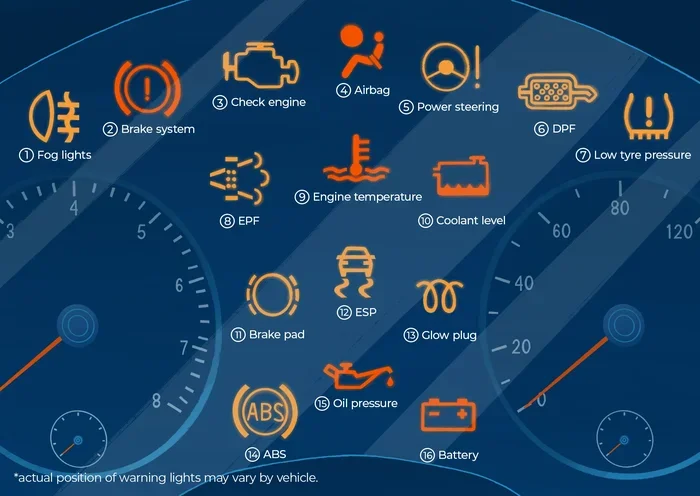
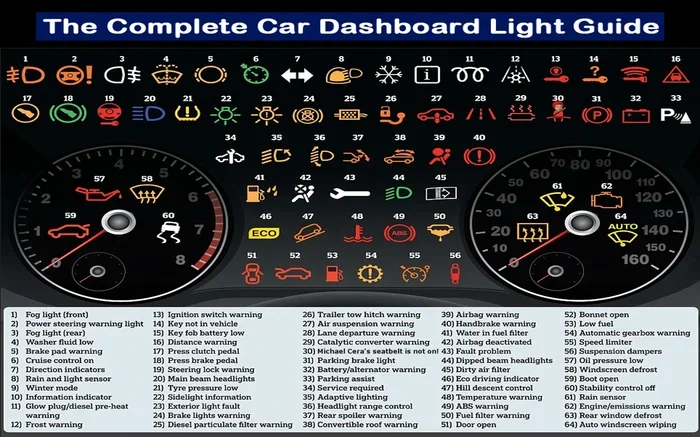
The light itself usually looks like a car with wavy lines underneath. When it illuminates, it means the stability control system has detected a fault and may not be working at full capacity. Sometimes the light comes on briefly when you start the car and then goes off. That is normal. It is part of the bulb check process. But when the light stays on, that is your car telling you something needs attention.
How the VSC System Works
The VSC system relies on several components working together. These include wheel speed sensors, a steering angle sensor, a yaw rate sensor, and the ABS module. All of these feed data to the Engine Control Unit (ECU). The ECU processes this information in real time and makes adjustments to keep the car stable. If even one sensor or component fails, the system can shut down and trigger the warning light.
Common Causes of the VSC Light Staying On
Now let us get into the heart of the matter. What actually causes the VSC light to stay on? There are several reasons, and some are much simpler to fix than others. Below we cover the most common culprits.
Loose or Faulty Gas Cap
Believe it or not, one of the most frequent reasons for a VSC light is a loose or damaged gas cap. The gas cap seals the fuel system and maintains proper pressure. When it is loose, cracked, or missing, fuel vapors can escape, which triggers error codes in the EVAP system (Evaporative Emission Control). These codes can cause both the check engine light and the VSC light to come on.
This is an easy fix. Simply remove the gas cap, check for cracks or damage, and reattach it firmly until you hear it click. If the cap is old or worn, replacing it costs just a few dollars and takes about two minutes.
Faulty Wheel Speed Sensors
Wheel speed sensors are small devices located near each wheel. They monitor how fast each wheel is spinning and send that information to the ABS module and VSC system. When one of these sensors fails or gets dirty, it sends incorrect data or no data at all. The stability control system cannot function properly without accurate wheel speed readings, so it triggers the warning light.
Wheel speed sensors can fail due to dirt buildup, wire damage, or general wear and tear. They are relatively inexpensive to replace, and the repair usually takes about an hour per sensor.
Bad Steering Angle Sensor
The steering angle sensor is located in the steering column. It tracks the position and movement of your steering wheel. The VSC system uses this data to determine the direction you intend to turn and compare it with the actual direction the car is going. If the sensor is misaligned or malfunctioning, the system cannot make accurate calculations, and the VSC light will stay on.
After certain repairs like an alignment or steering column work, the steering angle sensor may need to be recalibrated. A mechanic or a DIYer with the right tools can perform this reset quickly.
Faulty Yaw Rate Sensor
The yaw rate sensor measures how fast your car is rotating around its vertical axis. In simple terms, it detects whether your car is sliding or spinning. This sensor is critical for the Vehicle Stability Control system because it tells the computer whether the car is moving in the intended direction. When this sensor goes bad, the system loses its ability to detect skids or slides, and the VSC light comes on.
Replacing a yaw rate sensor can be more expensive than other fixes because of its location and the labor involved. It is typically found under the vehicle near the center of the car.
ABS Module Problems
Since the VSC system works hand in hand with the ABS module, any problem with the ABS can cause the VSC light to illuminate. The ABS module controls brake pressure to prevent wheel lockup during hard braking. If the module develops an internal fault, has corroded wiring, or loses its connection, both the ABS and VSC lights may come on together.
ABS module issues can range from simple wiring problems to a complete module failure. A diagnostic scan will help determine the exact cause.
Low Brake Fluid Level
Your car’s brake fluid plays a big role in the ABS and VSC systems. When the brake fluid level drops below the minimum mark, it can trigger warning lights including the VSC light. Low brake fluid often indicates worn brake pads, a leak in the system, or a problem with the brake master cylinder.
Check your brake fluid reservoir under the hood. If the level is low, top it off with the correct type of fluid specified in your owner’s manual. However, if the fluid keeps dropping, you should have a mechanic inspect the system for leaks.
Throttle Position Sensor Issues
The Throttle Position Sensor (TPS) tells the ECU how far the throttle plate is open. The VSC system uses throttle input to adjust engine power when traction is lost. If the TPS sends incorrect signals, the ECU cannot properly manage engine output, and the VSC light may illuminate.
A failing TPS can cause rough idling, poor acceleration, and reduced fuel economy in addition to triggering the VSC light.
Ignition Coil or Spark Plug Problems
Misfires caused by bad ignition coils or worn spark plugs can also trigger the VSC light. When an engine misfires, the ECU detects irregular combustion and logs a trouble code. This can activate both the check engine light and the VSC light. Misfires reduce engine performance, which directly affects the stability control system’s ability to manage power delivery.
Replacing spark plugs is a routine maintenance task and is relatively inexpensive. Ignition coils cost more but are still a manageable repair for most vehicles.
How to Diagnose the VSC Light
Once the VSC light comes on, you will want to know exactly what is causing it. Diagnosing the problem correctly saves time, money, and frustration. Here is how to approach it.
Use an OBD-II Scanner
The most reliable way to diagnose a VSC light is with an OBD-II scanner. This tool plugs into the diagnostic port under your dashboard and reads Diagnostic Trouble Codes (DTCs) stored in the ECU. These codes tell you exactly which sensor or system is causing the problem.
You can buy a basic OBD-II scanner for under $30 at most auto parts stores. Some advanced models even connect to your smartphone via Bluetooth. Once you plug it in and turn the ignition on, the scanner will display codes like P0500 (wheel speed sensor malfunction) or C1201 (VSC system malfunction). Write down all the codes and look them up to understand what they mean.
Check the Gas Cap First
Before you spend money on expensive diagnostics, start with the simplest check. Remove the gas cap, inspect it for cracks, and tighten it back on firmly. Drive the car for a few miles and see if the VSC light goes off. Many people have saved themselves a trip to the mechanic with this one simple step.
Inspect the Wheel Speed Sensors
Walk around the car and look at each wheel. Check for dirt, debris, or damage near the wheel speed sensors. Sometimes a simple cleaning with a wire brush removes enough buildup to restore proper function. If the sensors look damaged or the wiring is frayed, replacement is likely needed.
Check Brake Fluid Level
Open the hood and locate the brake fluid reservoir. The fluid level should be between the minimum and maximum marks. If it is low, add the correct type of brake fluid. Watch for any signs of leaks around the brake lines, calipers, or master cylinder.
How to Fix the VSC Light
Once you have identified the cause, fixing the VSC light usually follows a clear path. Here are the most common fixes.
Fix 1: Tighten or Replace the Gas Cap
If a loose gas cap caused the problem, simply tightening it may clear the light. Drive for a few cycles (turning the car on and off) and see if the VSC light goes away. If the cap is cracked or damaged, replace it. A new gas cap costs between $10 and $20 and is one of the cheapest repairs you will ever do.
Fix 2: Clean or Replace Wheel Speed Sensors
Remove the sensor and clean it with a wire brush or electrical contact cleaner. If cleaning does not work, replace the sensor. The part itself typically costs between $20 and $100 depending on your vehicle model. Labor is straightforward and can often be done at home with basic tools.
Fix 3: Reset the Steering Angle Sensor
If the steering angle sensor is misaligned, it needs to be recalibrated. This process usually requires a professional diagnostic tool or a specific procedure outlined in your vehicle’s service manual. Some cars allow you to reset it by turning the steering wheel lock to lock and then centering it while the ignition is on.
Fix 4: Replace the Yaw Rate Sensor
A faulty yaw rate sensor needs to be replaced. This repair typically requires a mechanic because of the sensor’s location and the need for proper calibration. The cost ranges from $150 to $400 including parts and labor.
Fix 5: Repair or Replace the ABS Module
If the ABS module is the culprit, the fix can be more involved. In some cases, the module can be repaired by a specialist. In other cases, a full replacement is necessary. Costs can range from $300 to over $1,000 depending on the extent of the damage and your vehicle type.
Fix 6: Top Off Brake Fluid and Repair Leaks
If low brake fluid caused the VSC light, top off the reservoir and inspect the entire brake system for leaks. Replace any damaged brake lines, calipers, or seals. After the repair, the VSC light should turn off once the system re-pressurizes.
Can You Drive with the VSC Light On?
This is a question many drivers ask, and the answer depends on the situation. In most cases, you can still drive with the VSC light on, but with reduced safety features. The Vehicle Stability Control system and traction control may not function properly, which means you have less help staying stable on slippery roads or during emergency maneuvers.
If the VSC light comes on alongside the check engine light and the ABS light, you should be extra cautious. These three systems are interconnected, and a problem affecting all of them can compromise your braking and stability. Avoid driving in rain, snow, or icy conditions until the issue is resolved.
For short, low-speed drives on dry roads, a VSC light alone is usually not an immediate danger. But you should get the car checked as soon as possible. Ignoring the light for too long can lead to more serious problems and higher repair costs down the road.
Preventing the VSC Light from Coming Back
Once you have fixed the issue, you will want to keep the VSC light from coming back. Regular maintenance is the key. Here are some tips to help you prevent future problems.
- Check your gas cap regularly. Make sure it is tight and free of cracks. A worn-out cap should be replaced immediately.
- Keep your wheel speed sensors clean. During routine tire rotations or brake services, ask the mechanic to inspect the sensors.
- Monitor your brake fluid level. Low fluid is often a sign of worn brake pads or a developing leak. Address it early.
- Stay on top of spark plug and ignition coil maintenance. Follow your vehicle’s recommended service intervals for these components.
- Do not ignore warning lights. If a light comes on, even if the car seems to drive fine, get it checked promptly. Small problems can become big ones.
- Use an OBD-II scanner periodically. Even if no lights are on, a quick scan can reveal hidden issues before they trigger warning lights.
Expert Insights on VSC Light Issues
Experienced mechanics often see the same mistakes when it comes to VSC light issues. One of the most common is assuming the problem is serious when it is actually something simple like a loose gas cap. Another mistake is clearing the light with a scanner without fixing the underlying cause. The light will almost always come back if the real problem is not addressed.
Experts also recommend paying attention to the combination of lights on your dashboard. If the VSC light appears with the ABS light and the check engine light, the issue is likely more complex and may involve the ABS module or the ECU. In these cases, professional diagnosis is strongly recommended.
One final expert tip: always refer to your vehicle’s owner manual. Different car manufacturers may have slightly different VSC system designs and warning light behaviors. The manual can provide specific guidance for your make and model.
When to See a Mechanic
There are times when a VSC light warrants professional attention. If you have checked the gas cap, inspected the sensors, and verified the brake fluid level, but the light remains on, it is time to see a mechanic. Similarly, if the VSC light comes on alongside other warning lights like the red brake warning light or the oil pressure light, stop driving and get the car towed to a shop.
A professional mechanic has access to advanced diagnostic tools and factory-level repair information. They can pinpoint problems faster and more accurately than most DIY methods. While it costs more upfront, it can save you money in the long run by preventing misdiagnosis and unnecessary part replacements.
Key Takeaways
- A loose or damaged gas cap is one of the simplest and most common reasons the VSC light stays on.
- Faulty wheel speed sensors can trigger the VSC light because they feed data the stability system depends on.
- A bad steering angle sensor disrupts the communication between your steering wheel and the stability control module.
- Using an OBD-II scanner is the fastest way to read diagnostic trouble codes and pinpoint the exact issue.
- Ignoring the VSC light can lead to reduced safety features and potential damage to related systems like ABS and traction control.
- Simple resets like tightening the gas cap or disconnecting the battery often clear the light, but underlying problems need proper repair.
- Regular maintenance of sensors and electrical connections helps prevent the VSC light from returning.
Conclusion
Dealing with a VSC light that stays on can feel stressful, but it does not have to be. Most causes are common, well understood, and surprisingly affordable to fix. From a simple loose gas cap to a faulty wheel speed sensor or steering angle sensor, the problem is almost always something you can address. The key is to act quickly, diagnose the issue correctly, and apply the right fix.
Remember, the Vehicle Stability Control system is there to protect you. When it warns you with a light on the dashboard, it is asking for your attention. Give it that attention, and your car will reward you with safer, more reliable performance on every drive. Whether you handle the repair yourself or visit a mechanic, the most important step is the one you take today.
Do not let a glowing VSC light keep you up at night. Use the tools and knowledge from this guide, take action, and get back to enjoying the drive with confidence.
Frequently Asked Questions
What does VSC mean on a car dashboard?
VSC stands for Vehicle Stability Control. It is a safety system that helps you maintain control of your car during slippery conditions or sudden maneuvers. When the VSC light stays on, it means the system has detected a fault and may not be working at full capacity.
Is it safe to drive with the VSC light on?
In most cases, you can still drive with the VSC light on, but your stability and traction control features may be reduced. It is best to drive cautiously and get the issue diagnosed as soon as possible to restore full safety functionality.
How do I reset the VSC light?
You can reset the VSC light by fixing the underlying issue and then using an OBD-II scanner to clear the diagnostic trouble codes. In some cases, simply tightening the gas cap or disconnecting the battery for a few minutes can reset the light.
What is the most common cause of the VSC light staying on?
The most common cause is a loose or faulty gas cap. Other frequent culprits include bad wheel speed sensors, a malfunctioning steering angle sensor, and low brake fluid levels. An OBD-II scan will help you identify the exact cause for your vehicle.
How much does it cost to fix the VSC light?
The cost varies widely depending on the cause. A gas cap replacement costs around $10 to $20. Wheel speed sensor repairs typically run $100 to $200. More complex fixes like replacing the ABS module or yaw rate sensor can cost $300 to $1,000 or more.
Can a bad spark plug cause the VSC light to come on?
Yes, a bad spark plug or ignition coil can cause engine misfires, which triggers the check engine light and can activate the VSC light as well. The VSC system relies on smooth engine operation to manage traction and stability effectively.