What Does a Car Fob Stand For and Why It Is Important
A car fob stands for “frequency-operated button.” This small handheld device lets you lock, unlock, and even start your vehicle without using a traditional metal key. Understanding what your car fob does and how it works can save you time, money, and a lot of frustration on the road.
You probably use your car fob every single day. You press a button to lock your doors. You press another button to unlock them. Maybe you even use it to start your engine from across the parking lot. But have you ever stopped to wonder what a car fob actually stands for? Or how this tiny gadget manages to communicate with your vehicle?
The truth is, the car fob is one of the most overlooked pieces of automotive technology. Most of us take it for granted until it stops working. Then suddenly, we are standing outside our car in the rain, trying to figure out what went wrong. Understanding your car fob is more than just trivia. It can help you solve real problems, save money, and even improve your vehicle’s security.
In this guide, we will break down everything you need to know about what a car fob stands for, how it works, the different types available, and why it matters more than you might think. Whether you are a car enthusiast or just someone who wants to understand their daily driver, this article has you covered.
Key Takeaways
- Car fob stands for “frequency-operated button” — a remote control device for your vehicle.
- Car fobs use radio frequency signals to communicate with your car’s computer system.
- Modern car fobs offer keyless entry, remote start, and push-button ignition features.
- Knowing how your car fob works helps you troubleshoot issues and avoid costly repairs.
- Replacing a car fob battery is simple and usually costs under $10.
- Car fob technology continues to evolve with smart keys and proximity-based systems.
📑 Table of Contents
- What Does a Car Fob Stand For?
- How Does a Car Fob Work?
- A Brief History of the Car Fob
- Types of Car Fobs and Keyless Entry Systems
- Why Your Car Fob Matters for Vehicle Security
- Common Car Fob Problems and How to Fix Them
- Maintaining and Replacing Your Car Fob
- The Future of Car Fob Technology
- Final Thoughts
What Does a Car Fob Stand For?
The term car fob comes from the phrase “frequency-operated button.” A fob is a small, handheld device that sends radio signals to your vehicle. These signals tell your car to perform specific actions, like locking the doors or starting the engine.
The word “fob” itself has an interesting history. It originally referred to a small pocket accessory, like a keychain or a charm. Over time, the term became associated with remote keyless entry devices. Today, when people say “car fob,” they mean the remote control that comes with your vehicle.
Many people use the terms “key fob” and “car fob” interchangeably. Both refer to the same device. The car fob is a keyless entry remote that uses radio frequency technology to talk to your car. It replaced the traditional metal key in most modern vehicles.
Why the Name Matters
Knowing what car fob stands for helps you understand its function. The word “frequency” tells you that the device uses radio waves. The word “operated” means it is controlled by pressing buttons. And “button” refers to the physical keys on the device itself.
This naming convention is important because it explains how the technology works at a basic level. When you press a button on your car fob, it sends a specific radio frequency signal to a receiver in your car. The receiver picks up that signal and performs the corresponding action.
Understanding this simple mechanism helps you troubleshoot issues. If your car fob stops working, you now know the problem likely involves the signal, the battery, or the receiver. This knowledge empowers you to take action quickly.
How Does a Car Fob Work?
The inner workings of a car fob are fascinating. Despite its small size, the device contains several components that work together to communicate with your vehicle.
The Transmitter Inside Your Car Fob
At the heart of every car fob is a tiny transmitter. This transmitter sends out radio signals at a specific frequency. Most car fobs operate at one of two frequencies: 315 MHz or 433.92 MHz. The exact frequency depends on your vehicle’s make and model.
When you press a button on your car fob, the transmitter sends a coded signal. This code is unique to your vehicle. It acts like a password that your car recognizes. This helps prevent unauthorized access and keeps your vehicle secure.
The Receiver in Your Vehicle
Your car has a matching receiver that listens for signals from the car fob. When the receiver picks up the correct coded signal, it triggers the corresponding action. This could be unlocking the doors, opening the trunk, or starting the engine.
The communication between the car fob and the car happens almost instantly. You press the button, and within a fraction of a second, the car responds. This seamless interaction is what makes keyless entry so convenient.
The Role of the Transponder Chip
Many modern car fobs contain a transponder chip. This small electronic chip sends an identification code to the car’s immobilizer system. The immobilizer is a security feature that prevents the engine from starting unless the correct code is received.
Without the transponder chip, your car would be much more vulnerable to theft. The transponder key technology has significantly reduced car theft rates since it was introduced. If your car fob has a built-in transponder, you should handle it with care.
Quick Tips for Understanding Your Car Fob
- Check your vehicle manual to find the exact frequency your car fob uses.
- Keep your car fob away from strong electromagnetic fields that could interfere with the signal.
- Replace the battery regularly to maintain a strong signal strength.
A Brief History of the Car Fob
The car fob has come a long way since its invention. Understanding its history gives you a deeper appreciation for this everyday device.
The Early Days of Remote Keyless Entry
The first remote keyless entry system appeared in the 1980s. Cadillac was one of the first automakers to offer this feature on a production car. The early remotes were bulky and had limited range. They could only lock and unlock the doors from a short distance.
Back then, most people still carried a traditional metal key as a backup. The car fob was seen as a luxury feature rather than a necessity. But drivers quickly grew to love the convenience of not having to physically insert a key into the door lock.
The Rise of Keyless Entry and Smart Keys
By the 2000s, keyless entry systems became standard on most new vehicles. The car fob evolved from a simple remote into a smart device with multiple functions. You could now lock the car, unlock it, open the trunk, and even start the engine with the push of a button.
The introduction of push button start technology was a game-changer. Instead of inserting a key into the ignition, drivers simply pressed a button while holding the car fob inside the vehicle. This made the driving experience feel more modern and streamlined.
Today’s Car Fob Technology
Today’s car fobs are more advanced than ever. Many vehicles now offer proximity-based keyless entry. This means the car can detect your car fob as you approach and automatically unlock the doors. You do not even need to press a button.
Some luxury vehicles have taken this technology even further. They allow you to control various functions through a smartphone app. The car fob is becoming more digital and less physical with each passing year.
Types of Car Fobs and Keyless Entry Systems
Not all car fobs are the same. Different vehicles use different types of remote entry systems. Understanding the types can help you choose the right replacement or upgrade.
Standard Remote Fob
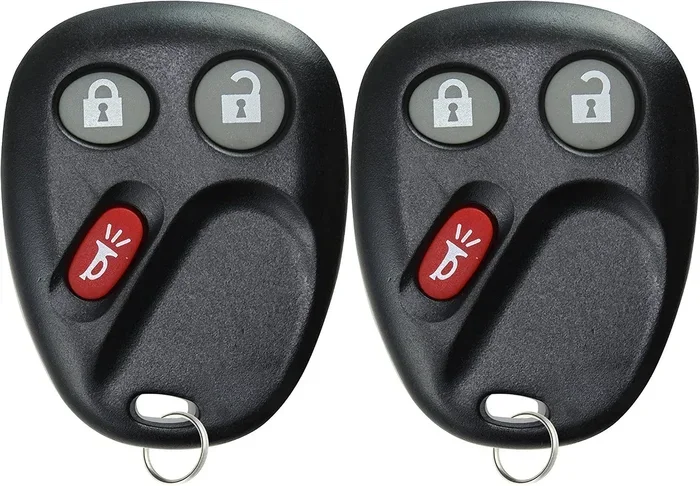
The standard car fob is the most common type. It has physical buttons for locking, unlocking, and triggering the alarm. You must press a button on the car fob to perform any action. These fobs are reliable and affordable to replace.
Smart Key or Proximity Fob
A smart key or proximity fob does not require you to press any buttons. The car detects the fob’s presence and automatically unlocks the doors when you approach. To start the engine, you simply press the start button while the fob is inside the vehicle.
Smart key systems use proximity sensors to communicate with the car fob. They offer a higher level of convenience and a more premium feel. Many newer vehicles from brands like Toyota, BMW, and Tesla use this technology.
Phone-as-a-Fob Systems
Some modern vehicles allow you to use your smartphone as a car fob. You can lock, unlock, and start your car using a dedicated app on your phone. This eliminates the need for a physical car fob altogether.
Phone-as-a-fob systems use Bluetooth or ultra-wideband technology to communicate with the car. They are gaining popularity, especially among tech-savvy drivers who prefer a minimalist approach.
Comparison Table: Types of Car Fobs
| Type | Button Required | Range | Security Level | Common In |
|---|---|---|---|---|
| Standard Remote Fob | Yes | Up to 100 feet | Medium | Most vehicles |
| Smart Key Fob | No | Up to 30 feet | High | Luxury and newer models |
| Phone-as-a-Fob | No | Varies | High | Tech-forward vehicles |
Why Your Car Fob Matters for Vehicle Security
Your car fob does much more than lock and unlock your doors. It plays a critical role in protecting your vehicle from theft and unauthorized access.
The Security Code System
Every time you press a button on your car fob, it sends a unique rolling code. This code changes every time you use the fob. The car’s receiver also generates the same rolling code using a synchronized algorithm. If the codes match, the car responds to the command.
This rolling code system is a powerful security feature. It prevents thieves from intercepting your signal and creating a duplicate car fob. Even if someone recorded your signal, it would not work again because the code has already changed.
The Immobilizer Connection
As mentioned earlier, many car fobs contain a transponder chip that communicates with the car’s immobilizer. The immobilizer is an electronic security device that prevents the engine from running unless the correct transponder code is detected.
This means that even if a thief manages to break into your car, they still cannot start the engine without the correct car fob. The immobilizer adds an extra layer of protection that has proven highly effective in reducing vehicle theft.
Common Security Threats to Watch For
While car fob technology is secure, there are a few threats you should be aware of:
- Signal relay attacks: Thieves use devices to amplify the signal from your car fob while it is inside your home. This tricks your car into thinking the fob is nearby.
- Signal jamming: A jammer blocks the signal between your car fob and the car, preventing the doors from locking.
- Fob cloning: In rare cases, thieves can clone a basic car fob that uses a static code instead of a rolling code.
To protect against these threats, store your car fob in a signal-blocking pouch when at home. Also, consider parking in well-lit areas and keeping your vehicle software up to date.
Common Car Fob Problems and How to Fix Them
Even the best car fob can develop problems over time. The good news is that most issues are easy to fix without a trip to the mechanic.
Dead Battery
The most common reason a car fob stops working is a dead battery. Most car fob batteries last between one and two years. If your car fob has reduced range or stops working entirely, the battery is likely the culprit.
Replacing the battery is simple and inexpensive. Most car fobs use a small coin-cell battery, such as a CR2032. You can buy one at any hardware store or pharmacy for just a few dollars. Open the fob, swap out the old battery, and you are good to go.
Signal Interference
Sometimes the problem is not with the car fob itself but with signal interference. Other electronic devices, tall buildings, or even power lines can disrupt the radio frequency signal between your fob and your car.
If your car fob works inconsistently, try moving to a different location. Standing closer to your car can also help. If the problem persists, the issue may be with the car’s receiver rather than the fob.
Water Damage
Car fobs are not waterproof. If your fob gets wet, the internal electronics can short out. This is a common problem, especially during rainy seasons or if you accidentally drop your fob in water.
If your car fob gets wet, remove the battery immediately and let the device dry completely before reinserting the battery. If the fob still does not work after drying, you may need to replace it entirely.
Worn-Out Buttons
The buttons on your car fob are used constantly. Over time, they can become worn out or unresponsive. If you notice that certain buttons are harder to press or do not work at all, it might be time for a replacement car fob.
Before replacing the entire fob, you can try cleaning the buttons with contact cleaner. Sometimes grime and dirt build up under the buttons, causing them to stick. A quick cleaning might solve the problem.
Maintaining and Replacing Your Car Fob
Taking care of your car fob can extend its lifespan and keep it working reliably for years. Here are some practical tips to help you maintain and replace your device when needed.
Battery Replacement Tips
Replacing the battery in your car fob should be part of your regular vehicle maintenance routine. Most experts recommend changing the battery once a year, even if it still seems to work. This prevents unexpected failures and ensures your car fob always has a strong signal.
When replacing the battery, use a high-quality brand. Cheap batteries may not last as long and could leak, damaging the internal components of your car fob. Keep spare batteries in your glove box so you are always prepared.
When to Replace the Entire Car Fob
There comes a time when replacing the battery is not enough. If your car fob is physically damaged, the buttons are consistently unresponsive, or the fob has been exposed to water, you may need a full replacement.
Replacing a car fob can be expensive. A new car fob from a dealership can cost anywhere from $50 to $400 or more, depending on your vehicle. However, you can save money by purchasing a replacement fob online and having it programmed at a local locksmith or auto parts store.
Programming Your New Car Fob
When you get a new car fob, you will need to program it to work with your vehicle. Some vehicles allow you to program the fob yourself using the steps in your owner’s manual. Others require a professional to handle the programming.
Make sure you have the correct key fob for your specific vehicle model. Using an incompatible fob can cause errors and may even damage your car’s electronic systems. Always double-check the part number before purchasing a replacement.
Expert Insight on Car Fob Maintenance
Automotive experts recommend treating your car fob with the same care you give your car keys. Keep it clean, store it in a safe place, and replace the battery regularly. A well-maintained car fob will serve you reliably for many years.
Also, consider having a backup car fob on hand. If your primary fob fails, having a spare means you are not stranded. Many people forget to get a second fob, and then they find themselves in a difficult situation when the first one stops working.
The Future of Car Fob Technology
The car fob is evolving rapidly. As automotive technology advances, the way we interact with our vehicles is changing dramatically.
Biometric Access
Some automakers are experimenting with biometric access systems. Instead of using a car fob, you could unlock and start your car using your fingerprint or facial recognition. This technology is already appearing in some high-end vehicles and is expected to become more widespread.
Digital Keys and Ultra-Wideband
Ultra-wideband technology is the next generation of car fob communication. It offers more precise location tracking and faster data transfer. This means your car can detect exactly where your phone or smart device is, enabling features like hands-free entry and personalized settings.
Integration with Smart Home Systems
The future of the car fob may also include integration with smart home technology. Imagine pulling into your driveway and having your car communicate with your home automation system. The doors could unlock, the lights could turn on, and your preferred temperature settings could activate, all automatically.
While these technologies are still developing, they point to a future where the traditional car fob may become obsolete. However, for now, the car fob remains an essential tool for every vehicle owner.
Final Thoughts
So, what does a car fob stand for? It stands for “frequency-operated button,” a small but powerful device that controls access to your vehicle. From locking your doors to starting your engine, the car fob is an integral part of modern driving.
Understanding how your car fob works, why it matters, and how to maintain it can make your life easier and your vehicle more secure. Whether you drive a compact sedan or a luxury SUV, your car fob is one of the most-used accessories in your daily routine.
Take a moment to appreciate this little device. It may be small, but it plays a big role in your everyday life. Keep your car fob in good shape, replace the battery on schedule, and consider having a backup. Your future self will thank you when your fob works perfectly every single time.
The world of car fob technology is constantly evolving. New features, better security, and greater convenience are on the horizon. But no matter how advanced things get, the basic purpose of the car fob will remain the same: to give you easy, secure access to your vehicle at the touch of a button.
Frequently Asked Questions
What does a car fob stand for exactly?
A car fob stands for “frequency-operated button.” It refers to the small handheld device that uses radio frequency signals to communicate with your vehicle for functions like locking, unlocking, and starting the engine.
How do I know when my car fob battery needs replacing?
Signs of a weak car fob battery include reduced range, delayed response, and needing to press buttons multiple times. Most car fob batteries last one to two years, so replacing them annually is a good preventive measure.
Can I replace my car fob battery myself?
Yes, replacing a car fob battery is usually a simple DIY task. Most car fobs use a CR2032 coin-cell battery. You just need a small flathead screwdriver to open the fob, swap the old battery, and snap it back together.
Why does my car fob stop working sometimes?
Signal interference, a dead battery, water damage, or a worn-out transmitter can cause your car fob to stop working. Try replacing the battery first, and if the problem persists, consult a professional locksmith or dealership.
Is it expensive to replace a car fob?
The cost varies depending on your vehicle. A basic car fob replacement can cost $50 to $100, while smart key fobs for luxury vehicles can range from $200 to $400 or more. Programming fees may apply separately.
Can someone steal my car using my car fob?
Modern car fobs use rolling codes and transponder chips that make theft difficult. However, signal relay attacks are a known threat. Store your car fob in a signal-blocking pouch at home and park in well-lit areas to reduce risk.