Can I Use Unleaded 88 in My Car or Will It Cause Problems
Unleaded 88 is a newer fuel blend with 15% ethanol that is gaining popularity at gas stations across the U.S. Most cars built after 2001 can safely use unleaded 88, but older vehicles and small engines may face serious issues. Always check your owner’s manual before filling up with this fuel type.
You pull up to the gas station and notice a new fuel option on the pump. It says unleaded 88 on the label. You have used regular gasoline your whole life. Now this new fuel is staring you in the face. Should you use it? Does it work with your car? Or will it cause expensive problems down the road?
Unleaded 88 is a fuel blend that contains 15% ethanol and 85% gasoline. It has a higher octane rating of 88 compared to the standard 87 octane fuel most drivers use every day. The ethanol content makes it different from traditional gasoline. This blend is also known as E15 fuel in the industry. It has been approved for sale in the United States since 2001 for light-duty vehicles. But that does not mean every car can use it safely.
The short answer is yes, most modern cars can use unleaded 88 without problems. However, there are important exceptions. Older vehicles, small engines, and certain car models should never use this fuel. Understanding the differences between fuel types can save you money and protect your engine. This guide breaks down everything you need to know about unleaded 88 before your next trip to the pump.
Key Takeaways
- Unleaded 88 is safe for most modern cars: Vehicles made after 2001 are generally approved for this fuel blend.
- Older cars and small engines should avoid it: Pre-2001 vehicles, boats, and lawn equipment can suffer damage.
- Unleaded 88 is cheaper than regular gasoline: You may save money at the pump without sacrificing performance.
- Check your owner’s manual first: Your car manufacturer lists the approved fuel types for your specific model.
- Fuel economy may drop slightly: Ethanol has less energy than pure gasoline, so you might notice a small decrease.
- Using the wrong fuel can void your warranty: Always confirm compatibility before switching fuel types.
📑 Table of Contents
- What Is Unleaded 88 and How Does It Differ from Regular Gasoline?
- Which Cars Can Safely Use Unleaded 88?
- What Happens If You Put Unleaded 88 in the Wrong Vehicle?
- Benefits and Drawbacks of Using Unleaded 88
- How to Know Which Fuel Grade Your Car Actually Needs
- Expert Insights on Unleaded 88 and Modern Engines
- Common Mistakes Drivers Make with Unleaded 88
- Conclusion
What Is Unleaded 88 and How Does It Differ from Regular Gasoline?
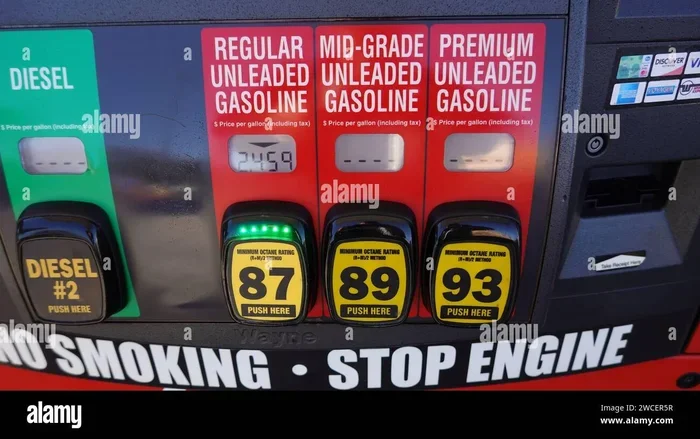
Let us start with the basics. Fuel at the pump comes in different grades. The most common ones are regular (87 octane), midgrade (89 octane), and premium (91 or 93 octane). Unleaded 88 slots in between regular and midgrade. It has an octane rating of 88, which helps prevent engine knock. Engine knock is a harmful rattling sound that happens when fuel burns unevenly in the combustion chamber.
The Role of Ethanol in Unleaded 88
What makes unleaded 88 unique is its ethanol content. Regular gasoline contains up to 10% ethanol, which is called E10. Unleaded 88 contains 15% ethanol, making it E15 fuel. Ethanol is a renewable fuel made from corn and other plant materials. It burns cleaner than pure gasoline in some ways. But it also has less energy per gallon. This means your fuel economy might drop slightly when you use E15 fuel.
Here is a simple way to think about it. Ethanol is like a lighter fuel. It burns faster and cooler than gasoline. Adding more ethanol to the mix changes how the engine performs. For newer engines designed to handle it, this is not a problem. But for older engines, those changes can cause real trouble.
Where Can You Find Unleaded 88?
Unleaded 88 is becoming more common at gas stations. Major brands like Shell, BP, and Speedway offer it in many states. The Renewable Fuels Association tracks its availability across the country. As of now, more than 2,000 stations sell this fuel type. You will find it mostly in the Midwest and Great Plains. But its reach is growing every year. Look for a yellow cap or a specific label on the pump to identify it.
Which Cars Can Safely Use Unleaded 88?
This is the most important question to answer. Not every vehicle is built the same way. Car manufacturers test their engines with specific fuel types. They approve certain fuel grades based on engine design, compression ratios, and fuel system components. Using an unapproved fuel can lead to damage and costly repairs.
Vehicles Made After 2001
The EPA approved unleaded 88 for all light-duty vehicles made after 2001. This covers the vast majority of cars on the road today. Most carmakers, including Ford, Chevrolet, Toyota, and Honda, support this fuel blend for their post-2001 models. If your car was built in the last 20 years, there is a strong chance it can handle unleaded 88 just fine.
Flex Fuel Vehicles
Some cars are labeled as flex fuel vehicles. These cars can run on any blend of gasoline and ethanol up to E85. Unleaded 88 falls well within that range. If your car has a flex fuel badge or a yellow gas cap, it is designed to handle higher ethanol blends. Using unleaded 88 in a flex fuel vehicle is perfectly safe and often recommended as a cost-saving option.
Cars That Should Avoid Unleaded 88
Not every car is compatible. Vehicles made before 2001 should not use E15 fuel. The fuel systems in older cars were not designed to handle higher ethanol levels. Ethanol can corrode rubber seals, metal parts, and fuel lines in older engines. This includes classic cars, vintage trucks, and older SUVs.
Also, small engines should never use unleaded 88. This includes lawn mowers, chainsaws, boats, ATVs, and generators. These engines use simple carburetors that cannot handle the ethanol blend. Ethanol attracts moisture, which can cause fuel system corrosion and starting problems in small engines.
What Happens If You Put Unleaded 88 in the Wrong Vehicle?
Using the wrong fuel grade is a common mistake. Many drivers pull into a gas station and grab the cheapest option without thinking. But putting unleaded 88 in a car that cannot handle it can lead to several problems.
Engine Knock and Performance Issues
Engine knock is one of the first signs of fuel incompatibility. It sounds like a pinging or rattling noise coming from the engine. This happens when the fuel ignites at the wrong time in the combustion chamber. Older engines that are not designed for E15 fuel are more prone to this issue. Persistent engine knock can damage pistons, valves, and other internal parts over time.
Fuel System Corrosion
Ethanol is a solvent. It can break down certain materials found in older fuel systems. Rubber gaskets, fuel lines, and seals can degrade when exposed to higher ethanol blends. This is a slow process, but it can lead to fuel leaks and expensive repairs. Corrosion in the fuel pump and fuel injector can also reduce engine performance.
Warranty Concerns
Using an unapproved fuel type can void your vehicle warranty. If your car engine suffers damage and the mechanic finds you were using unleaded 88 in a vehicle that does not support it, the manufacturer may deny the claim. Always check your owner’s manual or consult your dealer before switching fuel types. This is especially important for newer cars that are still under warranty coverage.
Short-Term vs. Long-Term Effects
If you accidentally put unleaded 88 in a car that should not use it, do not panic. One tank of E15 fuel is unlikely to cause immediate catastrophic damage. However, you should avoid making it a habit. Short-term effects might include slight engine roughness or reduced power. Long-term use in incompatible vehicles can lead to serious and costly engine problems.
Benefits and Drawbacks of Using Unleaded 88
Like any fuel type, unleaded 88 has its pros and cons. Understanding both sides helps you make an informed decision at the pump.
The Benefits
- Lower cost: Unleaded 88 is often 10 to 30 cents cheaper per gallon than regular gasoline. Over time, these savings add up.
- Higher octane: The 88 octane rating helps prevent engine knock in compatible vehicles.
- Cleaner burning: Ethanol burns more cleanly than pure gasoline, which can reduce certain emissions.
- Supports domestic fuel production: Ethanol is made from corn, which supports American farmers and reduces dependence on foreign oil.
- Widely available: More gas stations are offering this fuel type every year.
The Drawbacks
- Lower fuel economy: Ethanol contains less energy than gasoline. You may notice a slight drop in miles per gallon when using unleaded 88.
- Compatibility issues: Not all vehicles can use this fuel. Older cars and small engines are at risk of damage.
- Moisture absorption: Ethanol attracts water from the air, which can cause fuel system problems over time.
- Limited availability: Not every gas station carries unleaded 88, especially outside the Midwest.
- Potential warranty issues: Using unapproved fuel in a covered vehicle can void your warranty.
Quick Tips for Using Unleaded 88
- Always read your owner’s manual before switching to a new fuel type.
- Look for the yellow cap or flex fuel badge on your vehicle to confirm compatibility.
- Start with a half tank if you are trying unleaded 88 for the first time. This lets you monitor how your car responds.
- Keep receipts if you are concerned about warranty coverage for fuel-related issues.
- Avoid using E15 fuel in small engines like generators, boats, and lawn equipment.
How to Know Which Fuel Grade Your Car Actually Needs
Finding the right fuel for your car does not have to be confusing. Every vehicle comes with manufacturer guidelines that tell you exactly which fuel types are safe to use.
Check the Owner’s Manual
The owner’s manual is your best resource. Look for the fuel section, which is usually found in the maintenance or specifications chapter. It will list the recommended fuel grade and any fuel types to avoid. If the manual says your car can use E15 fuel or higher octane blends, then unleaded 88 is safe for you.
Look Inside the Fuel Door
Many cars have a sticker inside the fuel door or on the filler neck. This label tells you the recommended fuel type. It may also show whether your car is a flex fuel vehicle. If you see a label that says E10 or E15 is acceptable, you can safely use unleaded 88.
Consult Your Dealer
When in doubt, call your car dealer. They have access to your vehicle’s specifications and can confirm whether unleaded 88 is compatible. This is especially helpful if you own a newer car and want to confirm before making the switch. Dealers can also tell you if using E15 fuel affects your warranty in any way.
Use the Fuel Grade Comparison Table
| Fuel Type | Octane Rating | Ethanol Content | Compatible With |
|---|---|---|---|
| Regular | 87 | Up to 10% | Most cars |
| Midgrade | 89 | Up to 10% | Most cars |
| Premium | 91-93 | Up to 10% | High-performance engines |
| Unleaded 88 | 88 | 15% | Cars 2001+ and flex fuel vehicles |
As you can see from the table, unleaded 88 offers a unique octane and ethanol combination. It is not the same as midgrade gasoline. The higher ethanol content is what sets it apart from traditional fuel grades. Always match your fuel choice to your vehicle’s specifications.
Expert Insights on Unleaded 88 and Modern Engines
Automotive engineers have studied the effects of E15 fuel on modern engines for years. The general consensus is that unleaded 88 is safe and effective for vehicles designed to use it. Modern fuel injection systems and engine control units can adjust to different fuel blends. This is why post-2001 vehicles handle E15 fuel so well.
However, experts also warn that not all gas stations maintain fuel quality the same way. Contaminated fuel or improperly stored ethanol blends can cause problems regardless of your vehicle type. It is always a good idea to buy fuel from reputable stations with high turnover rates. Fresh fuel is less likely to have moisture contamination or degradation issues.
Some automotive experts also point out that unleaded 88 is not a performance fuel. It will not make your engine run faster or smoother. It simply provides a higher octane rating at a lower price. If you are looking for a performance boost, premium gasoline or racing fuel is a better choice. But for everyday driving in a compatible vehicle, unleaded 88 is a solid and economical option.
Common Mistakes Drivers Make with Unleaded 88
Even informed drivers sometimes make mistakes when it comes to fuel choices. Here are the most common errors to avoid.
- Assuming all gas stations carry it: Not every station has unleaded 88. Always check before you drive out of your way.
- Ignoring the owner’s manual: The manual is the final authority on what fuel your car needs. Do not rely on advice from friends or social media posts.
- Using it in small engines: Lawn mowers, chainsaws, and boats should never use E15 fuel. The ethanol content will damage these engines over time.
- Assuming higher octane means better performance: Unleaded 88 has a higher octane than regular gasoline, but that does not mean it improves engine power in vehicles that do not require it.
- Mixing fuel types frequently: Switching between E10 and E15 frequently can confuse your fuel system. Stick with one fuel type once you confirm compatibility.
Conclusion
Unleaded 88 is a safe and affordable fuel option for most modern vehicles. If your car was built after 2001, there is a good chance you can use this fuel blend without any problems. It offers a higher octane rating at a lower price point, which makes it an attractive choice for daily drivers and commuters. However, older vehicles, small engines, and certain specialty equipment should never use E15 fuel. The risks of engine damage, fuel system corrosion, and warranty voiding are simply not worth it.
The best approach is simple. Check your owner’s manual, look for compatibility labels on your vehicle, and talk to your dealer if you are unsure. Once you confirm that your car can handle unleaded 88, you can fill up with confidence and enjoy the savings. Fuel choices may seem confusing at first, but a little knowledge goes a long way. Stay informed, stay safe, and keep your car running smoothly for years to come.
Frequently Asked Questions
Is unleaded 88 the same as E15 fuel?
Yes, unleaded 88 is the retail name for E15 fuel. It contains 15% ethanol and 85% gasoline, with an octane rating of 88. You will see both terms used interchangeably at gas stations.
Can I use unleaded 88 in a 2005 car?
Most likely yes. The EPA approved unleaded 88 for all light-duty vehicles made after 2001. A 2005 car should be fully compatible. However, always check your owner’s manual to confirm.
Will unleaded 88 void my car warranty?
It can, if your vehicle does not support E15 fuel. Car manufacturers approve specific fuel types for each model. Using an unapproved fuel like unleaded 88 in an incompatible vehicle may lead to a denied warranty claim.
Does unleaded 88 improve gas mileage?
No, it may actually reduce fuel economy slightly. Ethanol has less energy than pure gasoline. You might notice a small decrease in miles per gallon when using unleaded 88 compared to regular E10 gasoline.
Can I use unleaded 88 in my lawn mower or boat?
No, absolutely not. Small engines like those in lawn mowers, boats, chainsaws, and generators are not designed for E15 fuel. The ethanol content can cause corrosion, starting problems, and permanent engine damage in these machines.
Why is unleaded 88 cheaper than regular gasoline?
Unleaded 88 costs less because ethanol is cheaper to produce than pure gasoline. The blend of 15% ethanol and 85% gasoline keeps the overall cost lower. You can typically save 10 to 30 cents per gallon compared to regular E10 fuel.