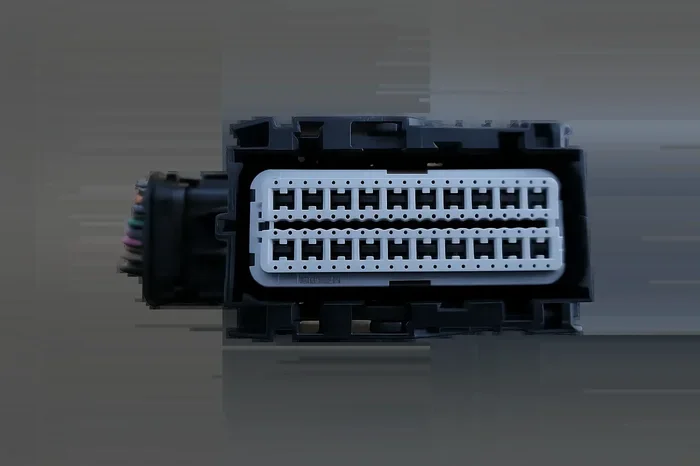
What Is a PCM Connector Everything You Need To Know
A PCM connector is the electrical link between your vehicle’s powertrain control module and the rest of the car. It carries signals that help your engine run smoothly, manage fuel injection, and communicate with other systems. Understanding this small but powerful component can save you time, money, and headaches when diagnosing car problems.
If you have ever wondered what makes your car “think,” the answer starts with a small but mighty component called the PCM connector. This tiny piece of hardware plays a huge role in how your vehicle operates every single day. Without it, your engine would not know how to adjust fuel, timing, or emissions. In this guide, we will break down everything you need to know about the PCM connector in plain, simple language.
Whether you are a DIY mechanic or just a curious car owner, this article will help you understand why the PCM connector matters so much. We will cover what it does, how it works, common problems, and how to fix them. By the end, you will have a solid grasp of one of the most important electrical components in modern vehicles.
Key Takeaways
- The PCM connector acts as the brain’s communication hub, linking the powertrain control module to engine sensors and other vehicle systems.
- A damaged or corroded PCM connector can cause serious engine problems, including misfires, poor fuel economy, and check engine lights.
- There are different types of PCM connectors depending on your vehicle make, model, and year, so always match the right one.
- Testing a PCM connector is straightforward with a multimeter and basic knowledge of the wiring diagram.
- Replacing a faulty PCM connector is often cheaper than replacing the entire powertrain control module.
- Regular inspection of your PCM connector can prevent costly repairs and keep your vehicle running at peak performance.
📑 Table of Contents
What Is a PCM Connector?
The PCM connector is the electrical plug that connects the powertrain control module to your vehicle’s wiring harness. Think of the PCM as your car’s brain. The connector is like the bridge between that brain and the rest of the body. It allows data to flow back and forth between the engine control unit and various sensors, switches, and actuators throughout the vehicle.
In simple terms, the PCM connector makes sure your engine gets the right information at the right time. It receives input from engine sensors like the oxygen sensor, crankshaft position sensor, and throttle position sensor. Then it processes that data and sends commands to components like fuel injectors and the ignition system.
How the PCM Connector Fits Into the System
Modern vehicles rely heavily on electronic control. The powertrain control module manages everything from fuel delivery to emission controls. The PCM connector is the physical point where all of this communication happens. Without a working connector, the PCM cannot “talk” to the engine or transmission.
Here is a quick look at what the PCM connector handles on a daily basis:
- Sensor signals from the engine and transmission
- Power supply to keep the PCM running
- Ground connections for stable electrical flow
- Data communication with the OBD-II port
- Commands to actuators like solenoids and motors
Every one of these functions depends on a clean, secure connection at the PCM connector. Even a loose pin or a bit of corrosion can disrupt the entire system.
Types of PCM Connectors
Not all PCM connectors are the same. Different vehicles use different styles, pin counts, and configurations. The type of connector depends on the make, model, engine size, and year of production. Let us look at the main types you might encounter.
OEM vs Aftermarket PCM Connectors
OEM connectors are made by the original manufacturer. They are designed to fit perfectly and meet factory specifications. Aftermarket connectors are made by third-party companies and can be a more affordable option. However, quality varies, so always buy from a reputable supplier.
| Feature | OEM Connector | Aftermarket Connector |
|---|---|---|
| Fit and finish | Exact factory match | Varies by brand |
| Durability | High-grade materials | Depends on manufacturer |
| Price | Higher cost | More affordable |
| Warranty | Usually included | Varies widely |
| Availability | Dealer or specialty shops | Widely available online |
Connector Pin Counts and Configurations
PCM connectors come in various pin configurations. Common counts include 32-pin, 42-pin, 56-pin, and 70-pin connectors. The pin count determines how many signals the connector can handle. A higher pin count usually means more sensors and features are connected.
When replacing a PCM connector, always match the pin count exactly. A wrong connector will not work, even if it looks similar. Check your wiring diagram or consult a vehicle-specific repair manual before purchasing a replacement.
Connector Housing Styles
Most PCM connectors use either a rectangular or oval housing. The housing protects the pins and wires from moisture, dirt, and physical damage. Some connectors feature a locking mechanism that clicks into place, while others use a simple press-fit design. The housing style matters because it affects how securely the connector stays attached.
How Does a PCM Connector Work?
Now that you know what a PCM connector is, let us talk about how it actually works. The process is simpler than you might think.
The PCM connector receives electrical signals from various engine sensors. These signals tell the PCM things like engine temperature, air intake, and exhaust oxygen levels. The PCM processes this data in milliseconds and decides what adjustments to make. Then it sends output signals through the connector to components that need action.
For example, if the oxygen sensor detects a lean fuel mixture, it sends a signal through the PCM connector to the powertrain control module. The PCM then adjusts the fuel injector pulse width to add more fuel. All of this happens in a fraction of a second.
The Role of Signal Voltage
Signal voltage is the language the PCM connector uses to communicate. Most sensors send a signal voltage between 0.5 and 4.5 volts. The PCM reads this voltage and interprets the data. If the voltage is out of range, the PCM may store a diagnostic trouble code and trigger the check engine light.
Communication Protocols
Modern vehicles use communication protocols like CAN bus or ISO 9141 to share data between modules. The PCM connector is one of the key access points for these communication lines. When a technician hooks up a scan tool to the OBD-II port, they are tapping into the data stream that flows through the PCM connector.
Common PCM Connector Problems
Like any electrical component, the PCM connector can develop problems over time. Some issues are minor, while others can cause serious drivability concerns. Let us look at the most common problems you might face.
Corrosion and Moisture Damage
Corrosion is one of the biggest enemies of the PCM connector. Moisture can seep into the connector housing, especially if the seal is damaged. Once corrosion sets in, it creates resistance in the electrical connection. This can cause intermittent signals, false readings, and even complete signal loss.
You might notice corrosion as green or white buildup on the pins. In some cases, the damage is not visible from the outside. This is why regular inspection is so important.
Loose or Bent Pins
A loose or bent pin inside the PCM connector can cause a poor connection. This often happens when the connector is plugged in or unplugged carelessly. Even a slightly bent pin can disrupt the signal and trigger diagnostic trouble codes.
If you suspect a bent pin, do not try to straighten it with metal tools. Use a small needle or a pin straightening tool designed for connectors. Forcing the pin can break it entirely.
Wiring Harness Damage
The wires leading to and from the PCM connector can become damaged over time. Chafing against sharp edges, heat exposure, and rodent damage are common causes. A damaged wiring harness can mimic PCM failure symptoms, which makes diagnosis tricky.
Always inspect the wiring near the PCM connector before replacing the module itself. In many cases, the problem is a frayed wire, not a bad PCM.
Heat Damage
The PCM connector is often located near the engine, where temperatures can soar. Prolonged exposure to heat can melt the connector housing or weaken the pins. This is especially common in vehicles that are used for towing or in hot climates.
How to Test a PCM Connector
Testing a PCM connector does not require advanced skills. With a basic multimeter and a wiring diagram, you can check for the most common issues. Here is a simple step-by-step approach.
Step 1: Disconnect the PCM connector from the powertrain control module. Make sure the ignition is off.
Step 2: Inspect the connector visually. Look for bent pins, corrosion, or damaged wires. Clean any corrosion with electrical contact cleaner.
Step 3: Set your multimeter to the continuity setting. Test each pin to make sure there is a complete circuit. A lack of continuity means a broken wire or a bad pin.
Step 4: Check the signal voltage at each pin while the engine is running. Compare your readings to the values listed in the wiring diagram. Out-of-range readings indicate a problem with that specific circuit.
Step 5: Test for proper ground connections. A bad ground can cause all kinds of erratic behavior in the engine control unit. Use the multimeter to measure resistance between the ground pin and a known good ground point. It should read less than 0.5 ohms.
Quick Tip: Always refer to a vehicle-specific wiring diagram before testing. Generic diagrams may not match your exact connector layout. A vehicle-specific repair manual or online database is your best friend here.
How to Replace a PCM Connector
If your PCM connector is damaged beyond repair, you will need to replace it. The good news is that this is a job most DIYers can handle with basic tools. Here is how to do it right.
What You Will Need
- A replacement PCM connector that matches your vehicle
- A set of precision screwdrivers
- Electrical contact cleaner
- A multimeter for testing
- A wiring diagram for your vehicle
- Electrical tape or heat shrink tubing
Step-by-Step Replacement Process
Step 1: Disconnect the negative battery terminal. This prevents any electrical shorts while you work.
Step 2: Locate the PCM connector. It is usually found near the powertrain control module, which is often mounted in the engine compartment or under the dashboard. Check your vehicle manual for the exact location.
Step 3: Carefully unplug the old connector. Squeeze the locking tab if there is one, and pull straight out. Do not yank or twist the wires.
Step 4: Remove the old connector from the harness. Some connectors are crimped on, while others are soldered. If it is crimped, use a crimping tool to remove it cleanly. If it is soldered, you will need to desolder the old connection.
Step 5: Prep the wires for the new connector. Strip the ends, tin them with solder, and crimp the new connector pins in place. Make sure each wire goes to the correct pin.
Step 6: Plug in the new PCM connector and reconnect the battery. Use your multimeter to verify that the signal voltage readings are within range.
Step 7: Clear any stored diagnostic trouble codes with an OBD-II scanner. Take the vehicle for a test drive to make sure everything is working properly.
Common Mistake: One of the biggest mistakes people make is not matching the replacement connector exactly. A connector that looks similar may have a different pin configuration. Always double-check the part number against your vehicle specifications. Using the wrong PCM connector can damage the powertrain control module or cause erratic engine behavior.
Expert Insights on PCM Connector Maintenance
Keeping your PCM connector in good shape can save you a lot of trouble down the road. Here are some expert tips that seasoned mechanics follow.
Inspect Regularly
Make it a habit to visually inspect your PCM connector during every oil change or major service. Look for signs of corrosion, loose pins, or damaged wiring. Catching a small problem early can prevent a big repair bill later.
Use Dielectric Grease
Applying a thin layer of dielectric grease to the connector pins can protect against moisture and corrosion. This simple step extends the life of your PCM connector and ensures a solid electrical connection.
Avoid Aftermarket Add-Ons
Aftermarket electronics like extra lights, audio systems, or performance chips can sometimes interfere with the PCM connector. If you do install add-ons, make sure they are wired properly and do not overload the circuits connected to the PCM.
Keep Spare Connectors on Hand
If your vehicle is older or prone to connector issues, it is a good idea to keep a spare PCM connector in your garage. Having a replacement ready can save you hours of downtime if something goes wrong unexpectedly.
When to Seek Professional Help
While many PCM connector issues can be fixed at home, some situations call for a professional. If you have tested the connector and everything checks out, but your vehicle still has problems, the issue may be deeper inside the powertrain control module itself. In that case, it is best to consult a certified mechanic or a specialist in engine control unit repair.
Also, if you are not comfortable working with electrical components, there is no shame in asking for help. A professional can diagnose the issue quickly and safely, saving you time and potential mistakes.
Key Takeaways
- The PCM connector is the electrical bridge between the powertrain control module and the rest of your vehicle.
- A damaged connector can mimic serious engine problems, so always inspect it before replacing expensive parts.
- Matching the correct connector type is essential for a successful replacement.
- Regular maintenance like cleaning and dielectric grease application can extend the life of your connector.
- Testing with a multimeter and wiring diagram helps you identify issues quickly and accurately.
- Replacing a PCM connector is often a DIY-friendly job that saves money compared to professional repairs.
Conclusion
The PCM connector might be small, but its role in your vehicle is enormous. It is the critical link that allows your powertrain control module to communicate with every sensor, actuator, and system in the engine. Without a functioning PCM connector, your vehicle would struggle to run efficiently, safely, or reliably.
By understanding how the PCM connector works, recognizing common problems, and knowing how to test and replace it, you take control of your vehicle’s health. Whether you are a seasoned DIYer or a car owner who wants to be more informed, this knowledge is incredibly valuable.
Keep your connectors clean, your wiring intact, and your connections secure. A little attention to the PCM connector today can prevent major headaches tomorrow. Your engine will thank you with better performance, improved fuel economy, and fewer trips to the repair shop.
Frequently Asked Questions
What does a PCM connector do?
The PCM connector serves as the electrical link between the powertrain control module and your vehicle’s sensors, actuators, and wiring harness. It carries signal voltage and data that allow the PCM to manage engine functions like fuel injection, ignition timing, and emissions control.
Can a bad PCM connector cause a check engine light?
Yes, a faulty or corroded PCM connector can trigger the check engine light. When the connector fails to deliver proper signals, the PCM may receive incorrect data and store diagnostic trouble codes. Always inspect the connector before assuming the PCM itself is the problem.
How much does it cost to replace a PCM connector?
A replacement PCM connector typically costs between $20 and $100, depending on the vehicle make and model. If you do the work yourself, you save on labor charges. Professional installation may add $50 to $150 in labor costs.
Is it hard to replace a PCM connector?
For most people with basic mechanical skills, replacing a PCM connector is a manageable DIY project. You need a multimeter, a wiring diagram, and basic hand tools. The hardest part is often locating and accessing the connector in your specific vehicle.
What causes PCM connector failure?
The most common causes include corrosion from moisture, heat damage near the engine, bent or loose pins, and chafed wiring in the wiring harness. Regular inspection and proper maintenance can help prevent many of these issues.
Can I use an aftermarket PCM connector?
Yes, aftermarket PCM connectors are available and can work well. However, quality varies by brand. Always choose a connector that matches the original pin count, configuration, and wire gauge. Check reviews and buy from reputable suppliers to ensure a reliable fit.