Can I Lose My House Due to an At-Fault Car Accident
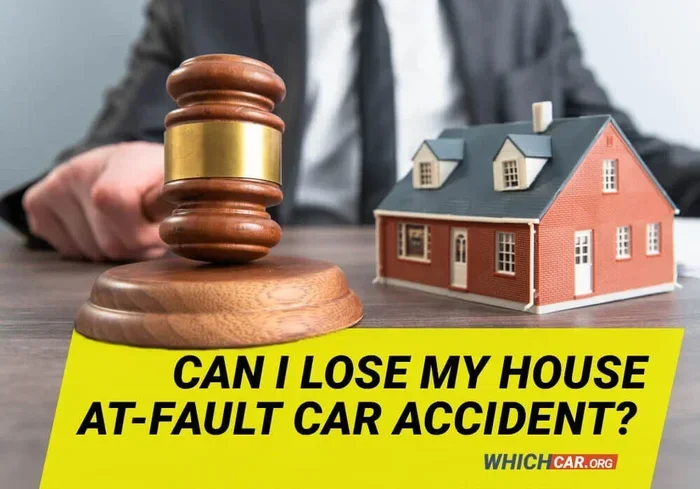
Many homeowners worry: can I lose my house due to an at-fault car accident? The short answer is yes, it is possible under certain circumstances. When an at-fault accident leads to a lawsuit and the damages exceed your insurance coverage, a court judgment can target your home equity and other assets. Understanding liability limits, lawsuit judgments, and asset protection strategies is essential for every driver and homeowner.
Every driver worries about car accidents. But most people never think about what happens to their house afterward. The truth is that an at-fault car accident can put your home at serious risk. Many drivers assume their auto insurance covers everything. But that is not always true.
When a serious accident happens, the costs can pile up fast. Medical bills, vehicle repairs, and legal fees add up quickly. If the at-fault driver’s insurance coverage is not enough, the injured party can sue for the remaining amount. And if they win, that judgment can reach your home equity and other personal assets.
So can you lose your house because of an at-fault car accident? The answer depends on several factors. These include your insurance coverage limits, your state laws, and the size of the judgment. This article breaks down everything you need to know. We will walk you through how at-fault liability works, when your home is at risk, and what steps you can take to protect yourself.
Key Takeaways
- At-fault accidents can lead to lawsuits that go beyond insurance limits: If damages exceed your coverage, your personal assets including your home may be at risk.
- Umbrella insurance provides extra protection: A personal umbrella policy adds layers of liability coverage above your standard auto and home insurance.
- State exemptions protect some home equity: Many states have homestead exemptions that shield a portion of your home value from creditors.
- Quick action matters after a lawsuit: Responding promptly and working with a defense attorney can help you explore settlement options and protect your property.
- Minimum insurance coverage is often not enough: State minimums may leave you personally liable for the remaining balance after an accident.
- Asset protection planning is smart: Understanding your financial exposure before an accident happens puts you in a much stronger position.
📑 Table of Contents
- Understanding At-Fault Accidents and Financial Liability
- Can You Actually Lose Your House After an At-Fault Accident?
- The Role of Auto Insurance Coverage Limits
- How to Protect Your Home and Other Assets
- What to Do If You Are Facing Legal Action
- Common Mistakes That Put Your Home at Risk
- Key Takeaways and Final Thoughts
Understanding At-Fault Accidents and Financial Liability
Every car accident falls into one of two categories. One driver is at fault, or both drivers share fault. In a no-fault state, your own insurance pays for your injuries regardless of who caused the crash. But in a tort state, the at-fault driver is responsible for all damages. Most states in the U.S. follow the at-fault system.
What Does “At-Fault” Mean in a Car Accident?
Being at fault means you caused the accident. This could be due to speeding, distracted driving, running a red light, or any other negligent behavior. Insurance companies investigate the crash to determine who is at fault. They look at police reports, witness statements, and traffic camera footage.
Once fault is established, the at-fault driver’s insurance company must pay for the other party’s damages. These damages include:
- Bodily injury claims: This covers medical expenses, lost wages, and pain and suffering for injured parties.
- Property damage claims: This covers repairs to vehicles, buildings, fences, and other property damaged in the crash.
- Legal costs: If the case goes to court, the at-fault driver may also be responsible for attorney fees and court costs.
How Insurance Claims Work After an Accident
After an accident, the injured party files a claim with the at-fault driver’s insurance company. The insurer investigates the claim and makes a settlement offer. Most claims settle outside of court. The insurance company pays the agreed amount, and the case closes.
But here is where things get risky. Insurance policies have coverage limits. These are the maximum amounts the insurer will pay. If the damages exceed those limits, the at-fault driver becomes personally liable for the rest.
For example, imagine you cause a serious accident. The other driver’s medical bills total $150,000. Your auto insurance policy has a bodily injury limit of $100,000 per person. That leaves $50,000 uncovered. The injured driver can sue you for that remaining amount.
Can You Actually Lose Your House After an At-Fault Accident?
This is the question on every homeowner’s mind. The short answer is yes, it can happen. But it is not common in every situation. Let us look at exactly how this process works and when your home is most at risk.
When a Lawsuit Judgment Exceeds Insurance Coverage
If the injured party sues you and wins, the court issues a judgment. This judgment is a legal order stating that you owe a specific amount of money. If you cannot pay, the creditor can take steps to collect.
One of the most powerful collection tools is a property lien. A lien is a legal claim placed on your home. It means you cannot sell or refinance your property until the debt is satisfied. In some cases, the creditor can even force a sale of your home to recover the judgment amount.
The risk increases significantly when:
- The accident involved serious bodily injury or wrongful death.
- Your insurance coverage limits are low.
- The at-fault driver has significant home equity.
- The injured party has high medical bills and lost income.
- The court awards punitive damages on top of compensatory damages.
How a Judgment Can Target Your Home
Once a judgment is entered, the creditor has several options. They can garnish your wages, meaning a portion of your paycheck goes directly to the debt. They can freeze your bank accounts. And they can place a lien on your real estate property.
A lien on your home is particularly concerning because it affects your largest asset. If you try to sell your house, the judgment must be paid off from the proceeds first. This can make it very difficult to move or refinance.
However, not all home equity is fair game. Many states have homestead exemptions. These laws protect a portion of your home equity from creditors. The amount protected varies widely by state. Some states protect up to $50,000, while others protect $500,000 or more.
The Role of Auto Insurance Coverage Limits
Your insurance policy is the first line of defense after an at-fault accident. Understanding your coverage limits is critical. Many drivers choose the cheapest policy available. But low coverage can leave your home and savings exposed.
Minimum Coverage vs. Recommended Coverage
Every state sets minimum insurance requirements for drivers. These minimums are often very low. For example, some states require only $25,000 in bodily injury coverage per person and $50,000 per accident. Property damage minimums may be as low as $10,000 or $25,000.
These minimums were set decades ago. The cost of medical care, vehicle repairs, and legal settlements has risen dramatically. What was once considered adequate coverage is now dangerously insufficient in many serious accidents.
Here is a quick comparison of coverage levels:
| Coverage Type | State Minimum (Example) | Recommended Level | Annual Cost Difference |
|---|---|---|---|
| Bodily Injury Per Person | $25,000 | $100,000 | $100-$300 more |
| Bodily Injury Per Accident | $50,000 | $300,000 | $150-$400 more |
| Property Damage | $10,000 | $100,000 | $50-$200 more |
| Uninsured Motorist | $25,000 | $100,000 | $100-$250 more |
As you can see, the cost difference between minimum and recommended coverage is relatively small. But the protection it provides for your home and assets is enormous.
Why State Minimums May Not Be Enough
Serious car accidents can cost hundreds of thousands of dollars. A single hospital stay for a severe injury can exceed $100,000. Add in long-term care, rehabilitation, and lost income, and the total can easily surpass $500,000 or more.
If your insurance only covers $50,000, you are personally responsible for the remaining $450,000 or more. This is where financial liability becomes real. Creditors can pursue your savings, investment accounts, and yes, your home.
Common mistakes drivers make include:
- Choosing only state-minimum coverage to save money.
- Not reviewing coverage limits after major life changes like buying a home.
- Assuming their standard auto policy covers all accident scenarios.
- Failing to understand the difference between liability and collision coverage.
How to Protect Your Home and Other Assets
The good news is that there are practical steps you can take to safeguard your home. Asset protection is not just for wealthy individuals. Every homeowner should understand their options.
Umbrella Insurance Policies
An umbrella insurance policy is one of the best tools for protecting your home. This type of policy provides additional liability coverage above your auto and home insurance limits.
For example, if your auto policy covers $100,000 per person in bodily injury, an umbrella policy might add another $1,000,000 in coverage. The cost is typically very reasonable. Most umbrella policies cost between $150 and $300 per year for $1 million in coverage.
Here are some key benefits of umbrella insurance:
- Extra liability protection: Covers claims beyond your auto and home policy limits.
- Broad coverage: Protects against many types of liability situations, not just car accidents.
- Peace of mind: Knowing your home and savings are protected reduces stress.
- Affordable cost: The annual premium is a small price for such significant protection.
Most insurance companies require you to carry higher limits on your underlying auto and home policies before they will issue an umbrella policy. This is actually a good thing. It ensures you have a solid foundation of coverage first.
Other Asset Protection Strategies
Beyond umbrella insurance, there are other steps you can take:
- Increase your auto liability limits. Choose $250,000 or $500,000 in bodily injury coverage per person. The extra cost is minimal compared to the protection gained.
- Understand your state’s homestead exemption. Know how much equity in your home is protected from creditors. This varies by state, so check your local laws.
- Avoid mixing personal and business assets. If you own a business, keep personal and business finances separate. This can help shield your home from business-related liabilities.
- Consider a trust. In some cases, placing assets in certain types of trusts can provide additional protection. Consult an estate planning attorney for guidance.
- Review your policies annually. Life changes like buying a new home, getting married, or having children should trigger a review of your coverage.
Expert Insight
“Many homeowners don’t realize their auto insurance is their first and most important line of defense for protecting their home. A serious at-fault accident with insufficient coverage can unravel years of financial stability. We always recommend clients carry at least $500,000 in liability coverage and a $1 million umbrella policy. The cost is modest compared to the risk.” — Insurance Industry Expert
What to Do If You Are Facing Legal Action
If you have been served with a lawsuit related to an at-fault car accident, do not ignore it. Taking the right steps quickly can make a significant difference in the outcome.
Steps to Take After Receiving a Lawsuit
Discovering that someone is suing you over a car accident is stressful. But panicking will not help. Here is what you should do:
- Read the lawsuit carefully. Understand exactly what the plaintiff is claiming and the amount they are seeking.
- Notify your insurance company immediately. Most auto policies include a duty to defend. This means your insurer must provide legal representation for covered claims.
- Respond within the deadline. Courts have strict filing deadlines. Missing a deadline can result in a default judgment against you.
- Gather all relevant documents. Collect your insurance policy, the police report, photos from the accident, and any medical records.
- Consult with a defense attorney. Even if your insurance company provides a lawyer, it is wise to seek independent legal advice for your personal situation.
Working with a Defense Attorney
A defense attorney can help you explore all available options. They may negotiate a settlement for less than the full amount claimed. They can also challenge the plaintiff’s evidence and argue for lower damages.
In some cases, the best outcome is a negotiated settlement. This avoids the uncertainty and cost of a trial. Your attorney can help you understand whether a settlement offer is fair and whether it protects your home.
Quick tip: Always communicate through your attorney. Do not speak directly with the plaintiff or their lawyer. Anything you say can be used against you in court.
Common Mistakes That Put Your Home at Risk
Many homeowners make avoidable mistakes that increase their exposure after an at-fault accident. Learning from these errors can save you significant financial hardship.
Mistake 1: Assuming Insurance Covers Everything
The biggest misconception is that auto insurance will handle every cost. In reality, insurance only covers up to your policy limits. Anything beyond that is your personal responsibility.
Mistake 2: Letting the Case Go to Default Judgment
If you ignore a lawsuit, the court may issue a default judgment. This means the plaintiff automatically wins. The judgment amount can include not just the original claim but also court costs, interest, and attorney fees.
Mistake 3: Transferring Assets to Family Members
Some people try to protect their home by transferring ownership to a spouse or child. This rarely works. Courts can see through fraudulent transfers and reverse them. It can also create tax and legal complications.
Mistake 4: Not Understanding Homestead Exemptions
Every state has different rules about what equity in your home is protected. Assuming your home is fully protected when it is not is a costly mistake. Take the time to understand your state’s specific laws.
Key Takeaways and Final Thoughts
The question of whether you can lose your house due to an at-fault car accident is a real concern for every homeowner. The answer is that it is possible, but it is not inevitable. The key lies in understanding your risk and taking proactive steps to protect yourself.
Carrying adequate auto insurance coverage is your first and most important defense. Increasing your liability limits and adding an umbrella policy are among the smartest financial decisions you can make. Understanding your state’s homestead exemption and other asset protection laws gives you additional peace of mind.
If you are ever involved in a serious at-fault accident, act quickly. Notify your insurance company, respond to any legal action promptly, and work with qualified professionals. The right approach can help you navigate the situation without losing your home.
Protecting your house starts long before an accident happens. Review your coverage today. Talk to your insurance agent about increasing your limits. Consider adding an umbrella policy. These small steps can provide enormous protection for your family’s most valuable asset.
Your home represents years of hard work and financial stability. Do not let an at-fault car accident put it at risk. Take control of your financial protection now, and drive with confidence knowing you are prepared for whatever comes your way.
Frequently Asked Questions
Can a car accident lawsuit result in losing my home?
Yes, if the damages from the accident exceed your auto insurance coverage limits and the injured party obtains a court judgment against you. The creditor can place a lien on your home or force a sale to recover the debt. This is why having sufficient liability coverage and umbrella insurance is so important.
What happens if my auto insurance coverage is not enough after an at-fault accident?
If your coverage is insufficient, the injured party can sue you for the remaining amount. If they win, the court will issue a judgment. You become personally liable for the difference, and the creditor can pursue collection actions including wage garnishment, bank account levies, and property liens on your home.
Does every state protect home equity from creditors?
No, homestead exemption laws vary significantly by state. Some states protect a generous amount of home equity, while others protect very little or nothing at all. It is essential to understand your state’s specific exemption limits and how they apply to judgment creditors.
How much umbrella insurance coverage do I need?
Most financial advisors recommend at least $1 million in umbrella coverage. This provides a strong buffer above your standard auto and home insurance limits. The annual cost is typically between $150 and $300, making it one of the most cost-effective ways to protect your home and assets.
Should I speak to the other party’s lawyer after an at-fault accident?
No. You should never communicate directly with the other party’s attorney or insurance adjuster without your own lawyer present. Anything you say can be used against you. Direct all communications through your insurance company or your personal defense attorney.
Can bankruptcy help if I face a judgment from an at-fault car accident?
Bankruptcy may discharge certain unsecured debts, including some judgment debts. However, bankruptcy has serious long-term consequences for your credit and financial future. It is best to consult with a bankruptcy attorney to understand whether this is a viable option and what alternatives might be available first.
=== CONCLUSION ===
Can I lose my house due to an at-fault car accident? The answer is yes, under specific circumstances. But with the right knowledge and preparation, you can significantly reduce that risk. Understanding how at-fault liability works, ensuring your auto insurance coverage is adequate, and adding an umbrella policy are the most effective steps you can take.
Do not wait for an accident to happen before protecting your home. Review your insurance coverage today, understand your state’s exemption laws, and consult with professionals about your specific situation. Your home is too important to leave unprotected.