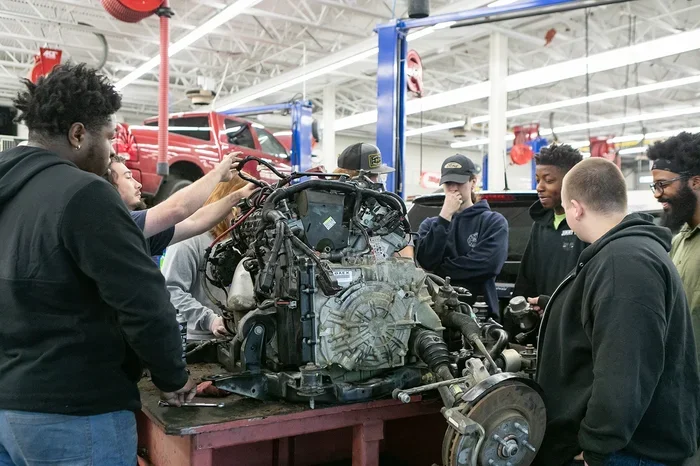
What Is the Difference Between a Mechanic and a Technician
Many people use mechanic and technician as the same term, but they are not identical. A mechanic focuses on hands-on repairs and physical maintenance, while a technician leans into diagnostics and computerized systems. Understanding this difference helps you pick the right expert for your vehicle needs.
Have you ever wondered whether you need a mechanic or a technician for your car? These two terms get thrown around a lot, and many people use them interchangeably. But here is the truth: they are not the same thing. Understanding the difference between a mechanic and a technician can save you time, money, and a lot of frustration when your vehicle needs help.
Cars today are not just machines with gears and wheels. They are complex computers on wheels. This shift has changed the automotive world in a big way. A mechanic traditionally handles hands-on repairs and physical maintenance. A technician focuses more on diagnosing problems using advanced tools and software. Both roles matter, but they bring different skills to the table.
In this article, we will break down everything you need to know. We will cover their roles, training, tools, and how to choose the right one for your car. By the end, you will know exactly who to call when something goes wrong.
Key Takeaways
- Different Focus Areas: Mechanics do hands-on repairs, while technicians handle diagnostics and computerized systems.
- Training Paths Differ: Mechanics often learn through apprenticeships, while technicians usually attend formal trade schools or community colleges.
- Certifications Matter: Both roles can earn ASE certifications, but technicians may pursue additional specialized credentials.
- Modern Vehicles Need Both: Today’s cars require mechanical skills and advanced tech knowledge, so the lines are blurring.
- Salary and Roles Vary: Technicians often earn more due to their advanced diagnostic training and education.
- Choose Based on Your Needs: Know what your vehicle needs before booking an appointment to save time and money.
📑 Table of Contents
- What Does a Mechanic Do?
- What Does a Technician Do?
- Key Differences Between a Mechanic and a Technician
- Why Modern Cars Need Both Skills
- How to Choose the Right Professional for Your Car
- Common Mistakes Car Owners Make
- Expert Insights on the Mechanic vs Technician Debate
- The Future of Auto Repair: Where Is the Industry Heading?
- Final Thoughts
What Does a Mechanic Do?
A mechanic is the person you picture when you think of someone fixing cars. They work with their hands. They use wrenches, sockets, and other tools to repair and maintain vehicles. A mechanic handles the physical side of automotive repair. This includes jobs like changing oil, replacing brakes, fixing exhaust systems, and rebuilding engines.
Mechanics have been around for over a century. Before cars became computerized, all auto repair was mechanical work. A mechanic was simply someone who fixed things that were broken. The role has evolved, but the core of the job remains the same: hands-on, physical work on vehicles.
Common Tasks a Mechanic Performs
- Oil changes and fluid top-offs
- Brake pad and rotor replacements
- Tire rotations and alignments
- Engine repairs and replacements
- Transmission servicing
- Exhaust system repairs
- Belts and hose replacements
Mechanics work in many settings. Some run their own repair shop. Others work for dealerships or independent garages. No matter where they work, their goal is the same: to get your car running safely and smoothly again.
Training and Education for a Mechanic
Many mechanics start their careers through hands-on experience. They learn from a senior mechanic or a family member. Some attend a trade school or a community college program. These programs usually take six months to two years to complete.
Formal education helps, but experience matters a lot in this field. A mechanic who has been turning wrenches for ten years often knows more than someone fresh out of school. That said, certifications add credibility. The ASE certification is the gold standard in the industry. It proves a mechanic has passed rigorous tests in specific areas of vehicle maintenance.
Here is a quick look at the typical path:
- High school diploma or equivalent
- Enroll in a trade school or community college program
- Complete an apprenticeship under an experienced mechanic
- Earn ASE certifications in areas like engine repair, brakes, or electrical systems
- Gain years of hands-on experience
What Does a Technician Do?
A technician takes a different approach. While a mechanic works with physical tools, a technician works with data and diagnostics. The modern vehicle has dozens of computers, sensors, and electronic systems. A technician reads codes, runs scans, and interprets data to find problems.
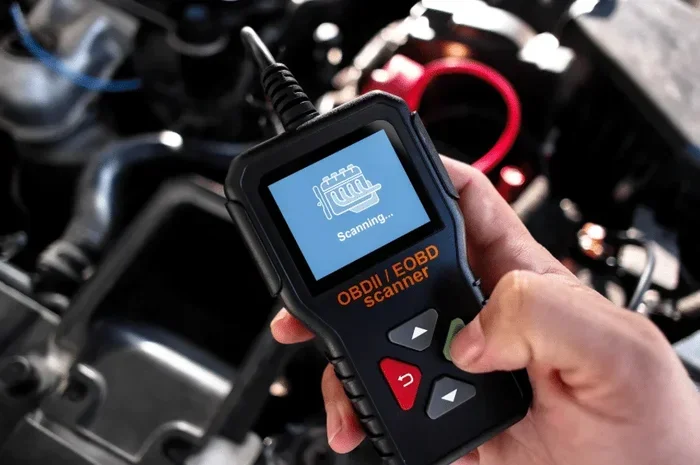
Think of it this way. If your check engine light comes on, a mechanic might look at the engine physically. A technician would plug a diagnostic scanner into the car’s onboard diagnostic system and read the error codes first. This approach can save a lot of time and guesswork.
Common Tasks a Technician Performs
- Running diagnostic scans on engine and transmission systems
- Reading and interpreting error codes
- Testing electronic sensors and modules
- Programming and reprogramming vehicle computers
- Performing software updates
- Diagnosing electrical and wiring issues
- Using specialized diagnostic equipment
Technicians often work in service centers at dealerships or specialized repair facilities. They deal with newer vehicles that rely heavily on electronic systems. A diesel mechanic who also has technician skills can handle both mechanical and electronic issues in heavy-duty vehicles.
Training and Education for a Technician
Becoming a technician usually requires more formal education than becoming a mechanic. Many technicians complete a two-year associate degree in automotive technology or a related field. Some programs are offered through automotive education centers or manufacturers themselves.
These programs cover topics like:
- Computer systems in vehicles
- Electrical engineering basics
- Diagnostic software and tools
- Network communication between car computers
- Hybrid and electric vehicle systems
After completing their education, technicians often pursue professional certification through organizations like ASE. Some manufacturers also offer brand-specific training. For example, a Toyota technician might complete Toyota’s own certification program. This specialized knowledge helps them work on specific brands more effectively.
Key Differences Between a Mechanic and a Technician
Now that we have covered each role separately, let us look at how they compare side by side. The differences show up in several areas: focus, tools, education, and pay.
Focus and Skill Set
A mechanic focuses on the mechanical parts of a vehicle. They fix what is physically broken. A technician focuses on the electronic and computer systems. They figure out what is wrong through data and diagnostics. In a perfect world, every auto professional would be both. But in reality, many people lean toward one side or the other.
Here is a simple way to think about it. A mechanic replaces a worn-out belt. A technician figures out why the belt wore out too early by checking the tension sensor and alignment data.
Tools and Equipment
The tools these professionals use are quite different.
- Mechanics rely on wrenches, sockets, pliers, jacks, and other physical tools.
- Technicians rely on diagnostic scanners, oscilloscopes, multimeters, and software programs.
That said, modern mechanics also use some electronic tools. And technicians sometimes need to do hands-on work too. The lines are getting blurry as vehicles become more advanced.
Education Requirements
Mechanics can enter the field with less formal education. Many learn on the job. Technicians usually need more structured education. A two-year degree or certificate program is common for technicians. Both roles benefit from certifications, but technicians often need more specialized training.
Salary and Job Outlook
Technicians tend to earn slightly more than mechanics on average. This is because of their higher level of education and specialized diagnostic skills. However, experienced mechanics with ASE certifications can also earn very competitive pay. The demand for both roles remains strong as vehicles continue to evolve.
| Aspect | Mechanic | Technician |
|---|---|---|
| Primary Focus | Hands-on mechanical repairs | Diagnostics and electronic systems |
| Typical Tools | Wrenches, sockets, jacks | Diagnostic scanners, software |
| Education Level | Trade school or apprenticeship | Associate degree or certificate program |
| Certifications | ASE in mechanical areas | ASE in electrical and diagnostic areas |
| Average Pay Range | $35,000 – $65,000 | $40,000 – $75,000 |
| Best For | Older vehicles, basic repairs | Newer vehicles, complex electronic issues |
The table above gives you a general idea. Actual pay and roles vary by location, experience, and employer.
Why Modern Cars Need Both Skills
Here is something many car owners do not realize. A modern vehicle combines mechanical and electronic systems in complex ways. A diesel mechanic who works on trucks, for example, needs to understand both the engine and the electronic fuel injection system. A car maintenance expert today needs to know how to use both wrenches and laptops.
When your check engine light comes on, the problem could be mechanical or electrical. It could even be both. A skilled professional will know how to check both sides. This is why the best auto shops employ people who can do both jobs well.
Electric vehicles add another layer. They have fewer moving parts than gas cars, but their electrical systems are incredibly complex. A technician who understands hybrid and electric systems is becoming more valuable every year.
When to Call a Mechanic
You should call a mechanic when your car has a clear physical problem. Examples include:
- A strange noise coming from the engine
- Brake pads that need replacing
- A flat tire or alignment issue
- An exhaust leak you can hear
- Fluid leaks under the car
These are problems you can often see or hear. A mechanic is trained to fix them quickly and correctly.
When to Call a Technician
You should call a technician when your car has an issue that is not obvious. Examples include:
- A check engine light with no visible cause
- Electrical problems like power window failures
- Transmission shifting issues that come and go
- Software updates needed for your vehicle
- Sensor malfunctions detected by diagnostic tools
These issues often hide behind warning lights and error codes. A technician has the training and tools to dig deeper and find the root cause.
How to Choose the Right Professional for Your Car
Choosing between a mechanic and a technician does not have to be stressful. Here are some tips to help you make the right call.
Consider Your Vehicle’s Age
Older vehicles with simpler systems often do well with a skilled mechanic. Newer vehicles with lots of electronics usually need a technician who can run diagnostics. If you drive a 2005 sedan with basic features, a mechanic will probably handle your needs just fine. If you drive a 2023 SUV with advanced driver-assistance systems, you may want a technician.
Check Certifications
Look for ASE certification when choosing a professional. This certification shows that the person has passed industry-standard tests. You can also check for manufacturer-specific certifications. These show extra training for specific brands.
Ask About Their Tools and Equipment
A good service center will have both traditional tools and modern diagnostic equipment. Ask what kind of equipment they use. If they only have basic hand tools, they might not be equipped for complex electronic issues. If they have the latest scanners, they can handle most diagnostic jobs.
Read Reviews and Get Recommendations
Ask friends, family, or neighbors for recommendations. Online reviews can also give you a sense of a shop’s quality. Look for reviews that mention both mechanical repairs and diagnostic work. This suggests the shop has a good mix of skills.
Get a Clear Estimate Before Work Begins
Whether you visit a mechanic or a technician, always ask for a written estimate first. This protects you from surprise charges. A trustworthy professional will explain the problem and the cost before starting any work.
Common Mistakes Car Owners Make
Many car owners make mistakes when they need auto repair. Here are a few to avoid.
- Assuming all auto shops are the same. Some shops specialize in mechanical work. Others focus on diagnostics. Choose the one that matches your car’s needs.
- Ignoring warning lights. A check engine light might seem minor, but it can signal a serious problem. Get it checked early.
- Choosing the cheapest option. The lowest price does not always mean the best service. Look for quality and expertise.
- Not asking questions. A good professional will explain what they are doing and why. Do not be afraid to ask.
- Skipping regular maintenance. Routine vehicle maintenance like oil changes and tire rotations prevents bigger problems later.
Avoiding these mistakes will help you get better service and keep your car running longer.
Expert Insights on the Mechanic vs Technician Debate
We spoke with several auto industry professionals to get their take on this topic. Here is what they had to say.
Mark T., ASE Master Certified Technician: “The automotive world has changed a lot in the last 20 years. I started as a mechanic and now I do mostly diagnostics. You cannot fix what you cannot find, and that is where the technician side becomes essential.”
Sarah L., Independent Shop Owner: “I hire people who can do both. The best professionals I have worked with understand mechanical systems and electronic diagnostics. A pure mechanic or a pure technician can miss things that the other would catch.”
James R., Diesel Specialist: “For heavy-duty trucks, you really need both skill sets. A diesel engine is mechanical, but the fuel injection and emission systems are all electronic. You have to understand both to do the job right.”
These insights show that the lines between mechanic and technician are fading. The most skilled professionals blend both skill sets into their work.
The Future of Auto Repair: Where Is the Industry Heading?
The automotive industry is changing fast. Electric vehicles are becoming more popular. Autonomous driving features are adding new layers of complexity. All of this means the role of the automotive technician is growing in importance.
At the same time, basic mechanical skills will always be needed. Tires wear out. Brakes fade. Belts break. These problems will always need a human touch and physical work.
The future belongs to professionals who can bridge the gap between mechanical and electronic work. If you are considering a career in auto repair, learning both sides will give you the best opportunities. If you are a car owner, understanding this difference will help you make smarter choices about who services your vehicle.
Final Thoughts
The difference between a mechanic and a technician comes down to their focus and training. A mechanic does hands-on repairs and physical maintenance. A technician uses advanced tools to diagnose problems in electronic and computer systems. Both roles are essential in today’s automotive world.
Knowing which professional to call can make a big difference. It saves you time. It saves you money. And it gets your car fixed right the first time. The next time your vehicle gives you trouble, you will know exactly who to look for.
Take a moment to understand your car’s needs. Check the symptoms. Think about the age and technology level of your vehicle. Then choose the right professional. Your car will thank you for it.
Frequently Asked Questions
Can a mechanic also work as a technician?
Yes, many professionals in the auto industry are skilled in both areas. With additional training and certification, a mechanic can handle diagnostic work and electronic repairs. The best auto experts often blend both skill sets to serve their customers better.
Is technician a higher role than mechanic?
Not necessarily higher, but it is often more specialized. Technicians usually have more formal education and focus on electronic systems and diagnostics. Both roles are valuable, and pay can vary based on experience and certifications rather than the title alone.
Do I need a technician for a check engine light?
A check engine light usually indicates an electronic or sensor-related issue. A technician has the diagnostic tools and training to read error codes and find the root cause. However, a skilled mechanic with diagnostic equipment can also handle many check engine light issues.
What certifications should I look for in a mechanic or technician?
Look for ASE certification, which is the industry standard. For specific brands, check for manufacturer certifications. These credentials show that the professional has passed rigorous tests and has up-to-date knowledge of automotive repair practices.
Are electric vehicle repairs different from traditional car repairs?
Yes, electric vehicles have fewer mechanical parts but much more complex electrical systems. A technician with training in hybrid and electric systems is often the best choice. However, basic maintenance like tire rotations and brake work can still be done by a traditional mechanic.
How often should I take my car in for service?
Most manufacturers recommend a service interval every 5,000 to 7,500 miles for routine maintenance. Always check your owner’s manual for the specific schedule. Regular service helps catch small problems before they become expensive repairs.