How Many Car Payments Can You Miss Before Repossession
Most lenders can repossess your car after just one missed payment, but the exact number depends on your loan agreement, lender policies, and state laws. Understanding the car loan default process early can save you from losing your vehicle and protect your credit score from long-term damage. This guide breaks down the timeline, your rights, and practical steps to avoid vehicle repossession.
Losing your car is one of the most stressful financial situations you can face. But the truth is, how many car payments can you miss before repossession is a question many drivers never think about until it is too late. The answer might surprise you. In most cases, you are already in danger after just one missed payment.
When you sign a loan agreement for a vehicle, you promise to make regular payments. If you break that promise, the lender has the legal right to take back the car. This process is called vehicle repossession. It can happen faster than most people expect, and the consequences can follow you for years.
This article will walk you through everything you need to know. We will cover the timeline, the repossession process, what happens to your credit score, and most importantly, what you can do right now to protect yourself. Whether you have already missed a payment or you are just worried about one, this guide has you covered.
Key Takeaways
- One missed payment can trigger risk: Most lenders start the auto loan delinquency process after a single missed payment.
- Grace periods vary: Many lenders offer a 10- to 15-day grace period before a payment is officially considered late.
- Credit damage starts fast: A missed car payment can hurt your credit score within 30 days and appear on your negative credit report.
- Repossession can happen quickly: After 60 to 90 days of missed payments, lenders may take action to reclaim the vehicle.
- You still have rights: Federal and state laws protect borrowers during the repossession process.
- Communication saves cars: Contacting your car lender early can open doors to loan modification or car refinancing options.
📑 Table of Contents
- Understanding Car Loan Repossession
- How Many Payments Can You Actually Miss?
- The Consequences of Missed Car Payments
- The Repossession Process Explained
- How to Avoid Repossession
- What to Do If Your Car Gets Repossessed
- Quick Tips to Protect Yourself
- Common Mistakes to Avoid
- Expert Insights
- Key Takeaways
- Conclusion
Understanding Car Loan Repossession
Before we dive into numbers, it helps to understand what vehicle repossession actually means. When you buy a car with a loan, the lender technically owns the vehicle until you pay off the full balance. They hold the lien. If you fail to make payments, they can exercise their right to take the car back.
What Happens When You Miss a Payment
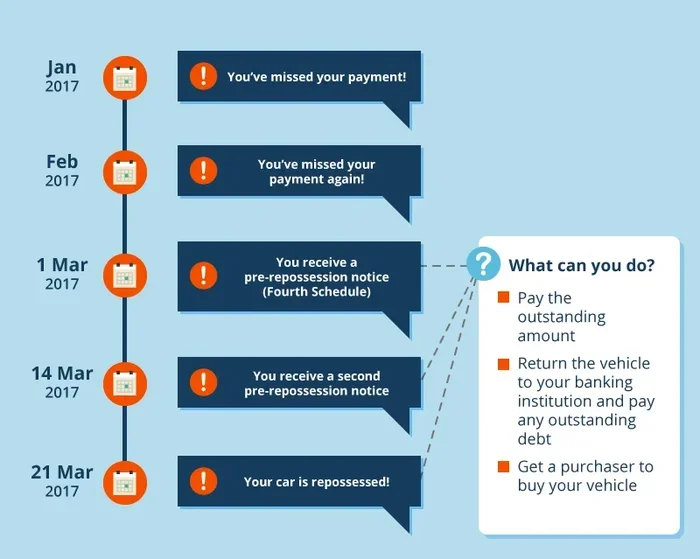
Missing a single car payment does not mean your car will be towed away the next morning. But it does start a clock ticking. Here is what typically happens after a missed payment:
- Day 1: Your payment is now overdue. You may see a late payment fee added to your balance.
- Day 10 to 15: Most lenders have a grace period. If you pay within this window, it usually does not get reported to credit bureaus.
- Day 30: The missed payment is reported to the three major credit bureaus. This is when your credit score starts to take a hit.
- Day 60: You are now two payments behind. Your car lender will likely start calling and sending letters.
- Day 90: This is the danger zone. Many lenders consider this car loan default and may begin the repossession process.
Every lender is different. Some are more patient than others. But the general rule is simple: the longer you go without paying, the closer you get to losing your car. The loan default notice is the formal warning that tells you the lender is serious.
How Many Payments Can You Actually Miss?
The short answer is that there is no magic number. There is no rule that says “you can miss exactly three payments and then they take the car.” The truth is more complicated and depends on several factors.
The Grace Period and Your Lender’s Policies
Most auto loans have a grace period of 10 to 15 days. During this time, your payment is considered late but not yet defaulted. You can usually avoid any negative consequences by paying within this window.
However, some lenders do not offer a grace period at all. And even if they do, the grace period only protects you from late fees and credit reporting. It does not protect you from vehicle repossession if you continue to miss payments.
Here is a rough breakdown of what to expect:
- 1 missed payment: You are in auto loan delinquency. You are at risk, but repossession is unlikely at this stage.
- 2 missed payments: Your lender will likely reach out. Phone calls and letters will increase. Your credit score is probably already damaged.
- 3 missed payments: You are deep in car loan default. The lender may issue a formal loan default notice and start the repossession process.
- 4 or more missed payments: Repossession becomes very likely. The lender may send a repo agent to take the vehicle.
Keep in mind that these are general guidelines. Some lenders may act after just one missed payment, especially if your loan is already delinquent from a previous missed payment. Others may give you more time. The key is to never assume you have extra time.
The Consequences of Missed Car Payments
Missing car payments does not just put your vehicle at risk. It creates a chain reaction that affects many areas of your financial life. Let us look at the real consequences so you understand why acting fast matters.
Impact on Your Credit Score
Your credit score is one of the first things to suffer when you miss a car payment. Here is how the damage unfolds:
- 30 days late: A single missed payment can drop a good credit score by 60 to 110 points. That is a big hit.
- 60 days late: The damage doubles. Your score drops further, and the missed payment stays on your negative credit report for up to seven years.
- 90 days late: At this point, the car loan default is recorded on your credit history. Future lenders will see this and may hesitate to work with you.
- After repossession: A vehicle repossession is one of the worst entries on a credit report. It can lower your score by 100 points or more and stay there for seven years.
The credit score impact does not just affect your ability to get a car loan in the future. It can also affect your ability to rent an apartment, get a phone plan, or even land certain jobs. That is why protecting your credit should be a top priority.
What Happens to Your Vehicle
Once the lender decides to repossess, they can take your car without much notice. In most states, a lender does not need a court order to repossess a vehicle. A repo agent can show up at your home, workplace, or even a public parking lot and take the car.
Here is what typically happens during vehicle repossession:
- The repo agent locates the vehicle and tows it away.
- The car is taken to a storage facility.
- You will receive a notice explaining how to reclaim the vehicle or what happens next.
- The lender will sell the car at auction to recover the remaining loan balance.
If the auction sale does not cover the full loan balance, you will still owe the difference. This is called a deficiency balance, and it is a debt you must pay off even after losing the car.
The Repossession Process Explained
Understanding the repossession process step by step can help you know what to expect and how to respond. Knowledge is power, especially when a lender is coming for your car.
What the Lender Must Do
Lenders are not allowed to just take your car however they want. There are rules. In most states, the lender must:
- Send you a loan default notice before starting the repossession process.
- Give you a chance to cure the default by paying the missed amounts.
- Follow state-specific rules about how and when they can repossess the vehicle.
- Not use force or threats to take the car.
If the lender skips any of these steps, you may have legal grounds to fight the repossession. This is why it is important to know your rights and, if needed, consult a consumer rights attorney.
Your Rights During Repossession
Even when you are behind on payments, you still have rights. Here are some important ones to know:
- Right to notice: The lender must notify you before and after the repossession.
- Right to reclaim: In many states, you have the right to “redeem” the vehicle by paying the full loan balance plus repossession costs before the car is sold.
- Right to fair treatment: Repo agents cannot break the law, threaten you, or enter your home by force.
- Right to surplus: If the car sells for more than what you owe, you are entitled to the extra money.
Knowing these rights can make a big difference if you find yourself facing vehicle repossession. Do not assume the lender has the upper hand in every situation.
How to Avoid Repossession
The best way to deal with repossession is to prevent it from happening in the first place. There are several things you can do right now, even if you are already behind on payments.
Communication Is Key
The single most important thing you can do is contact your car lender as soon as you realize you might miss a payment. Lenders would rather work with you than go through the costly and time-consuming process of vehicle repossession.
When you reach out, be honest about your situation. Explain why you missed the payment and what your plan is to get caught up. Many lenders have hardship programs or temporary payment plans that can help you stay current.
Here are some tips for effective communication:
- Call your lender before you miss a payment, not after.
- Have a clear plan for catching up on missed payments.
- Ask about forbearance or deferment options.
- Get any agreement in writing.
- Keep records of all conversations and correspondence.
Loan Modification and Refinancing Options
If you cannot catch up on your current payments, there are other options available:
- Loan modification: Your lender may agree to change the terms of your loan. This could mean a lower monthly payment, a longer loan term, or a reduced interest rate.
- Car refinancing: You can take your loan to a different lender who offers better terms. This can lower your monthly payment and make it more manageable.
- Voluntary surrender: If you know you cannot keep up with payments, you can voluntarily return the car to the lender. This is better than having it repossessed because it shows good faith and may reduce some fees.
- Selling the car yourself: If your vehicle value is close to or higher than what you owe, selling the car and paying off the loan can help you avoid repossession and protect your credit.
Each option has pros and cons. What works best for you depends on your financial situation, the vehicle value, and your relationship with your lender. The important thing is to act quickly and explore all your options before the situation gets worse.
What to Do If Your Car Gets Repossessed
If your car has already been repossessed, it is not the end of the world. There are still steps you can take to protect yourself financially and start rebuilding.
Understanding the Deficiency Balance
After the lender sells your repossessed car, they will apply the sale proceeds to your loan balance. If the sale does not cover what you owe, the remaining amount is the deficiency balance. This is a debt you still owe.
For example, let us say you still owe $8,000 on your car loan. The lender sells the car at auction for $5,000. You now have a deficiency balance of $3,000. The lender can pursue you for this amount through collections or even a lawsuit.
Some states limit how much a lender can charge for repossession fees and storage costs. Knowing your state laws can help you challenge unfair charges on your deficiency balance.
Rebuilding After Repossession
A vehicle repossession is a serious hit to your finances, but it is not permanent. Here is how you can start rebuilding:
- Pay off the deficiency balance if you can. This removes a collection account from your credit history faster.
- Check your credit report for errors. Make sure the repossession is reported accurately.
- Build positive payment history with other accounts like credit cards or utility bills.
- Consider a secured credit card to start rebuilding your credit score.
- Wait and be patient. The negative impact of a repossession fades over time, especially as you build positive financial habits.
It takes time, but you can recover from a car loan default and get back on solid financial ground. The key is to take action now and not let the situation spiral further.
Quick Tips to Protect Yourself
Here are some fast, practical tips to keep in mind:
- Never ignore letters or calls from your lender. They are trying to communicate with you for a reason.
- Set up automatic payments so you never miss a due date.
- Know your loan terms inside and out. Understand your grace period, fees, and default triggers.
- Track your vehicle value using online tools like Kelley Blue Book or Edmunds.
- Contact a credit counselor if you are struggling with multiple debts.
- Do not hide the car from a repo agent. Hiding a vehicle can lead to additional legal trouble and fees.
Common Mistakes to Avoid
When facing missed car payments, many people make mistakes that make the situation worse. Here are some to avoid:
- Pretending the problem does not exist: Ignoring missed payments will not make them go away. It only gives the lender more time to take action.
- Borrowing from high-interest sources: Payday loans and title loans can trap you in a cycle of debt that is even harder to escape.
- Signing documents without reading them: Some lenders may offer “solutions” that actually make your situation worse. Always read the fine print.
- Missing the voluntary surrender window: If you know you cannot keep the car, returning it voluntarily is almost always better than letting it get repossessed.
Expert Insights
“Most people do not realize how quickly the repossession process moves. By the time they notice, their car is already gone. The best thing you can do is communicate with your lender early and often.” — Financial advisor and consumer credit specialist.
Experts agree that the number one factor in avoiding vehicle repossession is early communication. Lenders are businesses, and they prefer to work with borrowers who show good faith. If you are proactive and honest, you have a much better chance of finding a solution that works for both sides.
Another expert tip: do not assume you have no options just because you are behind. Loan modification, car refinancing, and even debt management plans can provide real relief. The key is to explore those options before the lender takes drastic action.
Key Takeaways
- One missed payment can trigger risk: Most lenders start the auto loan delinquency process after a single missed payment.
- Grace periods vary: Many lenders offer a 10- to 15-day grace period before a payment is officially considered late.
- Credit damage starts fast: A missed car payment can hurt your credit score within 30 days and appear on your negative credit report.
- Repossession can happen quickly: After 60 to 90 days of missed payments, lenders may take action to reclaim the vehicle.
- You still have rights: Federal and state laws protect borrowers during the repossession process.
- Communication saves cars: Contacting your car lender early can open doors to loan modification or car refinancing options.
Conclusion
So, how many car payments can you miss before repossession? The honest answer is that it depends, but the risk starts with the very first missed payment. There is no safety net that protects you indefinitely. Every missed payment brings you closer to vehicle repossession, credit score damage, and a deficiency balance that can haunt you for years.
The good news is that you have options. You can communicate with your lender, explore loan modification and car refinancing, or even voluntarily surrender the vehicle if needed. The worst thing you can do is nothing at all.
Take control of your situation today. Reach out to your car lender, understand your loan agreement, and explore every resource available to you. The sooner you act, the better your chances of keeping your car and protecting your financial future. Do not wait until it is too late.
Frequently Asked Questions
Can a lender repossess my car after just one missed payment?
Technically, yes. Some lenders include clauses in the loan agreement that allow repossession after any missed payment. However, most lenders will try to work with you before taking that step. They usually start the process after 60 to 90 days of missed payments. Still, it is important to never assume you have extra time.
Will my car be repossessed at night?
Repossession can technically happen at any time, but most repo agents prefer to take the vehicle during daylight hours. They also cannot use force or threaten you. If a repo agent breaks the law during the process, you may have grounds to challenge the repossession.
Can I get my car back after repossession?
In many states, you have the right to “redeem” the vehicle by paying the full loan balance plus repossession and storage costs before the car is sold at auction. After the auction, getting the car back is much harder. Contact your lender immediately to explore your options.
How long does a repossession stay on my credit report?
A vehicle repossession can stay on your negative credit report for up to seven years from the date of the first missed payment that led to the default. During that time, it will make it harder to get approved for new credit, loans, or even housing.
What is a deficiency balance after repossession?
A deficiency balance is the remaining amount you owe after the lender sells your repossessed car at auction. If the sale price does not cover the full loan balance, fees, and costs, you are responsible for paying the difference. Some states cap the fees lenders can charge, which can reduce your deficiency balance.
Is voluntary surrender better than repossession?
Yes, in most cases. Voluntarily returning the car shows the lender you acted in good faith. It can reduce some fees and may be viewed slightly better on your credit report than an involuntary repossession. Either way, both will negatively impact your credit score, but voluntary surrender is the less damaging option.
=== CONCLUSION ===
Understanding how many car payments you can miss before repossession is the first step toward protecting yourself. The timeline is shorter than most people think, and the consequences are serious. But with knowledge, communication, and quick action, you can avoid the worst outcomes. Take your car payment obligations seriously, know your rights, and never be afraid to ask for help. Your financial future depends on the choices you make today.