Is There a Separate Reservoir for the Rear Washer Fluid
Many drivers wonder if there is a separate reservoir for rear washer fluid. The answer depends on your vehicle model and manufacturer. Some cars use a shared reservoir, while others have a dedicated tank for the rear windshield wiper system. Understanding your car’s setup helps you maintain proper washer fluid levels and keep your rear window clean and safe.
Have you ever driven behind a truck on a rainy day and watched mud spray across your rear window? It is a frustrating experience. You reach for the rear wiper, spray some fluid, and hope for the best. But then a thought hits you. Is there a separate reservoir for the rear washer fluid? This question comes up more often than you might think.
Your car’s windshield washer system is more complex than most people realize. It involves pumps, hoses, nozzles, and fluid reservoirs. Understanding how this system works can save you time and money. It can also keep you safer on the road. In this article, we will dive deep into rear washer fluid systems. We will answer your questions and give you practical tips you can use right away.
Key Takeaways
- Not all vehicles have a separate reservoir: Many cars share one reservoir for both front and rear washer systems.
- Check your owner’s manual: It will tell you exactly how your washer fluid system is set up.
- Rear washer fluid matters for safety: A clean rear window improves visibility, especially in bad weather.
- Refilling is simple: You can use the same fluid for both front and rear systems in most vehicles.
- Common problems include clogged nozzles and low fluid levels: These are easy to fix at home.
- Winter requires special fluid: Use a washer fluid with antifreeze properties to prevent freezing.
📑 Table of Contents
- What Is a Rear Washer Fluid Reservoir?
- Does Every Car Have a Separate Reservoir?
- Where Is the Rear Washer Fluid Reservoir Located?
- How to Refill Rear Washer Fluid
- Common Rear Washer Fluid Problems
- Why Rear Washer Fluid Matters for Safety
- Expert Insights on Rear Washer Fluid Systems
- Key Takeaways
- Frequently Asked Questions
- Conclusion
What Is a Rear Washer Fluid Reservoir?
A rear washer fluid reservoir is a small tank that holds the liquid used to clean your rear windshield. The rear windshield wiper system works similarly to the front one. A pump pushes fluid through a hose. The fluid sprays out of a nozzle onto the glass. The wiper blade then wipes it away, leaving a clear view behind you.
But here is the big question. Does every car have its own tank for this? The short answer is no. Not every vehicle has a separate reservoir for the rear washer system. Many cars use one shared reservoir for both the front and rear washers. However, some vehicles do have a dedicated tank just for the rear window.
How the Rear Washer System Works
The rear washer system is fairly simple. It has a few key parts that work together:
- Washer fluid reservoir: This holds the cleaning liquid.
- Washer fluid pump: This pushes the fluid through the system.
- Hose: This carries the fluid from the pump to the nozzle.
- Nozzle: This sprays the fluid onto the rear windshield.
- Rear wiper motor and blade: This wipes the fluid and debris off the glass.
When you press the rear washer button on your dashboard, the pump activates. It sends fluid through the hose and out of the nozzle. The wiper blade then sweeps across the glass. This process happens in just a few seconds. It keeps your rear window clear and your visibility good.
Does Every Car Have a Separate Reservoir?
This is where things get interesting. The answer varies depending on your vehicle. Car manufacturers design their washer systems differently. Some go for simplicity and share one tank. Others prefer a dedicated setup for the rear window.
Vehicles With a Shared Reservoir
Most modern cars use a shared washer fluid reservoir. This means the same tank supplies fluid to both the front and rear washers. It is a simple and cost-effective design. The reservoir is usually located near the front of the engine bay. It connects to both the front and rear washer lines through a series of hoses and valves.
Vehicles like the Toyota Camry, Honda Civic, and Ford Focus typically use this shared system. It is very common across many brands and models. The benefit is that you only need to check and refill one tank. The downside is that if the fluid runs low, both front and rear washers stop working at the same time.
Vehicles With a Separate Reservoir
Some vehicles, especially larger ones, have a separate reservoir for the rear washer fluid. SUVs, vans, and trucks are more likely to have this setup. Luxury brands like BMW, Mercedes-Benz, and Audi sometimes use separate tanks as well. These vehicles often have more complex washer systems with multiple nozzles and spray zones.
A separate reservoir means the rear washer operates independently. You can spray the rear window even if the front fluid is empty. This can be very useful. For example, if you are driving in dusty conditions and only need to clean the rear window, you do not waste front washer fluid.
How to Tell Which System Your Car Has
The easiest way to find out is to check your owner’s manual. It will clearly state whether your car uses a shared or separate washer fluid system. You can also physically look under the hood. If there is only one washer fluid tank, your car uses a shared system. If you see two tanks, you have a separate setup.
Another way to check is to open the rear washer fluid cap. In a shared system, the rear line connects to the same tank as the front. In a separate system, you will find a second, smaller tank dedicated only to the rear window.
Where Is the Rear Washer Fluid Reservoir Located?
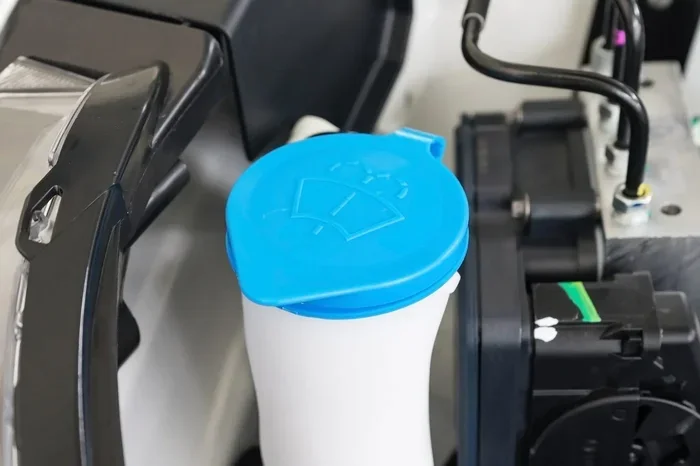
The location of your rear washer fluid reservoir depends on your vehicle. In most cars, the washer fluid tank sits near the front of the engine bay. It is usually on the driver’s side. The cap is often blue or white and has a windshield wiper symbol on it.
If your car has a separate rear reservoir, it may be located in a different spot. Some vehicles place it near the rear of the engine bay. Others hide it behind the front bumper area. In larger vehicles like SUVs and trucks, the rear reservoir might be located closer to the rear axle.
Tips for Finding Your Reservoir
- Always refer to your owner’s manual first. It will give you the exact location.
- Look for a second cap with a wiper symbol. This often indicates a separate reservoir.
- Follow the hoses. Trace the washer fluid lines from the pump to find the tank.
- Check online forums. Other owners of your vehicle model can help you locate it.
Finding the reservoir is important for regular maintenance. You need to know where it is to check the fluid level and refill it when needed. A quick look under the hood during your regular car maintenance routine can save you from surprises later.
How to Refill Rear Washer Fluid
Refilling your washer fluid is one of the simplest maintenance tasks you can do. It takes just a few minutes and costs very little. Whether your car has a shared or separate reservoir, the process is straightforward.
Steps to Refill the Washer Fluid
- Locate the washer fluid reservoir. Check your owner’s manual if you are not sure where it is.
- Open the cap. Most caps twist off or pop open with a gentle press.
- Check the fluid level. Most tanks have a MIN and MAX mark on the side.
- Pour in the washer fluid. Use a funnel to avoid spills.
- Fill to the MAX line. Do not overfill the tank.
- Replace the cap. Make sure it is secure.
- Test the system. Spray the washers to make sure everything works.
Which Fluid Should You Use?
You can use standard windshield washer fluid for most vehicles. This fluid is designed to clean glass and remove bugs, dirt, and grime. However, you should choose the right type for the season. In winter, use a washer fluid with antifreeze properties. Regular water can freeze in the lines and damage the pump.
Some people prefer to use distilled water instead of store-bought fluid. This is fine in warm weather. But it does not clean as well and offers no freeze protection. For the best results, use a quality washer fluid designed for your climate.
If your car has a separate reservoir for the rear washer fluid, you can use the same fluid in both tanks. There is no need for different types of fluid. The cleaning performance is the same regardless of which tank it goes into.
Common Rear Washer Fluid Problems
Even with a simple system, things can go wrong. Knowing the common problems helps you fix them quickly. Here are the most frequent issues drivers face with their rear washer fluid systems.
Low Fluid Level
This is the most common problem. If the rear washer does not spray, the fluid level might be low. Check the tank and refill it if needed. In a shared system, this also affects the front washers. Make it a habit to check your washer fluid levels once a month.
Clogged Nozzle
Sometimes the nozzle gets blocked by dirt or wax. The fluid sprays in the wrong direction or not at all. You can clear a clogged nozzle with a thin pin or needle. Gently poke into the nozzle hole to remove any debris. This is a quick fix that takes less than a minute.
Broken Washer Fluid Pump
The pump that pushes the fluid can fail over time. If you hear a humming sound but no fluid comes out, the pump might be burned out. Replacing a washer fluid pump is not expensive. A new pump usually costs between 20 and 50 dollars. You can find replacement parts at most auto parts stores.
Frozen Fluid Lines
In cold weather, washer fluid can freeze inside the lines and tank. This is a serious problem. It can crack the reservoir and damage the pump. Always use washer fluid with antifreeze in winter. Never use plain water in cold climates.
Leaking Hose
The hose that carries fluid from the pump to the nozzle can crack or come loose. If you see fluid dripping under your car, check the hoses. A leaking hose means fluid is not reaching the nozzle. Replacing a hose is a simple repair you can do at home.
Why Rear Washer Fluid Matters for Safety
Your rear window plays a big role in your overall visibility. A dirty rear windshield can hide cars, pedestrians, and obstacles behind you. This is especially dangerous when you are driving in rain, snow, or on dusty roads. A working rear washer system keeps that window clean and your view clear.
Many drivers focus only on the front windshield. They forget about the rear window entirely. But if your rear window is dirty, it affects how well you can see while driving. The rear wiper and washer system deserve just as much attention as the front.
Regular vehicle maintenance includes checking all your fluid levels. Washer fluid is often overlooked, but it is important. A clean windshield means a safer drive. Taking a few minutes to refill your washer fluid can make a big difference on the road.
Quick Tips for Rear Washer Maintenance
- Check fluid levels weekly during bad weather seasons.
- Use quality washer fluid with cleaning agents.
- Clean the nozzles every few months with a pin.
- Replace the rear wiper blade every six to twelve months.
- Keep a spare bottle of washer fluid in your trunk.
- Inspect the hoses for cracks or leaks during oil changes.
Expert Insights on Rear Washer Fluid Systems
Automotive experts agree that understanding your car’s washer system is essential. It is a simple system, but it plays a big role in driving safety. Many drivers do not think about their washer fluid until it runs out. By then, they have already been driving with a dirty rear window.
According to auto mechanics, the most common mistake drivers make is ignoring the rear washer system. They assume it works the same as the front and never think to check it separately. This is especially true for vehicles with a shared reservoir. When the fluid runs low, drivers often only notice because the front washers stop working.
Experts also recommend using the right type of washer fluid for your climate. In winter, a good antifreeze formula prevents costly repairs. In summer, a bug and grime remover keeps your rear window crystal clear. Small investments in the right fluid pay off in the long run.
Another expert tip is to clean the nozzle area regularly. Dirt and road grime can build up around the spray nozzles. This reduces the spray pattern and coverage. A quick wipe-down during your car wash routine keeps everything working properly.
Key Takeaways
- Not all vehicles have a separate reservoir: Many cars share one reservoir for both front and rear washer systems.
- Check your owner’s manual: It will tell you exactly how your washer fluid system is set up.
- Rear washer fluid matters for safety: A clean rear window improves visibility, especially in bad weather.
- Refilling is simple: You can use the same fluid for both front and rear systems in most vehicles.
- Common problems include clogged nozzles and low fluid levels: These are easy to fix at home.
- Winter requires special fluid: Use a washer fluid with antifreeze properties to prevent freezing.
- Regular maintenance keeps the system working: Check fluid levels and clean nozzles on a routine basis.
Frequently Asked Questions
Can I use the same washer fluid for both front and rear systems?
Yes, in most vehicles you can use the same washer fluid for both the front and rear systems. If your car has a shared reservoir, this is the only option anyway. If you have a separate rear reservoir, you can still fill it with the same type of fluid. There is no need to buy different fluids for different parts of your car.
How often should I refill my rear washer fluid?
There is no set schedule for refilling washer fluid. It depends on how often you drive and the road conditions. If you drive in dusty or rainy areas, you may need to refill more often. A good rule of thumb is to check the fluid level once a month. Refill it whenever it drops below the MIN mark on the reservoir.
What happens if the rear washer pump stops working?
If the rear washer pump stops working, the fluid will not spray onto the rear windshield. This can be caused by a blown fuse, a faulty pump, or a clogged hose. Start by checking the fuse box. If the fuse is fine, the pump itself may need replacement. Pump replacement is a relatively affordable repair that most mechanics can do quickly.
Is it safe to drive without rear washer fluid?
It is not unsafe in the short term, but it is not ideal. A dirty rear window can reduce your visibility, especially in poor weather conditions. If your rear washer fluid is empty, you will have a harder time keeping the rear window clean. It is best to refill the fluid as soon as possible to maintain clear visibility behind you.
Can I use water instead of washer fluid?
You can use water in a pinch, but it is not recommended. Water does not clean as well as washer fluid. It also has no antifreeze properties, which means it can freeze in cold weather and damage the system. Washer fluid is designed to clean, protect, and prevent freezing. It is a small cost for a big benefit.
Do all SUVs and trucks have a separate rear washer fluid reservoir?
Not all SUVs and trucks have a separate reservoir. Many still use a shared system. However, larger vehicles are more likely to have a dedicated rear reservoir because they often have rear wipers as standard equipment. Check your owner’s manual to confirm the setup for your specific vehicle model and year.
Conclusion
So, is there a separate reservoir for the rear washer fluid? The answer is that it depends on your vehicle. Some cars have a dedicated tank just for the rear window. Others use a single shared reservoir for both front and rear washers. Either way, understanding your car’s washer fluid system is important for safe driving.
Regular maintenance of your rear washer fluid system keeps you safe on the road. It is a small part of car care that makes a big difference. Check your fluid levels often. Use the right type of washer fluid for the season. Clean your nozzles and replace your wiper blades on schedule.
Taking care of your rear windshield washer system is simple. It takes just a few minutes and very little money. But the payoff is huge. A clean rear window means better visibility and a safer drive for you and your passengers. So next time you check your washer fluid, give the rear system some attention too. It will thank you when you need it most.