Why Do My High Beams Turn On on Auto by Themselves
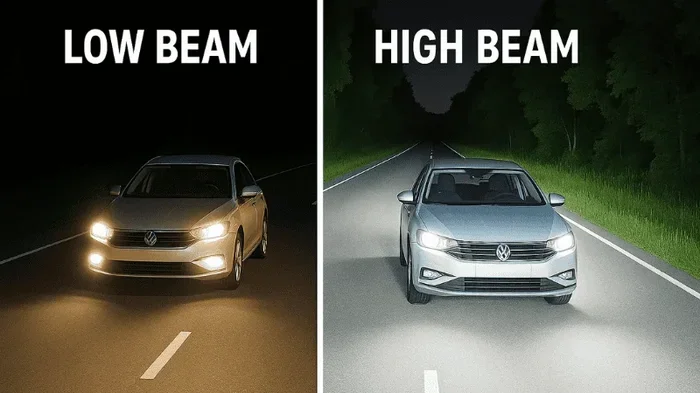
Your high beams turning on by themselves can be frustrating and potentially dangerous on the road. This usually happens because of a faulty light sensor, a wiring issue, or a glitch in the auto light control module. Understanding the root cause helps you fix it quickly and safely.
Have you ever been driving at night and suddenly noticed your high beams are on even though you didn’t touch the switch? It is a confusing and sometimes scary moment. You might wonder, “Why do my high beams turn on on auto by themselves?”
This issue is more common than most people think. It happens in many vehicle brands, from Ford and Toyota to GM and Honda. The auto high beam feature is designed to help you drive safely in the dark. But when it activates on its own, it can blind other drivers and make the road more dangerous.
In this article, we will explore every possible reason this happens. We will also walk you through practical fixes you can try at home. Whether it is a simple sensor cleaning or a more complex wiring repair, we have you covered.
Key Takeaways
- Sensor Issues: A dirty or malfunctioning headlight sensor is the most common cause of auto high beams activating on their own.
- Wiring Problems: Damaged or corroded wiring in the vehicle lighting system can send false signals to the headlight relay.
- Module Glitches: The light control module or body control module can malfunction and trigger auto high beam mode unexpectedly.
- Easy Fixes Exist: Many causes are simple to resolve at home, like cleaning the sensor or resetting the system.
- Safety Matters: Ignoring the problem can blind other drivers and increase your risk of accidents.
- Professional Help: Some issues require a qualified mechanic or dealership diagnostic tool to fully resolve.
📑 Table of Contents
Understanding the Auto High Beam System
Before diving into the causes, it helps to understand how the system works. Most modern vehicles come with an automatic high beam feature. This system uses sensors to detect surrounding light levels. When it gets dark enough, the system switches your headlights to high beam mode automatically.
Here is how the basic system works:
- A light sensor sits on the dashboard or near the rearview mirror.
- The sensor reads the ambient light around your vehicle.
- When it detects low light and no oncoming traffic, it triggers the high beam activation.
- A headlight relay sends power to the high beam bulbs.
- The system turns the high beams off when it detects approaching headlights.
This whole process happens in seconds. It is meant to make night driving easier and safer. But when one part of the system fails, the auto high beam can activate at the wrong time.
What Is the Light Sensor?
The light sensor is a small electronic component. It is usually located on the dashboard, near the windshield, or behind the rearview mirror. Its job is to measure how much light is around your vehicle. When it gets dark, it sends a signal to the body control module or light control module. That module then decides whether to switch on the high beams.
If the sensor gets dirty or damaged, it can send wrong readings. This is one of the top reasons high beams turn on by themselves in auto mode.
Common Reasons Why High Beams Turn On by Themselves
Several issues can cause your automatic headlights to switch to high beam mode unexpectedly. Let us look at the most common ones.
1. Dirty or Faulty Light Sensor
The most frequent cause is a dirty light sensor. Dust, dirt, and road grime can build up on the sensor over time. When the sensor cannot read light levels correctly, it may think it is dark even during daytime. This triggers the auto high beam feature to activate.
Sometimes the sensor simply fails. Age and weather exposure can wear it out. A failed sensor sends incorrect data to the vehicle’s computer, causing the high beams to stay on.
2. Wiring and Electrical Issues
Your vehicle has a complex network of wires that connect the sensor to the relay and the bulbs. Over time, these wires can corrode, fray, or get damaged. When wiring problems occur, electrical signals can get crossed.
This means the headlight relay might receive a signal to turn on the high beams even when it should not. Corroded connectors are especially common in older vehicles or those driven in wet or salty conditions.
3. Faulty Headlight Relay
The headlight relay controls the power flow to your headlights. If the relay gets stuck in the “on” position, it can keep the high beams activated. A bad relay is not as common as a dirty sensor, but it does happen.
You might hear a clicking sound from the relay area under the hood. This can be a sign the relay is failing and needs replacement.
4. Body Control Module Problems
Modern vehicles rely on the body control module to manage electrical functions. This includes the auto light system. If the module has a software glitch or a hardware fault, it can send incorrect commands to the headlight system.
Sometimes a simple reset fixes this. Other times, the module needs to be reprogrammed or replaced. This is more expensive but not uncommon in vehicles with higher mileage.
5. Aftermarket Modifications
Did you recently install LED bulbs, an aftermarket headlight system, or a new stereo? These modifications can interfere with the auto light system. Aftermarket LED bulbs draw different amounts of current than factory halogen bulbs.
This difference can confuse the vehicle’s computer. The system might interpret the electrical change as a signal to activate the auto high beam feature. Always make sure aftermarket parts are compatible with your vehicle’s lighting system.
6. Low Battery Voltage
A weak or dying battery can cause all kinds of strange electrical behavior in your car. When the voltage drops, the light control module may not receive a steady power supply. This can cause it to malfunction and switch the high beams on unexpectedly.
If you notice other electrical issues along with the high beam problem, check your battery first. A simple voltage test at any auto parts store can tell you if the battery needs replacing.
How to Diagnose the Problem
Figuring out why your high beams are turning on by themselves does not have to be hard. You can start with a few simple checks at home.
Step 1: Check the Light Sensor
Locate the light sensor on your dashboard. It is usually a small black dome or square near the top of the dash. Use a soft cloth to clean it gently. Remove any dust, dirt, or stickers that might be covering it.
After cleaning, test drive the vehicle at night. See if the auto high beam still activates randomly. If the problem goes away, a dirty sensor was your culprit.
Step 2: Inspect the Wiring
Pop the hood and look at the wiring connected to the headlight assembly. Check for any visible damage, frayed wires, or corroded connectors. Pay special attention to the connector at the back of the headlight bulb.
If you see greenish corrosion or bare wires, that is a clear sign of a wiring problem. A corroded connector can interrupt the signal and cause the auto light control system to malfunction.
Step 3: Test the Headlight Relay
Find the headlight relay in your fuse box. The owner’s manual will tell you the exact location. You can swap the headlight relay with a similar relay that is not critical, like the horn relay.
If the high beam problem follows the relay to the new position, you have found your cause. Replacing a relay is inexpensive and usually easy to do yourself.
Step 4: Scan for Error Codes
Modern vehicles store error codes when something goes wrong. You can use an OBD-II scanner to read these codes. Many auto parts stores will scan your vehicle for free.
Look for codes related to the body control module or headlight system. These codes can point you directly to the problem. Common codes include BCM errors and headlight circuit faults.
Quick Fixes You Can Try Today
Some causes are easy to fix without visiting a mechanic. Here are a few quick solutions that work for many drivers.
Clean the Sensor and Reset the System
Start by cleaning the light sensor with a microfiber cloth. Then turn the ignition off and disconnect the battery for about 15 minutes. This resets the vehicle’s electrical system. When you reconnect the battery, the auto light system will recalibrate.
Many drivers find that this simple reset solves the problem completely. It takes just a few minutes and costs nothing.
Check Your Bulbs
Sometimes a burned-out low beam bulb causes the system to default to high beam. The auto high beam system detects that the low beam is not working and switches up to high beam as a safety measure.
Check both low beam bulbs and replace any that are burnt out. This is one of the easiest fixes and often overlooked.
Update the Software
Some vehicle manufacturers have released software updates to fix auto high beam issues. Check with your dealership to see if a update is available for your vehicle model and year. The update is usually free and can be installed in under an hour.
Expert Insight
According to automotive technicians, the light sensor is the #1 cause of auto high beam issues. In most cases, a simple cleaning solves the problem. If cleaning does not work, move on to the wiring and relay checks before assuming a major component failure.
Prevention Tips to Avoid Future Issues
Once you fix the problem, you want to make sure it does not come back. Here are some tips to keep your auto high beam system working properly.
- Clean the light sensor regularly. A quick wipe during your car wash routine keeps it working well.
- Check bulbs periodically. Replace low beam bulbs as soon as you notice they are dim or burned out.
- Avoid aftermarket modifications. If you must upgrade, choose bulbs and kits that are compatible with your vehicle’s auto light system.
- Keep the battery healthy. Replace your battery every 3 to 5 years to prevent voltage issues.
- Address wiring issues early. Do not ignore flickering lights or corroded connectors. Small problems become big ones fast.
Comparison Table: Common Causes and Fixes
| Cause | Symptom | Fix Difficulty | Estimated Cost |
|---|---|---|---|
| Dirty Light Sensor | High beams activate during daytime | Easy | Free |
| Faulty Wiring | Intermittent high beam activation | Moderate | $50 – $150 |
| Bad Headlight Relay | High beams stay on constantly | Easy | $15 – $40 |
| Body Control Module Glitch | Random high beam activation | Hard | $100 – $500 |
| Aftermarket Bulb Incompatibility | High beams turn on after bulb change | Easy | $20 – $80 |
| Low Battery Voltage | High beams flicker or turn on randomly | Easy | $50 – $120 |
When to See a Professional Mechanic
Some auto high beam issues are beyond a DIY fix. If you have tried all the basic troubleshooting steps and the problem persists, it is time to see a professional. Here are the signs you need expert help:
- The problem returns after multiple resets.
- You see error codes related to the body control module.
- There is visible damage to the wiring harness under the hood.
- The high beam indicator on the dashboard stays lit even when the beams are off.
- Other electrical systems in the vehicle are also malfunctioning.
A professional mechanic has access to advanced diagnostic tools. They can read your vehicle’s computer system in detail and pinpoint the exact cause. This saves you time and prevents you from replacing parts that are not actually broken.
Common Mistakes People Make
Many drivers make the mistake of ignoring the problem. They assume it will go away on its own. It will not. A persistent auto high beam issue can drain your battery and blind other drivers. Another common mistake is replacing bulbs when the real issue is a dirty sensor. Always start with the simplest fix first.
Final Thoughts
So, why do my high beams turn on on auto by themselves? The answer is usually one of a few common issues: a dirty sensor, a wiring problem, a bad relay, or a module glitch. The good news is that most of these causes are easy to diagnose and fix.
Start with the simplest solutions. Clean the sensor, check the bulbs, and reset the system. If those do not work, move on to the wiring and relay checks. And when all else fails, a professional mechanic can help you get to the bottom of it.
Your vehicle lighting system is there to keep you safe on the road. When it works correctly, you get better visibility and fewer distractions. When it malfunctions, it can create dangerous situations for you and other drivers. Taking the time to fix the issue properly is well worth the effort.
Do not ignore the problem or just leave the high beams off manually. That defeats the purpose of the auto high beam feature and puts you at a disadvantage while driving at night. Use the tips in this guide to identify and fix the issue. You will drive with confidence knowing your lighting system is working the way it should.
Stay safe out there, and keep those headlights working right. Your nighttime driving experience depends on it.
Frequently Asked Questions
Can a dirty windshield cause auto high beams to turn on by themselves?
Yes, it can. If the light sensor is located near the windshield, dirt or grime on the glass can block its readings. The sensor may think it is dark outside and activate the auto high beam feature during the day. Cleaning the windshield and the sensor area usually fixes this issue quickly.
Is it safe to drive with auto high beams turning on randomly?
No, it is not safe. Random high beam activation can blind oncoming drivers and create a serious hazard. It can also distract you and make night driving more stressful. Fix the issue as soon as possible to keep yourself and others safe on the road.
How much does it cost to fix auto high beam issues?
The cost depends on the cause. Cleaning the sensor is free. Replacing a headlight relay costs $15 to $40. Wiring repairs range from $50 to $150. A body control module issue can cost $100 to $500 for diagnosis and repair. Always get a quote before committing to expensive repairs.
Do all vehicles have auto high beam technology?
No, not all vehicles have this feature. It is more common in newer models and higher trim levels. If your vehicle does not have auto high beams, you will need to manually switch between low and high beam. Check your owner’s manual to see if your vehicle has the automatic high beam feature.
Can a dead battery cause high beams to turn on by themselves?
Yes, a weak or dying battery can cause erratic electrical behavior. Low voltage can confuse the light control module and trigger the high beams unexpectedly. If you notice other electrical issues along with the high beam problem, have your battery tested right away.
Will disconnecting the battery reset the auto high beam system?
In many cases, yes. Disconnecting the battery for 15 minutes allows the vehicle’s electrical system to fully reset. When you reconnect it, the auto light system recalibrates. This simple step fixes the problem for many drivers. If the issue persists after a reset, you will need to investigate further.