What Do the H and C Mean on a Car and Why It Matters
The H and C markings on a car stand for Hot and Cold on the temperature gauge, and sometimes High beam on the headlight indicator. Understanding these symbols helps you protect your engine and drive safely at night. This guide breaks down every meaning, common mistakes, and expert tips so you never ignore a warning again.
Have you ever stared at your car’s dashboard and wondered what those tiny letters really mean? You see them every day but rarely think twice. The H and C symbols on your vehicle carry important messages about your engine health and driving safety.
These small markings might look like simple letters, but they represent critical systems in your car. The H and C on a car dashboard tell you about engine temperature, headlight settings, and more. Understanding them can save you from expensive repairs and keep you safe on the road.
In this article, we will explore every meaning behind these symbols. You will learn what each letter stands for, why it matters, and what to do when things go wrong. By the end, you will feel more confident reading your car’s signals like a pro.
Key Takeaways
- H and C on the temperature gauge mean Hot and Cold: These markings show your engine’s safe operating temperature range.
- H can also mean High beam on headlights: Knowing this helps you switch between high and low beam correctly.
- Ignoring the H indicator can cause engine damage: Overheating leads to costly repairs if not addressed quickly.
- The needle should sit between H and C: A normal reading means your cooling system is working properly.
- Quick response matters: Acting fast when the needle moves toward H can save your engine.
- Other car symbols use H and C too: Climate control and beam settings also use these letters.
- Regular maintenance prevents gauge issues: Simple checks keep your temperature system reliable.
📑 Table of Contents
- What Do the H and C Mean on a Car Dashboard?
- What H and C Mean on Headlights
- Other Meanings of H and C on Your Vehicle
- Why the H Indicator on Your Dashboard Is a Warning You Should Never Ignore
- What the C Symbol Means on Your Temperature Gauge
- How to Keep Your Temperature Gauge in the Safe Zone
- Common Mistakes Drivers Make With H and C Symbols
- Expert Insights on Reading Your Car’s H and C Symbols
- Frequently Asked Questions
- Conclusion
What Do the H and C Mean on a Car Dashboard?
The most common place you will see H and C is on your temperature gauge. This gauge sits behind your steering wheel on the dashboard. It tells you how hot or cold your engine is running. The letters are simple but carry a lot of weight.
The H stands for Hot. It marks the upper limit of your engine temperature. The C stands for Cold. It marks the lower, safe starting point. Together, they create a range that shows where your needle should sit during normal driving.
How the Temperature Gauge Works
Your engine produces a lot of heat while running. The cooling system keeps that heat under control. The temperature gauge reflects how well that system is doing its job. When the needle rests between H and C, everything is working as it should.
A normal engine temperature usually falls in the middle of the gauge. This means your coolant is flowing properly and the radiator is doing its work. If the needle starts moving toward the H side, your engine is getting too hot. If it drops toward the C, the engine is running colder than ideal.
Why the H and C Symbols Matter
These symbols act as your engine’s early warning system. They give you a visual cue before a small problem becomes a big one. Ignoring them can lead to serious damage. Here are a few reasons they matter so much:
- Engine protection: Staying within the H and C range prevents overheating and freezing.
- Safety: An overheating engine can cause breakdowns in dangerous locations.
- Cost savings: Catching temperature problems early avoids expensive engine repairs.
- Longevity: Keeping your engine at the right temperature helps it last longer.
- Peace of mind: Knowing your gauge readings builds confidence while driving.
What H and C Mean on Headlights
The letters H and C also appear in another important area of your car: the headlights. On many vehicles, these symbols show up on the light switch or dashboard indicator. They help you control your beam settings for nighttime driving.
When you see H on the headlight controls, it usually stands for High beam. The high beam gives you a longer, brighter view of the road ahead. It is perfect for dark, empty highways where there is no oncoming traffic.
The C on headlights typically stands for Low beam or City light. This setting provides a shorter, wider spread of light. It is safer for driving in town, in fog, or when other cars are nearby. The low beam prevents blinding other drivers.
High Beam vs Low Beam: A Quick Comparison
Understanding the difference between high and low beam settings helps you use them correctly. Here is a simple comparison to clear things up.
| Feature | High Beam (H) | Low Beam (C) |
|---|---|---|
| Brightness | Very bright | Moderate |
| Reach | Long distance | Short to medium distance |
| Best Used For | Dark roads, no traffic | City driving, fog, oncoming traffic |
| Dashboard Symbol | H or blue indicator | C or green/white indicator |
| Glare Risk | High for other drivers | Low |
When to Use Each Setting
Knowing when to switch between these settings is a key driving skill. Use high beam on unlit roads where you cannot see far ahead. Switch to low beam when another vehicle approaches. In city areas with streetlights, low beam is almost always the right choice.
A good rule of thumb is to switch to low beam within 500 feet of an oncoming car. The same applies when you are following another vehicle closely. This keeps everyone on the road safe and avoids blinding other drivers.
Other Meanings of H and C on Your Vehicle
The letters H and C do not stop at the temperature gauge and headlights. They appear in other areas of your car too. Learning these additional meanings makes you a more informed driver.
Climate Control Settings
Many cars use H and C on their climate control panel. In this context, H means heat and C means cool or cold air. You might see these letters on the temperature dial or digital display. Turning the knob toward H warms up your cabin. Turning it toward C activates the air conditioning.
This use of H and C is straightforward and user-friendly. It helps you adjust the interior temperature quickly. Whether you need warmth on a cold morning or cool air on a hot afternoon, these symbols guide you.
Gear Shift Indicators
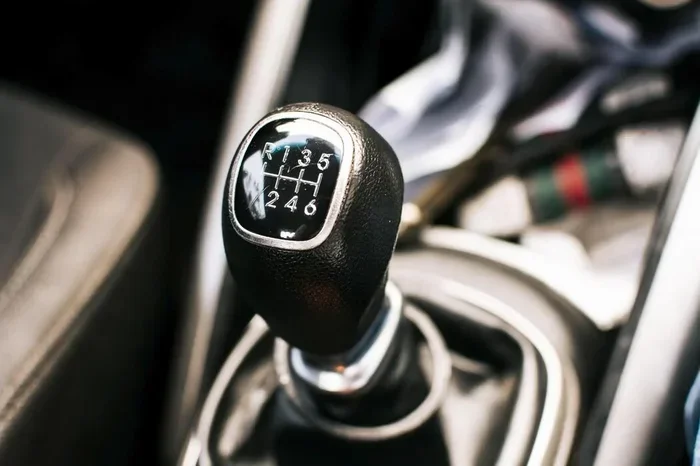
In some vehicles, especially manual transmission cars, you might see H and C near the gear shift. The H can stand for the highest gear, and the C can indicate the lowest or creep gear. This helps drivers know the optimal gear range for fuel efficiency and smooth driving.
Warning Indicators
Some dashboard warning lights use H and C in combination with other symbols. For example, a temperature warning light might show an H with wavy lines to indicate overheating. A cold weather indicator might show a C with snowflake symbols. Always pay attention to these combined symbols.
Why the H Indicator on Your Dashboard Is a Warning You Should Never Ignore
The H symbol on your temperature gauge deserves special attention. When the needle moves into the H zone, it means your engine is running hot. This is not something to brush off or hope goes away on its own.
Common Reasons the Needle Moves Toward H
Several issues can cause your engine temperature to rise above normal. Here are the most common culprits:
- Low coolant level: Coolant absorbs heat from the engine. When it runs low, the engine cannot cool properly.
- Thermostat failure: The thermostat regulates coolant flow. A stuck thermostat can block the flow and cause overheating.
- Radiator problems: A clogged or damaged radiator cannot dissipate heat effectively.
- Water pump failure: The water pump circulates coolant through the engine. If it breaks, heat builds up fast.
- Broken fan belt: The cooling fan relies on the belt to operate. A snapped belt means the fan stops working.
- Head gasket leak: This serious issue lets coolant leak into the engine cylinders.
What to Do When the Needle Hits H
If you notice the needle moving toward H while driving, act quickly but calmly. Here is a step-by-step approach to handle the situation safely:
- Turn off the air conditioning: The AC puts extra load on the engine. Turning it off reduces the heat.
- Turn on the heater: This might feel counterintuitive, but it pulls heat away from the engine and into the cabin.
- Pull over safely: Find a safe spot to stop as soon as possible.
- Turn off the engine: Let the engine rest and cool down for at least 15 to 20 minutes.
- Check the coolant: Once cooled, open the hood and check the coolant reservoir. Never open the radiator cap while hot.
- Call for help: If the problem persists, contact a mechanic or roadside assistance.
Following these steps can prevent a minor temperature spike from turning into a major engine failure. The key is to respond fast and not ignore the warning.
What the C Symbol Means on Your Temperature Gauge
The C on your temperature gauge means Cold. It represents the lower end of the safe temperature range. When you first start your car, the needle will often sit near the C. This is completely normal.
As the engine warms up, the needle gradually moves toward the center of the gauge. This process usually takes a few minutes. The engine needs time to reach its optimal operating temperature. Driving too hard before the engine warms up can cause extra wear and tear.
When a Cold Reading Becomes a Problem
In most cases, a needle stuck near the C is not a cause for alarm. However, if the needle stays cold even after driving for a long time, it could signal a problem. A stuck-open thermostat might let too much coolant flow, keeping the engine too cool. This can reduce fuel efficiency and increase engine wear over time.
Cold weather driving adds another layer to this. In freezing temperatures, the engine takes longer to warm up. But once it is running, the needle should still move into the normal range between H and C.
How to Keep Your Temperature Gauge in the Safe Zone
Prevention is always better than cure when it comes to engine temperature. Simple habits can keep your gauge needle right where it belongs, safely between H and C.
Regular Maintenance Tips
- Check coolant levels monthly: Low coolant is the number one cause of overheating.
- Inspect hoses for leaks: Cracked or loose hoses can cause coolant to drip out unnoticed.
- Replace the thermostat on schedule: Follow your car manufacturer’s recommended replacement interval.
- Flush the cooling system: Old coolant loses its effectiveness over time. A flush keeps the system fresh.
- Listen for unusual sounds: Grinding or gurgling noises near the engine area can signal cooling system trouble.
- Watch the temperature gauge daily: Make it a habit to glance at the gauge when you start the car.
Quick Tips for Hot Weather Driving
Summer heat puts extra stress on your cooling system. Here are some quick tips to keep your engine cool during hot weather:
- Keep extra coolant in your trunk for emergencies.
- Avoid idling for long periods in direct sunlight.
- Use your heater briefly if the needle starts to rise.
- Drive at moderate speeds on extremely hot days.
- Watch for warning lights on the dashboard.
Common Mistakes Drivers Make With H and C Symbols
Even experienced drivers sometimes make mistakes when it comes to understanding these symbols. Here are the most common errors and how to avoid them.
Mistake 1: Ignoring the H Indicator
The biggest mistake is seeing the needle move toward H and just hoping it will come back down. It might, but only temporarily. Continued driving with an overheating engine can cause the head gasket to blow, warp the engine block, or even seize the engine entirely. These repairs cost thousands of dollars.
Mistake 2: Opening the Radiator Cap While Hot
Some drivers rush to check the coolant when the needle hits H. They pop the radiator cap immediately. This is extremely dangerous. Pressurized hot coolant can spray out and cause severe burns. Always wait for the engine to cool down first.
Mistake 3: Confusing H and C on Headlights with Temperature
New drivers sometimes mix up the H and C symbols on the headlight switch with the temperature gauge. They panic when they see H on the light control, thinking the engine is hot. Learning the different contexts of these symbols prevents unnecessary worry.
Mistake 4: Topping Up with the Wrong Coolant
Not all coolants are the same. Using the wrong type can damage the cooling system and cause the temperature gauge to read inaccurately. Always check your owner’s manual for the recommended coolant type.
Expert Insights on Reading Your Car’s H and C Symbols
We spoke with automotive experts about the importance of understanding these symbols. Their advice reinforces what every driver should know.
Mark Dawson, ASE Certified Master Technician: “The H and C markings are your car’s way of talking to you. Most people ignore them until something goes wrong. Taking just five seconds to understand what they mean can save you hundreds or even thousands of dollars in repairs.”
Laura Simmons, Automotive Instructor: “I always tell my students to treat the temperature gauge like a vital sign. Just like you would check your own body temperature when feeling unwell, checking your car’s gauge takes only a moment and can prevent major problems.”
James Rivera, Roadside Assistance Specialist: “In my experience, most overheating calls happen because drivers did not notice the needle moving toward H in time. A simple habit of glancing at the gauge every time you start the car can make a huge difference.”
Frequently Asked Questions
What does H and C mean on a car temperature gauge?
The H stands for Hot and the C stands for Cold on a car temperature gauge. These markings show the safe operating range of your engine. The needle should sit between them during normal driving. If the needle moves toward H, your engine is getting too hot.
Can I keep driving if the needle is near the H symbol?
No, you should not keep driving if the needle stays near the H symbol for more than a few seconds. Pull over safely and turn off the engine. Continuing to drive with an overheating engine can cause serious and expensive damage to internal engine components.
What does H mean on the headlight switch?
On the headlight switch, H stands for High beam. This setting provides maximum brightness for driving on dark, empty roads. Always switch back to low beam (C) when other vehicles are nearby to avoid blinding other drivers.
Why is my temperature gauge stuck between H and C?
A gauge stuck between H and C can indicate a faulty temperature sensor or a wiring issue. It might also mean the coolant level is critically low. Have a mechanic inspect the system as soon as possible to diagnose the exact cause.
How often should I check my coolant level?
You should check your coolant level at least once a month. It is also a good idea to check it before long road trips. Always check the coolant when the engine is cool to avoid burns and get an accurate reading.
Is it normal for the needle to start near C and move up?
Yes, this is completely normal. When you start your car, the engine is cold and the needle sits near the C. As the engine warms up over a few minutes, the needle gradually moves toward the center of the gauge. This is a sign that your cooling system is working correctly.
Conclusion
The H and C symbols on your car are more than just tiny letters on a dial or switch. They are your vehicle’s way of communicating its health and status. Whether they appear on your temperature gauge, headlight controls, or climate settings, understanding them gives you an edge as a driver.
The H and C meaning on a car is simple but powerful. H means Hot, High beam, or Heat depending on the context. C means Cold, Low beam, or Cool. Knowing which meaning applies in each situation helps you respond quickly and correctly.
Take a moment today to locate these symbols in your own vehicle. Familiarize yourself with where they appear and what they mean in each context. This small habit can make a big difference in keeping your car running smoothly and your drives safe. The next time you see those letters on your dashboard, you will know exactly what your car is trying to tell you.