Boot of a Car Meaning Discover Why It Is Called Boot
The boot of a car refers to the rear storage compartment where you keep luggage, groceries, and other items. The word boot comes from British English and has an interesting historical origin tied to horse-drawn carriages. Whether you call it a boot or a trunk, this essential car feature plays a big role in daily driving and road trips.
Key Takeaways
- Boot meaning: The boot is the enclosed storage space at the rear of a car, used for carrying luggage and cargo.
- Historical origin: The term boot comes from 18th-century British carriages where a box was strapped to the back, called a boot locker.
- Boot vs trunk: British English uses boot, while American English uses trunk to describe the same car storage area.
- Different designs: Cars come with various boot styles including traditional, hatchback, split-level, and frunk designs.
- Maximizing space: Simple tips like using organizers and folding seats can dramatically increase your car boot capacity.
- Global variations: Different countries use different terms for the car storage compartment, reflecting rich automotive history.
- Safety matters: Properly securing items in your boot is essential for safe driving and accident prevention.
📑 Table of Contents
- What Does Boot of a Car Mean?
- Boot vs Trunk: Understanding the Terminology
- Types of Car Boot Designs
- How to Maximize Your Car Boot Space
- Fun Facts About Car Boot Names Around the World
- Common Boot Problems and How to Fix Them
- Why Boot Size Matters When Choosing a Car
- Expert Insights on Car Boot Design
- Key Takeaways
- Conclusion
What Does Boot of a Car Mean?
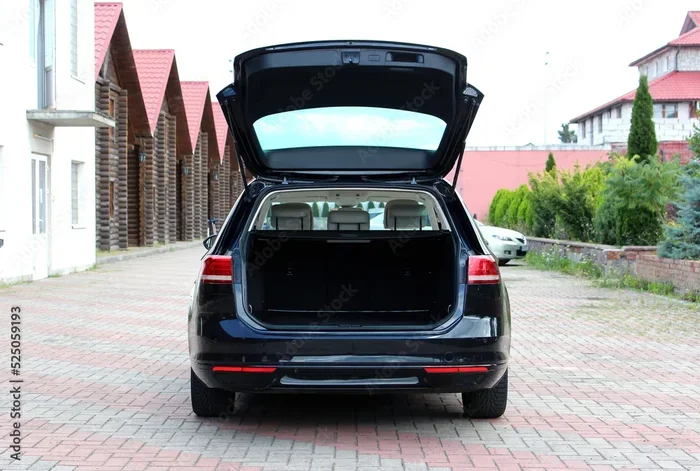
Have you ever wondered about the boot of a car meaning? It is simple. The boot is the storage area at the back of a car. This is where you put your luggage, groceries, sports gear, and anything else you need to carry. Every car has one. It might be big or small. But it serves one clear purpose. It keeps your things safe and organized while you drive.
The boot of a car is also known as the trunk in some countries. But the word boot has a special place in car language. It is used mostly in the United Kingdom, Australia, and many other parts of the world. Understanding what the boot does and why it matters helps you appreciate your vehicle more.
The car boot is not just a random box. It is a carefully designed part of the vehicle. Engineers plan its size, shape, and opening style. They think about how you will load and unload items. A good boot makes your life easier. A bad boot makes every trip a hassle. That is why boot design matters so much in car manufacturing.
When you buy a car, the boot size is one of the first things smart shoppers check. Families need big boots. City drivers might prefer smaller ones. Either way, the boot plays a key role in your daily driving experience. It affects comfort, convenience, and even safety.
Why Is the Storage Area Called a Boot?
The history behind the word boot is fascinating. It goes back hundreds of years. Long before cars existed, people traveled in horse-drawn carriages. These carriages had a special box on the outside. Drivers and guards kept their boots and belongings there. This box was called a boot locker.
Over time, the word boot became linked to storage on vehicles. When cars were invented in the late 1800s, engineers kept the term. The storage area at the back of early cars looked a lot like that old boot locker. So they kept calling it the boot. The name stuck. And here we are today, still using the word boot to describe car storage.
In British English, the boot of a car meaning has stayed consistent. It refers to the rear storage compartment. But in American English, the same space is called a trunk. Both words mean the exact same thing. They just come from different language traditions. This is one of the great quirks of the English language.
The term boot also connects to the idea of a boot-shaped container. Early boot lockers on carriages were often tall and narrow. They looked a bit like a boot. So the name made perfect sense. It was a storage box on the vehicle. And it was called a boot.
Boot vs Trunk: Understanding the Terminology
One of the most common questions people ask is about the boot vs trunk debate. Are they the same thing? Yes, they are. The only difference is the word you use based on where you live.
In the United Kingdom, Ireland, and most Commonwealth countries, people say boot. In the United States and Canada, the same part is called a trunk. Both terms refer to the rear storage compartment of a car. The function is identical. The design is the same. Only the name changes.
This difference comes from language evolution. British English and American English have many word variations. Colour and color is one example. Boot and trunk is another. Neither is wrong. Both are correct. It all depends on which dialect you grew up with.
Here is a quick look at how the terms differ across regions:
- United Kingdom: Boot
- United States: Trunk
- Australia: Boot
- New Zealand: Boot
- South Africa: Boot
- India: Boot
When you read car reviews or watch automotive videos, you will hear both words. The boot of a car meaning and trunk meaning are the same. But the context tells you which region the speaker is from. This is a fun detail that shows how language shapes even everyday car talk.
Some car manufacturers use both terms on the same vehicle. They might label the storage area as a boot in European models and a trunk in American models. This helps buyers from different regions feel at home with the car. It is a smart marketing move that reflects real language differences.
Types of Car Boot Designs
Not all car boots look the same. Different vehicles have different boot designs. Each design serves a specific purpose. Let us explore the most common types you will find on the road today.
Traditional Boot Design
The traditional boot is the most common design. You will find it on sedans and saloon cars. The boot is a separate enclosed space at the back of the car. It is separated from the passenger area by the rear seats. You access it through a lid or a tailgate.
This design has been around for decades. It works well for everyday driving. The boot keeps your items hidden from view. It also keeps them separate from passengers. This is great for safety and comfort. A traditional boot is practical and proven.
Hatchback Boot Design
Hatchback cars have a different approach. The boot area is combined with the passenger cabin. The rear door, called a hatch, opens upward. This gives you access to the entire rear space. Hatchback boots are often more versatile than traditional ones.
You can fit taller items in a hatchback boot. You can also fold down the rear seats. This creates a long, open cargo area. It is perfect for moving furniture or large items. Many city cars and compact SUVs use this design. It is popular because of its flexibility.
Split-Level Boot Design
Some cars have a split-level boot. This means the storage area is divided into two sections. One section might be lower than the other. This design helps organize cargo better. You can put heavy items in the lower section and lighter items on top.
SUVs and crossovers often use split-level boots. They give you more control over how you pack the car. Some split-level boots also have a flat storage area under the floor. This hidden space is great for valuables or fragile items you want to keep out of sight.
The Frunk: Front Boot Design
Electric vehicles have introduced a new concept. It is called a frunk. That is a front trunk combined with the word boot. Since electric cars do not have a big engine in the front, the space is empty. Manufacturers turn this space into extra storage.
The frunk works just like a regular boot. You can store bags, coolers, or tools there. Some electric cars have frunks that open like a hood. Others have a separate lid. This design adds a lot of cargo capacity. It is one of the big advantages of going electric.
How to Maximize Your Car Boot Space
Having a big boot is great. But knowing how to use it is even better. Smart packing can double your effective boot space. Here are some practical tips to help you get the most out of your car boot.
Use Boot Organizers and Boxes
Boot organizers are a game changer. They keep small items from rolling around. You can separate groceries from sports gear. You can keep shoes away from clean clothes. A simple fabric box or rigid plastic organizer makes a big difference.
Look for organizers that fit your car model. Some are collapsible. This means you can fold them away when you do not need them. Others have handles for easy loading and unloading. A good organizer saves time and keeps your boot tidy.
Fold Down the Rear Seats
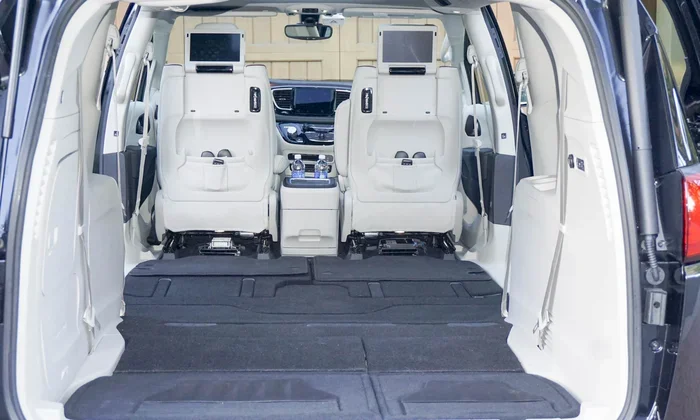
Most cars let you fold down the rear seats. This creates a much larger flat cargo area. It is perfect for moving big items like beds, tables, or appliances. Check your car manual to see how to do this safely.
Always make sure items are secured before driving. Loose cargo can shift during sudden stops. This can be dangerous. Use bungee cords or cargo nets. They keep everything in place. A little preparation goes a long way.
Think About Weight Distribution
Heavy items go in the boot, not on the roof. Placing weight low and centered improves car handling. It keeps the vehicle stable on the road. If you put too much weight in the boot, it can affect braking and cornering.
Try to spread the weight evenly. Do not load everything on one side. This helps the car stay balanced. It also reduces tire wear over time. Simple packing habits can improve your driving experience significantly.
Use the Boot Liner
A boot liner protects the inside of your storage area. It keeps dirt, spills, and scratches from damaging the car. You can get custom-fit liners for almost any car model. They clip into place and are easy to clean.
Rubber liners are durable and waterproof. Carpet liners look more premium. Some liners even have raised edges. These edges contain spills and prevent them from spreading. A boot liner is a small investment with big rewards.
Fun Facts About Car Boot Names Around the World
The boot of a car meaning is just the beginning. Car storage terms vary across cultures and languages. These differences tell us interesting stories about automotive history and local traditions.
In Germany, the storage area is called a Kofferraum. This translates to suitcase room. It makes perfect sense. You store suitcases and bags there. In France, it is called le coffre. This word means chest or trunk. It comes from the same Latin root as the English word coffin.
In Japan, the term is toranku. This is a direct borrowing from the English word trunk. It shows how global car culture has blended different languages. In Italy, the storage area is called il bagagliaio. This word comes from bagaglio, which means luggage or baggage.
These terms all describe the same thing. A place to store your belongings while you travel. The car boot is a universal concept. Only the name changes. This is a beautiful example of how language adapts to technology and culture.
Some car enthusiasts love collecting these regional terms. It is a fun way to learn about different cultures through cars. Next time you travel abroad, listen for the local word for car storage. It will give you a glimpse into that country automotive vocabulary. It is a small but fascinating detail that connects language and driving.
Common Boot Problems and How to Fix Them
Car boots are not perfect. They can develop problems over time. Knowing these issues helps you stay ahead. Here are the most common boot problems and how to solve them.
Sticky or stiff boot lid: This happens when the hinges or struts wear out. Spray lubricant on the hinges. Replace the hydraulic struts if needed. A new strut makes the lid easy to open and close.
Water leaks: Boot seals can degrade over time. Water seeps in during rain or car washes. Check the rubber seal around the boot lid. Replace it if it looks cracked or worn. This is a cheap fix that prevents costly interior damage.
Broken boot release mechanism: Sometimes the inside release button stops working. This can be caused by a broken cable or faulty switch. A mechanic can diagnose and fix this quickly. Do not ignore this problem. You need your boot to open reliably.
Smelly boot: Food spills, wet gear, and forgotten items can cause bad odors. Clean the boot regularly. Use baking soda to absorb smells. A boot liner also helps prevent stains and odors from setting in.
Worn boot carpet: The carpet inside the boot gets scratched and worn. Replace it with a new piece. Many auto parts stores sell custom-fit boot carpets. This is a quick and affordable upgrade that makes your car look newer.
Why Boot Size Matters When Choosing a Car
Boot size is a key factor when buying a car. It affects your daily life more than you might think. A small boot works for a single person. But a family of five needs much more space.
Car manufacturers measure boot size in liters. A compact city car might have 200 to 300 liters. A mid-size sedan could offer 400 to 500 liters. A large SUV can exceed 700 liters. Electric vehicles often have even more space thanks to clever packaging.
When you shop for a car, measure your typical cargo. Do you carry golf clubs? A stroller? Weekly grocery runs? Think about what you actually need. Then check if the boot can handle it. This practical approach saves you from buying a car that does not fit your lifestyle.
The boot of a car meaning is more than just a storage box. It is a reflection of how you live. A big boot supports an active life. It makes road trips easier. It helps you carry everything you need. That is why smart buyers always check the boot before making a decision.
Expert Insights on Car Boot Design
Automotive engineers spend years perfecting boot design. They balance size, shape, access, and aesthetics. A well-designed boot adds real value to a car. Here is what industry experts say about modern boot design.
According to automotive designers, the ideal boot opens wide and low. This makes loading heavy items much easier. Cars with a hatchback-style boot opening score high on practicality. They give you a large opening and a flat floor. This combination is hard to beat.
Safety experts also highlight the importance of boot design. Items in the boot can become projectiles in a crash. That is why many cars have netting or dividers. These keep cargo secure during sudden stops and collisions. Always use these features. They are there for your safety.
Ergonomics also play a big role. The boot height matters. If the opening is too high, you have to lift items over a tall edge. A lower boot sill reduces strain on your back. Engineers call this the load height. A lower load height makes the car more user-friendly.
Key Takeaways
- Boot meaning: The boot is the enclosed storage space at the rear of a car, used for carrying luggage and cargo.
- Historical origin: The term boot comes from 18th-century British carriages where a box was strapped to the back, called a boot locker.
- Boot vs trunk: British English uses boot, while American English uses trunk to describe the same car storage area.
- Different designs: Cars come with various boot styles including traditional, hatchback, split-level, and frunk designs.
- Maximizing space: Simple tips like using organizers and folding seats can dramatically increase your car boot capacity.
- Global variations: Different countries use different terms for the car storage compartment, reflecting rich automotive history.
- Safety matters: Properly securing items in your boot is essential for safe driving and accident prevention.
Conclusion
The boot of a car meaning is clear and simple. It is the storage compartment at the rear of your vehicle. But the story behind that word is rich and full of history. From horse-drawn carriages to modern electric cars, the boot has evolved with automotive technology. It remains one of the most practical and essential features of any car.
Whether you call it a boot or a trunk, this space matters. It affects your daily comfort, your road trip plans, and even your car safety. Understanding the boot helps you make better choices when buying a car. It also helps you take better care of your vehicle.
Next time you open your car boot, take a moment to appreciate it. Think about the centuries of history behind that name. Think about the clever engineering that went into designing that space. And think about how much easier your life is because of it. The humble car boot is more than just a box. It is a window into automotive history, language, and smart design.
Now you know everything there is to know about the boot of a car meaning. You understand why it is called a boot. You know the differences between boot and trunk. You have practical tips to maximize your boot space. You are ready to make the most of this essential car feature. Drive safe, pack smart, and enjoy every journey.
Frequently Asked Questions
What is the boot of a car?
The boot of a car is the enclosed storage compartment located at the rear of the vehicle. It is used to store luggage, groceries, tools, and other items. In American English, this same space is called a trunk. The boot is one of the most essential and practical features of any car.
Why is it called a boot and not a trunk?
The word boot comes from British English and dates back to horse-drawn carriages. Drivers stored their boots in a box on the outside of the carriage. This box was called a boot locker. When cars were invented, the storage area at the back was named after this historical feature. American English uses the word trunk instead, but both refer to the same car storage space.
How big is an average car boot?
An average car boot ranges from 200 to 500 liters depending on the vehicle type. Compact cars usually have smaller boots around 200 to 300 liters. Mid-size sedans offer 400 to 500 liters. Large SUVs and estates can exceed 700 liters. Electric vehicles often have extra storage thanks to the absence of a large engine up front.
Can I increase my car boot space?
Yes, you can increase your car boot space in several ways. Folding down the rear seats creates a much larger flat cargo area. Using boot organizers helps you use every inch efficiently. Removing unnecessary seats or accessories can also free up space. Some aftermarket solutions like cargo nets and trays help maximize the existing boot capacity.
Is it safe to drive with items in the boot?
Yes, it is safe as long as items are properly secured. Loose cargo can shift during sudden stops or turns. This can affect vehicle balance and handling. Use bungee cords, cargo nets, or boot dividers to keep items in place. Never overload the boot beyond the manufacturer recommended weight limit. Safety should always come first.
What is a frunk in a car?
A frunk is a front trunk found in many electric vehicles. Since electric cars do not have a large engine in the front, the space is empty. Manufacturers turn this area into extra storage. The name frunk is a combination of front and trunk. It works just like a regular boot and provides additional cargo capacity.
=== CONCLUSION ===
The boot of a car meaning goes beyond just a storage compartment. It represents a piece of automotive history, a practical feature, and a key part of car design. From its origins in 18th-century British carriages to modern electric vehicles, the boot has stood the test of time. Understanding what the boot is and why it is called a boot gives you a deeper appreciation for your vehicle. Use the tips in this article to make the most of your car boot. Pack smart, drive safe, and enjoy every journey with confidence.