Everything You Need to Know About Car Number Plate Types
Car number plate types vary widely depending on your vehicle, location, and personal style. Whether you drive a classic car, a motorcycle, or a modern EV, there is a specific plate type designed for your needs. This guide covers every major category, from standard registration plates to personalized and specialty options.
Have you ever looked at the road and noticed how different every car’s plate looks? Some are plain white with black letters. Others flash bright designs or carry special logos. Car number plate types are more varied than most people realize. Each type serves a specific purpose, follows certain rules, and tells you something about the vehicle behind it.
If you have ever wondered about the different plates on cars, you are in the right place. This guide breaks down every major license plate style you will encounter. We cover standard plates, custom options, specialty designs, and even plates for motorcycles and classic cars. By the end, you will know exactly what fits your vehicle and your needs.
Key Takeaways
- Standard Plates: The most common type issued by your local DMV or transport authority for everyday vehicles.
- Custom and Personalized Plates: Let you choose unique combinations of letters and numbers to reflect your personality.
- Specialty and Vanity Plates: Support causes, organizations, or showcase your interests through creative designs.
- Vintage and Classic Plates: Designed for older vehicles with specific age requirements and retro styling.
- Commercial and Dealer Plates: Serve businesses, licensed dealers, and temporary registration needs.
- Material and Design Matters: Plates come in various materials like aluminum, steel, and even digital displays.
- Regulations Vary by Region: Always check your local laws before choosing or modifying a plate type.
📑 Table of Contents
- What Are Car Number Plate Types?
- Standard Vehicle Registration Plates
- Custom and Personalized Number Plates
- Specialty and Cause-Support Plates
- Vintage and Classic Car Plates
- Commercial, Dealer, and Temporary Plates
- Motorcycle and Specialty Vehicle Plates
- Plate Materials and Manufacturing
- International Number Plate Styles
- Common Mistakes People Make with Car Plates
- How to Choose the Right Plate Type for Your Vehicle
- Conclusion
What Are Car Number Plate Types?
A car number plate is more than just a metal square bolted to your vehicle. It is a legal identifier. It links your car to its registration, insurance, and ownership records. Governments issue plates to track vehicles on public roads. Without them, driving legally would be impossible in most places.
The world of vehicle registration plates is surprisingly diverse. A family sedan might carry a standard issue plate. A collector’s vintage Mustang could display a black and silver retro plate. A delivery van might show a commercial plate with a company logo. Each type has its own rules, appearance, and purpose.
Understanding these differences matters for several reasons. First, it keeps you legal on the road. Second, it helps you express your personality or support a cause. Third, it can even affect your vehicle’s resale value. Let us explore every major category in detail.
Standard Vehicle Registration Plates
Standard plates are what most drivers see every day. They are the default plates issued when you register a new vehicle. These plates follow strict government guidelines for size, color, font, and placement.
How Standard Plates Work
Every country and state has its own standard plate design. In the United States, each state creates its own layout. Some feature the state name across the top. Others include a slogan or landmark image. The background color, text color, and font are all regulated.
Standard plates typically include:
- A unique alphanumeric sequence assigned by the DMV
- The state or region name
- A specific color scheme
- Reflective material for nighttime visibility
- Year validation stickers or digital tags
Most passenger cars need two plates: one for the front and one for the rear. However, some states only require a rear plate. Motorcycles usually get a single rear plate. The front and rear plates rule depends entirely on your local laws.
Why Standard Plates Matter
Standard plates ensure every vehicle on the road can be easily identified by law enforcement. They make toll collection, parking enforcement, and accident investigations possible. Without standardized registration plate formats, tracking vehicles would be a nightmare.
Quick Tip: Always keep your standard plates clean and visible. Dirt, damage, or expired stickers can lead to fines during traffic stops.
Custom and Personalized Number Plates
If you want your car to stand out, custom plates are the way to go. Personalized number plates let you choose a unique combination of letters and numbers. Instead of random characters, you pick something meaningful to you.
What Makes Custom Plates Special
Custom plates go by many names. People call them vanity plates, personal plates, or prestige plates. No matter the term, the idea is the same. You pay extra to get a plate that reflects your identity.
Here are popular custom plate themes:
- Names and initials: Your name or nickname spelled out with numbers replacing letters
- Hobbies and interests: Plates like “FISHNG” or “GOLFNG” for fishing or golf enthusiasts
- Inside jokes: Funny combinations that only you and your friends understand
- Status symbols: Low-digit plates like “1” or “A1” that signal prestige
- Date references: Birth years, anniversaries, or lucky numbers
Most regions limit what you can put on a custom plate. Offensive language, misleading phrases, and government impersonation are typically banned. You must submit your preferred combination for approval before payment.
Cost Considerations
Custom plates cost more than standard ones. Fees vary widely. Some states charge a one-time premium of 50 to 100 dollars. Others charge annual fees on top of regular registration. The rarer your chosen combination, the more you might pay.
Expert Insight: Popular letter combinations sell out fast. If you have a specific plate idea in mind, check availability early. Some jurisdictions use online tools where you can search for open combinations before committing.
Specialty and Cause-Support Plates
Specialty plates do more than identify your vehicle. They raise awareness and funds for causes you care about. These specialty license plates are among the most visually distinctive options available.
Types of Specialty Plates
Specialty plates come in many forms. Here are the most common categories:
- Charity and nonprofit plates: A portion of the fee supports organizations like wildlife conservation, cancer research, or animal shelters.
- University and school plates: Show pride in your alma mater or favorite college with branded plate designs.
- Military and veteran plates: Honor service members with plates featuring branch insignia or military slogans.
- Professional organization plates: Plates for firefighters, nurses, teachers, and other professional groups.
- Sports team plates: Support your favorite local or national team through plate designs.
- Environmental plates: Promote green causes like recycling, clean energy, or park conservation.
How They Work Financially
Most specialty plates include an extra fee. This fee goes directly to the supported cause or organization. For example, a wildlife conservation plate might add 25 dollars per year to your registration cost. Over time, these small additions add up to significant funding for important programs.
Some states offer hundreds of different specialty options. You can find plates for almost any interest or cause. The key is checking what your state or country offers through the DMV or transport authority website.
Vintage and Classic Car Plates
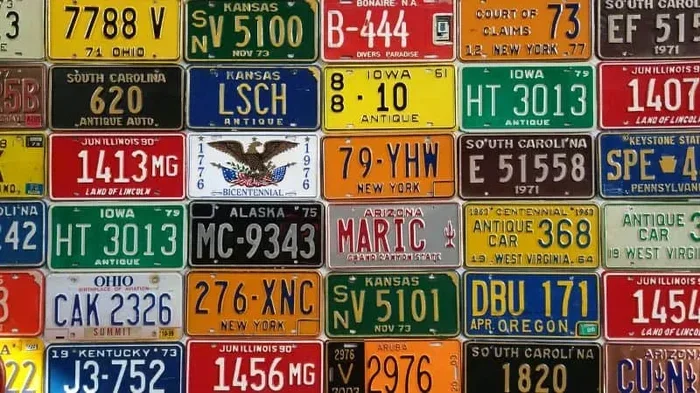
If you own an older vehicle, vintage plates might be the perfect fit. Classic car registration plates give older cars a nostalgic look while keeping them legally registered.
What Qualifies as a Vintage Plate
Vintage plates typically apply to vehicles over a certain age. Most regions set this threshold at 20 to 25 years old. Cars from the 1960s, 1970s, and 1980s often qualify. The exact age requirement depends on your local regulations.
These plates often feature retro designs. Black plates with silver text are common in many countries. Some regions offer plates that mimic the styles from the vehicle’s original manufacturing year. This creates a cohesive, period-correct look.
Benefits of Vintage Plates
Vintage plates do more than look great. They can reduce registration costs. Many jurisdictions offer lower fees for older vehicles. Some areas also exempt vintage cars from annual safety inspections, depending on their usage.
However, there are restrictions. In many places, vintage plates limit how far and how often you can drive the vehicle. They may only be valid for leisure use, car shows, and weekend drives. Commercial use is usually prohibited.
Common Mistake: Do not assume your old car automatically qualifies for vintage plates. Always check the specific age requirement and application process in your region before making the switch.
Commercial, Dealer, and Temporary Plates
Not all plates belong to personal vehicles. Businesses, dealers, and people in transitional situations need their own plate types. These commercial vehicle plates serve very specific purposes.
Commercial Vehicle Plates
Businesses use commercial plates for trucks, vans, and fleet vehicles. These plates often include the business name or registration number. They distinguish company vehicles from personal cars for tax and insurance purposes.
Commercial plates typically require additional documentation. You may need proof of business registration, commercial insurance, and vehicle use permits. The fees are usually higher than standard personal plates.
Dealer Plates
Car dealerships use dealer plates to move vehicles on public roads without final registration. These plates allow test drives, transport between lots, and delivery to customers. Dealer plates are usually issued in limited quantities and must be displayed prominently.
Misuse of dealer plates carries heavy penalties. They are strictly for business-related vehicle movement, not personal use.
Temporary Registration Plates
When you buy a new car, you often drive it home on a temporary tag. These temporary registration tags are usually paper or removable stickers. They display a temporary number and expiration date.
Temporary plates have a short validity window, typically 30 to 90 days. During this period, you must complete full registration and receive your permanent plates. Driving without valid plates, even temporary ones, can result in fines.
Comparison Table: Plate Types at a Glance
| Plate Type | Primary Use | Typical Cost | Validity Period |
|---|---|---|---|
| Standard Plates | Everyday personal vehicles | Base registration fee | Annual or biennial |
| Custom/Personalized Plates | Personal expression | Base fee plus premium | Annual renewal |
| Specialty/Cause Plates | Awareness and fundraising | Base fee plus cause donation | Annual renewal |
| Vintage/Classic Plates | Older vehicles (20+ years) | Reduced registration fee | Annual renewal |
| Commercial Plates | Business and fleet vehicles | Higher than standard | Annual renewal |
| Dealer Plates | Vehicle transport and test drives | Issued by dealer authority | Short-term, renewable |
| Temporary Plates | New vehicle registration gap | Low or included in purchase | 30 to 90 days |
Motorcycle and Specialty Vehicle Plates
Motorcycles, trailers, and other specialty vehicles each have their own plate requirements. These motorcycle license plates differ from car plates in size, design, and placement rules.
Motorcycle Plates
Motorcycle plates are smaller than car plates. Most jurisdictions require only a single rear plate. The compact size fits the smaller tail section of bikes. Design rules still apply, including reflective materials and legible fonts.
Some regions offer special motorcycle plates with unique designs. These may include motorcycle-themed graphics or distinct color schemes. Custom motorcycle plates follow the same personalization rules as car plates.
Trailer and RV Plates
Trailers, RVs, and campervans need their own plates in most areas. These plates are separate from the tow vehicle. They indicate that the vehicle is registered as a trailer or recreational vehicle. Size and design vary by classification.
Electric and Hybrid Vehicle Plates
Some regions issue special plates for electric vehicle and hybrid cars. These plates often feature green elements or EV-specific logos. They help identify environmentally friendly vehicles for incentive programs like carpool lane access.
Plate Materials and Manufacturing
Not all plates are created equal when it comes to materials. The type of material affects durability, visibility, and cost.
Common Plate Materials
- Aluminum: Lightweight and resistant to corrosion. The most common material for modern plates worldwide.
- Steel: Durable and heavy. Often used for commercial and government plates.
- Plastic composites: Used for temporary and paper-based plates. Less durable but cheaper to produce.
- Tin and enamel: Common on vintage and classic plates. Gives that nostalgic retro look.
- Digital/e-ink displays: Emerging technology in some regions. Allows plates to change characters electronically.
Reflectivity and Visibility
Modern plates use reflective sheeting to ensure visibility at night. This is not optional. All legally valid plates must meet reflectivity standards. Plates that have faded or lost their reflective coating should be replaced promptly.
Quick Tip: If your plate is faded, cracked, or peeling, replace it immediately. Damaged plates can result in fines and may fail vehicle inspections.
International Number Plate Styles
Car number plate types differ dramatically across countries. If you travel internationally or import a vehicle, understanding foreign plate styles is essential.
European Plates
Many European countries use the Euro plate format. These plates feature a blue strip on the left side with the EU flag or country code. The rest of the plate is white with black text. Format and sizing are standardized across EU member states.
The UK has its own distinct style. British plates use a white front plate and a yellow rear plate. The font is strictly regulated, and the plate must include the Union Jack flag on the left side for vehicles registered after 2021.
Asian and Middle Eastern Plates
Countries in Asia and the Middle East use plates with Arabic or local script. Some feature elaborate designs with national emblems. Saudi Arabia, for example, issues plates with Arabic calligraphy and distinct color patterns based on vehicle class.
North American Plates
In the United States, every state designs its own plate. Canada follows a similar provincial system. Mexico uses a national format with state identifiers. Each country has its own sizing and material standards.
Common Mistakes People Make with Car Plates
Even careful car owners make plate-related mistakes. Here are the most common ones to avoid:
- Using plates from a different state or country: This is illegal in most jurisdictions and can result in heavy fines.
- Ignoring plate expiration dates: Expired plates must be renewed or replaced immediately.
- Obscuring plates with accessories: License plate frames that cover any part of the plate can lead to citations.
- Using damaged or faded plates: Plates that are hard to read do not meet legal standards.
- Not checking local regulations for custom plates: What is allowed in one state may be prohibited in another.
- Transferring plates between vehicles illegally: Plates are typically tied to the owner, not the vehicle, but rules vary.
Expert Insight: When in doubt about plate regulations, contact your local DMV or transport authority directly. They can clarify rules that may not be obvious online. A quick phone call can save you from expensive mistakes.
How to Choose the Right Plate Type for Your Vehicle
Choosing the right plate type depends on several factors. Here is a simple decision process to follow:
- Identify your vehicle type: Is it a personal car, commercial vehicle, motorcycle, or classic?
- Check local regulations: Review your state or country’s plate requirements on the official transport website.
- Determine your goals: Do you want standard compliance, personal expression, or cause support?
- Consider your budget: Factor in registration fees, custom plate premiums, and any ongoing costs.
- Apply through official channels: Always use your local DMV or authorized agency to register plates properly.
Taking the time to choose the right car number plate types ensures you stay legal and get the most out of your vehicle registration experience.
Conclusion
Car number plate types cover a wide and fascinating range of options. From standard plates that every driver needs to custom plates that express individuality, there is a perfect plate for every vehicle and every owner. Specialty plates support causes you care about. Vintage plates celebrate automotive history. Commercial and temporary plates serve specific business and transitional needs.
Understanding these options empowers you to make informed decisions. You can choose plates that are legal, functional, and personally meaningful. Always verify your local regulations before making any changes. When in doubt, reach out to your local DMV for guidance.
Your vehicle’s plate is more than a legal requirement. It is a part of your car’s identity. Choose wisely, keep it maintained, and drive with confidence knowing your plates are exactly what they should be.
Frequently Asked Questions
What is the difference between standard plates and custom plates?
Standard plates are issued by the DMV with randomly assigned numbers and a uniform design. Custom plates, also called personalized plates, let you choose your own combination of letters and numbers for an additional fee. Both serve the same legal purpose, but custom plates offer a way to express your personality.
Can I use a plate from another state on my car?
No. You must register your vehicle in your state of residence and display plates issued by that state. Using out-of-state plates on a resident vehicle is illegal and can result in fines, penalties, and vehicle impoundment.
Are vintage plates the same as collector plates?
Not exactly. Vintage plates are official registration plates issued for older vehicles that meet age requirements. Collector plates may refer to plates produced for display or collection purposes only and are not valid for road use. Always confirm whether a plate is street-legal before mounting it on your vehicle.
How much extra do personalized plates cost?
Costs vary by jurisdiction. Some states charge a one-time fee of 50 to 200 dollars, while others add an annual premium of 20 to 100 dollars on top of regular registration. Check your local DMV website for current pricing.
Do I need two plates if I only have a rear plate bracket?
Some states only require a rear plate for passenger vehicles. Others mandate both front and rear plates. Check your state’s specific laws. If your state requires two plates but your vehicle only has a rear bracket, you may need to install a front plate bracket or seek a legal exemption.
What happens if my temporary plate expires?
Driving with an expired temporary plate is illegal and can result in a citation. You must complete your permanent registration before the temporary plate expires. If you need more time, contact your DMV to request an extension or renewal of the temporary tag.
=== CONCLUSION ===
Car number plate types are a fundamental part of vehicle ownership and road legality. This guide has covered every major category from standard registration plates to custom, specialty, vintage, commercial, and international options. Each plate type serves a unique purpose and follows specific rules set by local authorities.
Whether you are registering a new car, personalizing your ride, or supporting a cause through a specialty plate, the right choice starts with knowledge. Use the tips and insights in this article to navigate the world of vehicle registration plates with confidence. Stay informed, stay compliant, and let your plate tell your story.