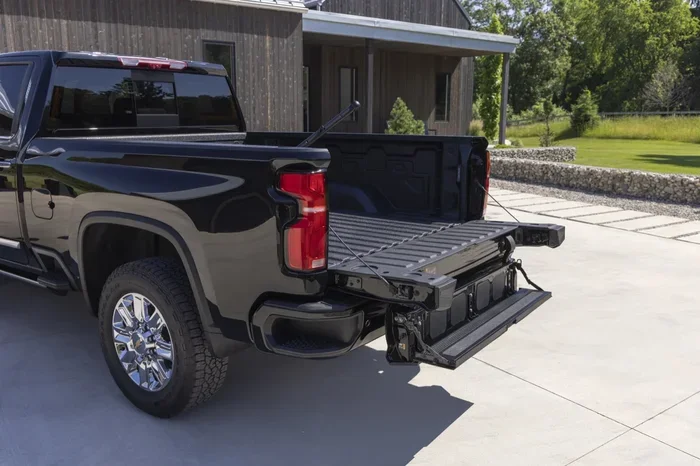
Is It Actually Illegal to Have Your Truck Tailgate Down
Is It Illegal to Have Your Truck Tailgate Down? The answer depends on your state, local laws, and how you drive. Many drivers assume leaving the tailgate down is perfectly fine, but tailgate regulations vary widely across the country. Some states have clear laws against it, while others leave it up to interpretation. This guide breaks down the real rules, safety risks, and what can happen if you get pulled over with your tailgate position down on the highway.
Have you ever been driving down the highway and noticed a pickup truck cruising with its tailgate flapping in the wind? It is a common sight on American roads. But here is the question that keeps coming up: Is It Illegal to Have Your Truck Tailgate Down? The short answer is: it depends. There is no single federal law that bans the practice nationwide. However, state laws, local ordinances, and safety regulations can make it illegal in certain places. This article dives deep into the rules, risks, and realities of driving with your tailgate down. Whether you use your truck for work or just like the look, you need to know what the law says.
Many drivers assume that because it is so common, it must be perfectly legal. That is not always the case. Some states have clear tailgate regulations on the books. Others have vague language that leaves room for interpretation. And then there are the safety concerns that go beyond just the law. An open tailgate can affect your visibility, your cargo security, and even your insurance coverage. Let us break it all down so you can drive with confidence and stay on the right side of the rules.
Key Takeaways
- No Universal Law: There is no single federal rule that makes it illegal to have your truck tailgate down. Laws vary by state and city.
- Safety Is a Real Concern: Driving with the tailgate down can reduce rear visibility and create cargo spillage hazards on the road.
- Some States Restrict It: States like California, New York, and others have specific laws or interpretations that may fine you for an open tailgate.
- Fines Vary Widely: Penalties range from a simple warning to fines of $100 or more depending on your location.
- Insurance May Be Affected: If an accident occurs with the tailgate down, your insurance company could use it as a factor in your claim.
- Quick Fixes Exist: You can use tailgate nets, cargo nets, or bed extenders to keep items secure and stay on the right side of the law.
- Know Your Local Rules: Always check your state and city traffic codes before assuming it is legal to drive with your tailgate lowered.
📑 Table of Contents
- The Short Answer: Is It Illegal to Have Your Truck Tailgate Down?
- Why Drivers Leave Their Truck Tailgate Down
- Safety Concerns of Driving With Your Tailgate Down
- State-by-State Tailgate Laws and Regulations
- Common Misconceptions About Tailgate Laws
- What Happens If You Get Pulled Over With Your Tailgate Down?
- Quick Tips and Common Mistakes
- The Bottom Line on Tailgate Position and the Law
The Short Answer: Is It Illegal to Have Your Truck Tailgate Down?
So, is it illegal to have your truck tailgate down? The honest answer is that there is no blanket federal law against it. The United States does not have a single national rule that says you cannot drive with your tailgate in the lowered position. However, that does not mean it is always legal. State traffic laws and local ordinances can override general federal guidance. In some states, driving with the tailgate down is explicitly prohibited. In others, it falls into a gray area where enforcement depends on the situation.
What the Law Actually Says
When we talk about truck tailgate laws, we are really talking about a patchwork of state-level regulations. Each state sets its own rules for vehicle equipment and safety. Some states have specific statutes that address tailgate position. Others include it under broader cargo restraint or vehicle equipment codes. For example, many states require that cargo be properly secured and not extend beyond the vehicle in a way that creates a hazard. An open tailgate can sometimes fall under this category if items are spilling out or if visibility is compromised.
The key takeaway here is that you cannot just assume it is fine because there is no federal ban. You need to look at the laws in your specific state and city. What is perfectly legal in Texas might get you a ticket in California. That is the reality of tailgate legislation in the U.S.
The Difference Between State and Federal Rules
Federal regulations, such as those set by the National Highway Traffic Safety Administration (NHTSA), focus on vehicle safety standards. They do not specifically address whether a tailgate should be up or down. Instead, federal rules cover things like brake lights, reflectors, and cargo securement. State laws fill in the gaps. Some states have adopted federal cargo securement rules directly into their own traffic codes. This means that even if there is no specific tailgate law, you could still get cited for unsafe cargo if items are falling out of your truck bed with the tailgate down.
Here is a quick comparison of how federal and state rules interact:
- Federal Level: No specific tailgate position law. General cargo securement rules apply.
- State Level: Varies widely. Some states ban open tailgates; others have no specific rule.
- Local Level: Cities and counties may have their own ordinances that add restrictions.
Why Drivers Leave Their Truck Tailgate Down
Before we get into the legal side, let us talk about why so many drivers do it. Understanding the motivation helps explain why this is such a common practice. There are several reasons people lower their tailgate, and most of them come down to convenience.
Common Reasons People Lower Their Tailgate
- Easy Loading and Unloading: A down tailgate makes it simple to toss in groceries, luggage, or construction materials.
- Better Bed Access: It gives you full access to the truck bed without having to remove or prop up the tailgate.
- Airflow and Fuel Economy: Some drivers believe that an open tailgate creates a vortex that improves fuel efficiency. This is a debated topic, but it is a common belief among pickup truck owners.
- Cooling Cargo: For people hauling items that need ventilation, an open tailgate helps air circulate.
- Habit: Many drivers just leave it down out of habit and do not think twice about it.
The Convenience Factor
Let us be real for a second. Leaving the tailgate down is just convenient. You do not have to fiddle with it every time you load something. It becomes second nature. But convenience does not always equal legality. And that is where many drivers run into trouble. They do not realize that the practice they have done for years could actually be against the law where they live. This is why it is so important to understand tailgate driving regulations in your area.
Safety Concerns of Driving With Your Tailgate Down
Beyond the legal question, there are real safety concerns that come with driving with your tailgate in the lowered position. These concerns are not just about getting a ticket. They are about keeping yourself and others safe on the road.
Visibility Issues
One of the biggest concerns with an open tailgate is reduced rear visibility. When the tailgate is down, your rear window may be partially or fully blocked depending on your truck model. This can make it harder to see vehicles behind you, especially when merging or changing lanes. It also reduces your ability to see brake lights and signals from cars behind you. In poor weather conditions like rain or fog, this visibility issue becomes even more pronounced.
Some modern trucks have rearview cameras that can help compensate for this. But not all vehicles are equipped with this technology. And even with a camera, you lose some of the natural depth perception that comes from an unobstructed view out the rear window. This is a genuine tailgate safety concern that goes beyond just the law.
Cargo Safety Risks
An open tailgate means your cargo is less secure. Items can shift, spill, or fly out of the truck bed, especially at highway speeds. This creates a hazard for other drivers on the road. A small piece of lumber or a loose bag of mulch flying out of an open tailgate can cause a serious accident. This is why many cargo restraint laws focus on ensuring that nothing falls or blows from your vehicle.
Even if you think your cargo is secure, wind and road vibration can shift things over the course of a long drive. A net or cover helps, but it is not a substitute for keeping the tailgate up when you are transporting loose items.
Environmental and Health Concerns
Here is one that not many people think about. An open tailgate can increase drag on your vehicle, which affects fuel combustion. More fuel burned means more emissions. While this is a minor concern for a single vehicle, it adds up when millions of trucks drive with their tailgates down every day. Some environmental studies have looked at the impact of open tailgates on fuel efficiency and emissions. The results suggest that keeping the tailgate up is actually better for fuel economy in most modern trucks, thanks to improved aerodynamics.
State-by-State Tailgate Laws and Regulations
This is where things get really interesting. Tailgate regulations by state vary quite a bit. Let us look at how different states handle the question of whether it is illegal to have your truck tailgate down.
States Where It May Be Restricted
Some states have clear laws or strong enforcement traditions when it comes to open tailgates. For example:
- California: California Vehicle Code has provisions about cargo securement. While there is no specific “tailgate down” law, officers can cite drivers for unsafe cargo or obstructed visibility.
- New York: New York has strict vehicle equipment laws. An open tailgate could potentially be cited as a vehicle equipment violation if it is deemed unsafe.
- Texas: Texas is generally more relaxed about tailgate position, but cargo securement laws still apply.
- Florida: Florida law requires that vehicles not carry loads that extend beyond the body in a way that creates a hazard. An open tailgate with loose cargo could trigger this.
States With No Specific Tailgate Laws
Many states do not have any specific law addressing tailgate position. In these states, the practice is generally tolerated as long as your cargo is secure and your visibility is not impaired. However, “tolerated” does not mean “risk-free.” If an officer determines that your open tailgate is creating a hazard, they can still issue a citation under general traffic safety laws.
Comparison Table: Tailgate Laws by Region
| Region | Specific Tailgate Law? | Enforcement Level | General Rule |
|---|---|---|---|
| California | No specific law | Moderate | Restricted under cargo and visibility laws |
| New York | No specific law | Moderate to High | Can be cited for unsafe equipment |
| Texas | No specific law | Low to Moderate | Generally allowed with secure cargo |
| Florida | No specific law | Moderate | Restricted if cargo is hazardous |
| Midwest States | No specific law | Low | Generally tolerated |
| Mountain States | No specific law | Low | Generally tolerated |
As you can see from the table, most states do not have a specific law about tailgate position. But that does not mean you are in the clear everywhere. General traffic and safety laws can still apply.
Common Misconceptions About Tailgate Laws
There are a lot of myths floating around about tailgate position and the law. Let us clear up some of the most common ones.
Myth vs. Reality
Myth: It is legal everywhere because there is no federal law against it. Reality: While there is no federal ban, state and local laws can make it illegal. You are still subject to the laws of the state you are driving in.
Myth: If your tailgate is down, you automatically get a ticket. Reality: Most officers will not pull you over solely for a down tailgate. However, if they stop you for another reason and notice it, they may cite you for related violations like unsafe cargo or obstructed visibility.
Myth: You need a tailgate cover or net if the tailgate is down. Reality: Some states and localities may require cargo nets or covers, but this is not universal. Check your local rules.
Expert Insights
Traffic safety experts generally advise against driving with the tailgate down for two main reasons. First, it reduces visibility and increases the risk of accidents. Second, it can lead to cargo spillage that endangers other drivers. Even in states where it is not explicitly illegal, an officer can use their discretion to issue a citation if the open tailgate creates a hazard. The best practice is to keep your tailgate up when driving, especially on highways and in populated areas.
According to the American Trucking Associations and various state highway patrol agencies, tailgate safety is an often-overlooked aspect of vehicle safety. Many accidents involving cargo spillage could be prevented by simply keeping the tailgate secured in the upright position.
What Happens If You Get Pulled Over With Your Tailgate Down?
If you are pulled over and your tailgate is down, what actually happens? The outcome depends on several factors, including your location, the officer’s discretion, and whether there are other violations involved.
Potential Fines and Penalties
In states or cities with strict tailgate regulations, you could face a fine ranging from $50 to $200 or more. In some cases, the officer may issue a warning instead of a fine. If the open tailgate contributed to a cargo spill or visibility issue, the penalties could be higher. In extreme cases, if an accident occurs and the open tailgate is determined to be a contributing factor, you could face more serious consequences, including liability for damages.
It is also worth noting that some tailgate violations can affect your insurance rates. If you are cited for an unsafe vehicle condition, your insurance company may view it as a moving violation or at least a factor in your risk profile. This could lead to higher premiums over time.
How to Handle a Traffic Stop
If you are pulled over with your tailgate down, stay calm and cooperative. If the officer issues a citation, accept it politely. You can always contest the ticket in court if you believe it was issued unfairly. Having knowledge of your local laws can help you in court. For example, if you are in a state with no specific tailgate law, you may be able to argue that the citation was not warranted.
Quick Tips and Common Mistakes
Quick Tips for Tailgate Safety
- Always keep your tailgate up when driving on highways and interstates.
- Use a cargo net or tonneau cover if you need to transport loose items with the tailgate down.
- Check your state and local traffic codes before assuming it is legal to drive with your tailgate down.
- Install a rearview camera to compensate for reduced visibility with the tailgate down.
- If you must drive with the tailgate down, reduce your speed and increase your following distance.
- Make sure your brake lights and tail lights are still fully visible with the tailgate in any position.
Common Mistakes to Avoid
- Assuming it is legal everywhere: Just because you have seen other drivers do it does not mean it is legal in your area.
- Ignoring cargo securement: Even with the tailgate up, loose cargo can be a hazard. Secure your load properly every time.
- Relying on habit instead of knowledge: Do not just follow what you have always done. Take the time to learn the laws in your jurisdiction.
- Underestimating visibility issues: An open tailgate can significantly reduce your rearward visibility, especially in larger trucks and SUVs.
- Not checking local ordinances: State law is not the only level of regulation. Your city or county may have additional rules.
The Bottom Line on Tailgate Position and the Law
So, to wrap it all up: is it illegal to have your truck tailgate down? The answer is not a simple yes or no. In many states, there is no specific law that bans the practice outright. But that does not mean it is always safe or risk-free. State laws, local ordinances, and general traffic safety rules can all come into play. The safest approach is to keep your tailgate up when you are driving, especially on highways and in urban areas. If you need to transport items that require an open tailgate, use proper cargo restraints and drive cautiously.
Understanding the laws around tailgate position is an important part of being a responsible truck owner. It keeps you safe, keeps you legal, and helps protect everyone else on the road. Do not let convenience override caution. Take a few minutes to learn the rules in your area, and you will have peace of mind every time you hit the road.
Remember, laws change, and enforcement practices vary. The best habit you can build is to always check the current regulations before you drive. Stay informed, stay safe, and keep your truck in compliance with all applicable laws. Your wallet and your driving record will thank you for it.
Frequently Asked Questions
Can I get a ticket for having my truck tailgate down?
Yes, you can. While there is no federal law against it, some states and cities have regulations that can result in a ticket. Even in states without a specific tailgate law, an officer may cite you for unsafe cargo or obstructed visibility if your open tailgate creates a hazard.
Is it illegal to drive with a tailgate down in all 50 states?
No, it is not illegal in all 50 states. Many states do not have a specific law about tailgate position. However, general traffic and safety laws can still apply. The legality depends on your specific location and the circumstances of your drive.
What are the fines for driving with a tailgate down?
Fines vary by state and municipality. They can range from a simple warning to a fine of $50 to $200 or more. If the open tailgate contributes to an accident or cargo spillage, penalties can be significantly higher, including potential liability for damages.
Does having my tailgate down affect my truck’s fuel economy?
Yes, it can. Studies have shown that driving with the tailgate down can actually reduce fuel efficiency in modern trucks. The open tailgate disrupts the airflow over the truck bed, creating more drag. Keeping the tailgate up generally improves aerodynamics and fuel economy.
Can I use a cargo net to legally drive with my tailgate down?
A cargo net can help secure your load, but it does not automatically make it legal to drive with the tailgate down. The legality depends on your state and local laws. Some jurisdictions may require additional restraints or covers beyond just a net. Always check your local regulations.
Will my insurance cover an accident if my tailgate was down?
This depends on your insurance policy and the circumstances of the accident. If the insurer determines that driving with the tailgate down was a contributing factor or a violation of traffic laws, they may deny your claim or reduce your payout. It is always best to keep your tailgate up and your load secure to avoid any insurance complications.
=== CONCLUSION ===
Driving with your truck tailgate down is a practice that many people do without thinking twice about the legal implications. But as we have covered in this article, is it illegal to have your truck tailgate down is a question with a nuanced answer. The laws vary by state, city, and even the specific circumstances of your drive. There is no one-size-fits-all rule. What is clear, however, is that safety should always come first. An open tailgate reduces visibility, creates cargo hazards, and can lead to fines and insurance issues. By staying informed about your local tailgate regulations and following best practices for cargo securement, you can avoid penalties and keep yourself and others safe on the road. Take the time to know the rules, drive responsibly, and enjoy your truck with confidence.