How Long Does a Parked Regeneration Take on Volvo
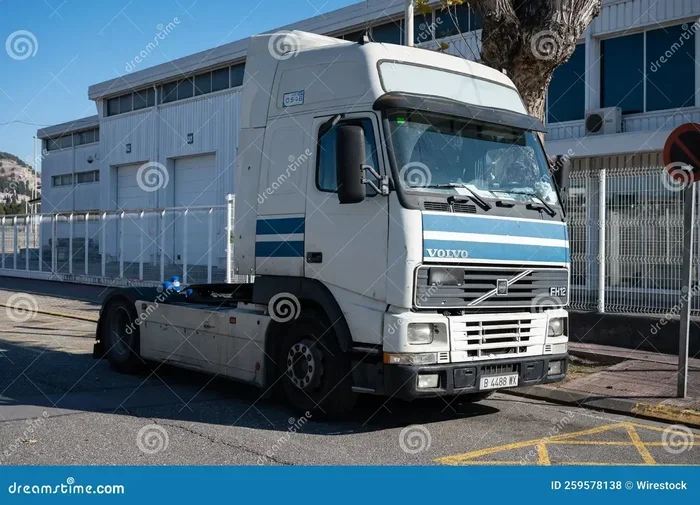
A parked regeneration on a Volvo typically takes between 20 and 60 minutes, depending on the soot level, engine model, and driving conditions. The DPF regeneration process burns off accumulated soot in the diesel particulate filter to keep your Volvo truck running efficiently. Understanding this process helps you avoid downtime and costly repairs.
If you own or operate a Volvo truck, you have probably seen that amber warning light on your dash. Maybe it is flashing. Maybe it is solid. Either way, it is telling you something about your diesel particulate filter, or DPF. And if you are like many drivers, your first question is simple: how long does a parked regeneration take on a Volvo?
The answer is not always straightforward. Several factors play into the total time. But in most cases, you are looking at somewhere between 20 and 60 minutes. This article breaks down everything you need to know about the regen process on Volvo trucks. We will cover what triggers a parked regen, what happens during the cycle, and how to make sure it goes smoothly.
Knowing this information saves you time. It also saves you money. Ignoring a regen warning can lead to bigger problems down the road. So let us dive in and walk through the entire process step by step.
Key Takeaways
- Typical Duration: A parked regen on most Volvo models takes 20 to 60 minutes to complete.
- Soot Level Matters: Heavier soot buildup means a longer regeneration cycle and more fuel use.
- Don’t Interrupt the Process: Stopping a regen early can cause errors and require a restart.
- Engine Model Affects Timing: Volvo D11, D13, and D16 engines may have slightly different regen durations.
- Warning Signs Exist: A flashing or solid amber check engine light often signals a needed regen.
- Regular Maintenance Helps: Staying on top of service intervals reduces the frequency of parked regens.
- Safety First: Always park on a flat, non-flammable surface and let the exhaust system cool down.
📑 Table of Contents
- What Is a Parked Regeneration on a Volvo?
- How Long Does a Parked Regeneration Take on Volvo?
- Step-by-Step: How to Perform a Parked Regeneration on a Volvo
- Common Mistakes During Parked Regeneration
- How to Reduce the Need for Parked Regeneration
- When to Seek Professional Help
- Key Takeaways
- Conclusion
What Is a Parked Regeneration on a Volvo?
A parked regeneration is a self-cleaning cycle for your Volvo’s diesel particulate filter. Over time, soot builds up inside the DPF as exhaust gases pass through. The regen process raises the temperature of the filter to burn off that soot. The result is a cleaner filter and better engine performance.
There are two main types of regeneration. Active regeneration happens while you are driving. The engine management system automatically injects extra fuel to raise exhaust temperatures. Parked regeneration happens when the truck is idle and stationary. You initiate it manually or it triggers automatically when soot levels reach a critical point.
Volvo trucks use an advanced aftertreatment system to manage emissions. The DPF is a key part of this system. When the filter gets too full, the truck will not let you drive normally. That is when a parked regen becomes necessary.
How the DPF Regeneration Process Works
The regen process is fairly simple once you understand the basics. Here is what happens during a parked regeneration on a Volvo truck:
- The engine control module detects high soot levels in the DPF.
- A warning light appears on the dashboard. This could be a flashing or solid amber light.
- The driver initiates the parked regen through the Volvo diagnostic tool or the instrument cluster menu.
- The engine increases exhaust temperature significantly. This can feel warm under the truck.
- Fuel is injected into the exhaust stream to help reach the right burning temperature.
- The soot inside the DPF burns off as ash, clearing the filter.
- Once complete, the warning light turns off and normal operation resumes.
This entire sequence is managed by the engine management system. You do not need to do much besides follow the prompts and let the process run its course.
How Long Does a Parked Regeneration Take on Volvo?
This is the question most Volvo truck owners want answered. The honest answer is that it depends. Several variables affect the total time. But here is a general breakdown to give you a clear picture.
Average Regeneration Time by Soot Level
The amount of soot in your DPF is the biggest factor. Here is a rough guide:
- Light Soot Buildup: Around 20 to 30 minutes. This usually happens if you caught the warning early.
- Moderate Soot Buildup: About 30 to 45 minutes. This is the most common scenario.
- Heavy Soot Buildup: 45 to 60 minutes or more. This happens when the regen warning was ignored for a while.
If you are dealing with a blocked DPF, the time can stretch even longer. In severe cases, a parked regen may not fully clear the filter. That is when you need professional service.
How Engine Model Affects Regen Duration
Different Volvo engines behave slightly differently during a parked regen. Here is what you can expect from the most common models:
- Volvo D11: Typically completes a parked regen in 25 to 40 minutes. This engine is common in medium-duty applications.
- Volvo D13: Often takes 30 to 50 minutes. The D13 is one of the most popular Volvo truck engines, so this is a widely referenced timeframe.
- Volvo D16: Can take 35 to 60 minutes. The D16 is a high-horsepower engine that generates more soot under heavy loads.
Keep in mind that these are averages. Actual times can vary based on operating conditions, ambient temperature, and fuel quality.
Factors That Influence Regeneration Time
Several things can make your parked regen take longer or shorter. Here are the key factors to consider:
- Soot Accumulation: The more soot in the DPF, the longer the regen cycle will be.
- Ambient Temperature: Cold weather can slow down the regen process. The exhaust system takes longer to reach optimal temperatures.
- Fuel Quality: Lower-quality diesel can leave more soot behind. This means more frequent and longer regens.
- Engine Load History: If you have been hauling heavy loads, the DPF will be more saturated. Expect a longer cycle.
- DPF Condition: An older or partially damaged filter may take longer to regenerate fully.
- Oil Type: Using the wrong engine oil can contribute to faster soot buildup and longer regen times.
Step-by-Step: How to Perform a Parked Regeneration on a Volvo
Running a parked regen on a Volvo truck is not complicated. But you do need to follow the correct steps. Skipping a step or interrupting the process can cause problems.
Step 1: Park the Truck Safely
Find a flat, open area away from flammable materials. The exhaust system gets very hot during a regen. Do not park over dry grass, leaves, or other combustible items. Make sure the parking brake is fully engaged.
Step 2: Start the Engine and Let It Idle
Start the engine and let it idle for a minute or two. This allows the oil and coolant to circulate. It also gives the engine management system time to prepare for the regen cycle.
Step 3: Access the Regeneration Menu
Use the Volvo instrument cluster or your diagnostic tool to find the regeneration option. On most newer Volvo trucks, you can access this through the information display. Look for a menu labeled DPF Regeneration or simply Regen.
Step 4: Initiate the Parked Regen
Select the parked regeneration option and confirm your choice. The engine will begin to adjust. You may notice the idle speed increase slightly. The exhaust will start to glow red under the truck. This is normal and expected.
Step 5: Let the Process Complete
Do not turn off the engine. Do not drive away. The regen process needs uninterrupted time to finish. Monitor the dashboard for any new warnings. In most cases, the process will complete on its own.
Step 6: Confirm Completion
Once the regen is done, the warning light on your dash should turn off. You can also check the DPF status through the diagnostic tool. The soot level should be back to a normal range, typically below 10 percent.
Common Mistakes During Parked Regeneration
Even experienced drivers make mistakes during a parked regen. Avoiding these errors can save you time and prevent further damage to your Volvo truck.
Interrupting the Regen Process
This is the most common mistake. Some drivers turn off the engine because they think the process is stuck. In reality, the regen just needs more time. Interrupting the cycle can reset the entire process and add 20 to 30 minutes to your total wait time.
Ignoring the Warning Light Too Long
If you keep ignoring the amber regen light, soot levels keep climbing. Eventually, the DPF can become fully blocked. At that point, a parked regen may not work at all. You will need professional cleaning or even a replacement filter. That is an expensive repair you can avoid.
Parking on Flammable Surfaces
The exhaust gets extremely hot during a regen. Parking over dry brush, paper, or other flammable materials is a fire hazard. Always choose a concrete or gravel surface. This is a simple safety step that many people overlook.
Using the Wrong Engine Oil
Volvo trucks require specific low-ash engine oils. Using a generic or incorrect oil can cause faster soot buildup. This leads to more frequent regens and potentially longer cycles each time.
How to Reduce the Need for Parked Regeneration
The best way to deal with parked regen is to avoid needing it in the first place. Here are some practical tips to keep your Volvo’s DPF healthy.
- Drive Regularly at Highway Speeds: Active regeneration happens more often when you maintain steady highway speeds. This keeps soot levels low.
- Follow the Maintenance Schedule: Stick to Volvo’s recommended service intervals. Regular oil changes and filter replacements make a big difference.
- Use Quality Diesel Fuel: Cleaner fuel produces less soot. It also helps the regen process run more efficiently.
- Avoid Excessive Idling: Too much idling without proper load can cause soot to accumulate faster.
- Monitor Your Dash Warnings: Do not ignore warning lights. Address them early before they turn into bigger problems.
- Keep the Engine Properly Tuned: A well-tuned engine burns fuel more cleanly. This reduces soot production and extends DPF life.
When to Seek Professional Help
Most parked regens go smoothly. But there are times when you should call in a professional. If the regen process fails multiple times, there may be an underlying issue. A diagnostic tool can reveal error codes that point to specific problems.
You should also seek help if the DPF warning light stays on after a completed regen. This could indicate a sensor failure, a cracked DPF, or a problem with the exhaust system. A certified Volvo technician can run a full inspection and recommend the right repair.
Another sign that you need professional help is a noticeable drop in fuel economy. If your Volvo truck is burning more fuel than usual, the DPF may be partially blocked. A technician can measure backpressure in the filter and determine if cleaning or replacement is needed.
Do not try to force a regen when the system is clearly malfunctioning. Pushing through can cause additional damage to the aftertreatment system and other engine components. It is always better to get a proper diagnosis early.
Key Takeaways
- Parked regen duration: Most Volvo trucks complete a parked regeneration in 20 to 60 minutes.
- Soot level is the main factor: Heavier buildup means a longer cycle and more fuel consumption.
- Never interrupt the process: Stopping early can reset the cycle and waste time.
- Engine model matters: Volvo D11, D13, and D16 engines have slightly different regen timelines.
- Prevention is key: Regular driving, quality fuel, and proper maintenance reduce the need for parked regens.
- Know when to call a pro: Repeated failed regens or persistent warning lights need expert attention.
Conclusion
So, how long does a parked regeneration take on a Volvo? In most cases, between 20 and 60 minutes. The exact time depends on soot levels, engine model, and operating conditions. Understanding the DPF regeneration process helps you stay ahead of problems and keeps your Volvo truck running at its best.
Follow the steps outlined in this guide. Avoid common mistakes. And take preventive measures to reduce the frequency of parked regens. Your wallet and your schedule will thank you. If you ever feel unsure about the process, do not hesitate to consult a Volvo specialist. A little knowledge goes a long way when it comes to maintaining your truck and avoiding costly downtime.
Keep your diesel particulate filter clean. Stay on top of warning lights. And remember that a parked regen is not something to fear. It is a normal, built-in process designed to keep your Volvo engine running clean and efficient for the long haul.
Frequently Asked Questions
Can I drive my Volvo truck during a parked regeneration?
No. You should never drive during a parked regen. The process requires the truck to be stationary and the engine to idle uninterrupted. Driving away will cancel the regen and may cause the cycle to restart, wasting time and fuel.
How often does a Volvo truck need a parked regeneration?
The frequency depends on your driving habits and operating conditions. Trucks that primarily operate in stop-and-go conditions may need a parked regen every few days. Trucks that regularly haul at highway speeds may only need one every few weeks or less.
What happens if I ignore the regen warning light on my Volvo?
Ignoring the warning can lead to a fully blocked DPF. At that point, a parked regen will not work. You may need professional cleaning or a full DPF replacement. This is an expensive repair that can easily be avoided by addressing the warning early.
Does a parked regeneration use a lot of fuel?
Yes, a parked regen does use extra fuel. The engine injects additional fuel into the exhaust stream to reach the high temperatures needed to burn off soot. However, the fuel used during regen is far less than what you would spend on a major DPF repair or replacement.
Can cold weather affect how long a parked regen takes on a Volvo?
Absolutely. Cold weather slows down the regen process. The exhaust system takes longer to reach the temperatures needed for effective soot burn-off. In freezing conditions, you may notice the regen taking closer to the 60-minute mark or even longer.
Is it normal for the exhaust to glow red during a parked regeneration?
Yes, it is normal and expected. The exhaust system reaches very high temperatures during the regen process to ignite the soot trapped in the DPF. However, if you see sparks or excessive smoke, stop the process and consult a Volvo technician immediately.