Can a Non-Maserati-Trained Mechanic Fix Your Maserati
You can get your Maserati fixed by a non-Maserati-trained mechanic, but it comes with real risks and rewards. A skilled general mechanic with the right tools and training can handle many repairs, especially routine maintenance. However, complex electrical issues, warranty work, and specialized systems often require factory-trained expertise. This guide breaks down everything you need to know before choosing a mechanic for your luxury Italian car.
Owning a Maserati is one of life’s great pleasures. The sleek design, the powerful engine, the unmistakable Italian presence on the road — it all turns heads. But here’s the thing that worries a lot of Maserati owners: what happens when something goes wrong?
Your first instinct might be to drive straight to the dealership. But what if there’s a better option? What if a non-Maserati-trained mechanic can do the job just as well — for less money and less downtime?
This is a question that comes up more and more as luxury car ownership grows. People want to know if they’re locked into dealer service or if they have choices. The answer is not a simple yes or no. It depends on the repair, the mechanic’s skills, and the specific Maserati model you drive.
In this article, we’ll walk through everything you need to know. We’ll cover what a non-Maserati-trained mechanic can and can’t do, when to stick with a dealer, and how to make the best decision for your car and your wallet.
Key Takeaways
- Non-Maserati-trained mechanics can handle basic and intermediate repairs: Oil changes, brake jobs, and suspension work are often within reach.
- Factory-trained technicians have access to proprietary tools and software: This gives them an edge with complex diagnostics and electronic systems.
- Warranty considerations matter a lot: Using a non-authorized shop may void certain warranty coverage.
- Cost savings can be significant: Independent shops often charge less than Maserati service centers.
- Parts availability is a key factor: OEM and aftermarket parts are accessible, but specialty components may be harder to find.
- Ask the right questions before handing over your keys: Experience with luxury brands and specific Maserati models makes a big difference.
- Regular maintenance keeps your Maserati running strong: Whether at a dealer or independent shop, staying on top of service intervals is essential.
📑 Table of Contents
- What Does a Non-Maserati-Trained Mechanic Actually Do?
- Pros and Cons of Using a Non-Maserati-Trained Mechanic
- How Maseratis Differ from Regular Cars
- When Should You Stick with a Maserati Dealership?
- What to Look for in a Non-Maserati-Trained Mechanic
- Cost Comparison: Dealer vs. Independent Shop
- Quick Tips for Maserati Owners
- Common Mistakes Maserati Owners Make
- Expert Insights on Maserati Maintenance
- Key Takeaways
- Conclusion
What Does a Non-Maserati-Trained Mechanic Actually Do?
A non-Maserati-trained mechanic is simply a car repair professional who did not receive factory-specific training from Maserati. This doesn’t mean they aren’t skilled. Many of these mechanics have years of experience working on all kinds of vehicles, including other luxury and exotic brands.
These technicians often work at independent shops or general repair garages. They may hold certifications from organizations like ASE (Automotive Service Excellence). Some have additional training from manufacturers like BMW, Mercedes, or Audi. But they haven’t gone through Maserati’s specific training programs.
Common Repairs a Non-Maserati-Trained Mechanic Can Handle
Many routine and standard repairs fall well within the capabilities of a skilled non-Maserati-trained mechanic. Here are some examples:
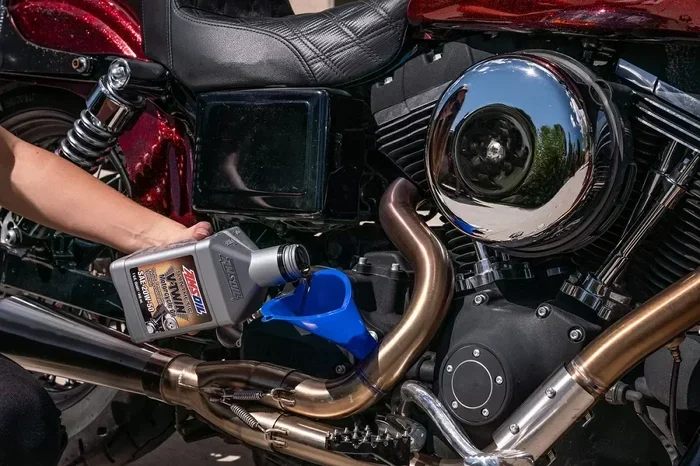
- Oil changes and fluid flushes: This is basic maintenance that any qualified mechanic can do.
- Brake pad and rotor replacement: Brakes are universal across most vehicles.
- Suspension and steering work: Shocks, struts, and tie rods are standard components.
- Tire rotations and alignments: These don’t require brand-specific knowledge.
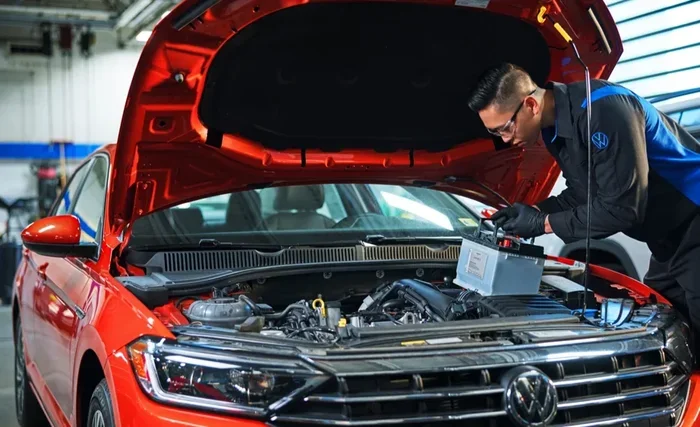
- Battery replacement and electrical basics: Simple electrical jobs are straightforward.
- Exhaust system repairs: Mufflers, pipes, and catalytic converters are fairly universal.
- Air conditioning service: Recharging and fixing leaks is standard work.
For these types of repairs, a non-Maserati-trained mechanic with good tools and solid experience can do the job right. You won’t necessarily save money going to a dealer for these services.
Where a Non-Maserati-Trained Mechanic May Struggle
Now let’s talk about the limitations. Maseratis are not regular cars. They are luxury Italian vehicles with advanced technology and unique engineering. Some repairs simply need specialized knowledge.
- Complex diagnostic work: Maseratis use proprietary diagnostic software. A general mechanic may not have access to the right tools.
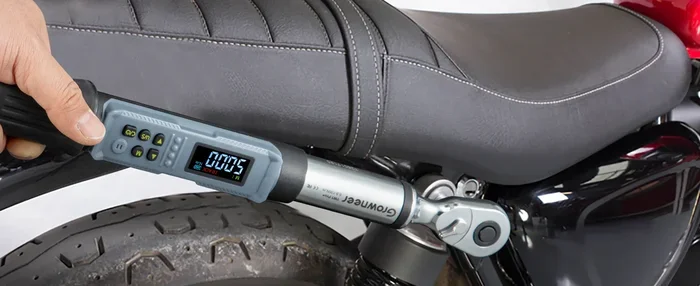
- Engine and transmission repairs: The Maserati engine is a finely tuned piece of machinery. It requires specific torque settings and procedures.
- Electronic systems and infotainment: The tech in a Maserati is complex. Factory-trained techs know the software inside and out.
- Air suspension systems: Many Maserati models feature advanced air suspension that needs specialized calibration.
- Climate control and interior electronics: These systems can be finicky and model-specific.
If your Maserati repair involves any of these areas, you might want to think twice before choosing a general mechanic.
Pros and Cons of Using a Non-Maserati-Trained Mechanic
Every choice has trade-offs. Let’s look at the real advantages and disadvantages of taking your Maserati to a non-Maserati-trained mechanic.
The Pros
- Lower costs: Independent shops typically charge less than dealerships. You can save 30 to 50 percent on labor costs.
- Faster service: Dealerships often have long wait times. An independent shop might get you in the same day.
- Personal attention: Smaller shops often provide a more personal, hands-on experience.
- Flexibility: You’re not locked into a single brand. A good independent mechanic works on many types of cars.
- Convenience: The shop might be closer to your home or workplace than a Maserati dealership.
The Cons
- Lack of brand-specific training: A non-Maserati-trained mechanic may not know Maserati-specific quirks and common issues.
- Limited diagnostic equipment: Without the right software, diagnosing problems can take longer or be missed entirely.
- Potential warranty issues: If your car is still under warranty, using a non-authorized shop could cause problems.
- No access to technical bulletins: Maserati sends out service bulletins to dealers that independent shops don’t receive.
- Risk of improper repairs: Without specific training, there’s a higher chance of something being done incorrectly.
Weighing these pros and cons will help you make a smart decision for your specific situation.
How Maseratis Differ from Regular Cars
To understand why this question matters so much, you need to know what makes a Maserati different from a Honda or a Toyota. Maseratis are built with a level of sophistication that demands special attention.
Engineering and Design Philosophy
Maserati vehicles are designed for performance and luxury. The Maserati engine is often a twin-turbo V6 or V8 that produces serious horsepower. These engines need precise calibration and maintenance. The tolerances are tighter than what you’d find in a standard car.
The chassis and suspension systems on models like the Maserati Quattroporte and Maserati Ghibli are engineered for a smooth, responsive ride. The Maserati Levante SUV adds all-wheel drive complexity to the mix. Each of these systems requires specific knowledge to service properly.
Electronic Systems and Technology
Modern Maseratis are essentially computers on wheels. They feature advanced driver-assistance systems, adaptive cruise control, and complex infotainment networks. These electronic systems communicate through multiple control modules.
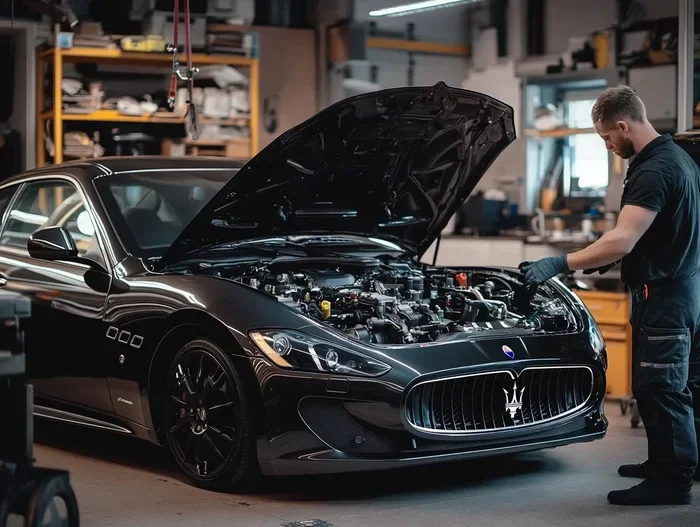
A non-Maserati-trained mechanic might not have the software or training to interface with these systems. Factory technicians use Maserati-specific diagnostic computers that can read every module in the car. Without that tool, some problems are nearly impossible to diagnose accurately.
Parts and Fluids Specific to Maserati
Maseratis require specific fluids, gaskets, and components. The Maserati engine might need a particular type of synthetic oil. Transmission fluid, coolant, and brake fluid may all be model-specific. Using the wrong parts can lead to premature wear or even damage.
While many Maserati parts are available through aftermarket suppliers, some components are exclusive to the brand. A good independent mechanic will know which parts are interchangeable and which are not.
When Should You Stick with a Maserati Dealership?
There are definitely situations where going to the dealer makes the most sense. Understanding when to do this can save you from costly mistakes.
Your Car Is Still Under Warranty
This is the biggest reason to stick with a Maserati service center. If your car is still under the factory warranty, using a non-authorized mechanic could void your coverage. The warranty covers repairs for a set period or mileage, and the terms usually require dealer service.
Even if the repair is something a non-Maserati-trained mechanic could handle, the cost of a denied warranty claim could be enormous. It’s simply not worth the risk during the warranty period.
Complex or Expensive Repairs
For major repairs — engine rebuilds, transmission replacements, or electronic system overhauls — a dealer has the advantage. They have the specialized tools, the technical support, and the factory-trained technicians who know these systems inside and out.
When the repair bill is already high, you don’t want to add the risk of a botched job. The Maserati service center gives you peace of mind for these big-ticket items.
Recall and Safety Campaigns
If there’s a recall on your vehicle, you need to go through the official channel. Recalls are handled by the manufacturer, and only authorized dealers can complete recall repairs. This is non-negotiable and has nothing to do with your mechanic’s skill level.
What to Look for in a Non-Maserati-Trained Mechanic
If you decide to go the independent route, you need to find the right person. Not every mechanic is created equal, and not every independent shop is equipped to handle a luxury vehicle.
Certifications and Training
Look for certifications from recognized organizations. ASE certification is a great baseline. But what really matters is experience with luxury and exotic brands. A mechanic who has worked on Ferraris, Lamborghinis, or Porsches may have transferable skills that apply to Maseratis.
Ask the shop directly about their training. A good independent mechanic will be upfront about their background and what they can and can’t do. Don’t be afraid to ask specific questions about your Maserati model.
Equipment and Tools
The right tools make all the difference. Ask if the shop has:
- A high-end diagnostic scanner that supports Maserati vehicles
- Hydraulic lifts rated for luxury vehicles
- Specialty tools for the Maserati engine and transmission
- Access to technical service manuals and wiring diagrams
A shop without proper equipment is guessing when they should be diagnosing. This applies to both Maserati-trained and non-Maserati-trained mechanics.
References and Reputation
Check online reviews on platforms like Google, Yelp, and automotive forums. Look for reviews from other Maserati owners. A shop that has successfully serviced Maserati models will have a track record you can verify.
Word of mouth is also powerful. Ask other Maserati owners in your area where they take their cars. You might be surprised by what you find.
Warranty on Repairs
A reputable independent shop stands behind its work. Ask if they offer a warranty on parts and labor. A shop that guarantees their repairs is more likely to do quality work. This is a good sign that the non-Maserati-trained mechanic takes pride in their craft.
Cost Comparison: Dealer vs. Independent Shop
Cost is one of the biggest factors in this decision. Let’s break down what you can expect to pay in different scenarios.
| Service Type | Maserati Dealer | Independent Shop | Savings |
|---|---|---|---|
| Oil Change | $200 – $350 | $80 – $150 | 50-60% |
| Brake Job (Front) | $400 – $700 | $200 – $400 | 40-50% |
| Major Service (60K miles) | $1,200 – $2,000 | $600 – $1,200 | 40-50% |
| Engine Diagnostic | $150 – $300 | $100 – $200 | 20-40% |
| Transmission Service | $800 – $1,500 | $400 – $900 | 40-50% |
| Suspension Repair (per corner) | $500 – $1,000 | $250 – $600 | 40-50% |
As you can see, the savings add up quickly. Over the life of a Maserati, choosing an independent shop for routine work could save you thousands of dollars.
However, keep in mind that the cheapest option isn’t always the best. A poorly done repair can cost far more in the long run. Choose quality over price every time.
Quick Tips for Maserati Owners
Tip 1: Stay on Top of Routine Maintenance
No matter where you take your car, don’t skip regular service. Oil changes, brake inspections, and fluid flushes keep your Maserati running smoothly and prevent bigger problems down the road.
Tip 2: Build a Relationship with Your Mechanic
Find a mechanic you trust and stick with them. A non-Maserati-trained mechanic who knows your car’s history will catch problems early and provide better service over time.
Tip 3: Keep Detailed Records
Document every repair and service. This protects your warranty and helps any future mechanic understand what’s been done. Good records also increase your car’s resale value.
Tip 4: Don’t Ignore Warning Lights
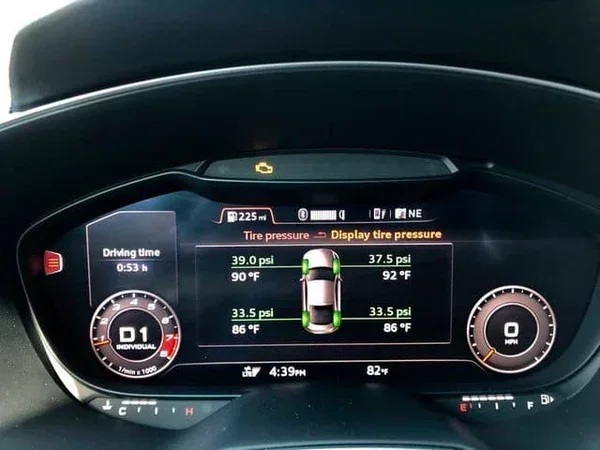
If a light comes on in your dashboard, get it checked immediately. Maseratis are complex machines, and warning lights are early signals of problems. Catching issues early saves money.
Tip 5: Use Quality Parts
Whether you go OEM or aftermarket, use good-quality parts. Cheap parts fail faster and can damage other components. For Maserati parts, stick with reputable suppliers.
Common Mistakes Maserati Owners Make
Even well-meaning owners make mistakes when it comes to maintaining their luxury vehicles. Here are some of the most common ones to avoid.
Assuming Any Mechanic Can Work on a Maserati
Not every mechanic is equipped for a luxury car. Taking your Maserati to a quick-lube shop or a general garage without the right tools and knowledge is a recipe for problems.
Skipping Dealer Service to Save Money
If your car is under warranty, skipping dealer service to save a few bucks can backfire. A denied warranty claim will cost you far more than the dealer service would have.
Ignoring the Owner’s Manual
The Maserati owner’s manual contains specific maintenance schedules and requirements. Following it closely ensures your car stays in top condition and your warranty remains valid.
Using the Wrong Fluids
Maseratis are picky about fluids. Using the wrong type of oil, coolant, or transmission fluid can cause serious damage over time. Always check the manual or ask your mechanic.
Waiting Too Long Between Services
Luxury cars need regular service even if they don’t drive a lot. Time and environmental factors can degrade fluids and components, even during periods of low use.
Expert Insights on Maserati Maintenance
What Factory-Trained Technicians Say
Maserati factory technicians often emphasize one key point: the complexity of modern luxury vehicles demands specialized knowledge. They note that while general mechanics can handle basic work, the electronic and computer systems in Maseratis require proprietary training and tools.
What Independent Shop Owners Say
Many experienced independent shop owners say they’ve successfully serviced Maseratis for years. They stress that the key is having the right diagnostic equipment and a willingness to learn the specific model. A good non-Maserati-trained mechanic who invests in the right tools can handle most repairs competently.
The Middle Ground: Specialized Independent Shops
There’s a growing trend of independent shops that specialize in luxury European vehicles. These shops often have technicians with brand-specific training but operate outside the dealership network. They offer a great middle ground between dealer service and a general garage. If you have one of these shops near you, it’s worth exploring.
Key Takeaways
- A non-Maserati-trained mechanic can handle routine and standard repairs: Oil changes, brakes, and basic maintenance are well within their capabilities.
- Complex repairs and diagnostics often need factory-trained expertise: The advanced systems in Maseratis require specialized tools and knowledge.
- Warranty coverage should guide your decision: During the warranty period, stick with the Maserati dealer to protect your coverage.
- Significant cost savings are possible with independent shops: You can save 30 to 50 percent on many common services.
- Choose your mechanic carefully: Certifications, equipment, experience, and reputation all matter when selecting a shop.
- Regular maintenance is non-negotiable: Whether at a dealer or independent shop, staying current on service keeps your Maserati reliable and valuable.
- Know your limits: Be honest about what your mechanic can handle and when it’s time to go to a specialist.
Conclusion
So, can a non-Maserati-trained mechanic fix your Maserati? The short answer is yes — for many types of repairs and maintenance. A skilled, well-equipped independent mechanic can handle routine services, brake jobs, suspension work, and more. You’ll likely save money and get faster service in the process.
But the longer answer is that it depends. For complex repairs, warranty work, and issues involving the Maserati engine or electronic systems, a factory-trained technician at an authorized Maserati service center is still the safer choice. The key is knowing when to use each option.
The best approach is to build a relationship with a trusted independent shop for routine maintenance and keep the dealership for major repairs and warranty work. This strategy gives you the best of both worlds: lower costs for everyday service and expert support when you need it most.
Your Maserati is a special car. It deserves special care. Whether you choose a non-Maserati-trained mechanic or a factory-trained technician, the most important thing is that you stay on top of maintenance. A well-maintained Maserati will reward you with years of driving pleasure and strong resale value.
Take the time to research your options. Ask questions. Get references. And never be afraid to drive a little farther if it means getting the right care for your car. Your Maserati will thank you for it.
Frequently Asked Questions
Can a regular mechanic work on a Maserati?
A regular mechanic can handle basic maintenance and standard repairs on a Maserati. However, they may lack the specialized tools and training needed for complex diagnostics and electronic systems. Always check their experience with luxury vehicles before handing over your keys.
Will using a non-Maserati mechanic void my warranty?
It depends on your warranty terms. Many warranties require dealer service for coverage to remain valid. Check your owner’s manual or contact your dealer to understand the specific requirements before choosing an independent shop for repairs.
How much can I save by using an independent mechanic for Maserati repairs?
You can typically save 30 to 50 percent on labor costs by going to an independent shop. The exact savings depend on the repair type and your location. Keep in mind that quality should always come before cost when it comes to luxury car maintenance.
What Maserati models are easiest for a non-Maserati mechanic to work on?
Models with more common components are generally easier. The Maserati Ghibli and Maserati Quattroporte share many parts with other luxury sedans, making them more accessible. The Maserati Levante SUV adds complexity with its all-wheel-drive system, so it may require more specialized knowledge.
How do I find a good mechanic for my Maserati near me?
Start by checking online reviews on Google and Yelp. Look for shops that specifically mention experience with luxury or exotic cars. Ask other Maserati owners in local forums or social media groups for recommendations. A shop’s willingness to discuss your specific model is a good sign of competence.
Is it worth modifying a Maserati at an independent shop?
Performance modifications and upgrades can often be done at a skilled independent shop. However, modifications may affect your warranty and could cause reliability issues if not done correctly. Always choose a shop with proven experience in luxury vehicle modifications and make sure they use quality parts.