How Haval Ensures Durability Through Rigorous Testing
How Haval Ensures Durability is built on a foundation of rigorous testing, quality materials, and strict manufacturing standards. Every Haval SUV goes through endurance trials, crash tests, and real-world validation before reaching buyers. This commitment to durability means owners get a reliable vehicle backed by strong warranty coverage and global engineering excellence.
When you invest in a new SUV, durability matters. How Haval Ensures Durability is a question that every potential buyer should ask. Haval has built a strong reputation for manufacturing SUVs that hold up well over time. Their approach to durability goes far beyond basic assembly and quality checks.
The brand has poured resources into testing facilities, engineering talent, and quality assurance programs. How Haval Ensures Durability involves a careful mix of lab simulations, controlled environment trials, and open-road validation. Each vehicle must prove itself before it ever reaches a customer’s driveway.
If you are shopping for a dependable SUV, understanding Haval’s durability process gives you valuable insight. This article breaks down the testing methods, engineering standards, and quality checks that go into every Haval model. You will learn what sets these SUVs apart and why owners around the world trust them for the long haul.
Key Takeaways
- Rigorous Testing: Haval subjects every vehicle to extensive lab and real-world testing to ensure long-lasting performance.
- Quality Materials: High-strength steel, advanced corrosion protection, and precision manufacturing standards build vehicles that last.
- Safety First: Comprehensive crash testing and safety compliance ensure that Haval SUVs protect occupants in any scenario.
- Global Validation: Testing in extreme climates and terrains around the world proves durability under any conditions.
- Strong Warranty: Haval’s comprehensive warranty coverage reflects confidence in the long-term reliability of its vehicles.
- Owner Responsibility: Regular maintenance and smart driving habits are essential for maximizing your Haval SUV’s lifespan.
📑 Table of Contents
How Haval Ensures Durability Through Comprehensive Testing
Haval takes a layered approach to durability that covers every angle of vehicle performance. The brand does not rely on a single test or method. Instead, it combines lab simulations, track trials, and real-world driving to build a complete picture of vehicle strength.
Every Haval SUV goes through thousands of test cycles before approval. Engineers simulate years of driving in a fraction of the time. They push vehicles to their limits on specialized tracks, inside climate chambers, and across rugged terrain. The goal is clear: build a vehicle that performs flawlessly in any situation a driver might face.
Endurance and Durability Testing
Endurance testing sits at the core of Haval’s durability program. Vehicles are driven on purpose-built test tracks that replicate rough roads, highways, and city streets. These tracks are designed to accelerate wear in a controlled and measurable way.
During endurance testing, engineers monitor every major component closely. They track engine output, suspension behavior, brake wear, and transmission performance over thousands of miles. This data helps them refine designs and improve vehicle longevity for each new model year.
Haval also conducts thermal testing to evaluate how vehicles handle extreme heat and cold. Engines, transmissions, and electrical systems are pushed to their operating limits in climate-controlled chambers. This ensures that a Haval SUV can handle desert heat as well as freezing winter conditions without compromising performance.
Quality Assurance and Manufacturing Standards
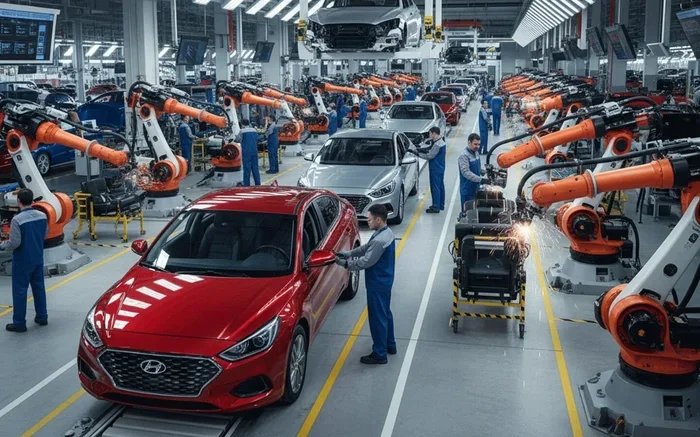
Behind every durable Haval SUV is a strict quality assurance process. The brand operates modern factories equipped with advanced robotics and skilled human workers. Each production line follows precise manufacturing quality standards that leave little room for error.
Workers and machines both play a role in maintaining quality control. Every part is inspected before it enters the assembly line. Finished vehicles undergo final checks that include alignment tests, paint inspections, and full function tests. Only vehicles that pass every single check are approved for delivery to dealerships.
Haval also uses statistical process control to monitor production consistency over time. This means they track data across batches to catch trends before they become problems. The result is a manufacturing process that consistently delivers high-quality, durable vehicles to customers around the world.
The Testing Process Behind Haval Vehicles
The testing process at Haval is thorough and well-organized. It covers every aspect of vehicle performance, from powertrain reliability to cabin comfort. Let us break down the key stages of this detailed process.
Powertrain and Drivetrain Validation
The powertrain is the heart of any SUV, and Haval treats it with the utmost care. Engines and transmissions undergo rigorous bench testing long before they enter a vehicle. Engineers run powertrains for thousands of hours on dynamometers to simulate real-world driving conditions.
They test for powertrain reliability across different speeds, loads, and temperatures. This includes hot starts, cold starts, and sustained high-speed driving scenarios. The transmission is tested for smooth shifting and long-term durability under various driving patterns and loads.
Haval also tests hybrid and electric powertrains with the same level of intensity. Battery systems undergo charge-discharge cycling to simulate years of real-world use. This ensures that every drivetrain option meets the brand’s high standards for vehicle lifespan and consistent performance.
Suspension and Chassis Testing
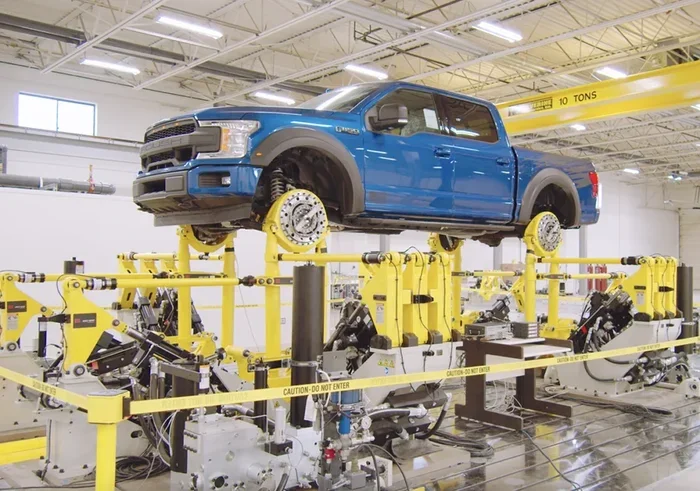
Suspension durability is critical for any SUV that must handle diverse road conditions. Haval tests suspension components on specialized rigs that simulate different road surfaces with precision. These rigs can replicate potholes, gravel roads, and highway bumps thousands of times.
Engineers measure suspension durability by tracking how components respond over millions of stress cycles. They check for signs of metal fatigue, unwanted noise, or performance loss over time. This data helps them select the right materials and designs for long-lasting, smooth ride quality.
The chassis undergoes structural testing as well. Engineers apply force to key points on the frame to measure structural integrity. This ensures the vehicle can handle heavy loads and rough terrain without compromising safety, comfort, or handling. Every chassis must meet strict benchmarks before it moves to the next stage of production.
Material Quality and Engineering Standards
The materials used in building a vehicle play a huge role in its overall durability. Haval is very selective about the materials it chooses for its SUV lineup. Every material must meet strict standards for strength, corrosion resistance, and long-term performance.
High-Strength Steel and Body Construction
Haval uses high-strength steel in the body and frame of its SUVs. This type of steel offers excellent material strength while keeping the vehicle at a manageable weight. The result is a body structure that resists deformation and absorbs impact energy effectively during collisions.
The brand also uses advanced robotic welding techniques to join body panels together. Robotic welding ensures consistent quality and precision across every single vehicle that rolls off the line. This attention to detail in body construction contributes directly to strong crash testing results and overall safety ratings.
Corrosion Resistance and Paint Protection
Rust is one of the biggest threats to vehicle longevity over time. Haval addresses this concern with multi-layer paint systems and advanced corrosion protection methods. Every vehicle undergoes salt spray testing to verify its corrosion resistance under harsh conditions.
The paint process includes multiple coats that protect the metal underneath from moisture and road chemicals. Engineers also apply specialized underbody coatings to shield vulnerable areas from road debris and water exposure. These protective measures help Haval SUVs maintain their appearance and structural integrity for many years of ownership.
Real-World and Environmental Testing Protocols
Lab tests provide valuable data, but real-world validation is equally important. Haval sends prototypes to extreme locations around the globe for on-road testing. These real-world testing programs reveal insights that lab simulations alone cannot capture.
Extreme Climate Testing
Haval tests vehicles in some of the harshest climates on Earth. From the scorching deserts of the Middle East to the frozen landscapes of northern Europe, no environment is considered too extreme. These tests reveal how vehicles perform under significant temperature swings and challenging atmospheric conditions.
In hot climates, engineers focus on cooling system performance and interior comfort levels. In cold climates, they test battery behavior, engine warm-up times, and cabin heating efficiency. This global testing approach ensures that every Haval SUV can handle the climate conditions where it will actually be sold and driven.
Terrain and Off-Road Validation
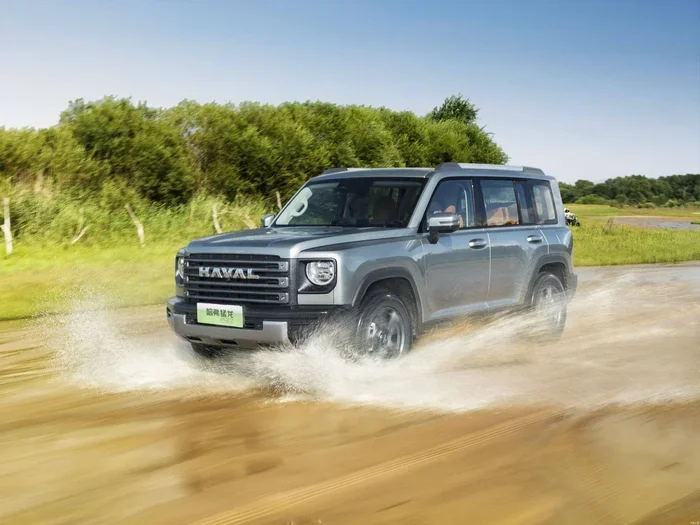
Many Haval SUV buyers expect capable off-road performance from their vehicles. The brand validates this capability through dedicated off-road testing programs. Vehicles are driven across sand dunes, rocky trails, muddy paths, and steep mountain inclines to prove their worth.
These tests help engineers refine the four-wheel-drive systems and electronic traction control. They also validate the durability of underbody components like skid plates, exhaust systems, and fuel tanks. The goal is to build an SUV that handles daily commutes and weekend adventures with equal confidence and reliability.
| Testing Type | Location / Method | Key Focus Areas |
|---|---|---|
| Desert Testing | Middle East, Arizona, Northern Africa | Heat resistance, cooling system performance, cabin comfort |
| Arctic Testing | Northern Europe, Scandinavia, Northern China | Cold starts, battery performance, heating systems |
| Off-Road Testing | Global trails, racetracks, mountain roads | Suspension durability, drivetrain strength, underbody protection |
| Urban Testing | City roads across multiple countries | Ride comfort, fuel efficiency, stop-and-go reliability |
| Highway Testing | Long-distance routes, test tracks | Powertrain endurance, high-speed stability, noise levels |
Expert Insights: What Testers Look For
According to automotive engineers who have worked with Haval’s testing programs, the brand stands out for its attention to detail. Testers look for small signs of wear that might not appear until years of ownership. They also evaluate how systems interact with each other under stress, which is something many manufacturers overlook. This holistic approach to durability testing is a big reason why Haval SUVs continue to earn strong reliability ratings.
Safety and Crash Testing Standards
Safety is a core part of Haval’s overall durability philosophy. A truly durable vehicle must protect its occupants in the event of a collision. Haval subjects every model to extensive crash testing to verify its safety credentials and structural strength.
Crash Testing Protocols
Haval follows both global and regional crash testing standards for every model. Vehicles undergo frontal impact tests, side impact evaluations, and rollover simulations. These tests are conducted in certified facilities using advanced measurement equipment and crash test dummies.
The data from crash testing helps engineers identify and strengthen weak points in the vehicle structure. They use this information to improve structural integrity and occupant protection across the entire lineup. Haval’s commitment to safety has earned its SUVs strong ratings from international safety organizations and consumer groups.
Safety Standards and Compliance
Beyond crash testing, Haval ensures full compliance with international safety standards. This includes regulations from Europe, Asia, and North America. The brand often exceeds minimum regulatory requirements to offer additional peace of mind to every buyer.
Advanced driver-assistance systems also play a role in overall vehicle safety. Haval integrates features like automatic emergency braking, lane keep assist, and blind-spot monitoring across its lineup. These technologies help prevent accidents before they happen, adding another important layer of protection for drivers and passengers alike.
Long-Term Reliability and Warranty Coverage
Durability is not just about surviving harsh conditions or extreme environments. It is also about how well a vehicle holds up during everyday, year-after-year use. Haval backs its engineering decisions with comprehensive warranty coverage that reflects deep confidence in long-term reliability.
Warranty and Owner Support
Haval offers competitive warranty coverage that protects major components for several years or miles. This warranty gives owners real peace of mind and demonstrates the brand’s trust in its own vehicles. The coverage extends to the engine, transmission, and key electrical systems.
The brand also provides roadside assistance and maintenance programs in many global markets. These services help owners keep their vehicles in top condition throughout the ownership period. Regular maintenance is one of the simplest and most effective ways to maximize vehicle longevity and avoid costly repairs down the road.
Common Mistakes That Affect Durability
Even the most well-built vehicle can suffer from poor maintenance habits. Here are some common mistakes that can shorten your Haval SUV’s lifespan and reduce its long-term value:
- Skipping oil changes: Regular oil changes are essential for engine health. Skipping them can lead to premature internal wear and expensive repairs over time.
- Ignoring warning lights: Dashboard warning lights signal potential problems early. Ignoring them can allow small issues to develop into major failures that cost more to fix.
- Overloading the vehicle: Exceeding the recommended payload capacity puts extra stress on the suspension, brakes, and engine components every time you drive.
- Neglecting tire maintenance: Underinflated or misaligned tires reduce fuel efficiency and cause uneven wear on suspension and steering components.
- Using low-quality fuel: Poor-quality fuel can cause engine deposits and reduce powertrain reliability over months and years of use.
Quick Tips for Maximizing Haval Durability
Follow these simple tips to keep your Haval SUV running strong and reliable for many years to come:
- Stick to the recommended maintenance schedule and never skip scheduled services.
- Check tire pressure monthly and keep tires properly aligned for even wear.
- Use only manufacturer-recommended fluids, filters, and replacement parts.
- Wash your vehicle regularly to protect against corrosion, especially during winter months.
- Address unusual noises or vibrations immediately before they turn into bigger problems.
- Store the vehicle in a covered area when possible to protect the paint and interior surfaces.
- Drive smoothly and avoid aggressive acceleration and hard braking to reduce wear on all systems.
Key Takeaways
- Rigorous Testing: Haval subjects every vehicle to extensive lab and real-world testing to ensure long-lasting performance and reliability.
- Quality Materials: High-strength steel, advanced corrosion protection, and precision manufacturing standards build vehicles that truly last.
- Safety First: Comprehensive crash testing and strict safety compliance ensure that Haval SUVs protect occupants in any scenario.
- Global Validation: Testing in extreme climates and terrains around the world proves durability under any driving condition.
- Strong Warranty: Haval’s comprehensive warranty coverage reflects confidence in the long-term reliability of its vehicles.
- Owner Responsibility: Regular maintenance and smart driving habits are essential for maximizing your Haval SUV’s lifespan.
Conclusion
How Haval Ensures Durability is a story of engineering excellence, thorough testing, and unwavering quality standards. From the first design concept to the final quality inspection, every step is designed to build vehicles that last. Haval’s commitment to durability sets it apart in a competitive and crowded SUV market.
The brand’s multi-layered approach covers everything from material selection to real-world validation across continents. Endurance testing, crash testing, and environmental trials all play a vital role in creating SUVs that owners can trust with confidence. Combine this with strong warranty coverage and you have a vehicle that is genuinely built for the long haul.
If you are looking for a reliable SUV that will serve you well for many years, Haval deserves serious consideration. The brand’s dedication to durability means you are making a smart investment in quality and peace of mind. When you choose a Haval, you are choosing a vehicle built to perform, built to last, and built to earn your trust every single day.
Frequently Asked Questions
What testing methods does Haval use to ensure vehicle durability?
Haval uses a combination of endurance testing, crash testing, thermal testing, and real-world validation across extreme climates. These methods cover every aspect of vehicle performance and structural strength to ensure long-lasting reliability.
How does Haval’s quality assurance process work in manufacturing?
Haval uses advanced robotics and skilled workers on its production lines. Every part is inspected before assembly, and finished vehicles undergo comprehensive final checks. Statistical process control helps maintain consistency across all manufacturing facilities worldwide.
Why is corrosion resistance important for Haval SUVs?
Corrosion can significantly reduce a vehicle’s lifespan and structural integrity. Haval uses multi-layer paint systems, underbody coatings, and salt spray testing to ensure strong corrosion resistance in all conditions and environments.
Does Haval test vehicles in extreme climates?
Yes, Haval tests vehicles in deserts, arctic regions, and tropical areas around the world. These extreme climate tests help engineers understand how vehicles perform under severe temperature swings and challenging atmospheric conditions.
What warranty does Haval offer for durability coverage?
Haval offers competitive warranty coverage that protects major components including the engine, transmission, and electrical systems. The warranty reflects the brand’s confidence in the long-term reliability and durability of its vehicles.
How can owners help maximize the durability of their Haval SUV?
Owners can maximize durability by following the recommended maintenance schedule, using quality fluids and parts, checking tire pressure regularly, and addressing issues promptly. Smooth driving habits and proper storage also contribute significantly to long-term vehicle health.