Moto Guzzi California Common Problems and How to Fix Them
The Moto Guzzi California is a classic cruiser, but it comes with its share of common problems that owners need to watch for. Engine overheating, electrical gremlins, fuel system issues, and clutch wear top the list of complaints from riders. Understanding these problems early can save you time, money, and a lot of frustration. This guide walks you through each issue with clear, step-by-step fixes anyone can follow. Whether you own a vintage 1100 or a modern 1400, you will find practical advice here.
Key Takeaways
- Overheating is a frequent issue: Regular coolant flushes and thermostat checks can prevent most engine overheating problems.
- Electrical gremlins are common: Corroded connectors, weak batteries, and faulty voltage regulators cause most electrical issues.
- Fuel system problems hurt performance: Dirty carburetors, clogged fuel filters, and failing fuel pumps are easy to fix with routine maintenance.
- Vibration can wear out parts faster: Regular inspections of mounts and drivetrain components reduce long-term damage.
- Clutch wear is inevitable but manageable: Proper adjustment and timely replacement keep your ride smooth.
- Prevention beats repair: Sticking to a regular maintenance schedule catches small issues before they become big ones.
📑 Table of Contents
- Moto Guzzi California Common Problems and How to Fix Them
- Engine Overheating and Cooling System Failures
- Electrical and Charging System Problems
- Fuel System and Carburetor Troubles
- Vibration and Drivetrain Concerns
- Clutch and Transmission Troubles
- Exhaust and Emissions System Issues
- Preventive Maintenance Schedule to Avoid Moto Guzzi California Common Problems
- Comparison: Common Problems by Model Year
- When to Seek Professional Help
- Final Thoughts on Moto Guzzi California Common Problems
Moto Guzzi California Common Problems and How to Fix Them
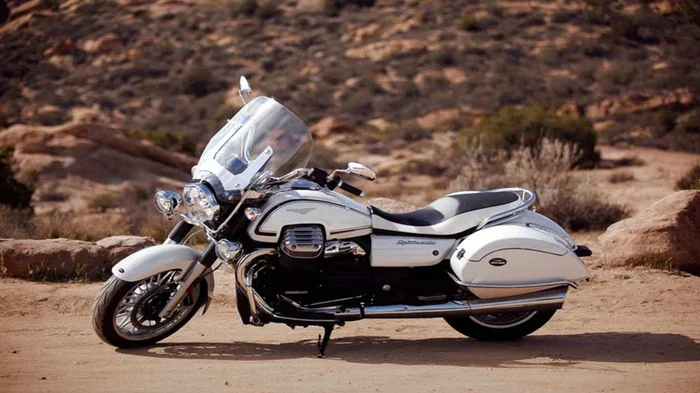
The Moto Guzzi California holds a special place in the motorcycle world. Its V-twin engine, classic cruiser lines, and Italian craftsmanship make it a favorite among riders. But like any machine, the Moto Guzzi California common problems can catch you off guard. Whether you ride a vintage model or a newer version, knowing what goes wrong helps you stay ahead of trouble.
Many owners love the character of these bikes but struggle with reliability over time. The good news? Most problems have straightforward solutions. You do not need to be a master mechanic to handle them. This guide breaks down the most frequent issues and gives you clear, practical fixes. By the end, you will feel confident tackling repairs yourself or knowing exactly what to tell your mechanic.
Let us dive into the problems that Moto Guzzi California owners face most often. We will cover everything from engine troubles to electrical gremlins. Each section gives you real-world advice you can use right away.
Why Knowing These Problems Matters
Ignoring small issues leads to big repair bills. A minor coolant leak today can turn into a seized engine tomorrow. A weak battery signal today can leave you stranded tomorrow. Understanding Moto Guzzi California common problems early gives you power. You can plan repairs, budget wisely, and keep your bike on the road longer.
Engine Overheating and Cooling System Failures
Engine overheating ranks among the top Moto Guzzi California common problems. The air-cooled and liquid-cooled variants both face cooling challenges, especially in hot weather or heavy traffic. When the engine runs too hot, you risk warped heads, blown gaskets, and serious engine damage.
What Causes Overheating
Several factors contribute to overheating in the Moto Guzzi California line:
- Clogged radiator fins: Dirt and debris block airflow, reducing cooling efficiency.
- Low coolant levels: Small leaks slowly drain the system over time.
- Faulty thermostat: A stuck thermostat fails to open and regulate coolant flow.
- Water pump failure: The impeller wears out and cannot circulate coolant properly.
- Fan relay issues: The cooling fan does not kick on when it should.
How to Fix Overheating Problems
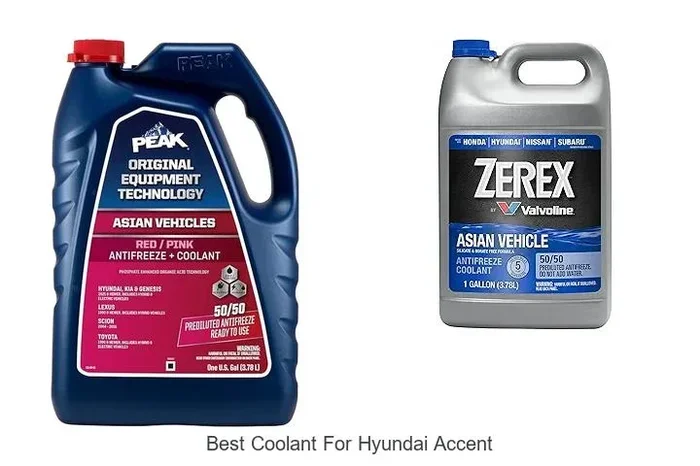
Start by checking the coolant level. If it is low, top it off with the correct type of coolant for your model. Next, inspect the radiator for dirt or damage. A simple rinse with water can restore airflow through the fins.
Test the thermostat by placing it in boiling water. It should open at the rated temperature. If it does not, replace it. The cost is low, and the fix is quick.
For water pump issues, listen for unusual noises from the front of the engine. A whining sound often signals a worn impeller. Replace the pump assembly to restore proper coolant circulation.
Quick Tip: Flush your coolant system every two years. Fresh coolant prevents corrosion and keeps the cooling system working at its best.
Preventing Future Overheating
Stay on top of your cooling system. Check coolant levels before every ride during summer months. Inspect hoses for cracks or soft spots. Replace worn hoses immediately. These small habits prevent overheating from becoming a major headache.
Electrical and Charging System Problems
Electrical issues plague many Moto Guzzi California common problems lists. The bikes use a standard 12-volt electrical system with a battery, alternator, and voltage regulator. Over time, connections corrode, wires degrade, and components fail. These issues can range from a slow-starting engine to complete electrical failure.
Common Electrical Complaints
Here are the electrical problems riders report most often:
- Battery drain: The battery dies frequently, even after a full charge.
- Dim or flickering lights: Headlights and dash lights lose brightness at idle.
- Faulty voltage regulator: The regulator sends too much or too little voltage to the battery.
- Corroded connectors: Moisture enters plug connections and causes resistance.
- Ignition failure: The bike refuses to start with no warning.
How to Diagnose and Fix Electrical Issues
Start with the battery. Use a multimeter to test voltage. A healthy battery reads 12.6 volts when fully charged and about 13.5 to 14.5 volts while running. If the reading is low, charge the battery or replace it.
Next, inspect the voltage regulator. This small device controls the charge going to the battery. If it fails, it can either undercharge or overcharge the battery. Overcharging cooks the battery from the inside. Undercharging leaves you with a dead battery. Replacement regulators are affordable and easy to install.
Check all electrical connectors for green or white corrosion. Clean them with a wire brush or electrical contact cleaner. Spray dielectric grease on connections after cleaning to prevent future corrosion.
Expert Insight: Many Moto Guzzi California owners find that adding a voltage monitor accessory helps catch charging problems early. Catching a failing regulator before the battery dies saves both parts and a lot of inconvenience.
Preventing Electrical Failures
Keep your connections clean and tight. Use dielectric grease on any exposed connector. Replace the battery every three to five years, even if it still works. Preventive replacement avoids unexpected failures on the road.
Fuel System and Carburetor Troubles
The fuel system delivers clean fuel to the engine at the right pressure and amount. When something goes wrong, you notice it immediately. Rough idling, poor acceleration, stalling, and hard starts all point to Moto Guzzi California common problems in the fuel delivery system.
Carburetor Issues on Older Models
Older Moto Guzzi California models use carburetors instead of fuel injection. Carburetors have small passages and jets that can clog with varnish and debris over time. This leads to several noticeable symptoms:
- Rough idle: The engine shakes or hunts at a standstill.
- Poor throttle response: The bike hesitates when you twist the throttle.
- Black smoke: A rich fuel mixture burns black and smells foul.
- Difficulty starting: The engine cranks but refuses to fire.
Fixing Carburetor Problems
Start by removing the carburetor and disassembling it. Soak all parts in carburetor cleaner spray. Use compressed air to blow out every passage and jet. Pay special attention to the main jet and pilot jet. These small openings clog easily.
Replace any gaskets or O-rings that show wear. Reassemble the carburetor carefully. Adjust the idle mixture screw and idle speed screw according to your service manual. Take your time with this process. Rushing leads to repeat problems.
Quick Tip: Use a fuel stabilizer if your Moto Guzzi California sits for long periods. Stale fuel creates varnish that clogs carburetor jets fast. A bottle of stabilizer in the tank during storage saves you a full carburetor rebuild.
Fuel Injection and Fuel Pump Problems on Newer Models
Later Moto Guzzi California models use electronic fuel injection. While more reliable than carburetors, fuel injection systems have their own set of issues:
- Clogged fuel filter: A dirty filter restricts fuel flow to the injectors.
- Failing fuel pump: The pump weakens over time and cannot maintain proper pressure.
- Dirty fuel injectors: Injectors clog and spray fuel unevenly.
- Throttle body buildup: Carbon deposits affect airflow and fuel atomization.
Fixing Fuel Injection Problems
Replace the fuel filter at regular intervals. This is one of the cheapest and easiest maintenance tasks. A clogged filter starves the engine and causes all sorts of drivability issues.
For fuel pump problems, listen for a humming sound when you turn the key to the ON position (without starting). You should hear the pump prime. If you hear nothing, the pump may be dead. Test it with a fuel pressure gauge and replace if needed.
Use a fuel injector cleaner additive in your tank. For stubborn clogs, remove the injectors and have them professionally cleaned or replaced.
Vibration and Drivetrain Concerns
The transverse V-twin engine that makes Moto Guzzi bikes so distinctive also creates significant vibration. Over time, this vibration takes a toll on surrounding components. Vibration-related problems rank high among Moto Guzzi California common problems that owners report.
Engine Mount Wear
Engine mounts absorb vibration and hold the engine in place. Rubber engine mounts harden and crack over time. When they fail, the engine shifts under acceleration and deceleration. You may notice:
- Engine movement visible in the frame: The engine rocks noticeably when you ride.
- Strange noises from the engine area: Metal-on-metal contact sounds during riding.
- Vibration felt through the footpegs: Excessive vibration that was not there before.
How to Fix Engine Mount Issues
Inspect the engine mounts visually. Look for cracks, crumbling rubber, or separation between the metal and rubber parts. Replace any mount that shows damage. The process varies by model but generally involves unbolting the engine slightly, removing the old mount, and installing the new one.
Use quality replacement mounts. OEM mounts from Moto Guzzi last longer and fit better than aftermarket alternatives in most cases.
Drive Shaft and Final Drive Problems
Many Moto Guzzi California models use a shaft drive instead of a chain. While shaft drives require less maintenance, they still develop problems:
- U-joint wear: Universal joints in the drive shaft wear out and create clunking noises.
- Seal leaks: The shaft seal at the rear wheel allows grease to escape and moisture to enter.
- Bearings failure: Bearings in the drive shaft housing wear and cause vibration.
Listen for clunking or clicking sounds when you accelerate or decelerate. Check the drive shaft boots for cracks. Grease leaking from the boots means the U-joints are exposed to dirt and moisture. Replace boots and repack U-joints with fresh grease promptly.
Expert Insight: Shaft drive maintenance often gets overlooked. Many owners assume it needs no attention. A simple inspection of boots and joints every 5,000 miles prevents costly repairs down the road.
Clutch and Transmission Troubles
The clutch and transmission take a lot of abuse on a cruiser like the Moto Guzzi California. Wet clutch systems, which many models use, sit inside engine oil. This means clutch plates wear gradually and transmission gears face constant lubrication demands.
Clutch Slippage
Clutch slippage is one of the most frustrating Moto Guzzi California common problems. You twist the throttle and the RPMs climb, but the speed does not increase. This happens when the clutch plates wear thin and cannot grip properly.
Common causes of clutch slippage include:
- Worn clutch plates: The friction material wears down over thousands of miles.
- Contaminated clutch plates: Oil or grease on the plates reduces friction.
- Improper clutch cable adjustment: Too much free play prevents full engagement.
- Weak clutch springs: Springs lose tension and cannot apply enough pressure.
How to Fix Clutch Problems
First, check your clutch cable adjustment. Too much free play means the clutch does not fully disengage. Adjust according to your service manual specifications.
If the cable adjustment does not help, the clutch plates likely need replacement. This requires splitting the engine case on most Moto Guzzi models. Remove the clutch cover, extract the old plates, and install new ones. Replace the clutch springs if they show signs of weakening.
While the engine is apart, inspect the clutch basket for grooves or burrs. A damaged basket causes the new plates to wear quickly again.
Transmission Gear Grinding
Difficulty shifting gears or grinding when you change gears points to transmission problems. Low or degraded transmission oil causes most gear grinding issues. The Moto Guzzi California uses the same oil for the engine and transmission in many models.
Check your oil level regularly and change it on schedule. Use the specific oil grade recommended in your owner manual. Wrong viscosity oil leads to poor gear engagement and accelerated wear.
Common Mistake: Many riders ignore the clutch cable adjustment until slippage becomes severe. Check your clutch free play every few months. A simple adjustment can extend clutch life significantly.
Exhaust and Emissions System Issues
The exhaust system on the Moto Guzzi California handles hot gases and contributes to engine performance. Over time, heat and corrosion take their toll on exhaust components.
Exhaust Leaks
Exhaust leaks show up as a ticking or popping sound from the engine area. You may also notice a decrease in performance and fuel economy. The most common leak points include:
- Exhaust manifold gaskets: These gaskets degrade from constant heat cycling.
- Flange bolts: Vibration loosens bolts over time, creating gaps.
- Cracked exhaust pipes: Metal fatigue from heat and vibration causes cracks.
How to Fix Exhaust Leaks
Inspect the entire exhaust system visually. Look for black soot marks around joints, which indicate escaping gases. Tighten any loose flange bolts. Replace damaged gaskets with new OEM-spec ones.
For cracked pipes, you have two options. Small cracks can sometimes be welded and patched. For extensive damage, full pipe replacement gives the best long-term result. Consider stainless steel replacement pipes for better durability and corrosion resistance.
Catalytic Converter Problems
Later models include catalytic converters to meet emissions standards. These can become clogged over time, causing backpressure that hurts performance. Symptoms include reduced power, poor fuel economy, and a smell of rotten eggs from the exhaust. Replacement of a clogged converter is the only real fix.
Preventive Maintenance Schedule to Avoid Moto Guzzi California Common Problems
The best way to deal with Moto Guzzi California common problems is to prevent them from happening in the first place. A solid maintenance schedule catches small issues before they grow into expensive repairs.
Daily and Weekly Checks
- Check engine oil level before every ride.
- Inspect tires for proper pressure and tread wear.
- Test all lights and signals before heading out.
- Look for any visible leaks under the bike.
Monthly Maintenance
- Check coolant level and top off if needed.
- Inspect all electrical connections for corrosion.
- Test battery voltage with a multimeter.
- Check clutch cable free play and adjust if necessary.
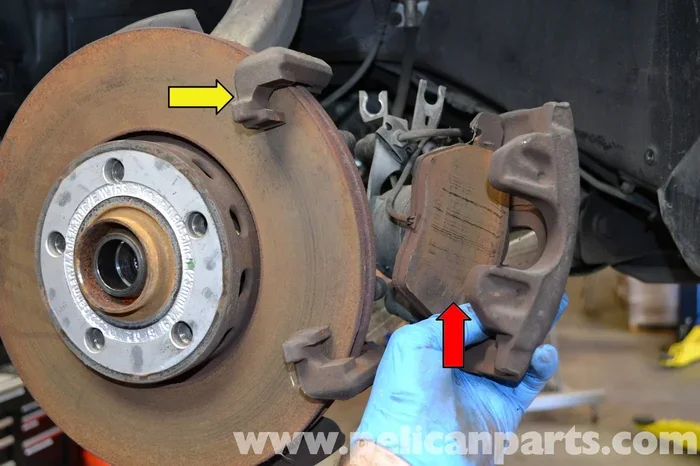
- Inspect brake pads and disc surfaces.
Every 5,000 Miles
- Change engine oil and filter.
- Inspect and clean or replace the air filter.
- Check drive shaft boots and grease U-joints.
- Inspect engine mounts for cracking or wear.
- Flush the cooling system if due.
Every 10,000 Miles
- Replace the fuel filter.
- Check and adjust valve clearances.
- Inspect the carburetor or fuel injectors.
- Replace the spark plugs.
- Check the battery and charging system output.
Quick Tip: Keep a maintenance log for your Moto Guzzi California. Write down every service, every repair, and every part replacement. This history helps you spot patterns and proves valuable when selling the bike or diagnosing new issues.
Comparison: Common Problems by Model Year
Different model years of the Moto Guzzi California bring different sets of challenges. Here is a comparison of the most common issues by generation:
| Model Year Range | Most Common Problems | Severity | Average Repair Cost |
|---|---|---|---|
| 1984-1990 (California I/II) | Carburetor clogging, ignition failure, engine overheating | Moderate | $200-$800 |
| 1991-1999 (California III/IV) | Electrical gremlins, clutch slippage, exhaust leaks | Moderate | $300-$1,200 |
| 2000-2009 (California 1100/1400) | Fuel pump failure, voltage regulator issues, vibration damage | Moderate to High | $400-$1,500 |
| 2010-Present (California 1400/1400 Custom) | Throttle body carbon buildup, exhaust sensor faults, clutch wear | Low to Moderate | $200-$1,000 |
Newer models benefit from fuel injection and better electrical design, but they still face wear items like clutch plates and engine mounts. Older models require more frequent attention to carburetors and ignition systems. Understanding your specific model year helps you focus on the right problems.
When to Seek Professional Help
Many Moto Guzzi California common problems are manageable for home mechanics with basic tools. However, some issues demand professional expertise. Engine internals like valve adjustments, cylinder head work, and major electrical diagnostics benefit from a trained technician. If you feel unsure about any repair, it is always wise to consult a professional. A wrong DIY fix can turn a small problem into a big one.
Find a mechanic who specializes in Moto Guzzi or Italian motorcycles. General motorcycle shops may not have the specific experience with these bikes. A specialist knows the quirks and common failure points of your model intimately.
Final Thoughts on Moto Guzzi California Common Problems
The Moto Guzzi California is a beautiful, character-rich motorcycle that rewards its owners with a unique riding experience. But it demands attention and care. The Moto Guzzi California common problems outlined in this guide cover the most frequent issues you will encounter. From overheating to electrical gremlins, fuel system troubles to clutch wear, each problem has a clear solution.
The key is staying proactive. Regular maintenance, early detection, and timely repairs keep your California running strong for decades. Do not ignore warning signs like strange noises, performance drops, or dashboard warnings. Address them quickly and you will enjoy many more miles on the road.
Remember, every motorcycle has its quirks. The Moto Guzzi California is no different. But with knowledge and preparation, you can handle anything that comes your way. Keep this guide handy, stay on top of your maintenance schedule, and your California will reward you with countless memorable rides.
Frequently Asked Questions
What are the most common Moto Guzzi California common problems owners face?
Engine overheating, electrical system failures, fuel delivery issues, clutch slippage, and vibration-related component wear top the list. These problems appear across different model years and can usually be fixed with regular maintenance and timely part replacements.
How do I prevent engine overheating on my Moto Guzzi California?
Check coolant levels before every ride, flush the cooling system every two years, and inspect the radiator for dirt or damage. Replace the thermostat and water pump at the first sign of failure. These simple steps prevent most overheating issues.
Why does my Moto Guzzi California battery keep dying?
A dead battery usually points to a faulty voltage regulator, corroded connections, or a parasitic drain. Test your charging system output with a multimeter. Clean all electrical connections and replace the voltage regulator if it is not maintaining proper voltage.
How often should I rebuild the carburetor on my Moto Guzzi California?
For models with carburetors, a rebuild every 10,000 to 15,000 miles keeps things running smoothly. If you notice rough idle, poor throttle response, or hard starting, inspect the carburetor sooner. Using fuel stabilizer during storage extends carburetor life significantly.
Is clutch slippage on the Moto Guzzi California expensive to repair?
The repair cost depends on your model. Clutch plate replacement ranges from $300 to $800 in parts and labor. Doing the work yourself saves on labor costs, but it requires splitting the engine case on most Moto Guzzi models, which is a complex job for beginners.
What maintenance schedule should I follow to avoid Moto Guzzi California common problems?
Follow a schedule of daily visual checks, monthly electrical and fluid inspections, oil changes every 5,000 miles, and major service intervals every 10,000 miles. Staying consistent with this schedule catches most problems early and keeps your bike reliable for the long haul.
=== CONCLUSION ===
The Moto Guzzi California remains a beloved motorcycle, and understanding its common problems is the key to long-term enjoyment. From cooling system maintenance to electrical diagnostics, fuel system care to clutch management, every area of the bike deserves attention. The fixes shared in this guide are practical, affordable, and achievable for most riders.
Stay proactive with your maintenance. Keep a log, follow the schedule, and never ignore warning signs. Your Moto Guzzi California will reward your care with years of reliable, enjoyable riding. Share this guide with fellow Moto Guzzi owners and help keep the community informed and prepared.