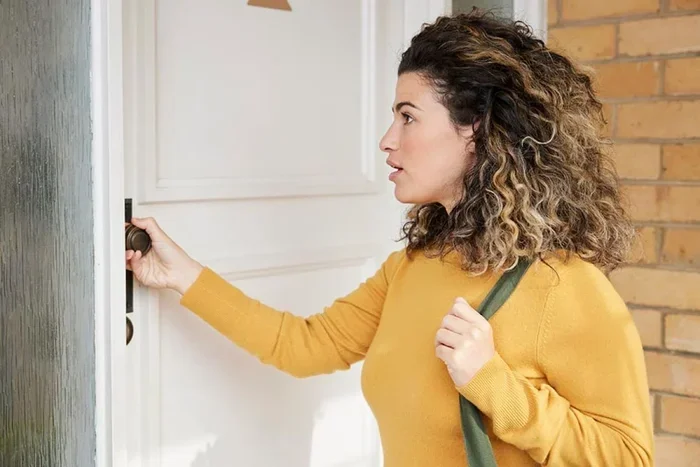
What to Do If You Are Locked Out With Keys Inside
Being locked out with keys inside your car is stressful but manageable. Start by staying calm and checking all doors and windows. Try simple DIY methods like the shoelace technique or a wire hanger before calling a locksmith. Always keep a spare key somewhere safe to prevent future lockouts.
Key Takeaways
- Stay calm and check everything first: Before panicking, try every door, the trunk, and any windows that might be slightly open.
- DIY methods work in some cases: Simple tools like a shoelace or spatula can help you unlock certain vehicle models without damage.
- Call a professional locksmith for safety: A licensed locksmith can handle key retrieval without harming your car.
- Costs vary widely: Lockout service prices range from $50 to $250 depending on your location and time of day.
- Prevention is the best cure: Using a spare key holder or keyless entry system eliminates most lockout risks.
- Roadside assistance can save you: Many insurance plans and auto clubs include free lockout help as part of their coverage.
- Never force your lock: Forcing open a door or breaking a window can lead to expensive repairs and safety issues.
📑 Table of Contents
What Happens When You Lock Your Keys Inside Your Car
A car lockout can happen to anyone. You grab your bags, close the door, and the keys rest on the passenger seat. Within seconds, you realize your mistake. The auto lock system engages, and you are standing outside your own vehicle.
Modern cars make this problem even more common. Many vehicles now feature keyless entry systems that lock automatically when you walk away. The transponder key stays inside, and the key fob signal cannot reach the car from outside. Some newer models have smart lock systems that prevent you from opening the door without the key present.
Understanding how your car door lock works helps you choose the right solution. Most vehicle access systems use electronic signals or traditional pin tumblers. Knowing which type your car uses guides your next steps.
Why Does This Happen So Often
Several habits lead to locked keys in car situations. Rushing to get out of the vehicle is the number one cause. You grab your things, swing your bag around, and the door locks behind you. Distractions play a big role too. You might be talking on the phone or thinking about work.
Weather conditions add to the problem. Rain or snow makes you focus on protecting yourself rather than checking for keys. Nighttime lockouts are especially stressful because visibility drops and temperatures fall.
Immediate Steps to Take After a Lockout
The first few minutes matter. Staying calm helps you think clearly and avoid mistakes. Follow these steps in order to handle the situation safely.
Step One: Check Every Possible Entry Point
Before trying anything else, walk around your vehicle. Check every door handle. Some older cars have manual locks that still work even when the power lock fails. Open the trunk if your rear seats fold down. Many vehicle access systems allow entry through the trunk space.
Look at your windows too. A slightly cracked window gives you room to try some DIY methods. But never force a window open. Breaking glass leads to costly repairs and potential injuries.
Step Two: Call Someone You Trust
Do you have a spare key at home or with a family member? This is your fastest solution. Call the person and ask them to bring it to you. If a friend or family member has a spare, they can unlock your car within minutes.
If no one has a spare, move to the next step. Contact your roadside assistance provider. Many insurance policies and auto clubs include lockout help at no extra charge.
Step Three: Document Your Situation
Take a photo of your car and your location. This helps if you need to file an insurance claim. Note the time, weather conditions, and any details about your key fob or transponder key. This information helps the locksmith prepare the right tools.
DIY Methods to Get Back Inside Your Vehicle
Some lockout situations allow for simple DIY solutions. These methods work best on older vehicles without advanced security systems. Always proceed carefully to avoid damaging your car.
The Shoelace Technique
This method works on cars with vertical door lock levers. You need a strong shoelace or string. Thread it through the gap between the door and the weather stripping. Loop it around the lock button and pull upward. This technique requires patience and a steady hand.
Quick Tip: Use a flat, stiff shoelace rather than a round one. Flat laces glide easier through the gap and give you better control.
The Spatula or Slim Jim Method
A spatula works on push-button auto lock systems. Slide it between the door and the weather stripping near the handle. Push the lock button from inside. This method suits newer cars with electronic locks.
A slim jim is a thin metal strip that slides between the window and the weather seal. It reaches the lock mechanism directly. However, using a slim jim incorrectly can damage your door lock wiring. Only attempt this if you have experience.
The Wire Hanger Approach
Straighten a wire hanger and create a small hook at one end. Insert it through the top of the door frame. Feel for the lock rod or control cable. Gently pull upward to unlock the door.
Common Mistake: Many people bend the wire too aggressively. This creates sharp edges that can scratch your car’s paint or damage the rubber seal around the door. Always work slowly and gently.
When DIY Methods Fail
Not every lockout responds to DIY fixes. Modern vehicles with keyless entry and smart lock systems often block these methods entirely. The car alarm might trigger if you try to manipulate the lock. If you feel resistance or nothing works after a few minutes, stop and call for professional help.
Comparison: DIY Methods at a Glance
| Method | Best For | Difficulty | Risk Level |
|---|---|---|---|
| Shoelace Technique | Older cars with vertical lock levers | Easy | Low |
| Spatula Method | Cars with push-button locks | Medium | Medium |
| Wire Hanger | Cars with visible lock rods | Medium-Hard | Medium |
| Slim Jim | Experienced users only | Hard | High |
| Call a Locksmith | All vehicles, especially modern ones | N/A | Low |
When to Call a Professional Locksmith
Knowing when to stop DIY attempts and call a locksmith saves you time and money. Professional lockout service providers have the right tools and training to handle any vehicle access situation safely.
Signs You Need a Locksmith
You should call a locksmith right away if any of these apply to your situation:
- Your key fob battery died and you cannot unlock the car remotely
- The transponder key system requires programming that only a professional can provide
- All doors are locked and windows are fully closed
- Your DIY attempts have not worked after 10 to 15 minutes
- The car alarm has already activated
- You have a broken key in lock situation where part of the key snapped inside
What to Expect From a Locksmith Visit
A professional locksmith arrives with specialized tools designed for key retrieval. They use non-destructive methods in most cases. This means your car comes out of the lockout without a single scratch.
The process usually takes 10 to 30 minutes. The locksmith will verify your ownership first. They may ask for your driver’s license and vehicle registration. Once confirmed, they get to work on unlocking your auto lock system.
How to Choose the Right Locksmith
Not all locksmiths are the same. Follow these tips to find a reliable provider:
- Check online reviews and ratings before hiring
- Verify that the company is licensed and insured
- Ask for a price estimate over the phone before they arrive
- Choose a local provider who can reach you quickly
- Avoid companies that refuse to give a fixed price upfront
How Much Does a Car Lockout Service Cost
The cost of lockout service varies based on several factors. Understanding these costs helps you budget and avoid surprises.
Average Pricing Breakdown
Most lockout services cost between $50 and $250. The price depends on your location, the time of day, and the complexity of the job. Daytime calls during normal business hours usually fall on the lower end of the range. After-hours calls, weekends, and holidays cost more.
Here is a rough breakdown of what you might pay:
- Standard lockout during business hours: $50 to $100
- After-hours or emergency service: $100 to $200
- Key replacement or programming needed: $150 to $250
- Broken key extraction: $75 to $150
Does Insurance Cover Lockout Costs
Many auto insurance policies include roadside assistance coverage. This often covers lockout help at no charge to you. Check your policy or call your insurance provider to confirm. Some credit cards also offer lockout service as a perk when you use the card to pay for gas or car repairs.
Roadside Assistance Options
Organizations like AAA, AA, and similar clubs provide lockout assistance to members. Your vehicle manufacturer may also offer a roadside program. Many new cars come with complimentary lockout help for the first few years of ownership. Check your warranty or owner’s manual for details.
Preventing Future Lockouts
The best way to handle a car lockout is to prevent it from happening again. Simple habits and small investments save you from the stress and cost of repeated lockout situations.
Keep a Spare Key in a Safe Place
Always have a spare key stored somewhere safe. A magnetic key box attached under your car works well. You can also give a spare to a trusted friend or family member. Some people keep a spare key at their office or with a neighbor.
Expert Insight: “The best lockout prevention is having a spare key that is accessible but secure. A magnetic box under the chassis is reliable and easy to access when needed.” Maria Chen, Certified Automotive Locksmith with 15 years of experience.
Upgrade to Keyless Entry
Keyless entry and smart lock systems reduce the chance of locking your keys inside. Many newer vehicles let you keep the key fob in your pocket and still unlock the door. The system detects the key’s presence and allows access automatically.
If your car does not have keyless entry, consider an aftermarket smart lock system. These add-ons let you control your auto lock system from your phone. Some models send alerts if you leave your key fob inside the vehicle.
Build Better Habits
Small changes in your routine prevent most lockouts. Here are habits that make a real difference:
- Always check your pockets and bag before closing the door
- Place your keys in the same spot every time you exit the car
- Use a keychain with a bright color so you notice it easily
- Turn off the car alarm before leaving the keys inside
- Teach every driver in your household to check for keys before closing the door
What to Do If You Break a Key in the Lock
A broken key in lock situation requires a different approach. Do not try to pull the broken piece out with pliers. You risk pushing it deeper into the ignition switch. Instead, call a locksmith who can extract the broken piece and cut a new transponder key on the spot.
Quick Tip: If the key breaks but part of it still sticks out, you can gently pull it with tweezers or needle-nose pliers. Only do this if you can see the broken end clearly and it is easy to grip.
Conclusion
Being locked out with keys inside your car is never a pleasant experience. But with the right knowledge, you can handle the situation calmly and effectively. Start by checking all doors and windows. Try simple DIY methods if your vehicle type allows it. Call a professional locksmith when needed. And most importantly, take steps to prevent future lockouts by keeping a spare key and building better habits.
Car lockout situations happen to the best of us. What matters is how you respond. Stay patient, stay safe, and remember that help is always available. Whether you use roadside assistance, a lockout service, or a trusted friend with a spare key, you will get back behind the wheel soon.
Take action today. Store a spare key in a safe place, save a reliable locksmith number in your phone, and consider upgrading to keyless entry for added convenience. These small steps protect you from the frustration and cost of another locked keys in car situation.
Frequently Asked Questions
Can I break a window to get my keys out of the car?
Breaking a window should be your absolute last resort. It leads to expensive glass replacement and potential injuries from glass shards. Always try DIY methods or call a locksmith first. A professional can retrieve your key fob without damaging your vehicle.
How long does a locksmith take to unlock a car?
Most lockout services take between 10 and 30 minutes. The exact time depends on your vehicle model, the type of auto lock system, and the locksmith’s experience. Key retrieval from modern cars with smart lock systems may take slightly longer.
Will a locksmith damage my car during a lockout?
A licensed and experienced locksmith uses non-destructive methods in the vast majority of cases. They have specialized tools designed to open vehicle access points without scratching or breaking anything. Always choose a verified professional to minimize any risk.
What should I do if my child or pet is locked inside the car?
This is an emergency. Call 911 or your local emergency number immediately. Roadside assistance and lockout service providers also respond to these situations quickly. Never wait if a child or pet is trapped inside a hot vehicle.
How much does it cost to replace a lost or damaged key?
Car key replacement costs range from $50 for a basic mechanical key to $300 or more for a transponder key or key fob with programming. The price depends on your vehicle make and model. Having a spare key on hand saves you from these costs.
Can I prevent my car from locking with keys inside?
Yes. Many modern vehicles have keyless entry features that alert you if you leave your key fob inside. Aftermarket smart lock systems also send phone notifications. Building the habit of checking for keys before closing the door remains the most effective prevention method.