What to Do If Your Car Trunk Wont Open with These Steps
Your car trunk won’t open? Don’t panic. This guide walks you through simple fixes, manual release methods, and expert tips to get your trunk working again. Learn what causes a stuck trunk, how to troubleshoot it yourself, and when to call a pro for help.
There’s nothing worse than standing next to your car with a full load of groceries, luggage, or important items, and your trunk just won’t open. A car trunk won’t open for a variety of reasons, and the good news is that most of them are fixable. Whether your trunk is stuck closed, won’t respond to the remote, or makes a strange noise when you try to pop it, this guide has you covered.
We’ll walk you through every possible solution, from simple checks you can do in under a minute to more advanced fixes that address mechanical problems. By the end of this article, you’ll know exactly what to do when your trunk won’t open and how to prevent it from happening again.
Let’s get started. No need to call a tow truck just yet. In most cases, a stuck trunk is a quick and easy fix you can handle yourself right now.
Key Takeaways
- Try the basics first: Check the key fob, trunk release button, and interior latch before assuming something is broken.
- Manual release options exist: Most cars have an emergency trunk release lever or cable inside the vehicle.
- Common culprits include a faulty trunk latch, broken trunk cable, or seized trunk seal.
- Know when to call a mechanic: If DIY fixes don’t work, a professional can diagnose hidden trunk actuator or solenoid issues.
- Prevention saves money: Regular maintenance keeps your trunk release mechanism working smoothly for years.
- Avoid forcing the trunk open: This can damage the trunk latch, hinges, or surrounding body panels.
📑 Table of Contents
Why Does Your Car Trunk Won’t Open?
Before you start pulling on handles or pressing buttons, it helps to understand what could be causing the problem. A car trunk won’t open because of several different issues, and each one requires a different fix. Let’s look at the most common reasons.
Dead or Weak Key Fob Battery
This is the number one reason people think their trunk won’t open. If your key fob battery is dead, the remote trunk release signal simply won’t reach the car. You might still be able to unlock the doors manually, but the trunk release function often relies on a separate signal path.
Try replacing the battery in your key fob first. It’s cheap, fast, and solves the problem more often than you’d think. Most key fobs use a small CR2032 coin battery that you can swap in seconds.
Faulty Trunk Release Button
The trunk release button inside your car can wear out over time. If you press it and hear nothing, or if the button feels loose or spongy, the electrical connection may be broken. This is a simple fix in many cases, but it requires opening the car to access the wiring behind the dashboard.
Seized or Damaged Trunk Latch
The trunk latch is the mechanical piece that holds the trunk shut. Over time, dirt, rust, ice, or general wear can cause the latch to seize up. When this happens, even if the release mechanism works fine, the trunk physically can’t unlatch. A stuck trunk latch is one of the most common reasons a trunk stays closed.
Broken Trunk Cable
Many older vehicles use a cable to connect the interior trunk release lever to the latch mechanism. If this cable snaps, stretches, or disconnects, pulling the interior lever does nothing. You won’t hear a click or feel any movement. A broken trunk cable means the release signal never reaches the latch.
Trunk Seal Problems
The rubber seal around your trunk creates a tight closure. If this seal gets damaged, warped, or clogged with debris, it can create a vacuum lock. The trunk feels stuck because air pressure is holding it shut. This is more common in older cars or vehicles parked in extreme weather conditions.
Faulty Trunk Actuator or Solenoid
Modern cars often use an electric actuator or solenoid to release the trunk latch electronically. If this component fails, the trunk won’t respond to any button press. You might hear a faint clicking sound, but the latch won’t move. This is a more serious issue that usually requires a trunk actuator replacement.
Simple Fixes to Try Right Now
Before you dig into complex repairs, try these quick fixes. Many people solve their trunk won’t open problem with one of these simple steps.
Step 1: Check the Key Fob
Stand close to your car and try the trunk release button on the key fob. Then walk a few feet away and try again. If it works close up but not far away, your fob battery is likely weak. Replace it with a fresh CR2032 battery and test again.
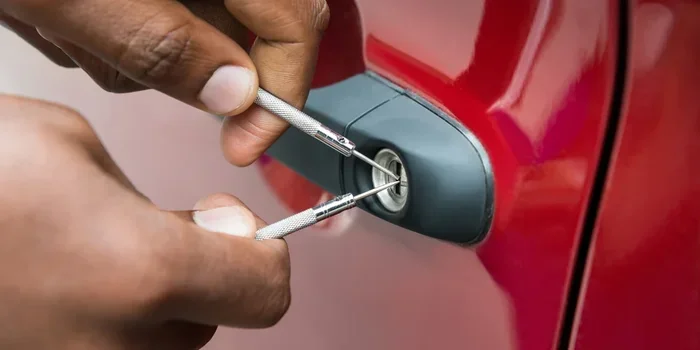
Also try using the physical key. Most cars have a hidden key slot near the trunk handle or under the trunk emblem. Insert the key and turn it to release the trunk manually.
Step 2: Try the Interior Trunk Release
Get inside your car and look for the trunk release lever or button. It’s usually located on the driver’s side dashboard, near the steering column, or on the driver’s door panel. Pull or press it firmly.
If you have a SUV or hatchback, check behind the rear seats. Many vehicles have a fold-down rear seat that gives you access to the trunk from inside the cabin. Pull the emergency release handle located there.
Step 3: Press the Trunk While Pushing the Release
Here’s a trick that works surprisingly often. Have someone press down on the trunk lid while you pull the interior release lever. Sometimes the latch needs a little extra pressure to disengage. The added force helps overcome any minor sticking or misalignment.
Step 4: Lubricate the Trunk Latch
If the trunk latch feels stiff or gritty, a little lubricant can work wonders. Use a silicone-based lubricant or white lithium grease on the latch mechanism. Spray it into the latch housing and work the release lever a few times to distribute it. Avoid using WD-40 as a long-term solution because it can attract dirt and gum up over time.
Quick Tips
- Keep a spare key fob battery in your glove box at all times.
- Wipe down your trunk seal every few months to prevent debris buildup.
- Listen carefully when you press the release button. A click means the mechanism is working but the latch is stuck. No click means an electrical problem.
How to Manually Release a Stuck Trunk
If the simple fixes didn’t work, it’s time to go manual. Every car manufactured in the last few decades has some form of emergency trunk release. Knowing where to find it can save you a lot of stress.
Locate the Emergency Trunk Release Lever
Most cars have an emergency trunk release lever or handle inside the vehicle. In sedans, it’s usually on the driver’s side, near the bottom of the dashboard or on the driver’s door. In SUVs and hatchbacks, check behind the rear seat cushion or on the seatback itself.
The lever is typically bright red or orange, making it easy to spot. Pull it firmly toward you. You should hear the trunk latch release with a distinct click. Then have someone lift the trunk lid from the outside.
Use the Trunk Release Cable
Some vehicles have a cable-based emergency release. This is a thin cable that runs from the interior release handle to the trunk latch. If your car has this system, you may need to access the cable from under the rear seat or through a small access panel in the trunk interior.
Use a flathead screwdriver or pliers to pull the cable gently. Don’t yank hard. You want to apply steady, moderate force to avoid snapping the cable.
Release the Trunk from the Outside
If you can’t get inside the car, try these external methods:
- Use the physical key: Insert the metal key into the trunk lock (if your car has one) and turn it.
- Check the trunk emblem: Some trunk emblems are removable. Pry it off gently and you may find a keyhole underneath.
- Call roadside assistance: If none of these work, a roadside assistance service can often open your trunk with professional tools.
Expert Insight
According to automotive technicians, the emergency trunk release lever has been required in all new cars sold in the United States since 2001. If your car was made after that year, you have this safety feature. Familiarize yourself with its location before you ever need it.
Common Mechanical Problems Behind a Stuck Trunk
When simple fixes and manual releases don’t solve the problem, you’re likely dealing with a mechanical or electrical issue. Let’s explore the most common culprits.
Worn Out Trunk Latch Mechanism
The trunk latch is the metal piece that hooks onto the striker plate on the car body. Over thousands of open and close cycles, the latch wears down. The hooks become rounded, the spring weakens, and eventually the latch can’t engage or disengage properly.
Signs of a worn trunk latch include:
- The trunk feels loose or rattles when driving.
- The trunk doesn’t close with a satisfying click.
- You need to slam the trunk to get it to latch.
- The release lever feels loose or unresponsive.
A trunk latch replacement is a relatively affordable repair. Parts typically cost between $30 and $80, and labor takes about an hour if you’re handy with basic tools.
Broken Trunk Struts or Hydraulic Lift
Trunk struts (also called trunk lift supports or hydraulic arms) help you open and close the trunk smoothly. When a strut fails, the trunk lid may fall shut unexpectedly or refuse to stay open. While a broken strut won’t directly prevent the trunk from opening, it can make the situation frustrating and even dangerous if the lid falls on you.
Replace both struts at the same time, even if only one has failed. This ensures balanced support and prevents the other strut from failing soon after.
Electrical Issues with the Trunk Release System
In modern vehicles, the trunk release is controlled by a combination of wiring, relays, and electronic control modules. A blown fuse, corroded connector, or damaged wiring harness can all prevent the trunk from opening electrically.
Here’s how to check for electrical problems:
- Check your car’s fuse box for a blown trunk release fuse. Refer to your owner’s manual for the fuse location.
- Inspect the wiring behind the trunk lid for frayed or corroded connections.
- Test the trunk actuator by listening for a humming or clicking sound when you press the release button.
- Use a multimeter to check for voltage at the actuator connector.
If you’re not comfortable working with electrical systems, skip this and move on to the next section. Electrical diagnostics require specific tools and knowledge.
Trunk Seal Vacuum Lock
As mentioned earlier, a damaged or dirty trunk seal can create a vacuum lock. When the seal is intact and clean, it forms an airtight closure. But if the seal is cracked, warped, or blocked by leaves and debris, air can’t equalize properly, and the vacuum holds the trunk shut.
To fix this:
- Clean the rubber seal with warm soapy water and a soft cloth.
- Inspect the seal for cracks or tears and replace it if damaged.
- Apply a rubber conditioner to keep the seal flexible.
- Try opening the trunk by pulling the interior release while a friend gently pushes on the trunk lid.
When to Call a Professional Mechanic
Not every trunk problem is a DIY fix. Knowing when to call in the experts can save you time, money, and frustration.
Signs You Need Professional Help
Call a mechanic if you experience any of the following:
- The trunk release button or lever feels completely unresponsive, with no sound or movement at all.
- You’ve tried the emergency release and the trunk still won’t budge.
- You hear grinding or clicking sounds from inside the trunk mechanism.
- The trunk opens but won’t stay closed, or closes but won’t latch.
- Your car has electronic trunk controls that have stopped working entirely.
DIY vs Professional Repair Comparison
Not sure whether to fix it yourself or pay a mechanic? Here’s a quick comparison:
| Factor | DIY Fix | Professional Repair |
|---|---|---|
| Cost | Low (under $20 for parts) | Medium to high ($100-$400) |
| Time | 15 minutes to 1 hour | 1-3 hours including wait time |
| Skill Level | Basic mechanical knowledge | None required |
| Risk | Low to moderate | Minimal |
| Best For | Simple fixes, lubrication, cable replacement | Electrical issues, actuator replacement, latch overhaul |
As a general rule, if the fix involves replacing an electronic component like a trunk actuator or solenoid, it’s best left to a professional. These parts require precise installation and sometimes reprogramming to work correctly.
Common Mistakes to Avoid
- Forcing the trunk open: This can bend the trunk lid, damage the hinges, or break the latch entirely. Never use excessive force.
- Ignoring the problem: A stuck trunk might seem minor, but it can lead to water intrusion if the seal is compromised, which causes rust and mold.
- Using the wrong lubricant: Avoid petroleum-based products on rubber seals. They degrade the rubber over time. Stick with silicone-based lubricants.
- Not checking the fuse first: Many people skip the simplest explanation. A blown fuse is often the culprit behind electrical trunk failures.
Preventing Future Trunk Problems
The best way to deal with a car trunk that won’t open is to prevent the problem from happening in the first place. Regular maintenance keeps your trunk release mechanism in top shape and extends the life of all related components.
Regular Maintenance Checklist
- Clean the trunk seal monthly: Wipe it down with a damp cloth and apply rubber conditioner every three months.
- Lubricate the trunk latch every six months: Use silicone spray or white lithium grease.
- Check the trunk cable annually: Look for fraying, rust, or slack in the cable.
- Test the trunk release regularly: Don’t wait until you’re standing at the trunk with a load of bags. Test it once a month.
- Replace the key fob battery yearly: Even if it seems to work fine, a weak battery can cause intermittent trunk release failures.
Best Products for Trunk Maintenance
Keep these products in your garage for trunk maintenance:
- Silicone-based lubricant spray: Works great on latches, cables, and seals without attracting dirt.
- Rubber conditioner protectant: Keeps trunk seals flexible and prevents cracking.
- Contact cleaner: Use it on electrical connections if you notice corrosion on the trunk actuator or wiring.
Taking just a few minutes each month for these simple maintenance tasks can save you from the frustration of a stuck trunk down the road. Prevention is always easier and cheaper than repair.
Final Thoughts
A car trunk won’t open is almost always a solvable problem. Start with the basics: check the key fob battery, try the interior release, and lubricate the latch. If those don’t work, move on to manual release methods and electrical diagnostics. And if you’re ever in doubt, don’t hesitate to call a trusted mechanic.
The key is to stay calm and work through the possibilities systematically. Most trunk problems are minor and fixable with basic tools and a little patience. By keeping up with regular maintenance, you can avoid most trunk issues altogether and keep your vehicle running smoothly for years to come.
Now you know exactly what to do when your trunk won’t open. Share this guide with a friend who might need it, and bookmark it for the next time you’re standing at a stuck trunk with no luck in sight.
Frequently Asked Questions
Why won’t my car trunk open with the remote?
The most common reason is a dead key fob battery. Replace the battery and try again. If that doesn’t work, the trunk release antenna or wiring may have an issue. Check your car’s fuse box for a blown trunk release fuse as well.
How much does it cost to fix a trunk that won’t open?
DIY fixes like lubrication or cable replacement cost under $20. Professional repairs for a trunk actuator or latch replacement typically range from $100 to $400, depending on your vehicle model and local labor rates.
Can I drive with a trunk that won’t close properly?
It’s not recommended. A trunk that won’t latch securely can open while driving, creating a safety hazard. Items can fly out, and an open trunk can obstruct your rear visibility. Have the trunk fixed before driving long distances.
Where is the emergency trunk release in my car?
In most vehicles, the emergency trunk release is a bright red or orange lever located inside the car, either on the driver’s side dashboard, on the driver’s door, or behind the rear seat. Check your owner’s manual for the exact location in your specific model.
Can a trunk seal cause the trunk to stay stuck closed?
Yes. A damaged or dirty trunk seal can create a vacuum lock that holds the trunk shut. Clean the seal with warm soapy water, apply rubber conditioner, and try pulling the interior release while a friend gently pushes on the trunk lid to break the vacuum seal.
What should I do if the trunk release cable broke?
If the cable is broken, you can still open the trunk using the emergency release lever inside the vehicle. For a permanent fix, replace the cable. Replacement cables are inexpensive and relatively easy to install if you have basic mechanical skills.