How Do I Reset My Dashboard Engine Management Light
The dashboard engine management light can be confusing and stressful for any driver. This guide walks you through the exact steps to reset your engine management light safely. You will learn what triggers the warning, which tools you need, and common mistakes to avoid. Resetting the light is often simple, but finding the root cause matters most. Follow our expert tips to keep your car running smoothly and your dashboard clean.
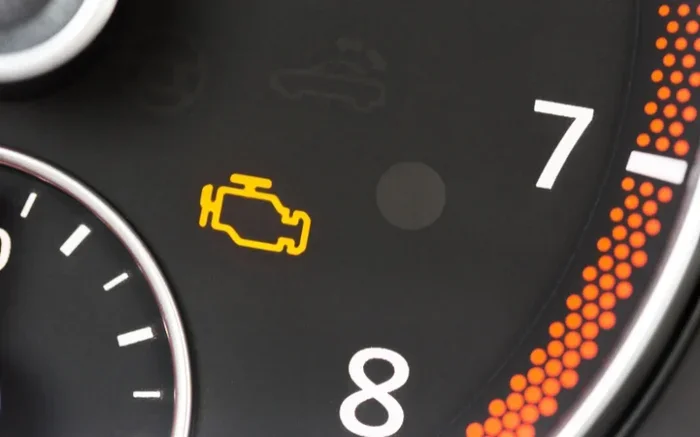
You are driving down the road when you glance at your dashboard and see a strange light glowing. It might look like an engine silhouette or say “ENGINE” in plain text. Either way, it is called the engine management light, and it can make anyone feel uneasy.
The good news is that resetting this light is something most car owners can do at home. Before you panic, take a deep breath. Resetting the dashboard engine management light is often a straightforward process. This guide will show you exactly how to do it safely and effectively. We will cover every method, every tool, and every mistake to avoid along the way.
By the end of this article, you will know what causes the light to come on, how to read diagnostic trouble codes, and the best ways to reset the warning. Let us get started and take back control of your dashboard.
Key Takeaways
- Simple Reset Methods: You can reset the engine management light using an OBD-II scanner, disconnecting the battery, or cycling the ignition key.
- Underlying Causes Matter: The light usually signals a real problem like a loose fuel cap, faulty sensor, or emission issue that needs attention first.
- Right Tools Help: An OBD-II scanner or code reader is the most reliable way to diagnose and clear fault codes.
- Avoid Common Mistakes: Never ignore the light, clear codes without fixing the problem, or disconnect the battery on modern vehicles.
- Safety First: Always check your owner’s manual and follow manufacturer-specific reset procedures.
- Professional Help Is Smart: When in doubt, visit a trusted mechanic to diagnose and resolve the issue properly.
📑 Table of Contents
- What Is the Dashboard Engine Management Light?
- Tools You Need to Reset the Engine Management Light
- How to Reset Your Dashboard Engine Management Light
- Common Mistakes When Resetting the Engine Management Light
- When Should You See a Professional Mechanic?
- Preventing the Engine Management Light from Returning
- Understanding Diagnostic Trouble Codes
- How the Engine Control Unit (ECU) Works
- Key Takeaways
- Frequently Asked Questions
- Conclusion
What Is the Dashboard Engine Management Light?
The engine management light is part of your car’s onboard diagnostics system. It is also known as the check engine light or the engine warning light. When this light turns on, it means your vehicle’s computer has detected something wrong. The computer stores a fault code that explains the issue.
Modern cars have a built-in system called OBD-II, which stands for On-Board Diagnostics II. This system monitors dozens of sensors throughout the engine and emission system. If any sensor reads outside normal ranges, the system triggers the dashboard warning light. The light can appear as a yellow or orange engine icon, or it may simply display the word “CHECK ENGINE.”
The engine management light serves as an early warning system. It helps you catch small problems before they become expensive repairs. Ignoring this light can lead to bigger issues down the road. So when you see it, do not panic, but do not ignore it either.
Why Does the Engine Management Light Come On?
There are many reasons the engine warning light might activate. Some causes are minor and easy to fix. Others require professional attention. Here are the most common triggers:
- Loose or damaged fuel cap: A loose gas cap can cause vapor leaks, which trigger the emission system warning.
- Faulty oxygen sensor: This sensor measures unburned oxygen in your exhaust. When it fails, your engine runs less efficiently.
- Catalytic converter issues: A failing catalytic converter affects your car’s emission control and can trigger the light.
- Spark plug or ignition coil problems: Worn spark plugs cause misfires that the system detects immediately.
- Mass airflow sensor failure: This sensor measures the air entering your engine. A dirty or broken sensor disrupts the fuel-air mix.
- Emission control system faults: Any issue in the EVAP system or exhaust recirculation can activate the warning.
- Battery or electrical issues: Low voltage or a weak battery can confuse the onboard computer temporarily.
Each of these issues stores a specific fault code in your car’s computer. You need a diagnostic tool to read these codes. Understanding what the code means is the first step toward a proper fix.
Tools You Need to Reset the Engine Management Light
Before you start resetting, gather the right tools. Having everything ready makes the process smooth and stress-free. Here is what you will need:
OBD-II Scanner or Code Reader
An OBD-II scanner is the most important tool for this job. It plugs directly into your car’s diagnostic port and reads the stored fault codes. You can buy a basic scanner for under $30 at most auto parts stores. More advanced models connect to your smartphone via Bluetooth and provide detailed explanations of each code.
When choosing a scanner, look for one that can both read and clear diagnostic codes. Some cheap readers only display codes but cannot reset the light. Make sure the one you buy has a “clear” or “erase” function.
Your Vehicle Owner’s Manual
Every car is different. Your owner’s manual contains specific instructions for your vehicle’s reset process. It also tells you where the diagnostic port is located. Some cars have it under the steering column, while others place it near the center console. Check the manual before you start any reset procedure.
Basic Hand Tools
Depending on the method you choose, you may need a wrench or socket set. Some reset methods require disconnecting the battery terminal. Keep a basic set of tools in your trunk for any car maintenance task.
How to Reset Your Dashboard Engine Management Light
Now for the part you have been waiting for. There are several ways to reset the engine management light. Each method works differently, and some are better suited for certain vehicles. Let us walk through each one step by step.
Method 1: Using an OBD-II Scanner
This is the most reliable and recommended method. Here is how to do it:
- Locate your car’s OBD-II diagnostic port. It is usually found under the steering wheel on the driver’s side.
- Plug the OBD-II scanner into the port. You should feel it click into place.
- Turn the ignition key to the “ON” position. Do not start the engine.
- Wait for the scanner to connect to your car’s computer. The screen will display a message when it is ready.
- Select “Read Codes” to see what triggered the dashboard warning light. Write down the codes or take a photo.
- Address the underlying issue first. If it is a loose fuel cap, tighten it. If it is a sensor problem, fix that before clearing codes.
- Once the problem is resolved, select “Clear Codes” on the scanner.
- The scanner will erase the fault codes and turn off the engine management light.
- Turn the ignition off, wait 30 seconds, then restart the engine. The light should stay off if the fix worked.
This method gives you the most control. You can verify the fix by reading the codes again after the reset. If the light returns, there is still an unresolved issue.
Method 2: Disconnecting the Battery
Some car owners prefer to reset the light by disconnecting the battery. This method works by draining the capacitor and clearing the computer’s memory. Here is how to do it:
- Make sure your car is turned off and parked in a safe location.
- Open the hood and locate the battery. Most car batteries are in the engine bay.
- Using a wrench, loosen the negative battery terminal first. The negative terminal is marked with a minus sign (-).
- Carefully lift the cable off the battery post and move it away from the battery.
- Wait for at least 15 minutes. This allows the computer’s memory to fully reset.
- Reconnect the negative terminal and tighten it securely.
- Start the engine and check if the engine warning light is off.
Important warning: Disconnecting the battery can also reset your radio presets, clock settings, and power window calibration. On some modern vehicles, it may even delete saved adaptations in the engine control unit. Use this method as a last resort.
Method 3: Cycling the Ignition Key
Some older vehicles allow you to reset the light by cycling the ignition key. This method does not work on all cars, but it is worth trying for vehicles from the 1990s and early 2000s:
- Turn the ignition key to the “ON” position without starting the engine.
- Press the accelerator pedal three times within five seconds.
- Wait for the check engine light to flash and then turn off.
- Turn the ignition off and wait 10 seconds.
- Start the engine and check if the light stays off.
If this method does not work for your vehicle, do not force it. Move on to the OBD-II scanner method instead.
Method 4: Using a Dedicated Reset Button
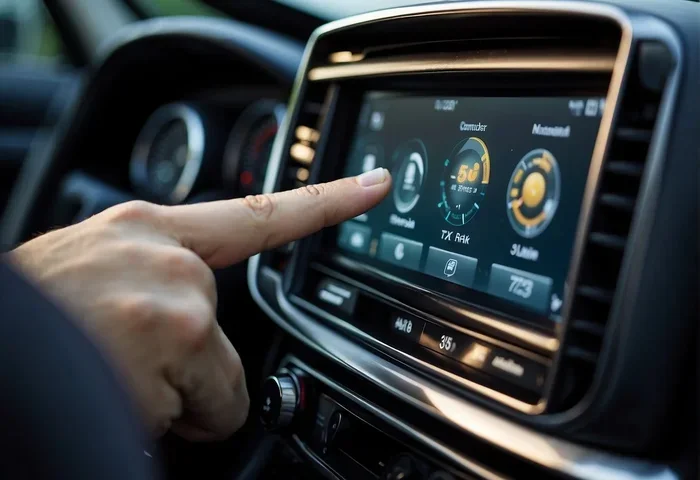
Some vehicles have a dedicated reset button for the dashboard engine management light. This button is often located near the instrument cluster or on the steering column. Consult your owner’s manual to find the exact location and procedure. The process typically involves pressing and holding the button while turning the ignition on and off in a specific sequence.
Common Mistakes When Resetting the Engine Management Light
Resetting the light sounds simple, but mistakes happen. Here are the most common errors car owners make:
Clearing Codes Without Fixing the Problem
This is the biggest mistake people make. Clearing the fault code without addressing the underlying issue is like putting a bandage on a wound without cleaning it. The light will return, often within minutes or miles of driving. Always diagnose the problem first, fix it, and then reset the light.
Ignoring the Light for Too Long
Some drivers see the engine management light and simply ignore it. They hope it will go away on its own. While a loose fuel cap might fix itself after you tighten it, most issues will not resolve without attention. Delaying repairs can turn a $50 fix into a $500 repair.
Using the Wrong Reset Method
Not every method works on every vehicle. Disconnecting the battery on a modern car with complex electronics can cause unintended consequences. Always check your owner’s manual or consult a professional before trying a reset method you are unsure about.
Buying a Cheap, Incompatible Scanner
Not all OBD-II scanners are created equal. A cheap scanner might not read codes for your specific vehicle model. Invest in a quality scanner that supports your car’s make, model, and year. Look for scanners that are compatible with both standard and manufacturer-specific codes.
Driving with the Light Flashing
A steady check engine light usually indicates a less urgent issue. But if the light is flashing, it signals a serious problem, often related to the catalytic converter or engine misfire. Do not drive far with a flashing light. Pull over safely and seek professional help immediately.
When Should You See a Professional Mechanic?
Resetting the engine management light at home is great for minor issues. However, some situations require a professional mechanic’s expertise. Here are signs you should visit a repair shop:
- The dashboard warning light returns immediately after you reset it.
- The light is flashing rather than staying steady.
- You notice a significant drop in engine performance or fuel economy.
- Your car makes unusual noises like knocking, ticking, or grinding.
- You see smoke coming from the exhaust pipe.
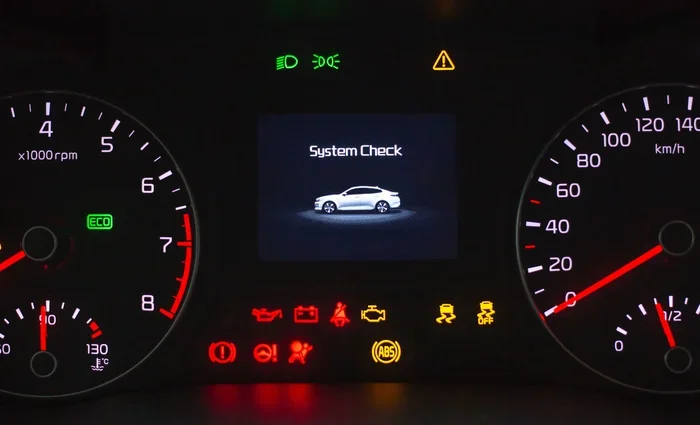
- The check engine light appears alongside other warning lights like the oil pressure or temperature gauge.
- You have tried resetting the light multiple times and it keeps coming back.
A professional mechanic has access to advanced diagnostic equipment that can read manufacturer-specific codes. They can also perform live data tests to monitor sensors in real time. This level of diagnosis goes beyond what a basic OBD-II scanner can do. If the problem is complex, investing in a professional diagnosis saves money in the long run.
How to Choose a Reliable Mechanic
When selecting a mechanic, look for ASE-certified technicians who specialize in your vehicle’s brand. Read online reviews and ask friends or family for recommendations. A good mechanic will explain the problem clearly, show you the fault codes, and provide a detailed estimate before starting any work. Never feel pressured to approve repairs you do not understand.
Preventing the Engine Management Light from Returning
Once you have successfully reset the engine management light, you want to keep it off. Regular car maintenance is the best way to prevent the light from coming back. Here are some practical tips:
Perform Regular Vehicle Maintenance
Follow your manufacturer’s recommended maintenance schedule. Change your oil on time, replace air filters regularly, and keep up with spark plug replacements. Routine maintenance keeps all sensors and systems working properly.
Check Your Fuel Cap Regularly
A loose fuel cap is one of the most common reasons the check engine light appears. After every fill-up, make sure the cap is tightened until you hear it click. Replace the cap if it shows signs of wear, cracking, or damage.
Use Quality Fuel and Fluids
Low-quality fuel can cause emission problems that trigger the engine management light. Always use the fuel grade recommended by your vehicle manufacturer. Similarly, use the correct type of engine oil and coolant to keep all systems running smoothly.
Monitor Dashboard Warning Lights
Do not ignore any warning lights on your dashboard. Even small symbols can indicate developing problems. The sooner you address an issue, the simpler and cheaper the repair will be.
Keep Your OBD-II Scanner Handy
Owning a personal OBD-II scanner is one of the best investments a car owner can make. It allows you to check for codes anytime, even before the light comes on. Some scanners can predict potential problems by monitoring sensor trends. This proactive approach helps you stay ahead of issues.
Understanding Diagnostic Trouble Codes
When your OBD-II scanner reads a diagnostic trouble code, it gives you a letter followed by four numbers. The letter tells you the general category of the problem:
- P codes: Powertrain issues, including engine and transmission problems.
- B codes: Body issues, such as air conditioning or safety systems.
- C codes: Chassis issues, including braking and suspension systems.
- U codes: Network communication issues between different control modules.
The first number after the letter tells you whether it is a generic code (0) or manufacturer-specific (1, 2, or 3). The second and third numbers narrow down the specific system affected. The fourth number identifies the exact component or parameter. For example, a code P0171 means there is a fuel system lean condition in the bank one sensor.
Understanding these codes helps you communicate better with mechanics. It also empowers you to fix simple issues yourself, saving time and money.
How the Engine Control Unit (ECU) Works
Your car’s engine control unit is the brain behind the engine management light. The ECU constantly monitors sensors throughout the engine and emission system. It adjusts fuel injection, ignition timing, and airflow based on real-time data. When the ECU detects a problem it cannot correct, it stores a fault code and illuminates the warning light.
The ECU also has adaptive learning capabilities. Over time, it adjusts to your driving habits, fuel quality, and environmental conditions. When you disconnect the battery or clear codes, you reset these adaptations. This is why some cars run rough or have idle issues right after a reset. The ECU needs time to relearn its settings, which usually takes a few drive cycles.
Understanding how the ECU works helps you appreciate why proper diagnosis matters. Simply clearing codes without fixing the root cause does not solve the problem. The ECU will detect the issue again and trigger the engine management light once more.
Key Takeaways
- Simple Reset Methods: You can reset the engine management light using an OBD-II scanner, disconnecting the battery, or cycling the ignition key.
- Underlying Causes Matter: The light usually signals a real problem like a loose fuel cap, faulty sensor, or emission issue that needs attention first.
- Right Tools Help: An OBD-II scanner or code reader is the most reliable way to diagnose and clear fault codes.
- Avoid Common Mistakes: Never ignore the light, clear codes without fixing the problem, or disconnect the battery on modern vehicles.
- Safety First: Always check your owner’s manual and follow manufacturer-specific reset procedures.
- Professional Help Is Smart: When in doubt, visit a trusted mechanic to diagnose and resolve the issue properly.
Frequently Asked Questions
Can I drive my car with the engine management light on?
You can usually drive a short distance if the light is steady and the car runs normally. However, a steady light means there is an underlying issue that needs attention. If the light is flashing, stop driving immediately and seek professional help, as a flashing light often indicates a serious engine misfire that can damage the catalytic converter.
How much does it cost to reset the engine management light?
If you use your own OBD-II scanner, the cost is zero for the reset itself. Most basic scanners cost between $20 and $50, which you can use repeatedly. If you visit a mechanic or auto parts store for a diagnosis and reset, expect to pay between $50 and $150 depending on your location and the complexity of the diagnostic.
Will resetting the engine management light clear all fault codes?
Yes, a proper reset using an OBD-II scanner will clear all stored fault codes from the engine control unit. However, pending codes may remain in the system and can become active again if the underlying problem is not fixed. After a reset, drive your car for a few cycles to see if the light returns, which would indicate an unresolved issue.
How long does it take to reset the engine management light?
The actual reset process takes only a few minutes with an OBD-II scanner. However, if you need to diagnose and fix the underlying problem first, the total time depends on the issue. A loose fuel cap might take two minutes to fix, while a faulty oxygen sensor could take an hour or more to replace.
Does resetting the light delete my car’s computer data?
Resetting the engine management light clears fault codes and adaptive fuel trim data stored in the ECU. It does not delete other important data like radio presets, power window settings, or your car’s overall programming. The ECU will gradually relearn its adaptive values as you continue driving normally.
What should I do if the engine management light comes back after resetting?
If the light returns after a reset, the underlying problem has not been fully resolved. Go back to your OBD-II scanner and read the codes again. Address the specific issue the codes point to. If you cannot identify or fix the problem, take your vehicle to a qualified mechanic for a thorough diagnosis before the issue worsens and becomes more expensive to repair.
Conclusion
Resetting your dashboard engine management light is a skill every car owner should have. Whether you use an OBD-II scanner, disconnect the battery, or cycle the ignition key, the process is manageable with the right approach. The key is to never just clear the light and forget about it. Always diagnose the underlying problem first and fix it properly.
Your car’s check engine light is there to protect you and your vehicle. It alerts you to issues that, if left unaddressed, can lead to costly repairs and poor performance. By following the steps in this guide, you take control of your car’s maintenance and keep it running at its best.
Keep your tools ready, stay proactive with vehicle maintenance, and never ignore what your dashboard is trying to tell you. A well-maintained car is a reliable car, and a well-informed owner is a confident driver. Take action today, reset that light the right way, and enjoy the peace of mind that comes with knowing your vehicle is in top shape.