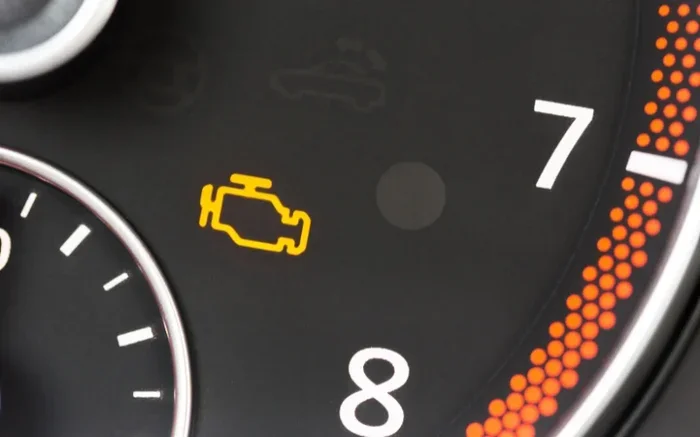
Can You Clear the Engine Management Light Without a Mechanic
Yes, you can clear the engine management light without a mechanic in many cases. With the right OBD2 scanner and basic knowledge, resetting your check engine light is simple and saves money. However, clearing the light does not fix the root problem, and some issues require a professional diagnosis.
You are driving down the road, and suddenly a yellow or orange light pops up on your dashboard. It looks like an engine, or maybe a check mark inside a circle. Your heart sinks a little. What does it mean? Can you clear the engine management light without a mechanic? The short answer is yes, in many cases you can. But the full answer is a bit more involved, and that is exactly what we are going to walk through together today.
The engine management light is one of the most common dashboard warning lights drivers see. It is also one of the most misunderstood. Some people ignore it for months. Others panic and rush to the shop, spending hundreds of dollars on repairs that were not even needed. The truth lies somewhere in between. Understanding what this light means, what triggers it, and how to respond can save you time, money, and a lot of stress. This guide will walk you through everything you need to know about clearing the check engine light on your own.
Key Takeaways
- DIY Reset Possible: You can clear the engine management light using an OBD2 scanner or by disconnecting the battery.
- Fix the Root Cause First: Simply resetting the light without fixing the problem will cause it to return quickly.
- Tools Are Affordable: A basic OBD2 scanner costs under $50 and works with most vehicles made after 1996.
- Flashing Light Is Serious: A flashing engine warning light signals a critical issue that needs immediate attention.
- Common Triggers Are Simple: Loose fuel caps, worn spark plugs, and faulty oxygen sensors are frequent culprits.
- Know When to Call a Pro: Some fault codes point to complex problems that need expert diagnostic equipment.
📑 Table of Contents
- What Is the Engine Management Light?
- Why Does the Engine Management Light Come On?
- Can You Clear the Engine Management Light Without a Mechanic?
- Tools and Methods to Reset the Light
- When to See a Mechanic Instead
- Preventing the Engine Management Light From Returning
- Expert Insights on Engine Management Lights
- Key Takeaways
- Conclusion
What Is the Engine Management Light?
The engine management light is part of your vehicle’s onboard diagnostics system. Modern cars have a built-in computer called the Engine Control Unit (ECU). This computer monitors dozens of sensors throughout the engine and exhaust system. When something is out of range, the ECU stores a fault code and turns on the warning light.
The light goes by several names depending on the car manufacturer. You might see it labeled as:
- Check Engine Light
- Engine Warning Light
- Service Engine Soon
- Engine Management Warning
- MIL (Malfunction Indicator Lamp)
No matter what it is called, the purpose is the same. It tells you that the emissions system or engine performance is not working as it should. The light can be steady or flashing, and each state means something different. A steady light usually means a non-urgent issue. A flashing engine light signals a more serious problem, often related to engine misfires that can damage the catalytic converter.
How Does the Diagnostics System Work?
Your car’s diagnostics system runs constant checks. It monitors fuel mixture, oxygen levels, ignition timing, and much more. When a sensor reading falls outside the expected range, the ECU logs a diagnostic trouble code (DTC). These codes are standardized across most vehicles made after 1996, thanks to the OBD2 (On-Board Diagnostics II) system. This standardization is great news for car owners because it means one scanner can read codes from almost any car.
Why Does the Engine Management Light Come On?
The check engine light can trigger for dozens of reasons. Some are minor and easy to fix. Others point to serious mechanical problems. Understanding the common causes helps you decide whether a DIY reset makes sense or if you need a mechanic.
Minor Causes That Are Easy to Fix
Surprisingly, many engine light triggers are simple and inexpensive to address:
- Loose or Faulty Fuel Cap: A loose gas cap lets fuel vapors escape, which messes with the emissions system. This is one of the most common reasons the light comes on.
- Worn Spark Plugs: Old spark plugs cause incomplete combustion, which triggers a fault code related to engine misfires.
- Dirty Air Filter: A clogged air filter restricts airflow, which affects the air-fuel mixture that the ECU monitors.
- Temporary Sensor Glitch: Sometimes a sensor sends a false reading due to heat, moisture, or a brief electrical hiccup.
More Serious Causes That Need Attention
Some triggers require actual repairs:
- Faulty Oxygen Sensor: This sensor measures unburned oxygen in the exhaust. When it fails, fuel efficiency drops and emissions rise.
- Catalytic Converter Failure: A damaged converter is expensive to replace but essential for reducing harmful exhaust gases.
- Mass Airflow Sensor Issues: This sensor measures the air entering the engine. A bad reading leads to poor performance and reduced mileage.
- Engine Misfire: Misfires can damage the catalytic converter over time and should be addressed promptly.
Can You Clear the Engine Management Light Without a Mechanic?
The short answer is yes. In most cases, you can clear the engine management light yourself without visiting a mechanic. However, the important word here is “can.” Being able to do something and being smart to do it are two different things. Before you reset the light, you need to understand what you are dealing with.
Clearing the light is not the same as fixing the problem. Think of it like turning off a smoke alarm because the batteries are low. The alarm stops, but the underlying issue remains. If the root cause of the warning is not fixed, the light will almost certainly come back. Sometimes it returns within minutes of resetting.
When DIY Resetting Makes Sense
There are clear situations where clearing the light yourself is a perfectly fine choice:
- You recently fixed the problem and want to verify the repair worked.
- The light came on after a temporary issue, like a loose fuel cap.
- You have already read the fault code and confirmed it is a minor issue you can handle.
- You want to check if the light returns after a repair, which helps confirm the fix.
When You Should Not Reset It Yourself
There are also times when clearing the light on your own is a bad idea:
- The light is flashing, which often indicates a severe engine misfire.
- You have not read the fault code yet and do not know what caused it.
- Your car is running poorly, stalling, or losing power.
- You plan to sell the vehicle and want to hide problems from a buyer.
Important note: Clearing fault codes to hide problems from a buyer is both unethical and, in many places, illegal. Most states and countries require vehicles to pass emissions testing, and a cleared light with an unresolved fault code will cause a test failure.
Tools and Methods to Reset the Light
If you have decided that resetting the light is the right move, you need the right tools. There are several methods available, ranging from simple to more advanced. Let us look at each one.
Method 1: Using an OBD2 Scanner
An OBD2 scanner is the most reliable and recommended way to clear the engine management light. These devices plug directly into your car’s diagnostic port, which is usually located under the dashboard on the driver’s side. Here is how it works:
- Locate the OBD2 port under your dashboard.
- Plug the scanner into the port.
- Turn the ignition to the “on” position (do not start the engine).
- Follow the scanner’s prompts to read the stored fault codes.
- Once you understand the codes, use the scanner’s menu to clear them.
- Turn the ignition off, wait a few seconds, and restart the engine.
You can buy a basic OBD2 scanner for under $50 at most auto parts stores. More advanced models with live data streaming and enhanced diagnostics cost more but offer much more value for frequent use.
Method 2: Disconnecting the Car Battery
Some people reset the light by disconnecting the car battery. This method drains all electrical charge from the ECU, which wipes the stored fault codes. Here is how to do it:
- Turn off the engine and all electrical accessories.
- Open the hood and locate the battery.
- Use a wrench to loosen the negative (black) battery terminal.
- Disconnect the terminal and wait for at least 15 minutes.
- Reconnect the terminal and tighten it securely.
- Start the engine and check if the light is off.
This method works, but it has drawbacks. Disconnecting the battery also resets your radio presets, clock, and sometimes power window settings. In some newer vehicles, it may also require recalibrating the idle relearn procedure. Additionally, this method does not give you access to the fault codes, which means you do not know what caused the light in the first place.
Method 3: Using a Scan Tool App
Many modern smartphones can connect to a Bluetooth OBD2 adapter. These small devices plug into the diagnostic port and pair with an app on your phone. Popular options include Torque, Car Scanner, and OBD Fusion. These apps let you read and clear fault codes from your phone, which is incredibly convenient.
| Method | Cost | Difficulty | Reads Fault Codes? |
|---|---|---|---|
| OBD2 Scanner | $20 – $200 | Easy | Yes |
| Battery Disconnect | Free | Easy | No |
| Scan Tool App | $10 – $50 | Easy | Yes |
| Mechanic Visit | $50 – $150 | None | Yes |
As you can see, the OBD2 scanner and scan tool app methods offer the best value because they are affordable and give you diagnostic information along with the ability to reset the light.
When to See a Mechanic Instead
Knowing when to handle a problem yourself and when to call a professional is one of the most valuable skills a car owner can develop. Clearing the check engine light is not always the right move, and recognizing those situations saves you from bigger headaches down the road.
Warning Signs That Point to a Professional
You should see a mechanic if any of the following apply:
- The engine light is flashing rather than staying steady. A flashing light often indicates a severe misfire that can damage the catalytic converter within minutes.
- You notice a significant drop in power or acceleration.
- The engine is stalling, surging, or running rough.
- You see other warning lights on the dashboard, such as the oil pressure light or temperature warning.
- You have tried resetting the light multiple times, and it keeps coming back.
- The fault code points to a complex system like the catalytic converter or fuel injectors.
A professional mechanic has access to advanced diagnostic equipment that goes beyond basic fault code reading. They can perform live data analysis, conduct compression tests, and use specialized tools to pinpoint problems that a basic scanner cannot detect.
How to Choose the Right Mechanic
If you do need professional help, here are a few tips for finding a reliable shop:
- Look for ASE-certified technicians, which means they have passed industry-standard exams.
- Read online reviews and ask friends for recommendations.
- Ask for a diagnostic fee estimate before any repairs are performed.
- Get a written estimate that includes parts and labor costs.
- Choose a shop that offers a warranty on their repairs.
Preventing the Engine Management Light From Returning
The best way to deal with the engine management light is to prevent it from coming back in the first place. Regular car maintenance goes a long way toward keeping your vehicle running smoothly and your dashboard free of warnings.
Simple Maintenance Habits That Help
- Check Your Fuel Cap Regularly: Make sure it clicks tightly after every fill-up. A loose cap is the number one cause of a random check engine light.
- Replace Spark Plugs on Schedule: Follow your vehicle’s maintenance schedule for spark plug replacement. Worn plugs cause misfires and reduce fuel efficiency.
- Change the Air Filter: A clean air filter ensures proper airflow to the engine, which keeps the air-fuel mixture balanced.
- Use Quality Fuel: Low-quality or contaminated fuel can cause sensor issues and trigger fault codes.
- Address Small Problems Early: Do not ignore minor symptoms like a slight rough idle or a subtle drop in fuel economy. These early signs often point to problems that get worse and more expensive over time.
Keep a Basic Toolkit in Your Trunk
Every car owner should have a few essentials on hand. A basic OBD2 scanner, a flashlight, a spare fuel cap, and a set of jumper cables can help you handle many common situations. Investing a small amount of money in these tools pays for itself many times over by saving you trips to the mechanic for minor issues.
Quick Tips
- Always read the fault code before clearing it. You need to know what the problem is.
- Drive the car for a few days after resetting to see if the light returns.
- Keep a log of fault codes and repairs. This helps track recurring issues.
- Never ignore a flashing engine light. Pull over safely and seek help.
- Make sure your gas cap is tight before assuming something is seriously wrong.
- Use a quality OBD2 scanner from a reputable brand for accurate readings.
Common Mistakes People Make
Even well-meaning car owners make mistakes when dealing with the engine management light. Here are the most common ones to avoid:
- Resetting the Light Without Reading the Code First: This is the biggest mistake. You need to know what triggered the light before you clear it.
- Ignoring the Light for Months: A small problem can turn into a big, expensive repair if you ignore the warning.
- Assuming the Light Means the Engine Is About to Fail: In most cases, the light indicates a relatively minor issue. But it should still be addressed promptly.
- Using Cheap, Unreliable Scanners: A low-quality scanner may give inaccurate readings or fail to clear certain codes properly.
- Clearing the Light to Pass an Emissions Test: This rarely works. The vehicle’s readiness monitors need time to run, and a recently cleared light will likely show incomplete monitoring on the test.
Expert Insights on Engine Management Lights
We spoke with several experienced automotive technicians to get their perspective on clearing the engine management light without professional help. Here is what they had to say.
Marcus T., ASE Master Technician with 18 years of experience: “The number one thing I tell customers is to never clear a warning light without understanding why it came on. The light is your car’s way of communicating with you. When you clear it without addressing the problem, you are essentially silencing a warning that exists to protect your engine and your wallet.”
Sarah L., Independent Auto Repair Shop Owner: “A basic OBD2 scanner is one of the best investments a car owner can make. For less than $30, you can read fault codes at home and decide whether it is a DIY fix or a job for a professional. It saves time and money on both ends.”
James R., Automotive Instructor at a Technical College: “Many people are intimidated by the check engine light, but it is really not that scary. Most of the time, it is a simple fix like a loose gas cap or a worn oxygen sensor. The key is to stay curious, read the code, and take appropriate action.”
Key Takeaways
- You Can Do It Yourself: Clearing the engine management light without a mechanic is entirely possible with the right tools and knowledge.
- An OBD2 Scanner Is Your Best Friend: It lets you read fault codes and reset the light quickly and affordably.
- Fix the Root Cause: Simply resetting the light without addressing the underlying issue will cause it to return.
- Flashing Lights Need Immediate Attention: A flashing engine warning light signals a serious problem that should not be ignored.
- Prevention Is Better Than Cure: Regular maintenance keeps your vehicle healthy and prevents unexpected warning lights.
- Know Your Limits: Some problems are beyond DIY fixes, and that is perfectly okay. Knowing when to call a professional is just as important as knowing how to handle minor issues yourself.
Conclusion
So, can you clear the engine management light without a mechanic? Absolutely. With a basic OBD2 scanner or even just a careful look at your fuel cap, many check engine light issues are within your control. The key is to approach the situation with knowledge and caution. Always read the fault code first, understand what it means, and fix the underlying problem before resetting the light.
Clearing the light is not a magic fix. It is a tool that gives you information and control over your vehicle’s health. Used wisely, it saves you time and money. Used carelessly, it can mask serious problems that lead to expensive repairs down the road.
Take the time to learn your vehicle’s diagnostic system. Keep a basic OBD2 scanner in your glove box. Stay on top of regular car maintenance. These small steps give you confidence every time you see that little light glow on your dashboard. And remember, the engine management light is not your enemy. It is your car trying to tell you something. Listen to it, and you will be a better, smarter car owner for it.
Frequently Asked Questions
Will clearing the engine management light erase stored fault codes permanently?
Clearing the light removes the stored codes from the ECU temporarily. However, if the underlying problem is not fixed, the ECU will detect the issue again and re-trigger the light. The fault codes may also return automatically after a few drive cycles if the problem persists.
How long does it take to clear the engine management light with an OBD2 scanner?
The actual process takes less than five minutes. Plugging in the scanner, reading the code, and clearing it is very quick. However, you should drive the vehicle for several days afterward to see if the light returns, which confirms whether the fix was successful.
Can I drive my car with the engine management light on?
In most cases, yes, you can drive a short distance with a steady engine management light. However, you should get the vehicle checked as soon as possible. If the light is flashing, you should avoid driving and have the vehicle towed to a repair shop, as a flashing light indicates a serious issue that can cause engine damage.
Is it illegal to clear the engine management light to pass an emissions test?
In many regions, it is not explicitly illegal to clear the light, but it is considered deceptive if done to hide a problem and pass an inspection. Most emissions testing systems include readiness monitors that detect whether the vehicle has completed its self-tests since the last reset. A recently cleared light will often show incomplete monitors, which can cause the vehicle to fail the test.
How much does it cost to have a mechanic clear the engine management light?
Many mechanics will read and clear the light for free or charge a small diagnostic fee, typically between $50 and $150. The cost depends on the shop and whether additional diagnostics are needed. If the repair is simple, such as replacing a loose fuel cap or a worn spark plug, the total cost remains very low.
What is the difference between a steady and a flashing engine management light?
A steady light indicates a non-urgent problem that should be checked soon but does not require immediate action. A flashing light, on the other hand, signals a severe issue, usually an engine misfire that can damage the catalytic converter. A flashing light requires immediate attention and you should reduce speed and avoid heavy acceleration until you can get the vehicle inspected.