How Long Will a Car Run If You Never Change the Oil
A car can run for a limited time without an oil change, but the damage starts quickly. How Long Will a Car Run If You Never Change the Oil? depends on driving habits, oil type, and engine condition. Skipping this vital maintenance leads to sludge, overheating, and eventual engine failure.
Have you ever wondered what happens inside your car’s engine when you skip an oil change? It is easy to ignore the little sticker on your windshield or the reminder on your phone. But oil is the lifeblood of your engine. Without it, your car will grind to a halt much sooner than you think. How Long Will a Car Run If You Never Change the Oil? is a question many drivers ask when they are tempted to push the next service date a little further.
The short answer is that a car cannot run forever without fresh oil. The long answer depends on several factors, including the type of oil you use, how hard you drive, and the age of your engine. In this guide, we will walk through exactly what happens when oil goes unchanged, the real mileage limits you can expect, and the warning signs that mean your engine is crying for help. By the end, you will know exactly why staying on top of oil changes is the smartest thing you can do for your vehicle.
Key Takeaways
- Oil is the lifeblood of your engine: It lubricates, cools, and cleans internal parts. Without fresh oil, metal parts grind and overheat.
- There is no safe forever: Even the best synthetic oil breaks down over time. No car can run indefinitely without an oil change.
- Warning signs appear early: Dark, gritty oil, engine noise, and dashboard lights tell you the oil is spent.
- Synthetic oil lasts longer: It can go 10,000 to 15,000 miles between changes, while conventional oil often needs it at 5,000 miles.
- Neglect is expensive: A seized engine can cost thousands to repair or replace. A routine oil change costs a fraction of that.
- Modern cars have oil life monitors: They track driving conditions and tell you exactly when to change the oil.
- You can prevent major damage: Staying on top of oil changes is the cheapest and easiest car maintenance task.
📑 Table of Contents
What Happens When You Skip Oil Changes?
The Purpose of Engine Oil
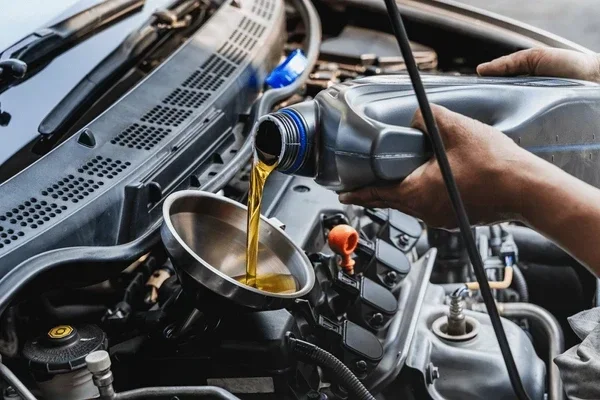
Engine oil does three critical jobs. First, it lubricates all the moving metal parts inside your engine. Pistons, crankshafts, and camshafts spin and slide at incredible speeds. Without a thin layer of oil between them, metal would grind against metal. Second, oil cools the engine by carrying heat away from hot spots. Third, it cleans the engine by suspending dirt and combustion byproducts. Fresh oil keeps everything running smoothly. Old oil loses its ability to do all three jobs.
The Slow Build of Damage
When you skip an oil change, the oil begins to break down. Heat and oxygen cause the oil to oxidize. Additives that fight wear and sludge start to deplete. Contaminants like fuel, water, and soot build up. Over time, the oil turns into a thick, dark sludge. This sludge cannot flow properly through narrow passages. It clogs the oil filter and starves critical engine components of lubrication. The result is increased friction, excessive heat, and accelerated engine wear. A car that could have lasted 200,000 miles might die at 80,000 miles because of neglected oil changes.
How Long Will a Car Run If You Never Change the Oil?
Mileage Estimates for Different Oil Types
The real-world answer to How Long Will a Car Run If You Never Change the Oil varies widely. Here is a general breakdown based on oil type and driving conditions:
- Conventional oil: Most mechanics recommend changing it every 3,000 to 5,000 miles. If you push it to 7,500 miles or more, the oil will be severely degraded. The engine might survive up to 100,000 miles without a change, but it will likely suffer heavy wear and possible sludge buildup.
- Synthetic blend oil: This lasts longer than conventional oil. It can go 5,000 to 7,500 miles between changes. Running it beyond 10,000 miles is risky. An engine might limp along for 120,000 miles, but internal damage will be significant.
- Full synthetic oil: High-quality synthetic oil can last 7,500 to 15,000 miles or more. Even so, no manufacturer recommends going forever. Some cars with synthetic oil might reach 150,000 miles without an oil change, but the engine will be under stress, and the oil will eventually lose its protective properties.
Remember, these are estimates for cars driven under normal conditions. Harsh driving shortens oil life dramatically.
Factors That Shorten or Extend Oil Life
Several factors determine how fast your oil degrades. Driving in stop-and-go traffic, towing heavy loads, or operating in extreme heat or cold all stress the oil. Short trips where the engine never fully warms up cause moisture to build up in the oil. On the other hand, gentle highway driving with a clean oil filter can stretch oil life a bit. But no factor makes oil last forever. The oil will eventually lose its viscosity and protective additives.
The Warning Signs Your Engine Oil Is Gone Bad
Visual Cues and Sounds
Your car will tell you when the oil is in trouble. Look for these clear signs:
- Dark, gritty oil: Fresh oil is amber or brown and translucent. If you pull the dipstick and the oil looks black or brown and feels gritty, it is past its prime.
- Engine knocking or ticking: Low oil pressure means the engine parts are not getting proper lubrication. You may hear a metallic tapping or knocking sound, especially when idling.
- Burning oil smell: Oil that has broken down can leak onto hot engine parts and produce a sharp, burnt smell.
- Exhaust smoke: Blue or gray smoke from the tailpipe can mean oil is burning inside the combustion chamber.
Dashboard Alerts
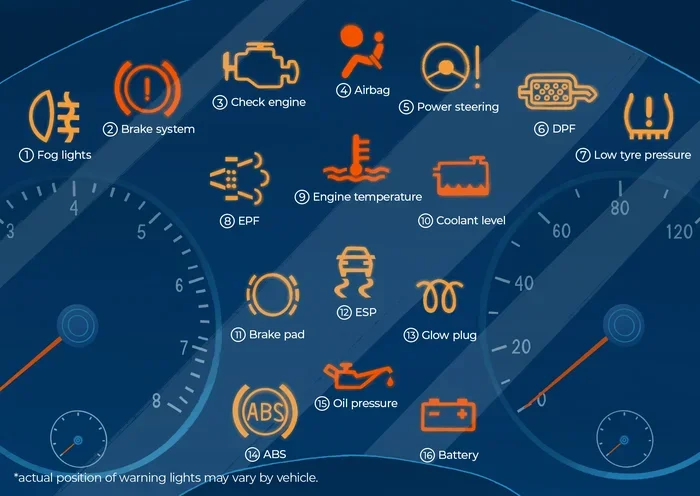
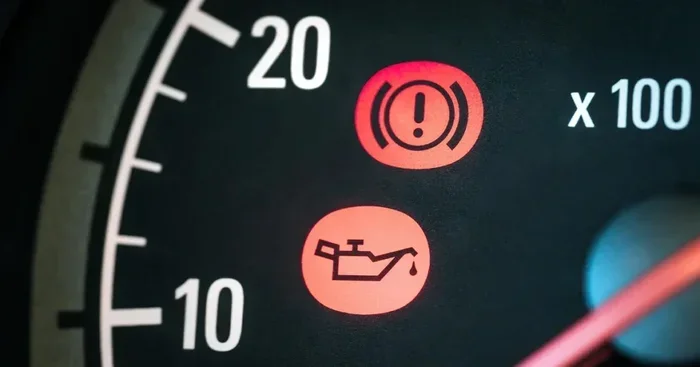
Never ignore the oil pressure warning light. It looks like an old oil can symbol. If it comes on, pull over safely and check the oil level immediately. Many modern cars also have an oil life monitoring system that displays a percentage. When it drops to 0%, the oil is completely spent and needs replacement. Resetting the system without adding fresh oil is a dangerous mistake.
Synthetic vs. Conventional Oil: Which Lasts Longer?
Synthetic Oil Longevity
Synthetic oil is engineered in a lab to provide superior protection. It resists thermal breakdown and oxidation better than conventional oil. It flows smoothly in cold weather and maintains its viscosity at high temperatures. Most synthetic oils can go 7,500 to 15,000 miles between changes. Some high-mileage synthetic oils are designed for engines with over 75,000 miles and offer extra seal conditioning.
Conventional Oil Longevity
Conventional oil is refined directly from crude oil. It is cheaper but breaks down faster. It typically needs replacement every 3,000 to 5,000 miles. If you use conventional oil and never change it, the oil will turn to sludge much faster than synthetic oil would.
Comparison Table: Oil Types and Change Intervals
| Oil Type | Typical Change Interval | Max Safe Mileage Without Change | Engine Protection Level |
|---|---|---|---|
| Conventional | 3,000 – 5,000 miles | 7,500 miles | Basic |
| Synthetic Blend | 5,000 – 7,500 miles | 10,000 miles | Good |
| Full Synthetic | 7,500 – 15,000 miles | 15,000 miles | Excellent |
Even the longest-lasting synthetic oil cannot protect an engine forever. The additives deplete, and contamination accumulates. Regular oil changes are still essential.
The Real Cost of Never Changing Your Oil
Repair Bills vs. Oil Change Cost
A routine oil change costs between $35 and $75 for most cars. Synthetic oil changes run $65 to $125. Compare that to the cost of an engine rebuild or replacement. A seized engine can cost $3,000 to $7,000 or more. If the damage is severe, you might need a whole new engine. The math is simple: skipping oil changes to save a little money can cost you thousands later.
Long-Term Engine Damage
When oil breaks down, it loses its ability to reduce friction. Metal parts wear out faster. The oil pressure drops, and the engine overheats. Overheating warps cylinder heads and blows head gaskets. Sludge blocks oil passages and starves the lubrication system. In the worst case, the engine seizes completely. A seized engine means the car is dead and likely needs a full engine swap. All of this can be avoided with timely oil changes.
Common Mistakes People Make
Many drivers make mistakes that accelerate engine wear. Here are a few to avoid:
- Ignoring the oil change reminder: The dashboard light is there for a reason. Reset it only after you have added fresh oil and a new filter.
- Overfilling the oil: Too much oil can foam and lose its lubricating ability. It can also damage the catalytic converter.
- Using the wrong oil: Always follow the manufacturer’s recommendation in the owner’s manual. Using the wrong viscosity can lead to poor lubrication.
- Never checking the oil level: Oil can burn off slowly or leak without you noticing. Check the dipstick at least once a month.
How Often Should You Actually Change Your Oil?
Modern Oil Life Monitoring Systems
Most new cars have an oil life monitoring system that tracks your driving habits. It considers factors like engine temperature, trip length, and rpm. The system calculates when the oil is actually worn out, rather than just counting miles. When the system says it is time for a change, trust it. These systems are designed to give you the most accurate interval for your specific driving conditions.
Quick Tips for Staying on Track
Here are simple ways to make sure you never miss an oil change:
- Set a reminder on your phone or calendar for every 5,000 miles or six months, whichever comes first.
- Keep a log of your oil changes in the glovebox or a phone app.
- Check the oil level every time you fill up with gas.
- Use a reputable brand of oil and a quality oil filter.
- If you drive in severe conditions—towing, extreme heat, or frequent short trips—shorten your oil change interval by 20 percent.
What the Experts Say
Most certified mechanics agree that changing your oil on time is the single most important thing you can do for your car’s longevity. They often say, “Oil is cheap; engines are expensive.” A few minutes and a small investment now can prevent a major breakdown later. If you are ever unsure about the right oil or interval for your vehicle, consult your owner’s manual or a trusted local mechanic.
Conclusion
The answer to How Long Will a Car Run If You Never Change the Oil is simple: not as long as it should. Every car needs fresh oil to protect the engine from wear, heat, and sludge. Whether you use conventional or synthetic oil, the oil will eventually break down and lose its effectiveness. Ignoring oil changes leads to costly repairs, reduced performance, and a shorter life for your vehicle. Stay proactive. Check your oil regularly, follow the recommended oil change interval, and your car will reward you with reliable service for years to come. Do not wait for warning signs to appear. Take control of your car maintenance today, and your engine will thank you tomorrow.
Frequently Asked Questions
Can I just add oil instead of changing it?
Adding oil temporarily raises the level, but it does not remove contaminants or replenish depleted additives. Old oil mixed with new oil still contains sludge and metal particles. You must drain the old oil and install a fresh filter to properly maintain your engine.
What happens if I drive with low oil pressure?
Low oil pressure means the engine is not getting enough lubrication. This causes increased friction, overheating, and rapid wear of internal parts. Driving with low oil pressure can lead to a seized engine in a matter of minutes.
Does synthetic oil really last 15,000 miles?
Some synthetic oils can last up to 15,000 miles under ideal driving conditions. However, most manufacturers still recommend changing synthetic oil every 7,500 to 10,000 miles for optimal protection. Harsh driving conditions shorten this interval.
How can I tell if my oil is dirty?
Pull out the dipstick and wipe it with a clean cloth. Look at the color and texture. Fresh oil is amber and smooth. Dark brown or black oil that feels gritty or thick needs to be changed immediately.
Is it bad to change oil too often?
Changing oil more frequently than recommended does not harm the engine. It is always better to have too much fresh oil than too little. However, following the manufacturer’s recommended interval is the most cost-effective approach.
What is the difference between oil change intervals for normal and severe service?
Normal service involves steady highway driving with moderate temperatures. Severe service includes frequent short trips, towing, idling for long periods, or driving in extreme heat or cold. Severe service requires more frequent oil changes because the oil degrades faster under these conditions.