Can You Get Your Engine Light Turned Off Right Now
Yes, you can get your engine light turned off, but the real question is whether you should. This guide walks you through every method, from a simple loose gas cap to a professional diagnostic scan. You’ll learn how to safely reset the light, what common fault codes mean, and when ignoring the warning could cost you thousands. Engine light turned off might be easy, but understanding why it came on is the key to protecting your car.
You’re driving to work when a yellow or orange glow appears on your dashboard. The check engine light is on. Your mind races: Can you get your engine light turned off right now? The short answer is yes, but the longer answer matters more.
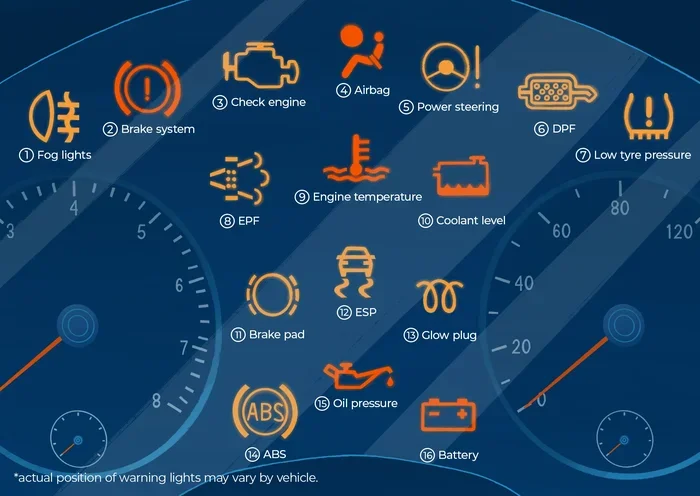
That little symbol is your car’s way of talking to you. It uses a network of sensors to detect problems in the engine, emissions system, or fuel delivery. When something is off, it triggers a fault code and lights up the dashboard. Many people panic, but understanding what’s happening can save you time, money, and stress.
In this guide, I’ll show you exactly how to reset the light, what the most common causes are, and whether it’s safe to keep driving. You’ll learn simple tricks you can try at home and know when a mechanic is the better choice. Let’s dive in.
Key Takeaways
- You can turn off the light: A loose gas cap or a quick OBD-II scan can often reset it.
- Don’t ignore the cause: The light returns if the underlying problem isn’t fixed.
- DIY methods have risks: Disconnecting the battery can erase learned settings and throw other codes.
- Professional diagnostics are safest: A mechanic can read fault codes and fix the real issue.
- Flashing light means stop driving: A flashing check engine light signals a serious misfire that can damage the catalytic converter.
- Prevention is simple: Regular maintenance and a tight gas cap keep the light off.
📑 Table of Contents
What Does the Check Engine Light Actually Mean?
The check engine light is part of your vehicle’s onboard diagnostics system. This system, often called OBD-II, monitors dozens of sensors. If a sensor reading falls outside the normal range, the computer stores a diagnostic trouble code, or DTC. That’s what triggers the light.
Not all check engine lights are the same. A solid light usually means a non-emergency issue. A flashing light, however, signals a severe problem like a misfire that could damage the catalytic converter. Understanding the difference is crucial.
Solid vs. Flashing: What’s the Difference?
A solid check engine light gives you time to plan a visit. It often points to a loose gas cap or a failing oxygen sensor. A flashing light demands immediate attention. Pull over safely and get a tow if needed.
Can You Get Your Engine Light Turned Off Right Now?
Yes, you can get your engine light turned off using several methods. Some take seconds, others require a tool. But turning it off does not fix the problem. It simply clears the code and resets the light. If the root cause remains, the light will come back within days or even minutes.
Before you try anything, I want to be clear: turning off the light without fixing the issue is like removing a smoke alarm battery because it’s annoying. The alarm is trying to tell you something is wrong.
Method 1: Tighten the Gas Cap
This is the easiest and most common fix. A loose or cracked gas cap lets fuel vapors escape, which triggers the engine light turned off request. Simply twist the cap until it clicks three times. Drive for a few days, and the light often goes away on its own.
Method 2: Use an OBD-II Scanner
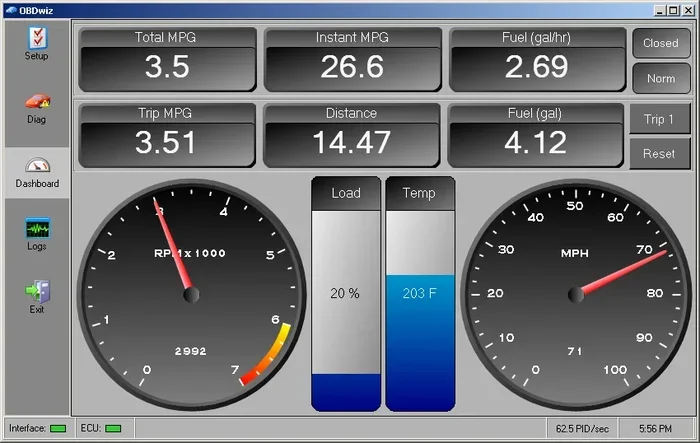
An OBD-II scanner plugs into the diagnostic port under your steering column. It reads the fault codes and can clear them. You can buy a basic scanner for under $30 or use a free app with a Bluetooth adapter. Once you clear the codes, the engine light turned off process is instant.
Method 3: Disconnect the Battery
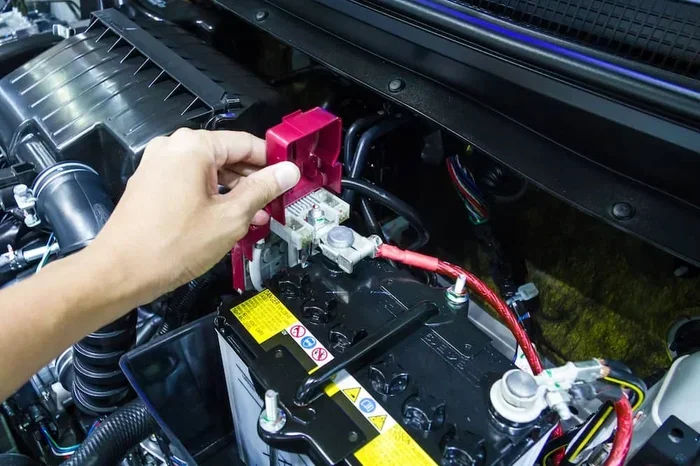
Some people turn the key off, disconnect the negative battery cable, wait 15 minutes, and reconnect. This resets the entire computer. It works, but it also erases radio presets, power window settings, and learned fuel trim values. Use this method only as a last resort.
DIY Reset Methods Compared
| Method | Difficulty | Cost | Risk Level |
|---|---|---|---|
| Tighten Gas Cap | Very Easy | Free | None |
| OBD-II Scanner | Easy | $20-$100 | Low |
| Disconnect Battery | Moderate | Free | Medium |
Quick Tips to Reset the Light Safely
- Always check the gas cap first. It’s free and takes five seconds.
- Write down the fault codes before clearing them. You’ll need them for a mechanic.
- Use a quality OBD-II scanner. Cheap ones sometimes fail to read manufacturer-specific codes.
- Drive for 50-100 miles after resetting. The computer needs time to re-evaluate all sensors.
Common Mistakes People Make
- Ignoring the light: The biggest mistake is covering the dashboard with a sock. The light is telling you something needs attention.
- Clearing codes without fixing the problem: The light will return, and you’ll waste money on repeated resets.
- Using cheap generic parts: A $10 oxygen sensor from a non-branded store might not work correctly and trigger the light again.
- Disconnecting the battery to pass an inspection: Inspectors can often read pending codes even after a battery disconnect.
Expert Insight: What Mechanics Wish You Knew
“Most people think the check engine light is just a nuisance,” says certified mechanic Mike Johnson. “But it’s actually a safety system. The computer is constantly adjusting fuel mixture, timing, and emissions. When it sees something wrong, it protects the engine by alerting you. A quick scan can save hundreds of dollars in the long run.”
Common Reasons the Light Comes On
Understanding why the light appeared helps you decide the best fix. Here are the top reasons drivers see their check engine light activate.
Loose or Faulty Gas Cap
A loose gas cap is the number one cause. The evaporative emissions system (EVAP) detects a leak and sets a code. Before you spend a dime, check the cap. Replace it if it’s cracked. This simple step turns off the light for many people.
Oxygen Sensor Failure
The oxygen sensor measures unburned oxygen in the exhaust. A bad sensor can reduce fuel economy and increase emissions. Replacing it often costs $100-$200. Ignoring it can damage the catalytic converter, which is a much bigger repair.
Catalytic Converter Issues
The catalytic converter cleans exhaust gases. It can fail from old age, oil leaks, or fuel contamination. A damaged converter triggers a serious code. Repair costs can range from $500 to $2,000. This is why you should never ignore the light.
Spark Plug or Ignition Coil Problems
Worn spark plugs or faulty ignition coils cause misfires. A misfire sends unburned fuel into the exhaust, which can overheat the catalytic converter. Replacing spark plugs is cheap, often under $50 for parts. Ignoring a misfire is expensive.
Mass Airflow Sensor (MAF) Issues
The MAF sensor tells the computer how much air enters the engine. A dirty or failing sensor causes poor acceleration and rough idling. Cleaning it with a special spray often solves the problem. Replacement costs around $100-$150.
Is It Safe to Drive with the Light On?
Safety depends on the light’s behavior and the underlying cause. A solid light with no other symptoms is usually okay for short trips. But you should get it checked soon.
However, if you notice any of these signs, stop driving and call for help:
- Flashing check engine light – indicates a misfire that can cause catalytic converter damage.
- Loss of power – the engine feels sluggish or won’t accelerate properly.
- Strange noises – knocking, pinging, or grinding sounds.
- Smoke or steam – from the hood or exhaust.
- High temperature gauge – the engine is overheating.
Even if the car feels fine, a hidden problem can worsen over time. A small sensor issue can turn into a major repair if left unchecked. The best practice is to address the engine light turned off situation by diagnosing the root cause first.
When to See a Mechanic Instead of DIY
DIY resets work great for simple issues like a loose gas cap. But some problems need professional tools and expertise. Here’s when you should skip the DIY route and visit a shop.
When the light flashes. A flashing engine light turned off attempt is dangerous. A flashing light means the engine is misfiring badly. Driving further could destroy the catalytic converter, which is a $1,000+ repair.
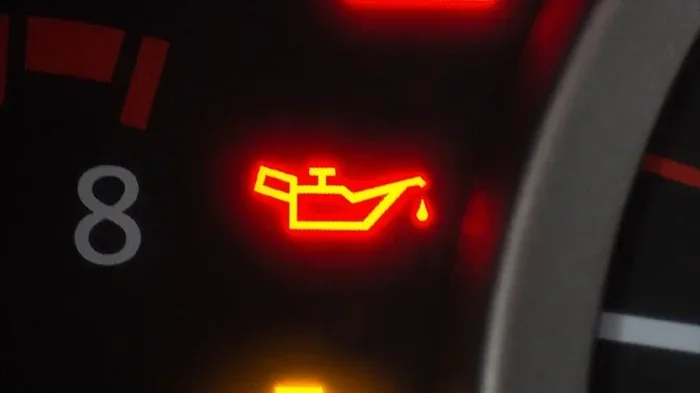
When you have multiple warning lights. If the check engine light comes with the oil pressure light or battery light, pull over immediately. These indicate critical failures, not a simple sensor glitch.
When you’ve already cleared the code twice. If the light returns after you reset it, the problem is real and persistent. A mechanic can run a full diagnostic and find the exact fault code, live data, and repair steps.
When you want to pass an emissions test. Many states require a functioning check engine light for inspection. A mechanic can clear the code, fix the issue, and verify the repair with a proper scan tool.
Quick Tip: Find a Trusted Shop
Look for ASE-certified mechanics. Ask friends for recommendations. Read online reviews. A good shop will explain the fault codes in plain language and give you a clear estimate before doing any work.
How to Prevent the Light from Coming Back
Once you’ve successfully turned off the light, you want it to stay off. Simple maintenance habits can prevent most check engine light issues.
- Check your gas cap regularly. Make sure it’s tight and in good condition.
- Follow the manufacturer’s service schedule. Regular oil changes and spark plug replacements keep the engine healthy.
- Use quality fuel. Bad gas can cause sensor faults and rough running.
- Address small issues early. A tiny vacuum leak today can become a major problem tomorrow.
- Keep your OBD-II scanner handy. A quick scan after a repair can confirm everything is working.
Taking these steps means you spend less time worrying about a glowing dashboard and more time enjoying your drive. A little prevention goes a long way toward keeping your car reliable and your engine light turned off for good.
Conclusion
So, can you get your engine light turned off right now? Absolutely. A simple gas cap twist or a quick scan can clear the light in minutes. But the real victory comes when you understand why it lit up in the first place.
Ignoring the warning can lead to costly repairs. Addressing it promptly keeps your car running safely and efficiently. Whether you handle it yourself or visit a mechanic, the goal is the same: a healthy engine and a dark dashboard.
Next time that yellow glow appears, you’ll know exactly what to do. Don’t fear the check engine light. Use it as a tool to keep your car in top shape.
Frequently Asked Questions
Can I drive with the check engine light on?
It depends on the light’s behavior. A solid light usually means you can drive a short distance to a repair shop. A flashing light means you should stop driving immediately and call for a tow. Flashing lights often indicate a misfire that can damage the catalytic converter.
How much does it cost to reset a check engine light?
Resetting the light itself is often free if you use an OBD-II scanner you already own. If you visit a parts store, many offer free scanning. The cost comes from fixing the underlying problem, which varies widely depending on the issue.
Will the light come back after I reset it?
If the root cause isn’t fixed, the light will return. The computer stores pending codes that can reactivate the warning after a few drive cycles. Always diagnose the real problem before clearing the codes.
What’s the difference between a check engine light and a maintenance light?
The check engine light is a warning for an emissions or engine problem. The maintenance light (often a wrench symbol) simply reminds you it’s time for scheduled service like an oil change. They require different actions.
Can a loose gas cap really turn on the check engine light?
Yes, a loose or cracked gas cap is one of the most common reasons the light comes on. The evaporative emissions system detects a fuel vapor leak and sets a code. Tightening or replacing the cap often fixes it within a few days of driving.
Is it safe to use an OBD-II scanner myself?
Absolutely. Plugging in a scanner is safe and simple. Just locate the diagnostic port under the steering column, connect the device, and follow the on-screen prompts. Writing down the codes before clearing them helps a mechanic if you need further repairs.