How to Pick the Perfect 65 Ah Car Battery for Your Vehicle
Choosing the right 65 ah car battery can feel confusing, but it does not have to be. This guide walks you through everything you need to know, from battery types and group sizes to cold cranking amps and warranty details. By the end, you will feel confident picking the best 65 ah car battery for your ride.
Your car battery is the heart of your vehicle’s electrical system. Without it, nothing starts. No lights, no ignition, no radio. That is why picking the right 65 ah car battery is one of the smartest things you can do for your car. A 65 amp-hour battery sits in a sweet spot for many popular vehicles. It offers enough power to crank your engine, run accessories, and handle short trips without breaking a sweat.
But here is the thing. Not all 65 ah car batteries are the same. There are different types, brands, and features to consider. Some batteries last longer than others. Some handle extreme cold better. And some come with warranties that give you real peace of mind. This guide breaks it all down in simple, easy-to-follow steps. You will learn how to pick the perfect 65 ah car battery for your specific vehicle. No guesswork. No confusion. Just clear, practical advice you can use right away.
Key Takeaways
- A 65 ah car battery is a popular size that fits many sedans, SUVs, and trucks.
- Check your owner’s manual or battery label to confirm the right group size and terminal placement.
- AGM and lead-acid are the two main types, each with unique benefits and price points.
- Cold cranking amps matter most in cold climates, so match them to your local weather.
- Regular maintenance like cleaning terminals and checking charge levels can double your battery lifespan.
- Always compare warranties before buying, as they reflect the manufacturer’s confidence in the product.
- A wrong battery fit can damage your electrical system, so measure carefully and verify compatibility.
📑 Table of Contents
What Is a 65 Ah Car Battery and Why Does It Matter?
Let us start with the basics. The “65 ah” stands for 65 amp-hours. This number tells you how much electrical charge the battery can hold. Think of it like the fuel tank in your car. A bigger tank holds more fuel. A bigger amp-hour rating holds more electrical energy. A 65 ah car battery can deliver 65 amps for one hour, or 32.5 amps for two hours, and so on.
Why does this matter? Because your car needs a specific amount of energy to start and run. If your battery cannot hold enough charge, you will face slow cranking, dim lights, and eventually a dead battery. On the flip side, an oversized battery wastes money and may not fit properly in your battery tray. The 65 ah car battery size is a common choice for compact sedans, mid-size SUVs, and light trucks. It balances capacity with a compact footprint that fits most engine bays.
Here is a quick way to think about it. Your battery has two key ratings. One is the amp-hour rating, which is the 65 ah number. The other is the cold cranking amps, or CCA. CCA measures how much power the battery can deliver in freezing temperatures. A typical 65 ah car battery offers between 550 and 750 CCA, depending on the brand and type. Both numbers work together to keep your car running reliably.
How Amp-Hour Ratings Affect Daily Driving
Your amp-hour rating directly impacts your daily driving experience. If you take short trips around town, your battery does not have much time to fully recharge between starts. A 65 ah car battery gives you a healthy buffer for these short cycles. You can run your lights, GPS, phone charger, and even a dash cam without draining the battery too fast.
For drivers who leave their car parked for days at a time, a 65 ah battery holds up well. It resists parasitic drain from clocks, alarm systems, and onboard computers. This means you are less likely to come back to a dead battery after a weekend away. The battery capacity of 65 amp-hours simply gives you more room to breathe in everyday use.
How to Know If a 65 Ah Battery Fits Your Vehicle
Before you buy anything, you need to confirm that a 65 ah car battery is the right fit for your car. Using the wrong battery group size can cause serious problems. It may not fit in the battery tray. The terminals might not line up with your cables. And in worst cases, a too-large battery can damage your alternator or electrical wiring.
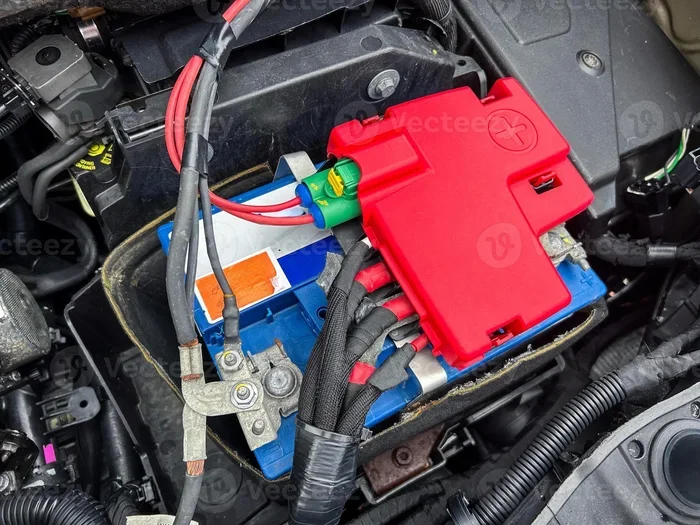
So how do you check? Start with your owner’s manual. Look for the battery specifications section. It will list the group size, CCA rating, and amp-hour capacity. If you no longer have the manual, open your hood and look at the existing battery. The label on top will show the group size and amp-hour rating clearly.
Understanding Battery Group Sizes
Battery group sizes are standardized by the Battery Council International, or BCI. This group sets the physical dimensions, terminal locations, and terminal types for each battery size. A 65 ah car battery most commonly falls into group size 24, 24F, or 35, depending on the vehicle. Each group size has slightly different dimensions.
Group size 24 batteries are a bit longer and narrower. Group size 24F is similar but has the positive terminal on the opposite side. Group size 35 batteries are more compact and often found in smaller Japanese sedans. Always match the group size first. Then verify the amp-hour rating is 65. This two-step check ensures a perfect fit every time.
Quick Tip: If you are unsure about your group size, bring your old battery to the auto parts store. Most stores have reference guides that match your battery to the right replacement. You can also call your dealership with your vehicle identification number, or VIN, and they will tell you the exact battery spec.
Measuring Your Battery Tray
Sometimes the group size matches, but the battery still does not fit. This happens when the battery tray is worn, modified, or has a different shape than factory standard. Before you buy a new 65 ah car battery, measure the length, width, and height of your battery tray with a tape measure. Compare those measurements to the battery dimensions listed on the product page.
Also check the terminal orientation. If your positive terminal is on the left side of the battery, make sure the replacement battery has the same orientation. Reversing the terminals can mean your cables will not reach. This is a simple mistake that causes a lot of headaches at the checkout counter.
Types of 65 Ah Car Batteries Available
Not all 65 ah car batteries are built the same way. The two main types you will encounter are standard lead-acid batteries and absorbed glass mat, or AGM, batteries. Each type has its own strengths and ideal use cases. Understanding the difference helps you make a confident choice.
Standard Lead-Acid Batteries
Lead-acid batteries are the most common type on the road today. They have been around for over a century and work reliably for most drivers. A standard 65 ah car battery in lead-acid form is affordable, widely available, and easy to find at any auto parts store or dealership.
These batteries use a liquid electrolyte solution inside lead plates. When you start your car, a chemical reaction between the plates and the solution creates electrical energy. Lead-acid batteries are great for everyday driving. They handle normal starting, lighting, and ignition loads with ease. The main downside is that they require occasional maintenance. You may need to check the electrolyte level and top off with distilled water over time.
AGM Batteries for Enhanced Performance
AGM batteries are a more advanced option. AGM stands for absorbed glass mat. Instead of a liquid electrolyte, the electrolyte is absorbed into fiberglass mats between the plates. This makes the battery spill-proof, vibration-resistant, and maintenance-free. A 65 ah AGM car battery is an excellent choice for modern vehicles with lots of electronic features.
Many newer cars come with start-stop technology, regenerative braking, or advanced infotainment systems. These features put extra demands on the battery. AGM 65 ah car batteries handle these demands better than standard lead-acid units. They also recharge faster when you are driving, which helps maintain a healthy battery charge level throughout your trips.
The trade-off is price. AGM batteries typically cost 30 to 50 percent more than standard lead-acid options. But many drivers find the extra cost worth it for the longer lifespan and better performance. If you live in a cold climate, AGM also tends to handle freezing temperatures more gracefully, maintaining its cranking power even when the thermometer drops.
| Feature | Standard Lead-Acid | AGM |
|---|---|---|
| Price Range | $80 – $130 | $120 – $200 |
| Maintenance | Occasional water top-off | Maintenance-free |
| Lifespan | 3 – 5 years | 4 – 7 years |
| Cold Cranking Amps | 550 – 700 CCA | 650 – 800 CCA |
| Vibration Resistance | Moderate | High |
| Best For | Basic daily driving | Modern cars with electronics |
Top Features to Look For in a 65 Ah Battery
Now that you know the types, let us talk about the specific features you should compare before buying. Not every 65 ah car battery is created equal. Some brands offer better build quality, longer warranties, and superior battery health over time. Here are the features that matter most.
Cold Cranking Amps Rating
If you live in a northern state or anywhere with harsh winters, CCA is your most important number. Cold cranking amps measure the battery’s ability to start your engine at 0 degrees Fahrenheit. A higher CCA rating means easier starts in freezing weather. For a 65 ah car battery, look for a CCA rating of at least 600 if you live in a moderate climate. If you face real winters, aim for 700 CCA or higher.
Do not confuse CCA with cranking amps, which is measured at 32 degrees Fahrenheit. CCA is the stricter, more realistic test for cold weather performance. Always check the CCA rating on the battery label before you buy.
Warranty Coverage
A good warranty tells you the manufacturer believes in their product. Most 65 ah car batteries come with a 3-year to 5-year warranty. Premium AGM batteries may offer warranties up to 7 years. Look for warranties that include a prorated replacement period. This means if your battery fails in year 4, you might get a partial credit toward a new one.
Some brands offer full replacement for the first 1 to 2 years, then prorated coverage afterward. This is a fair structure. Avoid batteries with no warranty at all. A battery warranty is your safety net if the unit turns out to be defective or dies early.
Reserve Capacity
Reserve capacity, or RC, measures how long the battery can deliver 25 amps before the voltage drops below 10.5 volts. This matters if your car has a lot of electronics or if you frequently sit in the car with the engine off and the radio on. A higher RC rating gives you more time to get help or reach a charging station. Most 65 ah car batteries offer reserve capacity between 100 and 120 minutes. Check this number if you plan to use your car for camping, tailgating, or other off-grid activities.
Brand Reputation and Customer Reviews
Stick with trusted brands when you buy a 65 ah car battery. Brands like Optima, DieHard, AC Delco, Odyssey, and Interstate have long track records of quality. Check online customer reviews before you decide. Look for feedback on actual lifespan, real-world CCA performance, and customer service experiences with warranty claims.
Avoid no-name brands that offer suspiciously low prices. A cheap battery might save you $30 upfront but could die in 18 months. That is a false economy. Investing in a reputable battery brand pays off in reliability and fewer tow truck visits.
Common Mistakes People Make When Choosing a Battery
Even smart shoppers make mistakes when buying a car battery. Learning from other people’s errors saves you time, money, and frustration. Here are the most common pitfalls to avoid.
Ignoring the Group Size
This is the number one mistake. People see a great price on a 65 ah car battery and buy it without checking the group size. The battery fits the post connections but is too long or too wide for the tray. Now you are stuck with a battery you cannot return easily. Always verify the group size first, price second.
Overlooking Terminal Orientation
Terminals on a battery can be on the left, right, top, or rear. If your cables do not align with the terminals, you cannot connect the battery. Some 65 ah batteries come in both standard and reverse terminal configurations. Check your current battery or owner’s manual to confirm which orientation you need. This small detail causes a surprising number of return trips to the store.
Skipping the Corrosion Check
When you remove your old battery, take a close look at the battery terminals and cables. White or greenish buildup is a sign of battery corrosion. Corrosion can block the electrical connection and cause starting problems even with a brand-new battery. Clean the terminals with a wire brush and a mixture of baking soda and water before installing the new 65 ah car battery. This simple step ensures a solid connection and extends the life of your new battery.
Forgetting to Reset Electronics
Many modern cars store settings in their memory systems. When you disconnect the battery, you may lose your radio presets, clock settings, power window auto-up/down calibration, and even navigation home locations. After installing a new 65 ah car battery, take a few minutes to reset these settings. Some vehicles also need a battery registration procedure performed by a dealer or qualified mechanic. Check your owner’s manual for specific instructions.
How to Extend the Life of Your 65 Ah Car Battery
Buying a new 65 ah car battery is an investment. You want to protect that investment and get the longest possible lifespan from it. With proper care, a good battery can last 5 years or more. Here are the steps that make the biggest difference.
Keep Your Battery Clean
Dirt and moisture speed up corrosion and can create a slow electrical drain. Every few months, wipe down the top of your battery with a damp cloth. Check the terminals for any white or blue-green buildup. If you see corrosion, clean it off with a battery terminal cleaner or a wire brush. A clean battery terminal connection ensures optimal battery charge flow and reduces strain on your electrical system.
Avoid Short Trips When Possible
Your alternator recharges the battery while you drive. On short trips of 10 minutes or less, the battery may not fully recharge between starts. Over time, this partial charging causes sulfation inside the battery plates. Sulfation reduces the overall battery lifespan and battery capacity. If you can, combine errands into one longer trip to give your battery time to recharge fully.
Use a Battery Maintainer for Parked Cars
If you have a car that sits for weeks at a time, invest in a battery maintainer or trickle charger. This device connects to your battery terminal and provides a gentle, steady charge. It keeps the battery at full capacity without overcharging. A battery maintainer is especially helpful for seasonal vehicles, classic cars, or secondary family cars that do not get daily use.
Check Your Alternator Output
A failing alternator can destroy a new battery quickly. If your alternator is not charging properly, your 65 ah car battery will slowly drain and eventually fail. Have your alternator tested at every oil change or at least once a year. Most auto parts stores offer free alternator and battery testing. This quick check can save you from a premature battery replacement expense.
Expert Insight: “I see a lot of drivers replace their battery every two years when the real problem is a weak alternator,” says Mark Torres, an ASE-certified master technician with 18 years of experience. “Before you buy a new 65 ah car battery, always ask your mechanic to test the charging system. A new battery on a bad charging system will fail within months.”
Drive Your Car Regularly
This might sound obvious, but it is worth stating. Batteries drain faster when they sit unused. If you are not driving your car every day, take it for a 20 to 30 minute drive at least twice a week. This keeps the battery health strong and the electrical systems calibrated. It also keeps the engine and other moving parts lubricated and in good working order.
Conclusion
Picking the perfect 65 ah car battery does not have to be overwhelming. You now know how to check your group size, compare battery types, evaluate CCA ratings, and spot quality features. You also know the common mistakes to avoid and the simple maintenance steps that keep your battery running strong for years.
The key is to take your time before you buy. Check your owner’s manual. Measure your battery tray. Compare warranties. Read reviews. A 65 ah car battery is a core component of your vehicle. Treating the purchase with care pays off every time you turn the key and your engine starts up without a hesitation.
Apply the tips in this guide, and you will drive away from the auto parts store with confidence. You made a smart, informed choice. Your car, your wallet, and your peace of mind will thank you for it.
Frequently Asked Questions
What vehicles use a 65 Ah car battery?
A 65 ah car battery fits many popular models from Honda, Toyota, Ford, Chevrolet, and Nissan. Common vehicles include the Honda Civic, Toyota Corolla, Ford Focus, and similar sedans and compact SUVs. Always check your owner’s manual or the label on your old battery to confirm the exact group size and amp-hour rating before purchasing.
How long does a 65 Ah car battery last?
Most 65 ah car batteries last between 3 and 5 years with normal use. AGM batteries tend to last longer, often reaching 5 to 7 years. Your driving habits, climate, and maintenance routine all affect lifespan. Keeping terminals clean and avoiding short trips can significantly extend the life of your battery.
Can I replace my battery with a different amp-hour rating?
You should always match the recommended amp-hour rating for your vehicle. A 65 ah battery is designed for specific power demands. Using a battery with a significantly different rating can cause underperformance or overload your electrical system. Check your owner’s manual or consult a mechanic if you are unsure about the right capacity.
What does CCA mean on a car battery?
CCA stands for cold cranking amps. It measures the battery’s ability to start your engine at 0 degrees Fahrenheit. Higher CCA ratings provide better starting power in cold weather. For a 65 ah car battery, a CCA rating between 600 and 800 is typical for most passenger vehicles.
How do I know when my 65 Ah battery needs replacing?
Signs that your battery needs replacement include slow engine cranking, dim headlights, a swollen battery case, and frequent jump-starts. Most batteries also have a date sticker or code on the top that shows the manufacture date. If your battery is more than 4 years old and showing any of these symptoms, it is time for a replacement.
Is an AGM battery worth the extra cost for a 65 Ah size?
Yes, an AGM 65 ah car battery is worth the extra cost if you drive a modern vehicle with start-stop technology, heavy electronics, or regenerative braking. AGM batteries also perform better in extreme temperatures and require no maintenance. For basic daily driving in moderate climates, a standard lead-acid 65 ah battery works well and costs less upfront.