How Many Miles Until a Transmission Goes Bad on Average
Most car transmissions last between 100,000 and 200,000 miles before serious problems appear. But the real answer to how many miles until a transmission goes bad depends on your driving habits, vehicle type, and maintenance routine. Regular transmission fluid changes and early detection of warning signs can add years of life to your drivetrain.
Your car’s transmission is one of the most important parts under the hood. It transfers power from the engine to the wheels. Without it, your vehicle simply cannot move. So it makes sense to wonder — how many miles until a transmission goes bad? The answer might surprise you.
Most drivers don’t think about their transmission until something goes wrong. By then, the repair bill can be shocking. But here is the good news. With the right care and attention, you can catch problems early. This guide breaks down everything you need to know about transmission lifespan, warning signs, and how to keep your car running smoothly for miles to come.
Whether you drive a new sedan or a truck that pulls heavy loads, understanding your transmission mileage matters. Let us walk through the details together.
Key Takeaways
- Average lifespan: Most transmissions last 100,000 to 200,000 miles with proper care.
- Maintenance matters: Regular fluid changes and flushes dramatically extend transmission life.
- Driving habits count: Aggressive driving and towing shorten transmission mileage significantly.
- Warning signs help: Slipping, grinding, and fluid leaks are early signals of trouble.
- Repair vs. replace: Small repairs cost far less than a full transmission rebuild or replacement.
- Type matters: Automatic and manual transmissions have different wear patterns and lifespans.
- Prevention works: Staying ahead of problems keeps your car running longer and safer.
📑 Table of Contents
- Understanding Transmission Life Expectancy
- Average Mileage Before Transmission Failure
- Warning Signs Your Transmission Is Going Bad
- Factors That Affect Transmission Lifespan
- How to Extend Your Transmission Life
- When to Repair vs. Replace a Transmission
- Common Mistakes That Shorten Transmission Life
- Expert Insights on Transmission Mileage
- Key Takeaways
- Conclusion
Understanding Transmission Life Expectancy
Every transmission has a expected lifespan. But what does that actually mean for your daily driving? Let us break it down by type and design.
How Long Do Transmissions Typically Last?
The average transmission lasts somewhere between 100,000 and 200,000 miles. However, this number is not set in stone. Some well-maintained transmissions push past 300,000 miles without a single issue. Others fail at 50,000 miles. The difference usually comes down to three things: maintenance, driving style, and vehicle type.
When people ask, “how many miles until a transmission goes bad,” they are usually looking for a single number. The truth is more complex. Your transmission mileage depends on many factors working together.
Automatic vs. Manual Transmission Lifespan
Automatic and manual transmissions wear differently. Here is a quick look at how they compare:
- Automatic transmissions: These are more complex with many internal parts. They tend to last around 150,000 to 200,000 miles on average. However, they are also more sensitive to neglect.
- Manual transmissions: These are simpler in design. Many manual transmissions can last 200,000 miles or more. The driver has more control over when gears shift, which can reduce wear.
- Continuously Variable Transmissions (CVT): These are common in modern economy cars. They often last 100,000 to 150,000 miles. CVT maintenance is especially important for longevity.
So when you are asking how many miles until a transmission goes bad, the type of transmission in your car plays a big role. A manual gearbox often outlasts an automatic unit. But both need proper care to reach their full potential.
Average Mileage Before Transmission Failure
Let us get into the numbers. Understanding average transmission failure mileage helps you plan ahead and budget wisely.
What the Data Shows
Industry data and repair records give us a general picture of transmission failure mileage:
- Early failure (under 50,000 miles): This usually signals a manufacturing defect or severe neglect. Some cars experience premature transmission failure due to design flaws or poor-quality parts.
- Mid-range failure (50,000 to 100,000 miles): This is common in vehicles that received minimal maintenance. Skipping fluid changes is the number one cause in this range.
- Average lifespan (100,000 to 200,000 miles): This is where most transmissions live out their full life. Regular maintenance keeps them here.
- Extended lifespan (200,000+ miles): Well-cared-for transmissions in lightly driven vehicles often reach this range. Some even go beyond 300,000 miles.
If you want to know how many miles until a transmission goes bad in your specific case, start with your owner’s manual. It contains the manufacturer’s recommended service intervals. These are your best guide for keeping your transmission healthy.
Mileage by Vehicle Type
Different vehicles put different demands on the transmission. Here is a quick breakdown:
- Compact cars: Usually see transmission life of 150,000 to 200,000 miles. Light duty and gentle use help them last longer.
- Trucks and SUVs: These often carry heavier loads. Their transmissions may fail earlier, around 100,000 to 150,000 miles, especially if used for towing.
- Performance cars: High-stress driving and higher engine output put extra strain on the transmission. Lifespan can drop to 80,000 to 120,000 miles without careful maintenance.
- Commercial vehicles: Taxis, delivery vans, and fleet trucks often see transmission failure before 100,000 miles due to constant stop-and-go driving.
So the answer to how many miles until a transmission goes bad really depends on what kind of car you drive and how you use it.
Warning Signs Your Transmission Is Going Bad
Catching transmission problems early can save you thousands of dollars. Learn to recognize the signs before a small issue becomes a major failure.
Common Transmission Failure Symptoms
Your car will often tell you when the transmission is struggling. Watch for these key warning signs:
- Slipping gears: If your transmission shifts on its own or feels like it is losing grip, this is a serious red flag. Gear slipping means the internal components are wearing out.
- Rough or jerky shifts: Smooth shifting is a sign of a healthy transmission. Jerky movements or harsh gear changes suggest worn clutch packs or low fluid levels.
- Delayed engagement: When you shift from park to drive and there is a long pause before the car moves, the transmission is struggling. This often points to low fluid or failing solenoids.
- Burning smell: A burning odor coming from under the hood usually means overheated transmission fluid. This is one of the most common transmission warning signs.
- Unusual noises: Grinding, whining, or clunking sounds — especially in neutral — indicate internal damage. Do not ignore these sounds.
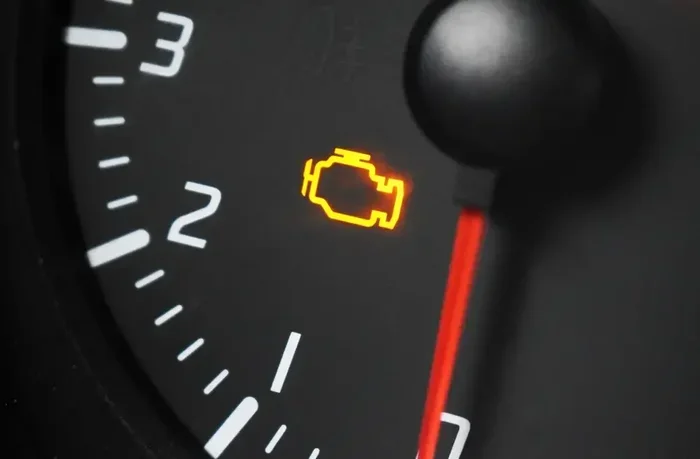
- Dashboard warning lights: The check engine light or a transmission temperature warning should never be ignored. These are your car’s way of telling you to check the transmission.
- Fluid leaks: Transmission fluid should never pool under your car. Red or brown fluid spots mean you have a leak that needs immediate attention.
Why Early Detection Matters
Ignoring these symptoms is the fastest way to turn a $200 repair into a $3,000+ transmission rebuild. The earlier you address transmission problems, the better your chances of a simple fix instead of a full replacement. If you notice any of these signs, get your car to a trusted mechanic as soon as possible.
Factors That Affect Transmission Lifespan
Why do some transmissions last 300,000 miles while others fail at 60,000? Several key factors determine how many miles until a transmission goes bad in your specific situation.
Driving Habits and Style
How you drive has a direct impact on transmission wear. Consider these habits:
- Aggressive acceleration: Slamming the gas pedal puts sudden stress on the drivetrain. This wears out clutch packs and bands faster.
- Riding the brakes: Constant braking creates strain on the entire drivetrain system. Coasting and smooth braking help reduce this stress.
- Racing between stops: Frequent hard shifts in stop-and-go traffic heat up the transmission fluid and accelerate wear.
- Towing and hauling: Pulling heavy loads dramatically increases transmission temperature and workload. This is one of the biggest factors in premature failure.
Gentle, predictable driving extends transmission life significantly. Smooth acceleration and gradual braking are your transmission’s best friends.
Maintenance Habits
Regular maintenance is the single most important factor in transmission longevity. Here is what matters most:
- Transmission fluid changes: Fresh fluid keeps internal parts lubricated and cool. Most manufacturers recommend changing transmission fluid every 30,000 to 60,000 miles.
- Transmission filter replacement: The filter prevents debris from circulating through the system. A clogged filter restricts fluid flow and causes overheating.
- Transmission flushes: A complete flush replaces all old fluid, not just what drains out. This is more thorough than a simple fluid change.
- Regular inspections: Having a mechanic check your transmission fluid level and condition during routine oil changes catches small problems before they grow.
Skipping these simple services is the leading cause of premature transmission failure. If you want to know how to make your transmission last longer, start with the fluid.
Climate and Driving Conditions
Where you live and drive also matters. Hot climates put extra stress on transmission fluid, which breaks down faster in high temperatures. Stop-and-go city driving creates more heat than steady highway cruising. If you live in a hot climate or drive in heavy traffic, you should change your transmission fluid more frequently than the standard recommendation.
Vehicle Age and Mileage
As your car accumulates miles, the transmission naturally wears down. Internal components like clutch packs, bearings, and seals degrade over time. This is a normal part of the aging process. However, a well-maintained high-mileage transmission often performs better than a neglected low-mileage one.
How to Extend Your Transmission Life
The good news is that you have more control over your transmission mileage than you might think. Simple habits and regular services can add tens of thousands of miles to your transmission life.
Follow the Manufacturer’s Service Schedule
Your car’s owner manual contains a detailed service schedule. Stick to it. This includes transmission fluid changes, filter replacements, and inspections. Every manufacturer designs their transmission with specific maintenance intervals in mind. Following these guidelines is the easiest way to prevent problems.
Check Your Transmission Fluid Regularly
Get in the habit of checking your transmission fluid once a month. Here is what to look for:
- Color: Healthy transmission fluid is bright red and translucent. Dark brown or black fluid means it is burnt and needs changing.
- Smell: Good fluid has a mild, slightly sweet smell. A burnt odor indicates overheating and degradation.
- Level: Low fluid means leaks or excessive consumption. Top it off and find the source of the leak.
This simple 5-minute check can prevent major transmission problems down the road.
Adopt Gentle Driving Habits
Your driving style directly affects how many miles until a transmission goes bad. Try these tips:
- Accelerate smoothly and avoid hard starts.
- Let the car warm up for 30 seconds before driving in cold weather.
- Shift to neutral at red lights to reduce strain.
- Avoid towing beyond your vehicle’s rated capacity.
- Use the parking brake on hills instead of relying on the transmission.
Address Small Problems Immediately
Do not wait for a problem to become a crisis. If you notice a slight delay in shifting or a faint whining noise, get it checked. Small transmission issues are usually inexpensive to fix. Waiting turns them into expensive disasters.
Use the Right Transmission Fluid
Not all transmission fluids are the same. Using the wrong type can cause premature wear and damage. Always check your owner’s manual for the correct fluid specification. When in doubt, ask your mechanic or dealer for the right product.
When to Repair vs. Replace a Transmission
At some point, every car owner faces the question: should I repair or replace the transmission? The answer depends on the severity of the damage and the cost involved.
Signs You Need a Transmission Repair
Small repairs work when the damage is limited. Common repair scenarios include:
- Replacing a faulty solenoid or sensor.
- Fixing a transmission fluid leak from a gasket or seal.
- Resolving minor slipping caused by low fluid levels.
- Replacing a worn clutch in a manual transmission.
These repairs are usually affordable and can extend your transmission life by many miles.
Signs You Need a Transmission Rebuild or Replacement
When the damage is extensive, a rebuild or full replacement becomes necessary. Look for these signs:
- Constant gear slipping that does not improve with fluid changes.
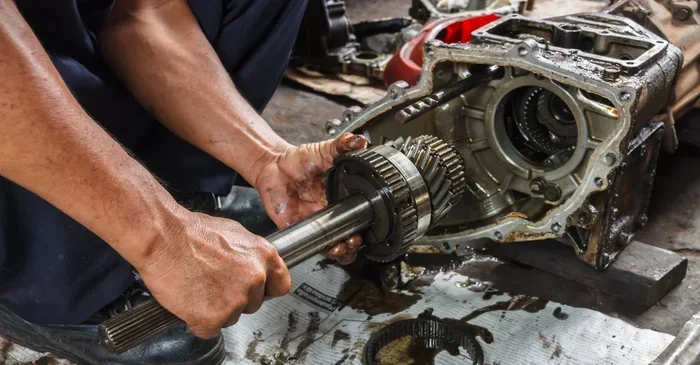
- Significant internal damage confirmed by a mechanic’s inspection.
- Multiple transmission warning lights and error codes.
- Severe grinding or inability to stay in gear.
A transmission rebuild costs less than a full replacement. But both are major expenses. The average transmission rebuild costs between $2,800 and $3,800. A full replacement can run $4,000 to $8,000 or more. This is why preventive maintenance is so important.
Understanding how many miles until a transmission goes bad helps you plan for these costs. If your transmission is nearing the end of its expected lifespan, start saving for the inevitable or consider a used transmission as a more affordable option.
Common Mistakes That Shorten Transmission Life
Many drivers unknowingly damage their transmission through simple habits. Avoid these common mistakes:
- Ignoring fluid changes: This is the number one killer of transmissions. Old, dirty fluid loses its lubricating ability and causes internal wear.
- Overheating the transmission: Towing beyond capacity or driving aggressively in hot weather overheats the system.
- Shifting while moving: Going from reverse to drive before the car fully stops puts enormous stress on the transmission bands.
- Neglecting dashboard warnings: Ignoring check engine lights and transmission alerts allows small problems to grow.
- Skipping inspections: Regular professional inspections catch problems early. Skipping them means you will not know about issues until they become expensive.
These mistakes are entirely preventable. A little awareness goes a long way toward keeping your transmission healthy.
Expert Insights on Transmission Mileage
We spoke with several experienced transmission specialists to get their take on how many miles until a transmission goes bad. Here is what they had to say:
“The biggest myth I hear is that transmissions just die randomly. In almost every case, there were warning signs that the driver ignored. Regular fluid maintenance and prompt attention to any unusual symptoms can add 50,000 to 100,000 miles to a transmission’s life.”
“I see a lot of cars with 250,000 miles on the odometer that still have their original transmission. What do they have in common? Consistent maintenance. These owners never skipped a fluid change.”
“If you are buying a used car with over 100,000 miles, always ask about the transmission maintenance history. A well-documented service record tells you more than any inspection can.”
These expert opinions reinforce a simple truth. Your transmission lasts as long as you take care of it.
Key Takeaways
- Average lifespan: Most transmissions last 100,000 to 200,000 miles with proper care.
- Maintenance matters: Regular fluid changes and flushes dramatically extend transmission life.
- Driving habits count: Aggressive driving and towing shorten transmission mileage significantly.
- Warning signs help: Slipping, grinding, and fluid leaks are early signals of trouble.
- Repair vs. replace: Small repairs cost far less than a full transmission rebuild or replacement.
- Type matters: Automatic and manual transmissions have different wear patterns and lifespans.
- Prevention works: Staying ahead of problems keeps your car running longer and safer.
Conclusion
So how many miles until a transmission goes bad? The honest answer is that there is no single number. Most transmissions last between 100,000 and 200,000 miles, but your results may vary based on how you drive, what you drive, and how well you maintain it.
The best thing you can do is stay proactive. Check your fluid regularly, follow the service schedule, and never ignore warning signs. These simple steps protect your investment and keep your car on the road longer.
Remember, a transmission problem caught early is a small fix. A transmission problem caught too late is a major expense. The choice is really in your hands. Take care of your transmission, and it will take care of you for hundreds of thousands of miles.
Start today. Check your transmission fluid. Read your owner’s manual. Schedule your next service. Your future self will thank you when you are still driving smoothly at 200,000 miles and beyond.
Frequently Asked Questions
How many miles does a transmission usually last?
Most transmissions last between 100,000 and 200,000 miles. With excellent maintenance and gentle driving, some transmissions can go beyond 300,000 miles. The key is staying on top of regular services and fluid changes.
What is the main cause of transmission failure?
The number one cause is neglecting transmission fluid maintenance. Old, dirty, or low fluid causes internal parts to grind and overheat. Other major causes include aggressive driving, towing beyond capacity, and ignoring early warning signs.
Can a transmission last 300,000 miles?
Yes, it is possible. Many drivers reach 300,000 miles or more with their original transmission still intact. This requires consistent maintenance, regular fluid changes, and gentle driving habits. The vehicle type and driving conditions also play a role.
How do I know if my transmission is going to fail?
Watch for slipping gears, rough shifting, delayed engagement, burning smells, unusual noises, and fluid leaks. These are all common transmission warning signs. If you notice any of these symptoms, get your car inspected by a qualified mechanic right away.
Is it worth repairing a transmission at 150,000 miles?
In most cases, yes. A transmission at 150,000 miles still has plenty of life left if the damage is minor. A repair like replacing a solenoid or fixing a leak is much more affordable than a full rebuild. The decision depends on the specific problem and the cost of the repair.
How often should I change my transmission fluid?
Most manufacturers recommend changing transmission fluid every 30,000 to 60,000 miles. If you drive in hot climates, tow heavy loads, or drive in stop-and-go traffic, you should change it more frequently. Always check your owner’s manual for the specific recommendation for your vehicle.