Can You Reset the Oil Life Monitor Without a Mechanic
Yes, you can reset the oil life monitor without visiting a mechanic. Most vehicles allow you to clear the oil change reminder in just a few minutes using your dashboard buttons or steering wheel controls. This simple DIY task saves you time and money while keeping your car’s maintenance schedule on track.
You are driving down the road when you notice a little light on your dashboard. It says “Oil Life” or shows a percentage dropping toward zero. Your first thought? Can you reset the oil life monitor yourself? The answer is yes. You do not need a mechanic, special tools, or a dealership visit to clear that annoying light. In this guide, we walk you through everything you need to know about your car’s oil life system. You will learn what it does, why resetting matters, and exactly how to do it on most vehicles. Let us get into it.
Your car’s oil life monitor is a smart system built into modern vehicles. It tracks driving conditions, engine temperature, mileage, and driving habits. Then it estimates when your oil needs changing. Unlike older cars that relied on fixed mileage intervals, this system adapts to how you actually drive. If you drive in stop-and-go traffic or tow heavy loads, the system shortens the interval. If you drive mostly on highways at steady speeds, it may extend the interval. This is a great feature because it keeps your engine protected without wasting oil too early.
But here is the thing. After you change your oil, that light or percentage display does not clear itself. You have to manually reset the oil life monitor. Many people skip this step. Then they drive around with a warning light on for weeks or months. That creates confusion and stress. Worse, it can mask real oil problems later. So learning how to reset the oil life monitor is a small skill that pays off big time.
Key Takeaways
- Easy DIY Task: Resetting the oil life monitor is something most car owners can do at home in under 10 minutes.
- No Special Tools Needed: You only need access to your vehicle’s dashboard or steering wheel buttons.
- Saves Money: Avoiding a trip to the mechanic for this simple reset can save you $50 to $100 or more.
- Different for Every Car: The reset process varies by make and model, so always check your owner’s manual first.
- Regular Resets Matter: Keeping up with your oil life tracker helps extend engine life and prevents costly repairs.
- Quick Tips Help: A few small mistakes can cause problems, so following the right steps is important.
📑 Table of Contents
- What Is an Oil Life Monitor and How Does It Work?
- Can You Reset the Oil Life Monitor Without a Mechanic?
- How to Reset the Oil Life Monitor: Step-by-Step Guide
- Common Mistakes When Resetting the Oil Life Monitor
- How Often Should You Reset the Oil Life Monitor?
- When Should You See a Mechanic Instead?
- Final Thoughts on Resetting the Oil Life Monitor
What Is an Oil Life Monitor and How Does It Work?
Before you dive into the reset process, it helps to understand what you are working with. The oil life system is not just a simple mileage counter. It is a computer algorithm that considers many factors. Let us break it down.
How the Oil Life Tracker Calculates Your Service Interval
The system uses sensors and data inputs to estimate oil condition. Here is what it tracks:
- Engine revolutions: How many times your engine starts and stops during a drive.
- Operating temperature: Whether your engine runs hot or stays cool.
- Driving conditions: City driving, highway driving, or towing.
- Idle time: Time spent sitting with the engine running.
- Mileage: Total distance driven since the last reset.
Based on all this data, the system assigns a percentage. At 100 percent, your oil is fresh. As you drive, the number drops. When it reaches zero, the system tells you it is time for an oil change. This is far more accurate than a simple mileage-based reminder.
Why the Dashboard Indicator Matters
The dashboard indicator is your car’s way of talking to you. When the oil life percentage drops, the light comes on. Some cars show a percentage number. Others show a percentage bar. And some just display a “Change Oil Soon” message. No matter the format, the message is the same: your oil is getting old and needs attention. Ignoring this for too long can lead to dirty oil, reduced engine performance, and eventually expensive engine damage.
Resetting the system after each oil change is part of basic car maintenance. It keeps the tracker accurate and your engine running smoothly. Think of it like setting a new alarm after you wake up. You need to reset it so it works for the next cycle.
Can You Reset the Oil Life Monitor Without a Mechanic?
Absolutely. In fact, resetting the oil life monitor is one of the easiest DIY maintenance tasks you can do. Most car manufacturers design the process to be simple enough for anyone. You do not need to be a mechanic or a car expert. A few minutes and your owner’s manual are all you need.
Why People Pay Mechanics for This Simple Task
Here is the sad truth. Many car owners do not know they can do this themselves. They see a warning light and immediately think they need professional help. They drive to the shop and pay $50 to $150 for a 5-minute reset. That is money wasted. The truth is, resetting the oil life monitor does not require special diagnostic equipment in most vehicles. You just need to follow the right steps for your specific car.
Some newer vehicles do require a scan tool for certain resets. But those cases are rare. The vast majority of cars made after 2005 have a straightforward reset process built into the dashboard controls. You can find the exact steps in your owner’s manual or by searching online for your specific make and model.
What You Need Before You Start
Before you reset the oil life monitor, make sure you have the following:
- Your vehicle’s owner’s manual (or a quick online search for your model year).
- The car turned on (accessory mode or running engine, depending on the vehicle).
- A few minutes of uninterrupted time.
- Knowledge of your specific dashboard button layout.
That is it. No special tools. No expensive software. Just you and your car.
How to Reset the Oil Life Monitor: Step-by-Step Guide
Every car brand has its own reset process. But the general steps are very similar across most vehicles. Below, we cover the most common methods. Pick the one that matches your car.
Method 1: Using the Steering Wheel Controls
Many modern cars use the steering wheel buttons or the instrument panel controls to reset the oil life system. Here is the general process:
- Turn the ignition to the “On” or “Accessory” position. Do not start the engine.
- Press and hold the trip odometer or reset button on the steering wheel.
- While holding the button, turn the ignition off and then back on.
- Continue holding the button until the oil life percentage starts blinking or resets to 100 percent.
- Release the button. The reset is complete.
This method works for many Ford, Chevrolet, and Toyota models. The exact button combination may vary slightly, so always double-check with your manual.
Method 2: Using the Infotainment System
Some newer vehicles let you reset the oil life monitor through the touchscreen infotainment system. Here is how it typically works:
- Go to the “Vehicle Settings” menu on your screen.
- Look for “Maintenance” or “Service” settings.
- Find the “Oil Life System” or “Reset Oil Life” option.
- Select “Yes” or “Reset” to confirm.
- The screen should display “Oil Life Reset” or show the percentage returning to 100.
BMW, Audi, and Mercedes-Benz vehicles often use this method. If you are not sure, look for the “Service” or “Maintenance” menu on your display.
Method 3: Using a Dedicated Reset Button
Some older vehicles have a small physical reset button located under the dashboard or near the steering column. Here is what to do:
- Turn the ignition to the “On” position.
- Locate the small reset button (it may be labeled “OIL” or “RESET”).
- Press and hold the button for about 5 to 10 seconds.
- The oil life indicator should flash and then reset to 100 percent.
- Turn the ignition off and back on to confirm the reset worked.
This method is common on vehicles from the early 2000s and some models from brands like Honda and Jeep.
Quick Tips for a Successful Reset
Here are some quick tips that make the process smoother:
- Always reset the oil life monitor immediately after an oil change.
- If the light does not go off after the first attempt, try the process again slowly and deliberately.
- Some vehicles require you to hold the button for up to 30 seconds. Be patient.
- If you cannot find the right button, search online for “reset oil life monitor [your car model and year].”
- Keep your owner’s manual in the glove box. It is the fastest way to find the exact steps for your car.
Common Mistakes When Resetting the Oil Life Monitor
Even though this is a simple process, people make mistakes. Here are the most common ones and how to avoid them.
Forgetting to Change the Oil First
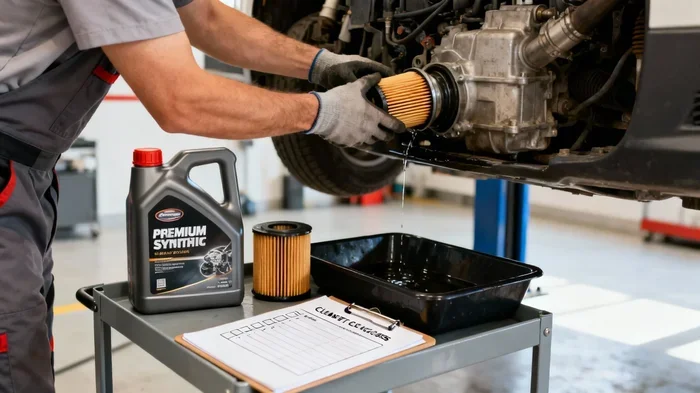
This is the biggest mistake people make. They reset the oil life monitor without actually changing the oil. The light goes off, but the old oil is still in the engine. This is dangerous. The oil life monitor is a reminder to change the oil, not a substitute for the actual oil change. Always change the oil first, then reset the system.
Not Following the Correct Sequence
Every car has a specific sequence of button presses. If you do the steps out of order, the reset will not work. For example, some cars require you to hold the button before turning the key. Others require you to turn the key first. Read the steps carefully and follow them exactly.
Giving Up Too Quickly
Some reset processes take longer than you expect. You might hold the button for 10 seconds and think it is not working. But the system needs 15 or 20 seconds to register the command. Be patient and hold the button for the full recommended time before giving up.
Using the Wrong Button
Dashboard buttons can be confusing. The trip reset button is not always the same as the oil life reset button. Some cars have a small “OIL” button near the steering column. Others use the multifunction stalk on the steering wheel. Using the wrong button will not reset the system and may just reset your trip meter instead.
Ignoring the Owner’s Manual
Your owner’s manual is the most accurate source for your specific vehicle. Guessing the reset process based on a YouTube video or a friend’s advice can lead to frustration. Always check the manual first. It takes two minutes to look up and saves you a lot of headache.
How Often Should You Reset the Oil Life Monitor?
You should reset the oil life monitor every time you change your oil. That is the standard rule. But there are a few other situations where a reset makes sense.
- After an oil change: This is the primary reason to reset the system. It clears the old reminder and starts a fresh cycle.
- After installing new oil: Even if you top off the oil without a full change, some people like to reset the system to keep the tracker accurate.
- After a dashboard battery disconnect: If you disconnect your car battery for any reason, the oil life system may reset itself or need a manual reset.
- After a service appointment: If a mechanic changes your oil, ask them to reset the system. Or do it yourself when you get home.
The oil change interval recommended by your car’s manufacturer is typically between 5,000 and 10,000 miles for modern vehicles. However, your oil life system may adjust this based on your driving habits. If you drive in severe conditions, the system may recommend an earlier change. Always trust the system’s recommendation over a fixed mileage schedule.
Keeping up with your maintenance schedule is one of the best things you can do for your car. Regular oil changes and timely resets help your engine run smoothly for years. They also prevent the buildup of sludge and contaminants that can cause expensive engine repairs down the road.
When Should You See a Mechanic Instead?
Resetting the oil life monitor is a DIY task for most vehicles. But there are times when you should call a professional.
The Reset Process Does Not Work
If you have tried the correct steps multiple times and the oil life light will not reset, there may be a deeper issue. The system could have a software glitch, a faulty sensor, or a wiring problem. A mechanic can run a diagnostic scan to find the root cause. This is not something you should troubleshoot on your own unless you have experience with car electronics.
The Oil Light Comes On Even After a Reset
If the oil pressure light or the oil change light comes back on shortly after a reset, your oil level may be too low or the oil quality may be poor. Check your oil level with the dipstick. If the oil is dark, gritty, or below the minimum mark, you need to change it right away. Do not just reset the light and keep driving.
You Are Uncomfortable Doing It Yourself
There is no shame in asking for help. If you feel unsure about the reset process or your car has a complex system, visit a quick-lube shop or a mechanic. Many places will reset the oil life monitor for free or for a small fee when you get your oil changed. It is a reasonable service request and a smart choice if you are not comfortable with the DIY approach.
Final Thoughts on Resetting the Oil Life Monitor
Resetting the oil life monitor is one of the simplest and most useful skills you can learn as a car owner. It saves you time, money, and the hassle of an unnecessary trip to the shop. Whether you use the steering wheel buttons, the infotainment screen, or a dedicated reset button, the process is quick and straightforward for most vehicles.
Remember to always change the oil before you reset the system. Never skip the actual maintenance just to clear the light. And when in doubt, consult your owner’s manual or search online for your specific vehicle model. The steps are easy to find and even easier to follow once you know what you are doing.
Taking care of your car does not require a mechanics degree. It just requires a little knowledge and the willingness to do simple tasks yourself. Resetting the oil life monitor is a perfect example of this. Next time that light comes on after your oil change, you will know exactly what to do. You will handle it in minutes and keep your car running strong.
So go ahead. Open your owner’s manual. Find the reset instructions for your car. And the next time you change your oil, reset the oil life monitor yourself. Your wallet and your car will both thank you.
Frequently Asked Questions
Can I reset the oil life monitor without changing the oil?
You can reset the oil life monitor without changing the oil, but you should not. The monitor is a reminder to change your oil. Resetting it without actually changing the oil means your engine runs on old, degraded oil. This can cause engine wear and damage over time. Always change the oil first, then reset the system.
How long does it take to reset the oil life monitor?
For most vehicles, the reset process takes only 2 to 5 minutes. You just need to locate the right button or menu, follow the correct sequence, and confirm the reset. If you have never done it before, give yourself about 10 minutes the first time so you can look up the steps and get comfortable with the process.
Will resetting the oil life monitor clear other warning lights?
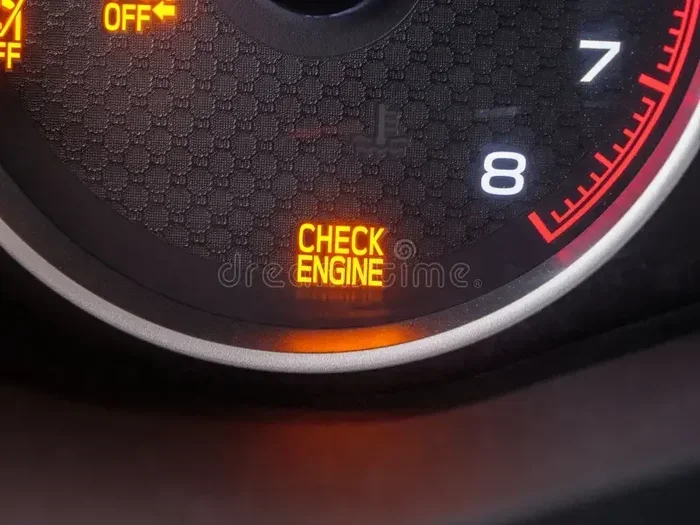
No. Resetting the oil life monitor only clears the oil change reminder or oil life percentage display. It does not affect other dashboard warning lights like the check engine light, oil pressure light, or temperature warning light. Each warning light has its own system and requires different steps to address.
What happens if I never reset the oil life monitor?
If you never reset the oil life monitor, the reminder light will stay on permanently after the oil life percentage reaches zero. This can be annoying and distracting. More importantly, it makes it harder to tell when the system is giving you a real warning about oil condition. A stuck-on light can also mask other issues because you get used to ignoring it.
Do I need any special tools to reset the oil life monitor?
No. Most vehicles allow you to reset the oil life monitor using the dashboard buttons, steering wheel controls, or infotainment screen. No special tools are required. The only thing you need is access to your vehicle and the correct steps for your specific make and model.
Can a dead battery affect the oil life monitor reset?
Yes. If your car battery dies or gets disconnected, the oil life monitor may reset to zero or lose its programmed settings. In most cases, you will need to manually reset the system after a battery replacement or jump-start. Some vehicles automatically reset the oil life system once the battery is reconnected and the engine is running.
=== CONCLUSION ===
Reset the Oil Life Monitor is a simple, quick, and completely doable task for any car owner. You do not need a mechanic, special tools, or expensive diagnostic equipment. Whether your car uses steering wheel buttons, a touchscreen menu, or a physical reset button, the process is straightforward once you know the steps. The key is to always change the oil first, follow the correct sequence for your vehicle, and reset the system immediately after each oil change. By taking a few minutes to do this yourself, you save money, keep your maintenance schedule accurate, and protect your engine for the long haul. Start today, and you will never pay someone else to do this simple task again.