How Many Quarts of Oil Does Your Car Engine Really Need
Knowing how many quarts of oil your engine needs is one of the simplest yet most important parts of car maintenance. Most cars need between 4 and 8 quarts, but the exact amount depends on your engine size, type, and model. Using the wrong amount can lead to poor engine performance, overheating, or even costly damage. This guide walks you through everything you need to know to get it right every time.
Have you ever popped the hood of your car and wondered, “How many quarts of oil does my engine actually need?” You are not alone. This is one of those simple questions that trips up a lot of car owners, especially if you are new to DIY maintenance or buying a used vehicle.
The answer is not one-size-fits-all. Different engines need different amounts of engine oil capacity based on their size, design, and the oil type you use. But here is the good news. Once you know what to look for, figuring out the right amount is easy. In this guide, we will walk you through everything step by step. By the end, you will know exactly how much oil your car needs, why it matters, and how to avoid the most common mistakes.
Let us start with the basics and work our way up to some advanced tips that even seasoned car enthusiasts will appreciate.
Key Takeaways
- Engine oil capacity varies: Most passenger cars need 4 to 8 quarts, but always check your owner’s manual for the exact number.
- Engine size matters: Smaller engines use less oil, while larger or turbocharged engines often require more.
- Oil type affects capacity: Synthetic, conventional, and high-mileage oils can differ slightly in recommended fill amounts.
- Overfilling is just as bad as underfilling: Too much oil can cause foam, leaks, and engine damage.
- Always check your dipstick: After adding oil, verify the level is between the minimum and maximum marks.
- Change your oil regularly: Follow manufacturer intervals to keep your engine running smoothly for years.
- Watch for warning signs: Low oil pressure, engine noise, and dashboard warnings mean it is time to check your oil level.
📑 Table of Contents
- Why Oil Capacity Matters for Your Engine
- How Many Quarts of Oil Do Different Engines Need?
- How to Find Your Engine’s Exact Oil Capacity
- What Type of Oil Should You Use?
- How to Check and Add Oil Properly
- Common Oil Capacity Mistakes to Avoid
- Expert Tips for Keeping Your Engine Healthy
- How Many Quarts of Oil: Quick Reference by Vehicle Type
- Conclusion
Why Oil Capacity Matters for Your Engine
Engine oil is the lifeblood of your car. It lubricates moving parts, reduces friction, cools the engine, and keeps everything running smoothly. But too little or too much oil can cause serious problems. That is why understanding your engine’s oil capacity is so important.
What Happens When You Have Too Little Oil
When your oil level drops too low, the engine does not get proper lubrication. Metal parts start grinding against each other. This creates heat and friction. Over time, it can lead to engine wear, seized pistons, or even a full engine rebuild. Nobody wants that repair bill.
Common signs of low oil include:
- Dashboard warning light
- Engine knocking or ticking sounds
- Reduced fuel efficiency
- Overheating
- Oil pressure warning
What Happens When You Overfill Oil
Here is something many people do not realize. Overfilling your engine can be just as harmful as underfilling it. When there is too much oil, the crankshaft starts spinning in the excess liquid. This creates foam. Foamy oil loses its ability to lubricate properly. It can also cause oil leaks, pressure buildup, and damage to engine seals.
So whether you are adding oil at home or visiting a mechanic, getting the right amount is critical.
How Many Quarts of Oil Do Different Engines Need?
The amount of oil your engine holds depends mainly on its size and design. Let us break this down by common engine types so you can get a clear picture.
Small Engines (4-Cylinder)
Most standard 4-cylinder engines found in compact cars and sedans hold between 4 and 5 quarts. These engines are smaller and do not need as much lubrication. Common examples include the Honda Civic, Toyota Corolla, and Ford Focus. If you own one of these vehicles, you will typically need a single 5-quart bottle of oil for a full change.
Medium Engines (V6)
V6 engines are found in many mid-size SUVs, trucks, and sedans. These engines usually need between 5 and 6 quarts of oil. Popular models like the Toyota Camry V6, Honda Accord V6, and Ford Explorer fall into this category. The added cylinders mean more internal parts need lubrication, so the oil fill requirement goes up a bit.
Large Engines (V8 and Above)
V8 engines and larger powerplants are found in trucks, performance cars, and heavy-duty vehicles. These engines often require 6 to 8 quarts or more. Think of trucks like the Ford F-150, Chevrolet Silverado, or Ram 1500. Some high-performance V8 engines can even hold up to 10 quarts.
Turbocharged Engines
Turbocharged engines have extra components that need oil for cooling and lubrication. The turbo oil capacity is often higher than a naturally aspirated engine of the same size. If your car has a turbocharger, always double-check the recommended amount in the owner’s manual.
How to Find Your Engine’s Exact Oil Capacity
So how do you know the exact number for your specific car? There are several reliable ways to find out.
Check the Owner’s Manual
Your vehicle manual is the best place to start. Look in the maintenance section or the specifications chapter. The manual will list the exact oil capacity for your engine, including the amount needed for an oil change with a new filter.
Look Up Online Resources
If you do not have the manual handy, you can look up your vehicle online. Websites like the manufacturer’s site, auto parts stores, and car forums often list the oil capacity by make, model, and year. Just make sure the information matches your specific engine.
Ask a Mechanic or Parts Store
Your local auto parts store or trusted mechanic can also help. They have access to databases that tell you the exact oil capacity and recommended oil type for your vehicle. Many parts stores even offer free lookups.
Check the Oil Pan and Filter
If you are doing a DIY oil change, you can also estimate capacity by looking at the oil pan and filter. A standard oil pan holds roughly 4 to 6 quarts depending on the engine. But this method is not as precise as checking the manual. Always use the manual as your primary source.
What Type of Oil Should You Use?
Choosing the right oil type is just as important as getting the right amount. The wrong oil can affect engine performance, fuel efficiency, and longevity.
Conventional Oil
Conventional oil is the most basic and affordable option. It works well for older engines and vehicles with standard driving habits. Most conventional oils come in 5W-30 or 10W-30 viscosity grades. Check your manual to confirm which grade your engine needs.
Synthetic Oil
Synthetic oil offers superior protection and performance. It handles extreme temperatures better and lasts longer between changes. Many modern cars come from the factory filled with synthetic oil. It is a great choice if you want the best engine protection and do not mind the higher price point.
High-Mileage Oil
If your car has over 75,000 miles on the odometer, consider high-mileage oil. This type contains additives that help condition seals and reduce oil consumption. It is a smart choice for older vehicles that may have minor oil leaks or burn small amounts of oil.
Oil Viscosity Explained Simply
You have probably seen numbers like 5W-30 or 0W-20 on oil bottles. The first number (with the W for winter) tells you how the oil flows in cold temperatures. The second number tells you how it performs at engine operating temperature. Lower numbers mean thinner oil, which flows more easily. Your owner’s manual will specify the right viscosity for your engine.
How to Check and Add Oil Properly
Checking your oil level regularly is one of the easiest things you can do to extend your engine’s life. Here is how to do it right.
Step-by-Step Oil Check
- Park your car on a level surface and turn off the engine.
- Wait a few minutes for the oil to settle back into the pan.
- Open the hood and locate the dipstick.
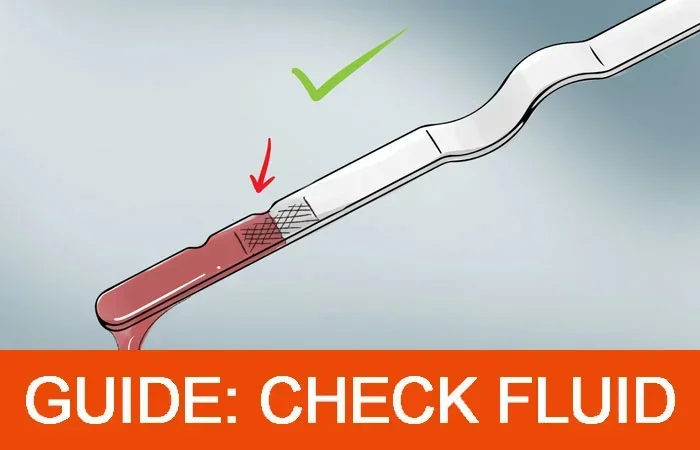
- Pull the dipstick out and wipe it clean with a rag or paper towel.
- Reinsert the dipstick fully, then pull it out again.
- Look at the oil level markings. It should fall between the minimum and maximum lines.
- If it is low, add oil slowly in small amounts. Recheck the level after each addition.
How to Add Oil Safely
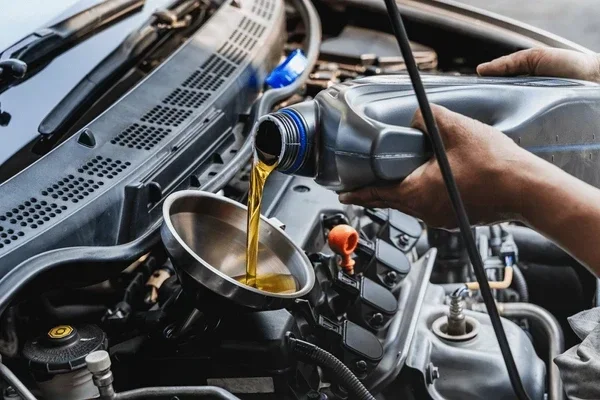
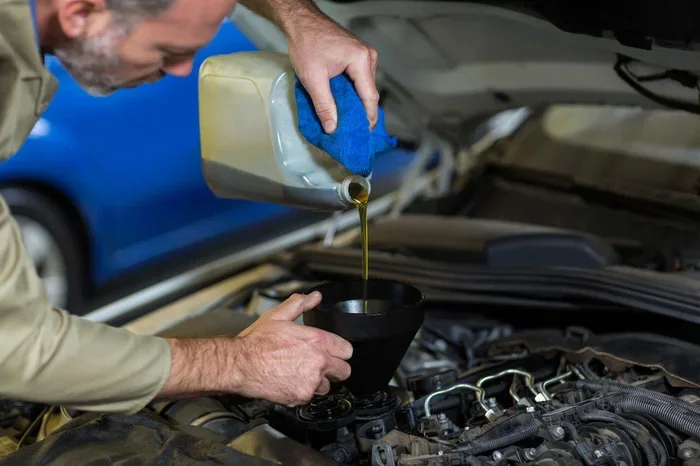
When adding oil, always use the type recommended by your manufacturer. Pour it slowly through the oil fill cap on top of the engine. Add a little at a time and check the dipstick frequently. It is much easier to add more than to drain excess oil out if you overfill.
After adding oil, start the engine and let it run for a minute. Turn it off and wait a couple of minutes for the oil to settle. Then check the dipstick again to confirm the level is correct.
Common Oil Capacity Mistakes to Avoid
Even experienced car owners can make mistakes when it comes to oil changes. Here are some of the most common ones and how to avoid them.
Guessing Instead of Checking
Never guess how much oil your engine needs. Every engine is different. Guessing can lead to underfilling or overfilling, both of which are harmful. Always refer to the owner’s manual or a reliable source.
Ignoring the Oil Filter
When you change your oil, you should also replace the oil filter. The filter holds some residual oil, and the new filter needs to be filled as well. Many manufacturers list the total oil capacity including the filter. Forgetting this can leave you a quart or two short.
Using the Wrong Oil Viscosity
Using the wrong viscosity can affect how the oil flows through your engine. It may seem like a small thing, but it can lead to increased wear, poor fuel economy, and reduced engine performance. Stick with what the manufacturer recommends.
Skipping Regular Oil Changes
Even if you have the right amount of oil, it degrades over time. Old oil loses its lubricating properties and can become contaminated. Follow the recommended oil change interval in your owner’s manual. Most modern cars need an oil change every 5,000 to 7,500 miles, but this can vary.
Expert Tips for Keeping Your Engine Healthy
Beyond just knowing how many quarts of oil to use, there are a few extra steps you can take to keep your engine in great shape.
Monitor Your Oil Between Changes
Do not wait until your next scheduled oil change to check your oil. Make it a habit to check it once a month. This helps you catch leaks, burning oil, or low levels early before they turn into big problems.
Watch for Oil Consumption
Some engines burn oil over time. This is more common in older vehicles or those with high mileage. If you find yourself needing to add oil frequently between changes, have a mechanic inspect the engine. It could be a sign of worn piston rings or valve seals.
Keep Records
Track your oil changes, including the date, mileage, oil type, and amount used. This creates a maintenance history that is valuable when selling your car or diagnosing future issues.
Address Leaks Promptly
If you notice oil spots under your car or a persistent drop in oil level, get it checked right away. Even a small oil leak can lead to low oil levels and serious engine damage if left unaddressed.
How Many Quarts of Oil: Quick Reference by Vehicle Type
Here is a quick reference guide to help you estimate the oil capacity for common vehicle types. Remember, always verify with your owner’s manual for the exact number.
- Compact cars (4-cylinder): 4 to 5 quarts
- Mid-size sedans (4-cylinder or V6): 5 to 6 quarts
- SUVs and light trucks (V6 or V8): 6 to 8 quarts
- Heavy-duty trucks (V8 or diesel): 8 to 12 quarts
- Performance sports cars: 5 to 8 quarts (varies widely)
These numbers are general estimates. Your specific vehicle may differ based on the engine, whether it has a turbocharger, and the type of oil used. When in doubt, always go with the manufacturer’s recommendation.
Conclusion
So, how many quarts of oil does your car engine really need? The answer depends on your engine size, type, and design. Most passenger cars need between 4 and 8 quarts, but the exact number is always found in your owner’s manual. Getting the right oil capacity is essential for protecting your engine, ensuring smooth performance, and avoiding costly repairs.
Take a few minutes to check your manual, find the right oil type, and make sure you are filling to the correct level. It is one of the easiest ways to invest in the long-term health of your vehicle. Whether you handle the oil change yourself or visit a mechanic, knowing the basics puts you in control. Your engine will thank you for it.
Stay on top of your maintenance, watch for warning signs, and never underestimate the power of the right amount of oil. A little attention today can save you thousands of dollars tomorrow.
Frequently Asked Questions
How do I know if my engine has too much oil?
Check the dipstick after the engine has been off for a few minutes. If the oil level is above the maximum mark, you have overfilled it. Symptoms of overfilling include oil leaks, a rough idle, and a burning oil smell. If you notice any of these, have the excess oil drained.
Can I mix different brands of oil?
Yes, in a pinch you can mix different brands as long as they have the same viscosity and specifications. However, it is best to stick with one brand and type for consistent engine protection. When you get a chance, complete a full oil change with the recommended product.
How often should I check my oil level?
You should check your oil level at least once a month. It takes only a few minutes and can help you catch problems early. Make it part of your regular car maintenance routine to keep your engine running at its best.
What happens if I drive with low oil?
Driving with low oil is very risky. The engine will not get proper lubrication, which causes increased friction, overheating, and rapid wear. Even a short drive on low oil can cause permanent damage. If your oil level is low, add oil immediately before driving.
Does synthetic oil last longer than conventional oil?
Yes, synthetic oil generally lasts longer and provides better protection. It can go longer between changes, often up to 10,000 miles or more depending on the manufacturer. However, always follow the oil change interval recommended in your owner’s manual.
Is it okay to add oil without changing it?
Adding oil between changes is fine if your level is low. But it does not replace a full oil change. Over time, oil breaks down and collects contaminants. A complete oil change with a new filter ensures your engine gets clean, fresh lubrication.