Do You Need to Add Fluid to Your Manual Transmission
Do you need to add fluid to a manual transmission? The short answer is yes, but only if the level is low or the fluid is old. Manual transmission fluid keeps your gears shifting smoothly and prevents expensive damage. This guide walks you through checking your fluid, knowing when to add it, and how often to change it. You will also learn the warning signs of low fluid and common mistakes to avoid.
Your manual transmission is one of the hardest-working parts of your car. It handles the job of transferring power from the engine to the wheels. And just like any other mechanical system, it needs proper lubrication to do its job well. That is where manual transmission fluid comes in. Many car owners wonder whether they really need to add fluid to their manual transmission. The answer is yes, and here is why it matters so much.
Think of manual transmission fluid as the lifeblood of your gearbox. Without it, the gears would grind against each other. Metal would grind on metal. Heat would build up. And eventually, your transmission would fail. Adding fluid is not just about keeping things running. It is about protecting a very expensive part of your car. In this article, we will cover everything you need to know. You will learn how to check your fluid, when to add it, and how to keep your transmission healthy for years to come.
Key Takeaways
- Manual transmission fluid is essential: It lubricates gears, reduces friction, and keeps your transmission running smoothly.
- You should check fluid levels regularly: A simple check can prevent costly repairs down the road.
- Low fluid causes real problems: Grinding gears, slipping, and difficulty shifting are all warning signs.
- Fluid changes matter: Most vehicles need a transmission fluid change every 30,000 to 60,000 miles.
- Not all fluids are the same: Using the wrong type can damage your gearbox.
- DIY checks are easy: You can check your fluid at home with basic tools and a little know-how.
- See a pro when unsure: Some transmission issues need expert diagnosis and repair.
📑 Table of Contents
- What Is Manual Transmission Fluid and Why Does It Matter?
- How to Check Your Manual Transmission Fluid Level
- Signs That Your Manual Transmission Fluid Needs Attention
- How Often Should You Change Manual Transmission Fluid?
- Common Mistakes People Make with Transmission Fluid
- When to See a Professional for Transmission Fluid Issues
- How Much Does Manual Transmission Fluid Cost?
- Key Takeaways
- Conclusion
What Is Manual Transmission Fluid and Why Does It Matter?
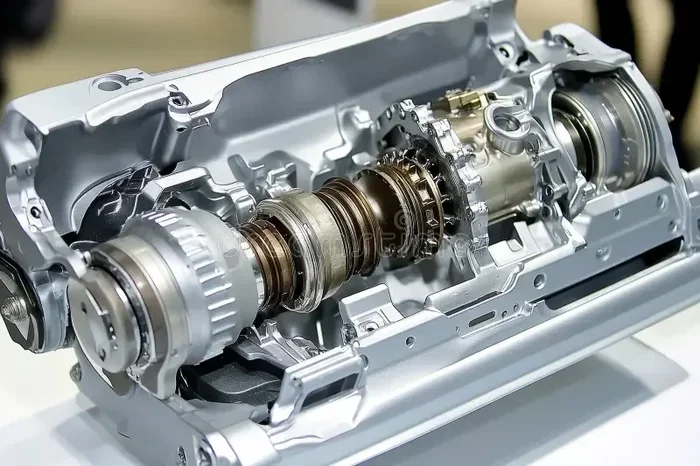
Manual transmission fluid is a special oil designed for gearboxes. It is not the same as engine oil. Engine oil lubricates the moving parts inside your engine. Transmission fluid does the same job, but for your gearbox. It reduces friction between the gears. It cools the transmission. And it helps the synchronizers work properly when you shift gears.
There are different types of manual gearbox fluid on the market. Some are mineral-based. Others are synthetic. The right type depends on your vehicle. Always check your owner’s manual. It will tell you exactly what kind of fluid to use. Using the wrong fluid can cause poor shifting. It can also lead to premature wear on your gears.
What Does Transmission Fluid Do?
The main job of manual transmission fluid is lubrication. But it does more than that. Here is a quick look at what it does:
- Lubricates gears: Reduces friction between metal parts.
- Cools the transmission: Carries heat away from moving components.
- Protects synchronizers: Helps gears engage smoothly.
- Prevents corrosion: Protects internal parts from rust.
- Transmits force: Helps transfer power through the gearbox.
Without clean, properly leveled fluid, your transmission will suffer. The gears will wear out faster. Shifting will become rough. And eventually, you could face a very expensive repair bill.
How to Check Your Manual Transmission Fluid Level
Checking your transmission fluid level is one of the simplest maintenance tasks you can do. Many people overlook this step. But a quick check can save you a lot of trouble. Here is how to do it the right way.
Step-by-Step Guide to Checking Fluid
First, park your car on a level surface. Engage the parking brake. Let the engine warm up for a few minutes. This gets the fluid circulating. Then, turn the engine off but leave the key in the ignition.
Now, locate the transmission fluid dipstick. On some vehicles, it is near the back of the engine. On others, you may need to look underneath the car. Consult your owner’s manual if you are not sure where it is.
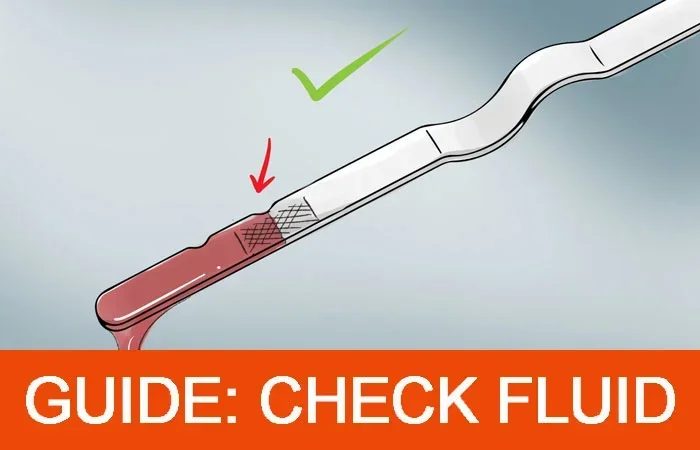
Pull the dipstick out. Wipe it clean with a rag. Reinsert it fully. Then pull it out again. Look at the fluid level on the dipstick. It should fall between the “full” and “add” marks. If it is below the “add” line, you need to add more fluid.
What Should the Fluid Look Like?
Healthy manual transmission fluid is usually clear or reddish. It should not smell burnt. If the fluid looks dark brown or black, it is old and needs to be changed. If it smells like burning toast, the fluid is overheating. Either of these signs means it is time for a transmission fluid change.
Also, check for any metal particles in the fluid. Tiny bits of metal are normal. But large particles could mean your gears are wearing down. If you see this, get your car inspected by a mechanic right away.
Signs That Your Manual Transmission Fluid Needs Attention
Your car will tell you when something is wrong with the transmission fluid. You just need to know what to look for. Here are the most common signs that your fluid level is low or the fluid is worn out.
Difficulty Shifting Gears
One of the first signs of low manual transmission fluid is trouble shifting. You might feel resistance when moving the gear stick. The gears might grind or click. In some cases, the gear might not engage at all. This happens because there is not enough fluid to create a smooth cushion between the gears.
Grinding Noises
Do you hear a grinding sound when you shift? This is a red flag. Grinding noises often mean the gears are not getting enough lubrication. The metal parts are rubbing against each other. Over time, this will cause serious damage. Check your fluid level right away if you notice this.
Slipping Gears
A slipping gear is when the car unexpectedly pops out of gear. Or the gear feels like it is not fully engaged. This can be dangerous, especially at higher speeds. Low transmission fluid is a common cause of gear slipping. The fluid cannot create enough pressure to keep the gears locked in place.
Burning Smell
If you smell something burning coming from under your hood, do not ignore it. A burnt smell usually means the transmission fluid is overheating. Old or low fluid cannot cool the transmission properly. This leads to increased friction and heat. Continuing to drive in this condition can destroy your transmission.
Fluid Leaks Under the Car
Look at the ground where you park. Do you see reddish or brownish puddles? That could be a transmission fluid leak. Leaks can happen from worn seals, a damaged drain plug, or a cracked housing. If you see a leak, check your fluid level and top it off. Then have a mechanic find and fix the source of the leak.
How Often Should You Change Manual Transmission Fluid?
Adding fluid is not the same as changing it. Over time, manual transmission fluid breaks down. It picks up metal particles and contaminants. The additives that protect your gears wear off. That is why regular fluid changes are so important.
Recommended Change Intervals
Most car manufacturers recommend changing manual gearbox fluid every 30,000 to 60,000 miles. However, this can vary. Some vehicles can go up to 100,000 miles between changes. Always follow the schedule in your owner’s manual. If you drive in tough conditions, you may need to change the fluid more often.
Tough conditions include things like:
- Stop-and-go city driving
- Towing heavy loads
- Driving in extreme heat or cold
- Frequent short trips
- Racing or spirited driving
How to Change Manual Transmission Fluid
Changing transmission fluid at home is possible if you have basic mechanical skills. Here is a simple overview of the process:
- Lift the car safely using jack stands.
- Locate the drain plug on the transmission housing.
- Place a catch pan underneath.
- Remove the drain plug and let the old fluid drain out.
- Replace the drain plug securely.
- Locate the fill plug on the side of the transmission.
- Remove the fill plug and pour in the new fluid.
- Check the level using the dipstick or fill plug method.
Always dispose of the old fluid properly. Take it to a recycling center or auto parts store that accepts used fluids. Never pour it down a drain or into the ground.
Common Mistakes People Make with Transmission Fluid
Even well-meaning car owners make mistakes when it comes to transmission fluid maintenance. Here are the most common ones and how to avoid them.
Using the Wrong Type of Fluid
This is the biggest mistake people make. Not all transmission fluid is the same. Using the wrong type can cause poor performance. It can even damage your gears. Always use the fluid type recommended by your car manufacturer. Check your owner’s manual or ask a trusted mechanic.
Ignoring Low Fluid Warnings
Some people notice low fluid and just keep topping it off without addressing the root cause. If your fluid is consistently low, you probably have a leak. Ignoring a leak will only make the problem worse. Find the source and fix it before it causes more damage.
Overfilling the Transmission
More fluid is not always better. Overfilling can cause foaming. Foamed fluid does not lubricate properly. It can also cause pressure buildup inside the transmission. Always add fluid in small amounts. Check the level frequently as you go.
Skipping Fluid Changes
Some car owners never change their manual transmission fluid. They just keep adding more as needed. This is a bad habit. Old fluid loses its protective properties. It becomes less effective at cooling and lubricating. Stick to the recommended change schedule and your transmission will thank you.
Neglecting Fluid Condition
It is not just about the level. You also need to pay attention to the condition of the fluid. Dark, burnt-smelling fluid is a sign that it is time for a change. Do not wait until you start experiencing problems. Be proactive about your transmission maintenance.
When to See a Professional for Transmission Fluid Issues
Many transmission fluid tasks are simple enough to do at home. But some situations call for a professional mechanic. Knowing when to seek help can save you time and money.
Persistent Leaks
If you keep topping off your fluid but it keeps running low, you have a leak. A mechanic can inspect the transmission and find the source. Leaks can come from many places. Gaskets, seals, and the transmission housing itself can all be culprits.
Unusual Noises or Vibrations
Strange sounds from your gearbox are never a good sign. Grinding, whining, or buzzing noises could point to a deeper problem. It might not just be low fluid. The gears or synchronizers could be worn. A professional diagnosis is the best way to find out for sure.
Transmission Overheating
If your transmission is overheating, the fluid alone may not be the problem. There could be an issue with the cooling system or internal components. A mechanic can run diagnostic tests and determine the cause. Addressing overheating early can prevent a complete transmission failure.
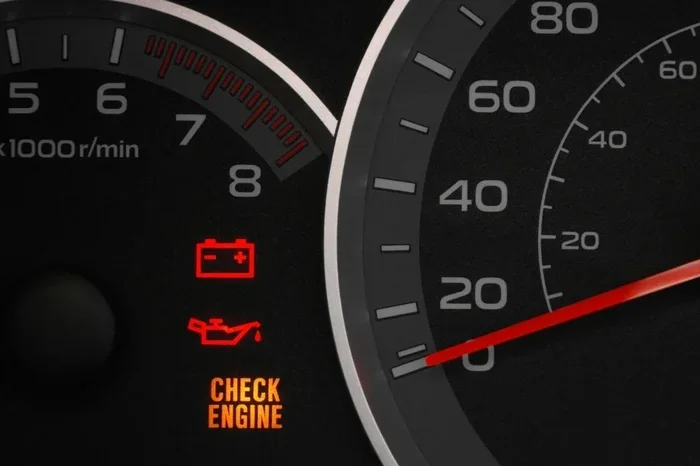
Check Engine or Transmission Warning Lights
Modern cars have sensors that monitor transmission health. If a warning light comes on, do not ignore it. Take your car to a shop that can read the diagnostic codes. These codes can reveal a lot about what is going on inside your transmission.
How Much Does Manual Transmission Fluid Cost?
The cost of manual transmission fluid is quite reasonable. A quart of quality fluid typically costs between $15 and $30. Most vehicles need between 2 and 4 quarts for a full change. So the total cost for fluid is usually between $30 and $120.
If you do the fluid change yourself, that is all you will spend. But if you take it to a shop, you will also pay for labor. A professional transmission fluid change can cost between $100 and $250, depending on your location and vehicle. Either way, it is a small price compared to the cost of a rebuilt or replaced transmission.
Is It Worth DIY?
Absolutely. If you are comfortable getting under your car, a DIY fluid change is a great way to save money. All you need is the right fluid, a catch pan, a ratchet, and about 30 minutes of your time. It is one of the easiest and most rewarding maintenance jobs you can do yourself.
Key Takeaways
- Manual transmission fluid is essential: It lubricates gears, reduces friction, and keeps your transmission running smoothly.
- You should check fluid levels regularly: A simple check can prevent costly repairs down the road.
- Low fluid causes real problems: Grinding gears, slipping, and difficulty shifting are all warning signs.
- Fluid changes matter: Most vehicles need a transmission fluid change every 30,000 to 60,000 miles.
- Not all fluids are the same: Using the wrong type can damage your gearbox.
- DIY checks are easy: You can check your fluid at home with basic tools and a little know-how.
- See a pro when unsure: Some transmission issues need expert diagnosis and repair.
Conclusion
So, do you need to add fluid to a manual transmission? Yes, you absolutely do. Manual transmission fluid is the lifeblood of your gearbox. It keeps everything lubricated, cooled, and working properly. Neglecting your fluid can lead to serious and expensive problems. But staying on top of your transmission maintenance is easy and affordable.
Check your fluid level regularly. Watch for warning signs like grinding noises or difficulty shifting. Change your fluid on schedule. And use the right type of fluid for your vehicle. These simple steps will keep your manual transmission running smoothly for many years to come. Take care of your gearbox, and it will take care of you.
FAQs
Can I use engine oil instead of manual transmission fluid?
No, you should not use engine oil in place of manual transmission fluid. Engine oil and transmission fluid have different formulations. Transmission fluid contains special additives for gear protection. Using engine oil can cause poor shifting and damage to your gearbox. Always use the fluid type recommended by your vehicle manufacturer.
How do I know if my manual transmission fluid is low?
The most common signs of low manual transmission fluid are grinding noises, difficulty shifting, and slipping gears. You may also notice a burning smell or see fluid leaks under your car. The best way to check is to use the dipstick and compare the level to the “full” and “add” marks. If it is low, add the recommended fluid type right away.
Is it okay to drive with low transmission fluid?
No, driving with low transmission fluid is not safe. It causes increased friction and heat inside the gearbox. This can lead to gear wear, slipping, and eventually complete transmission failure. If you suspect your fluid is low, check it immediately and top it off. Continuing to drive in this condition can result in very expensive repairs.
Can low transmission fluid cause the check engine light to come on?
Yes, in some cases, low transmission fluid can trigger the check engine light. Modern vehicles have sensors that monitor transmission performance. When fluid levels drop too low, these sensors may detect abnormal operation and illuminate the warning light. If your check engine light comes on, check your fluid level as one of the first steps.
How long does manual transmission fluid last?
Most manual transmission fluid lasts between 30,000 and 60,000 miles. However, this can vary based on driving conditions and the type of fluid used. If you drive in harsh conditions like stop-and-go traffic or extreme temperatures, your fluid may break down faster. Always check your owner’s manual for the manufacturer’s recommended change interval.
What color should manual transmission fluid be?
Healthy manual transmission fluid is usually clear, reddish, or light amber in color. If the fluid turns dark brown or black, it is old and needs to be changed. A burnt smell or visible metal particles in the fluid are also signs that a transmission fluid change is overdue. Regularly checking the color of your fluid is a great way to monitor your transmission health.