How Do You Start a Car With a Dead Key Battery Quickly
Starting a car with a dead key battery is easier than you think. You can use emergency start methods, replace the battery yourself, or borrow power from another source. This guide covers every quick fix, from using the physical key to jump-starting the transponder system. You will learn how to identify a dying key battery, replace it in minutes, and prevent future dead batteries.
There is nothing more frustrating than standing by your car, ready to head out, and realizing your key will not turn on the engine. A dead key battery can leave you stuck in your driveway or a parking lot. But here is the good news. You do not need to call a tow truck or panic. There are several reliable ways to get your car running again.
This guide walks you through every method to start a car with a dead key battery. We also cover how to replace the battery, prevent future problems, and know when to get professional help. Whether you drive a sedan, SUV, or truck, these tips apply to most modern vehicles.
Key Takeaways
- Multiple backup methods exist: You can start your car even when the key battery is completely dead using several simple techniques.
- Replacing the key battery is easy: Most key fobs use common coin-cell batteries that you can swap in under five minutes.
- Recognizing early warning signs saves you: Reduced range and flickering lights on your key fob signal a dying battery before it dies completely.
- Prevention is simple: Regular battery replacement every 1-2 years keeps you from getting stranded.
- Know when to call for help: Some situations require a locksmith or roadside assistance, and that is perfectly okay.
📑 Table of Contents
- Why Your Key Battery Dies
- Signs Your Key Battery Is About to Die
- How to Start Your Car With a Dead Key Battery
- How to Replace Your Key Battery
- How to Prevent Dead Key Batteries
- Common Mistakes People Make With Dead Key Batteries
- When to See a Professional
- Expert Insight: What Automotive Technicians Recommend
- Comparison: Key Battery Replacement vs. Emergency Start Methods
- Key Takeaways
Why Your Key Battery Dies
Understanding why your key battery dies helps you prevent it from happening again. Most car key fobs use small coin-cell batteries. These batteries power the remote functions and the transponder chip that communicates with your car.
The battery life typically lasts between one and two years. However, cold weather, frequent use, and low-quality batteries can shorten that lifespan significantly. When the battery drains completely, the key fob loses its ability to send a signal to the car’s immobilizer system.
Common Causes of Key Battery Failure
- Age: Batteries naturally degrade over time, even if you rarely use the key.
- Cold temperatures: Winter weather drains battery power faster than normal.
- Moisture exposure: Sweat or rain can corrode the battery contacts inside the key fob.
- Accidental button presses: Sitting in a pocket or bag, buttons can get pressed and drain power overnight.
- Low-quality batteries: Cheap batteries often have less capacity and die sooner.
Most modern cars use CR2025 or CR2032 batteries. These are inexpensive and easy to find at any grocery store or pharmacy. Knowing which battery your key uses is the first step toward a quick fix.
Signs Your Key Battery Is About to Die
Catching a dying key battery early saves you from a stressful morning. Most key fobs give clear warning signs before the battery dies completely. Paying attention to these signals keeps you prepared.
Warning Signs to Watch For
- Reduced range: You need to stand closer to the car for the key fob to work.
- Delayed response: The doors or trunk take longer to lock or unlock.
- Intermittent function: The key works sometimes but not others, especially in cold weather.
- Warning light on the dashboard: Some newer vehicles display a key battery warning symbol.
- Clicking sound but no start: The car recognizes the key partially but cannot fully engage the ignition.
If you notice any of these signs, replace the battery right away. Keeping a spare battery in your glove box is a smart habit. It takes about 30 seconds to swap it out and costs less than a few dollars.
How to Start Your Car With a Dead Key Battery
When your key battery is completely dead, you still have options. Modern vehicles are designed with backup methods to help you start the engine. Here are the most effective ways to get going.
Method 1: Use the Physical Key Blade
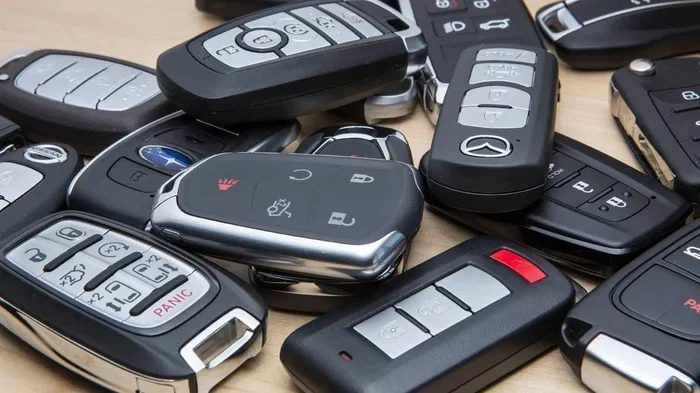
Most key fobs have a hidden mechanical key blade tucked inside. This is your first backup option. Look for a small release button or sliding mechanism on the fob. Slide it out, and you have a traditional key.
Insert the physical key into the ignition cylinder or the door lock. Turn it to start the car or unlock the door. Once inside, some vehicles allow you to place the fob directly on the start button even with a dead battery. The car reads the transponder chip through proximity.
This method works on older models and many newer vehicles. Check your owner’s manual to confirm your specific car’s backup entry method.
Method 2: Place the Key Fob Against the Start Button
Many modern cars with push-button start have a backup reader built into the start button or steering column. Even with a dead battery, the transponder chip inside the fob still emits a low-frequency signal.
Hold the key fob directly against the start button. Press the button as you normally would. The car should detect the chip and allow the engine to start. This trick works because the proximity sensor is very sensitive.
For some vehicles, you need to place the fob on the steering column rather than the center console. Refer to your car’s manual for the exact location. This method is a lifesaver when you are in a hurry and do not have a replacement battery handy.
Method 3: Use the Hidden Key to Unlock and Start
If placing the fob on the start button does not work, use the hidden mechanical key to unlock the driver’s door. Once inside, some cars let you start the engine by pressing the start button while holding the fob against a specific spot on the dashboard.
Other vehicles have a dedicated slot for the key fob near the steering column or center console. Slide the fob into this slot and press the start button. The car reads the chip directly through the slot.
This method is especially helpful for vehicles with a traditional ignition cylinder as well. You can insert the physical key into the ignition and turn it to start the engine the old-fashioned way.
Method 4: Borrow Power From Another Key Fob
If someone else has the same car model, their key fob might work for you. Place your dead fob against their working fob. The working fob can sometimes boost the signal enough for the car to recognize the transponder.
This is not a universal fix, but it works on several car brands. Try placing the two fobs together near the start button or ignition. If the car starts, you know the issue was simply a dead battery.
Method 5: Use a Portable Car Jump Starter
A portable jump starter is a compact device you keep in your trunk. It provides enough power to start your car even with a completely dead key battery. Connect the jump starter to the car battery terminals and follow the device instructions.
This method bypasses the key fob issue entirely. The car starts using the jump starter’s power, and the engine runs normally. Once the car is running, the alternator takes over and charges the battery.
Jump starters are affordable and compact. They also work in emergencies when your car battery itself is dead. Keeping one in your trunk is one of the best emergency car maintenance habits you can build.
Method 6: Call Roadside Assistance
When none of the above methods work, call for help. Roadside assistance services can send a technician with a replacement battery or a jump start. Many insurance policies and car warranties include this service at no extra cost.
Keep the phone number for your roadside assistance provider saved in your phone. This saves valuable time when you are stranded. A professional can also diagnose whether the problem is the key battery or something else entirely.
How to Replace Your Key Battery
Replacing the battery in your key fob is one of the easiest car maintenance tasks. You can do it at home in less than five minutes. No special tools are required.
Step-by-Step Battery Replacement
- Identify the correct battery type: Check your owner’s manual or look at the old battery. Most keys use CR2025 or CR2032 coin-cell batteries.
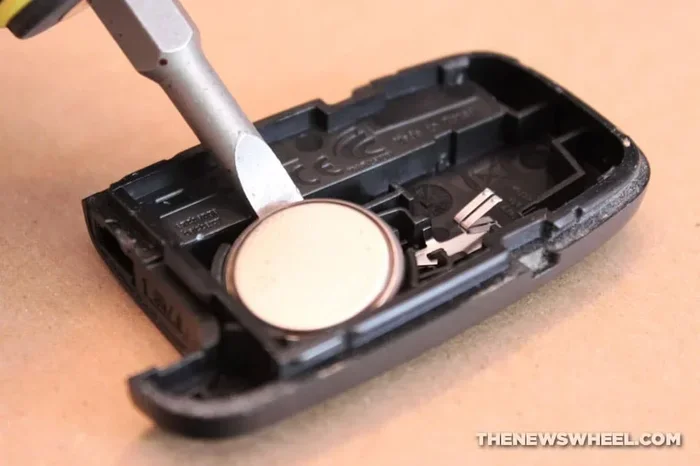
- Open the key fob: Use a small flathead screwdriver or a coin to pry open the fob casing. Look for a seam along the edge.
- Remove the old battery: Note the orientation of the old battery. It usually sits in a small cradle or slot.
- Insert the new battery: Place the new battery in the same orientation as the old one. Make sure it sits flush in the cradle.
- Snap the fob back together: Press both halves of the fob until they click into place.
- Test the key: Stand near your car and try locking and unlocking the doors. Then try starting the engine.
Buy batteries from reputable brands. Cheap batteries may not last as long and could leak inside the fob. A quality battery costs about two to five dollars and lasts over a year.
Quick Tips for Battery Replacement
- Always carry a spare battery in your wallet or glove box.
- Wash your hands before handling the battery to avoid moisture damage.
- Do not mix old and new batteries.
- Dispose of old batteries properly at a recycling center.
- Keep the fob away from metal objects that could short-circuit the battery contacts.
How to Prevent Dead Key Batteries
Prevention is always better than a roadside fix. A few simple habits keep your key battery healthy and your car starting smoothly every time.
Simple Prevention Habits
- Replace the battery on schedule: Change the battery every 12 to 18 months, even if it still works.
- Avoid extreme temperatures: Do not leave your key fob in direct sunlight or in a freezing car overnight.
- Store the key properly: Keep the fob away from other electronic devices that could interfere with the signal.
- Check the battery contacts: Periodically open the fob and inspect for corrosion or dirt on the battery contacts.
- Use quality batteries: Invest in trusted brands like Energizer or Duracell for longer-lasting performance.
Some cars have a key battery indicator on the dashboard. If your vehicle has this feature, pay attention to it. It gives you advance notice before the battery dies completely.
How Often Should You Replace the Key Battery?
Most automotive experts recommend replacing the key fob battery once a year. If you live in a cold climate or use your remote functions frequently, consider replacing it every eight months. This small investment saves you from the hassle of a dead battery at the worst possible moment.
Common Mistakes People Make With Dead Key Batteries
Avoid these common mistakes that make a dead key battery situation worse or last longer than it needs to.
Mistakes to Avoid
- Panic and calling a locksmith immediately: Try the backup methods first. Most of the time, the physical key blade works fine.
- Using the wrong battery type: A slightly different battery size can cause connection problems or damage the fob.
- Forcing the fob open: If the casing does not open easily, check for a hidden release latch. Forcing it can break the plastic clips.
- Ignoring the warning signs: Dismissing reduced range or delayed response leads to a completely dead battery when you need it most.
- Leaving the fob near electronic devices: Phones, tablets, and other electronics can drain the key battery faster through signal interference.
Taking a calm, systematic approach saves time and money. Most dead key battery situations resolve in under five minutes with the right method.
When to See a Professional
Sometimes a dead key battery is a symptom of a bigger problem. If you replace the battery and the key still does not work, something else may be going on.
A faulty transponder chip, a damaged key fob circuit board, or a car immobilizer issue could be the root cause. A locksmith or dealership mechanic can diagnose these problems quickly.
Do not hesitate to seek professional help if you are unsure. Trying to force the issue or repeatedly using emergency methods can sometimes cause additional problems. A trained expert has the right tools and knowledge to fix the issue safely.
Also consider professional help if your car does not have a backup mechanical key or a hidden start method. Some newer vehicles rely entirely on the key fob, and a dead battery can lock you out completely. In these cases, a locksmith with the right equipment can get you back into your car without damage.
Expert Insight: What Automotive Technicians Recommend
Experienced auto technicians agree that preparation is the best defense against a dead key battery. They recommend keeping a spare key fob at home and a spare battery in your vehicle at all times.
“The number one thing I tell my customers is to never wait until the key stops working to replace the battery,” says certified automotive technician Mike Torres. “A proactive replacement every year takes five minutes and saves hours of frustration.”
Technicians also emphasize learning your specific vehicle’s backup start method. Every car brand handles a dead key fob slightly differently. Spend ten minutes reading the relevant section in your owner’s manual. This small investment pays off the first time your key battery dies unexpectedly.
Comparison: Key Battery Replacement vs. Emergency Start Methods
Here is a quick comparison of the most common approaches to dealing with a dead key battery.
| Method | Time Required | Cost | Difficulty Level | Best For |
|---|---|---|---|---|
| Physical Key Blade | 1-2 minutes | Free | Easy | Immediate backup |
| Fob Against Start Button | 1 minute | Free | Very Easy | Push-button start cars |
| Battery Replacement | 3-5 minutes | $2-$5 | Easy | Long-term fix |
| Borrow Power From Another Fob | 2 minutes | Free | Easy | Same car model available |
| Portable Jump Starter | 5-10 minutes | $40-$100 (device) | Moderate | Car battery also dead |
| Roadside Assistance | 20-45 minutes | Varies | No effort | When all else fails |
As the table shows, most methods are quick and cost nothing. The physical key blade and placing the fob against the start button are the fastest solutions. Battery replacement is the most reliable long-term fix.
Key Takeaways
- A dead key battery does not mean you are stranded: Multiple backup methods work for most vehicles.
- The physical key blade is your best friend: Every key fob has one hidden inside. Know where it is before you need it.
- Battery replacement takes minutes: Keep spare CR2025 or CR2032 batteries in your glove box at all times.
- Prevention saves time and money: Replace your key battery annually and watch for early warning signs.
- Know your car’s specific backup methods: Read your owner’s manual and familiarize yourself with the hidden start slot or proximity reader.
- Professional help is always available: Locksmiths and roadside assistance can handle situations you cannot resolve yourself.
Dealing with a dead key battery is a common experience for every car owner at some point. The key is to stay calm and work through the options systematically. Start with the simplest method, the physical key blade, and move to the next option if needed.
Keeping spare batteries, a portable jump starter, and your owner’s manual in your car transforms a stressful situation into a minor inconvenience. These small preparations make a huge difference when you are in a hurry or dealing with bad weather.
Remember that a dead key battery is a temporary problem with permanent solutions. Replace the battery, practice the backup methods, and you will never be stuck wondering how to start your car again. Take a few minutes today to check your key battery and prepare for the future. Your future self will thank you when the battery inevitably dies on a busy Monday morning.
Frequently Asked Questions
Can I start my car with a completely dead key fob?
Yes, you can. Most modern cars have a backup method that reads the transponder chip even when the battery is dead. Try placing the fob directly against the start button or steering column. You can also use the hidden mechanical key blade to unlock the door and start the car manually.
What type of battery does a car key fob use?
Most car key fobs use CR2025 or CR2032 coin-cell batteries. Check your owner’s manual or look at the old battery to confirm the exact type. These batteries are available at any grocery store, pharmacy, or auto parts shop for just a few dollars.
How long does a car key battery last?
A car key battery typically lasts between one and two years. Cold weather, frequent use, and low-quality batteries can shorten this lifespan. Replacing the battery annually is the best practice to avoid unexpected failure.
What should I do if the key fob still does not work after replacing the battery?
If the new battery does not fix the issue, the problem may be with the transponder chip or the key fob’s internal circuit board. Try resetting the fob by holding the unlock and lock buttons together for ten seconds. If that does not work, consult a locksmith or dealership mechanic for further diagnosis.
Is it safe to use a jump starter to start a car with a dead key battery?
Yes, it is safe. A portable jump starter provides power directly to the car battery, bypassing the key fob entirely. The engine starts normally, and the alternator takes over once the car is running. Just follow the jump starter instructions carefully to avoid any issues.
How can I prevent my key battery from dying unexpectedly?
Replace the battery every 12 to 18 months, keep a spare battery in your glove box, and avoid exposing the key fob to extreme temperatures. Also, check for early warning signs like reduced range or delayed response. These simple habits keep your key working reliably year-round.
=== CONCLUSION ===
Knowing how to start a car with a dead key battery quickly is an essential skill for every driver. You now have multiple reliable methods to get back on the road in minutes. From using the physical key blade to placing the fob against the start button, each method is simple and effective.
Replacing the key battery yourself takes just a few minutes and costs almost nothing. Prevention through regular battery replacement keeps you ahead of the problem entirely. And when all else fails, roadside assistance and professional locksmiths are always there to help.
Take action today. Check your key fob battery, keep spare batteries in your car, and familiarize yourself with your vehicle’s backup start method. These small steps give you confidence and peace of mind every time you approach your car. A dead key battery is never fun, but with the right knowledge, it is never a crisis either.