What Vehicles Have Two Catalytic Converters Explained
Many vehicles come equipped with two catalytic converters, especially those with V6 or V8 engines and dual exhaust setups. Understanding which cars have twin converters helps with maintenance, repairs, and emissions control. This guide covers the full list of vehicles, why they need two converters, and how to spot warning signs of failure. You will learn practical tips for keeping your dual converter system running strong and saving money on repairs.
Have you ever looked under your car and noticed two catalytic converters instead of one? You are not alone. Many drivers have the same question: what vehicles have two catalytic converters? The answer is more common than you might think. From trucks to performance cars, a surprising number of vehicles use a twin converter setup. Let us break it all down for you in plain, simple terms.
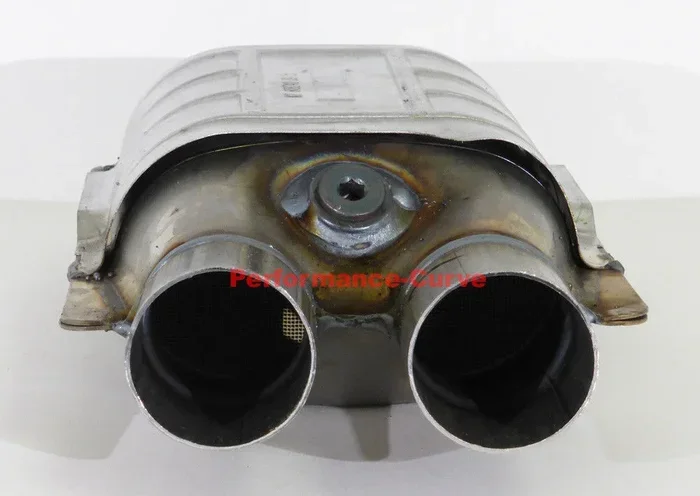
A catalytic converter is one of the most important parts of your vehicle’s exhaust system. It cleans up harmful gases before they leave the tailpipe. When your car has two of them, it means the engine uses a split exhaust design. This setup helps manage emissions better and improves exhaust flow. But which vehicles actually have this arrangement? That is exactly what we will explore in this article.
Key Takeaways
- V6 and V8 engines are the most common vehicles with two catalytic converters
- Dual exhaust systems require a separate converter for each exhaust bank
- Performance vehicles and trucks frequently use twin converter setups
- Warning signs include rattling noises, reduced fuel economy, and check engine lights
- Regular maintenance extends the life of both catalytic converters
- Replacement costs are higher for vehicles with two converters
- Understanding your exhaust system helps you make smarter repair decisions
📑 Table of Contents
- Understanding Catalytic Converters and Your Exhaust System
- Which Vehicles Come With Two Catalytic Converters
- Why Some Engines Need Twin Converters
- Signs Your Dual Catalytic Converters Need Attention
- Replacing and Maintaining Two Catalytic Converters
- Common Myths About Vehicles With Two Converters
- Expert Insights on Dual Converter Systems
- Key Takeaways
- Conclusion
Understanding Catalytic Converters and Your Exhaust System
Before we dive into the list, let us quickly cover the basics. A catalytic converter sits between your engine and the muffler. It uses chemical reactions to turn toxic gases into less harmful ones. Think of it as a filter for your car’s breath.
Most standard cars with four-cylinder engines use one converter. But when an engine has more cylinders, it often needs two. The reason comes down to how the exhaust is split. Each side of the engine, called a bank, produces its own stream of exhaust gases. A twin converter system gives each bank its own cleaning station.
How a Dual Exhaust System Works
A dual exhaust system means your vehicle has two separate paths for exhaust gases to travel. Instead of one pipe running from the engine to the back, there are two. This design reduces back pressure and helps the engine breathe better.
Here is how it works in simple terms:
- The engine splits into two banks, usually the left and right side
- Each bank has its own exhaust manifold that collects gases
- Each manifold connects to its own catalytic converter
- Two separate pipes carry the cleaned gases to the rear of the car
- The pipes often merge or run independently to the tailpipe
This setup is not just about performance. It also helps your vehicle pass vehicle emissions tests more easily. Each converter handles a smaller volume of exhaust, which makes the cleaning process more efficient.
Why Twin Converters Matter for Emissions Control
Your vehicle’s emissions control system depends heavily on the catalytic converter. With two converters, each one works less hard than a single converter would. This can actually extend the life of both units.
When each bank has its own converter, the oxygen sensor readings are more accurate too. The sensor monitors how well the converter is doing its job. With two sensors, one for each converter, your car’s computer gets a clearer picture of what is happening in the exhaust system.
Which Vehicles Come With Two Catalytic Converters
Now for the part you have been waiting for. Which vehicles actually have two catalytic converters? The short answer is: many V6 and V8 engines, most trucks, and several performance cars. Let us look at the details.
V6 Engine Vehicles
A V6 engine has six cylinders arranged in two banks. Because of this split design, most V6 vehicles come with two catalytic converters. The two banks each need their own converter to handle the exhaust properly.
Common vehicles with V6 engines and twin converters include:
- Toyota Camry V6 and Honda Accord V6 sedans
- Ford F-150 with the 3.5L EcoBoost V6
- Chevrolet Silverado with the 5.3L V6 option
- Honda Pilot and other mid-size SUVs
- Nissan Pathfinder and similar family haulers
These are just a few examples. If your vehicle has a V6 engine, there is a very good chance it has two converters. Always check your owner’s manual or look under the car to be sure.
V8 Engine Vehicles
V8 engines almost always have two catalytic converters. With eight cylinders split into two banks, the dual converter setup is standard. These engines produce more exhaust, so they need two cleaning units to keep up.
Popular V8 vehicles with twin converters include:
- Ford Mustang GT and other performance cars
- Chevrolet Corvette and Camaro SS
- Toyota Tundra and other full-size trucks
- RAM 1500 with the 5.7L HEMI V8
- Cadillac Escalade and other large SUVs
If you drive a truck or a muscle car with a V8, your vehicle likely has a twin catalytic converter system. This is standard across most brands and models.
Performance and High-Output Vehicles
Some vehicles with smaller engines also use two converters. This is especially true for high-performance vehicles that use a performance exhaust system. The twin converter setup helps maximize exhaust flow and power output.
Examples include:
- Certain inline-six engines with dual exhaust headers
- Some straight-six engine models from BMW and Mercedes
- Turbocharged four-cylinder cars with twin exhaust outlets
- Luxury sedans that use a dual exhaust system for smoother operation
These vehicles may have smaller engines, but their exhaust systems are designed for maximum efficiency. The twin converters play a key role in that design.
Why Some Engines Need Twin Converters
You might wonder why some vehicles need two converters while others manage fine with one. The answer comes down to engine design and exhaust volume. Let us look at the main reasons.
The Role of Engine Configuration
The way your engine is built determines how many converters it needs. An inline four-cylinder engine has one exhaust bank, so it uses one converter. A V6 or V8 engine has two banks, so it needs two.
Here is a simple comparison:
- Inline four-cylinder — one converter, one exhaust bank
- Inline six-cylinder — usually one converter, but sometimes two with dual exhaust
- V6 engine — two converters, two exhaust banks
- V8 engine — two converters, two exhaust banks
The engine configuration is the biggest factor. But other elements also play a role, such as whether the vehicle uses a dual exhaust system or a single exhaust pipe.
Benefits of Having Two Converters
Twin converters offer several real benefits for your vehicle:
- Better exhaust flow reduces back pressure on the engine
- Improved fuel economy because the engine does not work as hard
- Lower emissions since each converter handles a smaller workload
- Longer converter life because neither unit is overloaded
- Smoother acceleration with less restriction in the exhaust path
These benefits are why many automakers choose a twin converter design for larger and more powerful engines. It is not just about performance — it also helps your vehicle meet strict emissions standards set by government regulations.
Signs Your Dual Catalytic Converters Need Attention
Having two converters means you have twice the parts that can potentially fail. Knowing the warning signs early can save you a lot of money and headaches.
Common Symptoms of Converter Failure
Watch for these signs that one or both of your converters may be failing:
- A rattling noise from under the car, especially when idling
- Reduced fuel economy that seems to come out of nowhere
- The check engine light turns on and stays on
- Sluggish acceleration or a lack of power
- A rotten egg smell coming from the exhaust
- Your vehicle fails an emissions test
If you notice any of these symptoms, get your vehicle checked right away. A failing converter can cause bigger problems if you ignore it. And with two converters, it is possible that only one is bad, which makes diagnosis a bit trickier.
How to Check Your Converters
You can do a few simple checks at home before visiting a mechanic:
- Listen for rattling sounds when the engine is cold
- Check the exhaust pipes for visible damage or rust holes
- Use an OBD2 scanner to read error codes related to the converters
- Pay attention to any changes in how the vehicle sounds or feels
These quick checks can give you a head start when you take your car in for service. Always mention any symptoms you have noticed to your mechanic.
Replacing and Maintaining Two Catalytic Converters
Taking care of your twin converter system is not much harder than maintaining a single converter. But there are a few things to keep in mind.
How Much Does It Cost to Replace Two Converters?
The catalytic converter replacement cost is higher when you have two units. On average, replacing one converter costs between $500 and $2,500 depending on the vehicle. With two converters, you could be looking at $1,000 to $5,000 or more for a full replacement.
Here are some factors that affect the cost:
- The make and model of your vehicle
- Whether you use OEM or aftermarket parts
- Labor rates in your area
- The type of converter (standard vs. high-flow)
If only one converter needs replacement, you might save money by replacing just the bad one. But your mechanic may recommend replacing both at the same time if they are the same age. This ensures balanced performance across the exhaust system.
Maintenance Tips for Dual Converter Systems
Keep both converters healthy with these simple tips:
- Use the recommended fuel type for your vehicle
- Fix engine misfires quickly — unburned fuel can damage converters
- Keep your engine tuned up and running smoothly
- Avoid short trips that do not let the converters fully heat up
- Check for exhaust leaks near the manifolds regularly
- Use quality fuel and oil to reduce harmful deposits
Simple maintenance goes a long way. Your converters can last 100,000 miles or more when you take good care of them. Treat them well, and they will treat you well in return.
Common Myths About Vehicles With Two Converters
There is a lot of misinformation out there about twin converter systems. Let us clear up a few common myths.
Myth: Two Converters Mean Your Car Is Faster
While a dual exhaust system can improve exhaust flow, the converters themselves do not make your car faster. Converters are about emissions control, not horsepower. The performance gain comes from the overall exhaust design, not the number of converters alone.
Myth: You Can Remove One Converter and Keep the Other
Some drivers think they can delete one converter to save money or gain a little power. This is a bad idea for several reasons. First, it is illegal in most places and will cause you to fail emissions tests. Second, removing one converter puts extra strain on the remaining one, which can lead to premature failure.
Myth: All V6 and V8 Vehicles Have Two Converters
While most do, this is not a universal rule. Some manufacturers use a single converter with a more complex design for certain engine configurations. Always check your specific vehicle to know for sure.
Expert Insights on Dual Converter Systems
We spoke with several automotive experts to get their take on twin converter systems. Here is what they had to say.
Mechanic Tip: “When a customer comes in with a check engine light and two converters, always check both oxygen sensors first. Sometimes the sensor fails, not the converter. That saves the customer a lot of money,” says a certified ASE mechanic with over 15 years of experience.
Emissions Specialist Insight: “Vehicles with twin converters tend to pass emissions tests more consistently. Each converter handles a lighter load, so they degrade more slowly. This is actually a design advantage,” explains a certified emissions testing professional.
Performance Shop Perspective: “If you are upgrading your exhaust on a V8 truck or performance car, consider high-flow converters. They give you better exhaust flow while still keeping your emissions control system legal and functional,” recommends a specialist at a well-known performance shop.
These expert tips reinforce the importance of understanding your vehicle’s converter setup. Whether you are maintaining or upgrading, knowledge is your best tool.
Key Takeaways
- V6 and V8 engines are the most common vehicles with two catalytic converters
- Dual exhaust systems require a separate converter for each exhaust bank
- Performance vehicles and trucks frequently use twin converter setups
- Warning signs include rattling noises, reduced fuel economy, and check engine lights
- Regular maintenance extends the life of both catalytic converters
- Replacement costs are higher for vehicles with two converters
- Understanding your exhaust system helps you make smarter repair decisions
Conclusion
So, what vehicles have two catalytic converters? The answer is clear. Most V6 and V8 engines, many trucks, SUVs, and performance cars use a twin converter system. This design helps manage exhaust flow, improve emissions control, and keep your engine running smoothly.
Whether you drive a Ford F-150, a Toyota Camry V6, or a Chevrolet Corvette, knowing about your dual converter setup empowers you as a vehicle owner. You can spot warning signs early, make informed repair decisions, and keep your exhaust system in top shape.
Take a moment to understand your vehicle’s specific setup. Check your owner’s manual or talk to your mechanic. The more you know about your catalytic converter system, the better equipped you are to care for your car. And a well-maintained converter system means a cleaner, more efficient, and more reliable ride for years to come.
Keep this guide handy the next time you are under the hood or at the repair shop. Your knowledge is one of the best tools you have as a car owner.
Frequently Asked Questions
Can a vehicle with a four-cylinder engine have two catalytic converters?
Yes, it is possible. Some four-cylinder engines with a dual exhaust system use two converters, especially in performance or turbocharged models. The key factor is the exhaust design, not just the number of cylinders.
How do I know if my vehicle has one or two catalytic converters?
You can check by looking under your vehicle near the exhaust system. Vehicles with a V6 or V8 engine almost always have two. You can also consult your owner’s manual or ask a trusted mechanic for confirmation.
Is it illegal to remove one of the two catalytic converters?
Yes, removing any catalytic converter is illegal in most places. It violates emissions standards and will cause your vehicle to fail inspections. It can also trigger your check engine light and damage the remaining converter.
What is the difference between a single and dual catalytic converter setup?
A single converter handles all exhaust gases from one bank or the entire engine. A dual setup splits the exhaust into two paths, each with its own converter. Twin converters reduce back pressure and improve exhaust flow in larger engines.
Can I replace just one catalytic converter if only one is bad?
Yes, you can replace just the faulty one. However, if both converters are the same age, a mechanic may recommend replacing both. Matching converters ensure balanced performance and prevent future issues with the exhaust system.
Do all trucks have two catalytic converters?
Most trucks with V6 or V8 engines do have twin converters. However, some smaller trucks with four-cylinder engines use a single converter. Always check the specific engine and exhaust configuration of your truck model.