How Do I Know When My Hybrid Battery Needs Replacing
Knowing when your hybrid battery needs replacing can save you thousands of dollars and prevent unexpected breakdowns. Watch for reduced fuel economy, warning lights, and sluggish performance. This guide walks you through every sign, test, and cost factor so you can make a confident decision about your hybrid battery replacement.
Owning a hybrid vehicle brings a lot of perks. Better fuel economy, smoother driving, and a smaller carbon footprint top the list. But like any car part, your hybrid battery has a shelf life. The big question most owners face is simple: how do I know when my hybrid battery needs replacing?
The answer is not as complicated as you might think. There are clear warning signs that tell you something is off. Your car talks to you through dashboard lights, driving behavior, and even your wallet. Paying attention to these signals can save you from a roadside breakdown or a costly repair bill.
In this guide, we break down every sign, test, and cost detail you need to know. Whether you drive a Toyota Prius, a Honda Insight, or another popular hybrid model, this article covers it all. We will walk you through the symptoms, the diagnostic steps, and the best next moves. By the end, you will feel confident about your decision.
Let us dive in and take the mystery out of hybrid battery health. Your wallet and your car will thank you.
Key Takeaways
- Reduced fuel economy is often the first red flag: If your miles per gallon drop noticeably, your hybrid battery may be losing capacity.
- Dashboard warning lights should never be ignored: The check engine light, battery warning light, and regenerative braking alerts all point to potential battery issues.
- Hybrid battery replacement cost varies widely: Expect to pay between $1,000 and $6,000+ depending on your vehicle model and battery type.
- Professional battery testing gives you a clear answer: A state of health check reveals whether your battery cells are balanced and functioning properly.
- Regular maintenance extends battery life: Simple habits like avoiding extreme temperatures and keeping charge levels stable can add years to your hybrid battery.
- Warranty coverage may help with costs: Most hybrid batteries come with an 8-year or 100,000-mile warranty, so check your coverage before paying out of pocket.
📑 Table of Contents
- Understanding Your Hybrid Battery
- Common Signs Your Hybrid Battery Is Failing
- Hybrid Battery Warning Lights and Dashboard Alerts
- Hybrid Battery Replacement Cost and Timeline
- How to Test Your Hybrid Battery Health
- Preventive Maintenance Tips for Hybrid Batteries
- When to Replace vs. When to Repair
- Final Thoughts on Hybrid Battery Replacement
Understanding Your Hybrid Battery
Before you can spot problems, you need to understand what your hybrid battery does and how it works. A hybrid battery stores energy that powers the electric motor. It also captures energy during braking through a process called regenerative braking. This clever system helps you get better gas mileage and smoother acceleration.
Most hybrid vehicles use either nickel-metal hydride batteries or lithium-ion batteries. Older models tend to use nickel-metal hydride, while newer ones often use lithium-ion technology. Both types degrade over time, just like any rechargeable battery you own. The key difference is how quickly they lose capacity and how much it costs to replace them.
How Long Should a Hybrid Battery Last?
A well-maintained hybrid battery typically lasts between 8 and 15 years. Some drivers push their battery packs well past 150,000 miles without major issues. However, driving habits, climate, and maintenance play a huge role in battery longevity. If you live in an extremely hot or cold area, your battery may wear out faster than expected.
The average hybrid car battery life falls somewhere in the middle of that range. Most manufacturers design their battery packs to last at least 100,000 miles. But keep in mind that individual cells inside the pack can weaken over time. When enough cells degrade, the whole battery pack starts to show its age.
What Is Battery State of Health?
State of health, or SOH, is a measure of how much capacity your battery retains compared to when it was new. A brand-new hybrid battery has 100% state of health. Once it drops below 80%, you will likely start noticing performance issues. Professional mechanics use diagnostic tools to measure this accurately.
Think of it like a phone battery. When your phone holds less charge than it used to, you know it is aging. Your hybrid battery works the same way, just on a much larger scale. Tracking your state of health helps you catch problems early before they become expensive.
Common Signs Your Hybrid Battery Is Failing
Your car gives you plenty of clues when the hybrid battery starts to decline. The trick is knowing what to look for. Here are the most common signs that your battery pack is losing its punch.
Reduced Fuel Economy
This is often the very first sign people notice. You fill up your tank more often, even though your driving habits have not changed. A healthy hybrid battery helps you squeeze every mile out of each gallon. When the battery weakens, the gas engine takes on more work than it should.
For example, if you used to average 50 miles per gallon and now you are getting 38, that is a big red flag. The drop might be gradual, so it helps to track your fuel economy over time. Many hybrid owners use a simple spreadsheet or a phone app to log their mileage. This makes it easy to spot trends before they become serious problems.
Loss of Electric-Only Driving Mode
Most hybrids can run on electric power alone at low speeds or in stop-and-go traffic. If your car suddenly loses this ability, the battery may not hold enough charge. You might notice the gas engine kicking in more often, even at low speeds where it should stay off.
This is especially noticeable during city driving. A healthy battery lets you glide silently through parking lots and neighborhoods. When that quiet electric mode disappears, it is time to investigate further.
Sluggish Acceleration and Power Loss
A failing hybrid battery cannot deliver the power the electric motor needs. You may feel a delay when you press the accelerator. Some drivers describe it as a lack of punch or responsiveness. The car feels heavy or slow, especially when climbing hills or merging onto highways.
This happens because the electric motor and gas engine work together. When one part underperforms, the whole system suffers. If your once-peppy hybrid feels sluggish, do not ignore it. Early intervention can prevent a full battery failure.
Unusual Noises from the Battery Area
Some hybrids make faint humming or clicking sounds during normal operation. But if you hear new grinding, whining, or buzzing noises, pay attention. These sounds can indicate internal battery damage or failing cooling fans. Strange noises are never normal and should be checked by a professional right away.
Battery Cells Imbalance
Inside your battery pack, individual cells work together as a team. When one or more cells start to fail, the others have to work harder. This is called a cells imbalance, and it accelerates the decline of the entire pack. A mechanic can test each cell individually to find weak spots.
Imbalance problems often start small and grow over time. You might notice occasional stalling or irregular power delivery at first. As the imbalance worsens, symptoms become more frequent and more severe.
Hybrid Battery Warning Lights and Dashboard Alerts
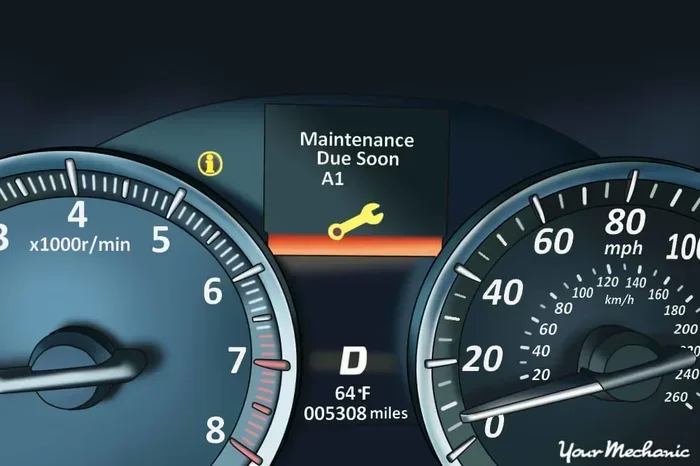
Modern hybrid vehicles are packed with sensors that monitor battery health around the clock. When something goes wrong, your dashboard lights up with warnings. Here is what those lights mean and what you should do.
The Check Engine Light
The check engine light is one of the most common warning signs. It can mean many things, but a hybrid battery issue is a frequent culprit. When the car’s computer detects a problem with the battery pack or the battery management system, it triggers this light. Do not assume it is nothing. Get it checked as soon as possible.
Ignoring the check engine light can lead to bigger problems down the road. A small battery cell issue today can turn into a full pack replacement tomorrow. Early diagnosis saves money and keeps you safe on the road.
The Hybrid Battery Warning Light
Some hybrids have a dedicated battery warning light on the dashboard. This light looks like a battery icon and may flash or stay solid. A solid light usually means the battery is degraded but still functional. A flashing light signals a more urgent problem that needs immediate attention.
If you see this light, avoid pushing the car hard. Drive gently to your nearest mechanic or hybrid service center. Aggressive driving with a weak battery can cause further damage to the cells and other components.
Regenerative Braking Alerts
Regenerative braking is a hallmark feature of hybrid vehicles. When the system detects a problem, you may see a warning message or a reduced braking feel. This happens because the electric motor handles much of the braking work. If the battery cannot accept the regenerated energy, the system compensates by relying more on friction brakes.
You might notice the brake pedal feels different or the car takes longer to slow down. These alerts are your car telling you the hybrid battery needs attention. Do not delay your next service visit if you see these messages.
Hybrid Battery Replacement Cost and Timeline
Cost is one of the biggest concerns for hybrid owners facing a battery replacement. The good news is that prices have come down over the years. But the exact cost depends on several factors, including your vehicle model, battery type, and whether you choose a new or refurbished pack.
How Much Does a Hybrid Battery Replacement Cost?
On average, a hybrid battery replacement cost ranges from $1,000 to $6,000 or more. Here is a quick breakdown of what to expect:
- Refurbished battery packs: $1,000 to $2,500. These are used packs that have been tested and restored. They offer good value but may not last as long as a new pack.
- New OEM battery packs: $3,000 to $6,000. Original equipment manufacturer packs come with warranties and reliable performance. They are the best option if budget allows.
- Aftermarket battery packs: $1,500 to $4,000. Third-party manufacturers offer more affordable alternatives. Quality varies, so research the brand before purchasing.
- Cell-level replacement: $500 to $2,000. Some shops replace only the failing individual cells instead of the entire pack. This is the most budget-friendly option when feasible.
Does Warranty Cover Battery Replacement?
Most hybrid vehicles come with a battery warranty of 8 years or 100,000 miles, whichever comes first. Some states, like California, extend this coverage to 10 years or 150,000 miles. If your battery fails within the warranty period, the manufacturer should cover the replacement cost at no charge to you.
Always check your warranty documents before paying for a replacement. Even if your battery is slightly past the warranty window, some dealers offer goodwill replacements. It never hurts to ask.
How Long Does the Replacement Process Take?
A typical hybrid battery replacement takes between 2 and 6 hours at a qualified shop. The exact time depends on the vehicle model and the complexity of the battery access. Some hybrids have easily accessible battery packs, while others are tucked under the rear seat or trunk and require more disassembly.
After installation, the new battery pack needs to be registered with the car’s computer system. This ensures the battery management system works correctly from day one. A professional technician will handle this step for you.
How to Test Your Hybrid Battery Health
You do not have to guess whether your battery is failing. There are reliable ways to test hybrid battery health at home or at a repair shop. Here is what you need to know.
DIY Voltage Testing
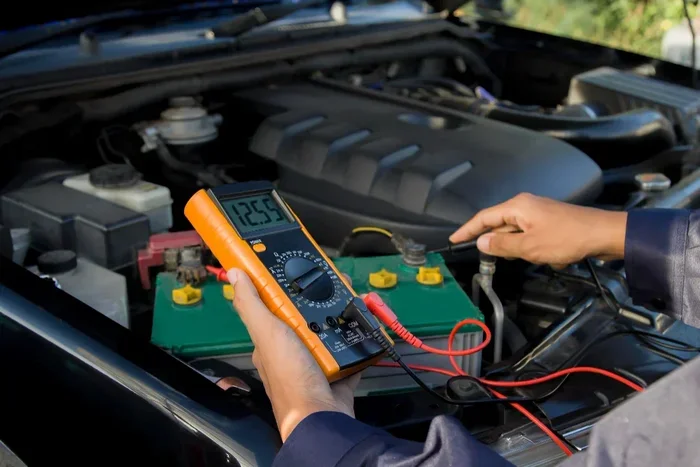
You can check the voltage of your hybrid battery pack using a multimeter. First, turn off the car and wait at least 30 minutes. Then, locate the battery terminals and measure the voltage across the pack. Compare your reading to the manufacturer’s specifications. A significantly lower voltage than expected suggests degraded cells.
Be careful when working around hybrid batteries. They carry high voltage and can be dangerous if handled improperly. If you are not comfortable with this process, skip it and visit a professional instead.
Professional Diagnostic Testing
A professional hybrid battery test goes far deeper than a simple voltage check. Technicians use specialized diagnostic equipment to measure the state of health for each individual cell. They check for cell imbalance, internal resistance, and overall capacity. This comprehensive test gives you a clear picture of your battery’s true condition.
Many hybrid service centers offer battery health checks for a flat fee. This is a worthwhile investment before committing to a full replacement. Sometimes the issue is a simple cell imbalance that can be fixed without replacing the entire pack.
OBD-II Scanner Readings
An OBD-II scanner plugged into your hybrid can reveal error codes related to the battery system. Codes starting with P0A or P3000 series often point to hybrid battery issues. While an OBD-II scanner cannot measure battery health directly, it can identify specific problems that help you narrow down the cause.
Some advanced scanners provide state of charge readings and cell voltage data. If you own a compatible scanner, it can be a useful tool for monitoring your battery between service visits.
Preventive Maintenance Tips for Hybrid Batteries
The best way to avoid a sudden battery failure is through regular care. You do not need to be a mechanic to keep your hybrid battery in great shape. Simple habits make a big difference over time.
Keep Your Battery Cool
Extreme heat is the number one enemy of hybrid batteries. High temperatures accelerate chemical degradation inside the cells. Whenever possible, park your car in a shaded area or a garage. In very hot climates, consider using a sunshade on your windshield to keep the interior temperature down.
Some hybrid models have active battery cooling systems. Make sure your coolant levels are checked regularly as part of routine hybrid vehicle maintenance. A well-functioning cooling system keeps the battery pack at the optimal temperature.
Avoid Deep Discharges
Letting your hybrid battery drain completely on a regular basis stresses the cells. Try to keep your battery between 20% and 80% charge for daily driving. Deep discharges can permanently damage battery cells and shorten the overall pack life.
If you store your hybrid for an extended period, maintain a partial charge. A completely empty battery pack during storage can lead to irreversible damage. Check your owner’s manual for specific storage recommendations.
Drive Gently and Consistently
Aggressive driving puts extra strain on the hybrid battery. Rapid acceleration, hard braking, and towing heavy loads all demand more from the battery pack. Smooth, steady driving not only improves fuel economy but also reduces wear on the battery cells.
You do not need to drive like you are in a hurry-free zone all the time. Just being mindful of your driving style can add years to your hybrid battery life. Think of it as a gentle relationship with your car.
Keep Up with Regular Maintenance
Follow your manufacturer’s recommended maintenance schedule. Regular oil changes, coolant flushes, and inspections help the entire hybrid system run smoothly. During these visits, ask the technician to check the battery cooling system and look for any signs of wear.
Some shops offer hybrid-specific maintenance packages that include battery health checks. These are great for catching small issues before they grow into expensive repairs. Prevention is always cheaper than replacement.
When to Replace vs. When to Repair
Not every hybrid battery problem requires a full replacement. Sometimes a repair is all you need. Here is how to decide which path makes sense for your situation.
If only one or two cells are failing, a cell-level repair might be the answer. This involves replacing the bad cells while keeping the healthy ones. It costs a fraction of a full pack replacement and can extend your battery life by several more years.
On the other hand, if the state of health has dropped below 60% and multiple cells are degraded, a full replacement is the smarter choice. A repair on a severely degraded pack will only lead to repeated problems and higher costs in the long run.
A professional diagnostic test gives you the data you need to make this decision. Always get a clear assessment before committing to any repair or replacement work.
Final Thoughts on Hybrid Battery Replacement
So, how do I know when my hybrid battery needs replacing? The answer comes down to paying attention to the signs. Reduced fuel economy, warning lights, sluggish performance, and loss of electric-only mode are all clear indicators. Pair these observations with professional testing, and you will have a solid answer.
Remember that hybrid battery replacement is not something to fear. It is a normal part of owning a hybrid vehicle, much like replacing tires or brakes. With the right information, you can plan for the cost, choose the best replacement option, and keep your hybrid running smoothly for years to come.
Take care of your battery, and it will take care of you. Stay proactive, watch for warning signs, and never hesitate to seek professional advice. Your hybrid battery is the heart of your vehicle, and treating it well pays off in reliability and savings at the pump.
Frequently Asked Questions
What are the first signs that a hybrid battery is going bad?
The earliest signs include a noticeable drop in fuel economy, loss of electric-only driving mode, and sluggish acceleration. Some drivers also report the check engine light coming on or unusual noises from the battery area. If you notice any of these symptoms, it is a good idea to get your battery tested right away.
How long does a hybrid battery typically last before needing replacement?
Most hybrid batteries last between 8 and 15 years, or roughly 100,000 to 150,000 miles. The exact lifespan depends on your driving habits, climate, and how well you maintain the vehicle. Regular care and avoiding extreme temperatures can help your battery reach the upper end of that range.
Is it worth replacing a hybrid battery?
In most cases, yes. A new hybrid battery can restore your fuel economy and driving performance to like-new levels. The cost of replacement varies, but many owners find that the improvement in daily driving justifies the expense. If your car is otherwise in great shape, a new battery can add several more years of reliable service.
Can I drive my hybrid with a bad battery?
You can drive short distances with a degraded battery, but it is not recommended for the long term. A failing battery puts extra strain on the gas engine, reduces fuel efficiency, and can cause further damage to other hybrid components. It is best to address battery issues promptly to avoid more expensive repairs down the road.
What is the difference between nickel-metal hydride and lithium-ion hybrid batteries?
Nickel-metal hydride batteries are older, heavier, and more affordable. They are found in many older hybrid models. Lithium-ion batteries are lighter, more energy-dense, and found in newer hybrids. Lithium-ion batteries tend to last longer but cost more to replace. Both types degrade over time and eventually need replacement.
Can I replace my hybrid battery myself?
It is strongly recommended to have a professional handle the replacement. Hybrid batteries carry high voltage and require specialized tools and knowledge to remove and install safely. A trained technician will also properly register the new battery with your car’s computer system. Attempting a DIY replacement can be dangerous and may void your vehicle’s warranty.
=== META TITLE ===
How Do I Know When My Hybrid Battery Needs Replacing
=== URL SLUG ===
how-do-i-know-when-my-hybrid-battery-needs-replacing