What to Do If Engine Coolant Is Over Temperature Now
When your engine coolant is over temperature, it means your car is running too hot and needs urgent attention. Ignoring this warning can lead to serious engine damage, costly repairs, and even a total breakdown. In this guide, you will learn the immediate steps to take, the most common causes, and how to prevent it from happening again. Engine coolant over temperature issues are fixable if you act fast and follow the right steps.
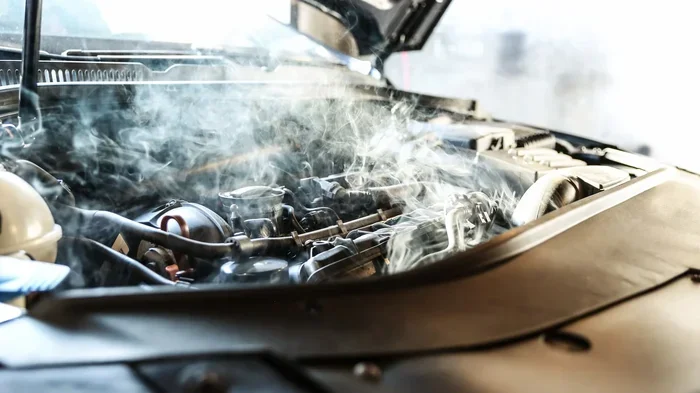
You are driving down the road, minding your own business, when suddenly you notice something alarming. The temperature gauge on your dashboard is climbing into the red zone. Steam might even be curling up from under the hood. This is a scary moment for any driver. But here is the good news: knowing what to do can save your engine and your wallet.
Engine coolant over temperature is a problem that happens when the cooling system cannot keep the engine at a safe working range. The coolant, also called antifreeze, flows through the engine block and radiator to absorb and release heat. When something goes wrong in this system, the engine heats up fast. And if you do not act quickly, the damage can be severe.
This article will walk you through everything you need to know. You will learn what to do right away, why it happens, how to fix it, and how to stop it from coming back. Whether you are a new driver or a seasoned car owner, this guide has practical advice you can use today.
Key Takeaways
- Act fast: Pull over safely and turn off the engine to prevent further damage.
- Check coolant levels: A low coolant level is one of the most common reasons for overheating.
- Never open the radiator cap while hot: Hot pressurized coolant can cause severe burns.
- Know the warning signs: Temperature gauge spikes, steam from the hood, and unusual smells all signal trouble.
- Regular maintenance helps: Flushing and replacing coolant on schedule keeps your cooling system working well.
- Call a mechanic when needed: Some causes like a blown head gasket require professional diagnosis and repair.
📑 Table of Contents
- Understanding Engine Coolant Over Temperature
- Immediate Steps to Take When Coolant Overheats
- Common Causes of Coolant Over Temperature
- How to Diagnose the Root Cause
- Preventive Maintenance Tips
- When to Seek Professional Help
- Quick Tips for Handling Overheating on the Road
- Common Mistakes People Make When the Engine Overheats
- Conclusion
Understanding Engine Coolant Over Temperature
Before you panic, it helps to understand what is happening under the hood. Your engine produces a lot of heat during normal operation. The cooling system is designed to manage that heat. It uses a liquid coolant, a radiator, a water pump, a thermostat, and cooling fans to keep things running smoothly.
When the coolant temperature rises above the safe range, the system is failing to do its job. Normal operating temperature for most cars is between 195 and 220 degrees Fahrenheit. When it goes above 230 degrees, you are in the danger zone. Above 250 degrees, you risk serious engine damage.
Why Temperature Matters So Much
Your engine runs on controlled explosions. All that power creates intense heat. The coolant absorbs that heat and carries it away through the radiator. Without proper cooling, metal parts expand, oil breaks down, and components can warp or seize up entirely.
Think of it like running a marathon without water. Your body overheats, and things start to shut down. The same thing happens to your engine. The only difference is that an engine repair costs a lot more than a glass of water.
Immediate Steps to Take When Coolant Overheats
If your temperature gauge spikes while driving, do not ignore it. Here is exactly what you should do in that moment.
Step 1: Pull Over Safely
Turn on your hazard lights and find a safe place to stop. Do not slam on the brakes. Ease off the gas pedal and let the car slow down gradually. Pull over to the side of the road or into a parking lot. Turn off the engine as soon as it is safe to do so.
Step 2: Let the Engine Cool Down
Do not open the hood right away. Wait at least 15 to 30 minutes. The coolant inside is under extreme pressure and can be extremely hot. Opening the radiator cap too soon can cause hot liquid to spray out and cause serious burns.
Step 3: Check the Coolant Level
Once the engine has cooled, open the hood carefully. Look at the coolant reservoir tank. The tank usually has minimum and maximum markings. If the level is below the minimum line, you have found a likely culprit. Low coolant is one of the top reasons for engine coolant over temperature issues.
Step 4: Inspect for Leaks
While you are under the hood, look around for any visible signs of leaks. Check the radiator hoses, the water pump area, and the base of the radiator. Puddles of green, orange, or pink fluid on the ground are strong signs of a coolant leak.
Step 5: Call for Help if Needed
If you cannot find the problem or if the coolant level looks fine, do not keep driving. Call a tow truck or a roadside assistance service. Continuing to drive an overheating engine can cause the head gasket to blow, the engine block to crack, or the pistons to seize. These repairs can cost thousands of dollars.
Common Causes of Coolant Over Temperature
Understanding why your engine coolant gets too hot helps you prevent it from happening again. Here are the most common causes.
Low Coolant Level
This is the number one cause of overheating. Coolant can leak out over time through worn hoses, a loose radiator cap, or a cracked reservoir tank. Even a small leak can drop the level enough to cause problems. Check your coolant level regularly, especially before long trips.
Faulty Thermostat
The thermostat controls the flow of coolant through the engine. When the engine is cold, it stays closed to let the engine warm up quickly. When it gets hot, it opens to let coolant flow through the radiator. If the thermostat gets stuck closed, coolant cannot circulate, and the engine overheats fast.
Water Pump Failure
The water pump is the heart of the cooling system. It pushes coolant through the engine block and hoses. When the pump fails, coolant stops moving, and heat builds up quickly. Water pump failure often comes with a whining noise near the front of the engine.
Radiator Problems
The radiator releases heat from the coolant into the air. If the radiator fins are clogged with dirt or debris, airflow is blocked. If the radiator has internal blockages, coolant cannot pass through properly. Either issue can cause the engine to run hot.
Broken Cooling Fan
Your car has a cooling fan that kicks on when the car is idling or moving slowly. If the fan motor fails or the fan relay goes bad, the radiator cannot cool the coolant properly. This is especially common in stop-and-go traffic.
Blown Head Gasket
A head gasket seals the connection between the engine block and the cylinder head. When it blows, combustion gases can leak into the cooling system. This creates air pockets that block coolant flow and cause overheating. A blown head gasket often comes with white smoke from the exhaust and a milky appearance on the oil cap.
Clogged Coolant Passages
Over time, rust, scale, and debris can build up inside the engine cooling passages. This restricts coolant flow and reduces the system’s ability to remove heat. Regular coolant flushes help prevent this buildup.
How to Diagnose the Root Cause
Once the engine has cooled down, you can start narrowing down the cause. Here is a simple diagnostic checklist.
Check the Temperature Gauge
Does the gauge climb steadily or spike suddenly? A steady climb often points to low coolant or a failing water pump. A sudden spike might indicate a thermostat stuck closed or a blocked radiator.
Look for Visible Leaks
Get under the car and look for fresh coolant drips or puddles. Check the radiator hoses, clamps, and connections. A hose that feels spongy or cracked needs to be replaced.
Test the Thermostat
Start the engine from cold and watch the temperature gauge. The needle should start to rise slowly. If it jumps to hot very quickly, the thermostat might be stuck closed. You can also remove the thermostat and test it in a pot of boiling water to see if it opens at the right temperature.
Inspect the Radiator Cap
A radiator cap that does not seal properly can let coolant escape as steam. The cap maintains pressure in the system, which raises the boiling point of the coolant. A weak cap means the coolant boils off faster. Replacing a radiator cap is cheap and easy.
Listen for Unusual Noises
Pay attention to any knocking, gurgling, or whining sounds. A knocking noise from the engine can mean the coolant has entered the combustion chamber. Gurgling sounds often point to air pockets in the cooling system. Whining near the front of the engine usually signals a failing water pump.
Preventive Maintenance Tips
The best way to deal with engine coolant over temperature is to stop it from happening in the first place. Regular maintenance keeps your cooling system in great shape.
Flush and Replace Coolant on Schedule
Coolant breaks down over time and loses its effectiveness. Most manufacturers recommend flushing the cooling system every 30,000 to 50,000 miles. Check your owner manual for the exact schedule. Use the type of coolant recommended by your car maker.
Inspect Hoses and Belts Regularly
Coolant hoses get brittle with age. Squeeze them gently when the engine is cool. If they feel hard, cracked, or spongy, replace them. Also check the serpentine belt that drives the water pump. A loose or worn belt can cause the pump to fail.
Keep the Radiator Clean
Rinse the front of the radiator with a garden hose to remove bugs, dirt, and debris. Do not use a pressure washer too close to the fins, as they are delicate and can bend easily. Clean fins allow proper airflow through the radiator.
Monitor the Temperature Gauge While Driving
Make it a habit to glance at your temperature gauge during your drive. If you notice it creeping up, take action early. Pull over and check the coolant level before the problem gets worse. Catching a small issue early saves you from a big repair bill.
Use the Right Coolant Mix
Coolant is usually a 50/50 mix of antifreeze and distilled water. Too much water lowers the boiling point and increases the risk of overheating. Too much antifreeze can reduce the cooling efficiency. Always use distilled water when mixing coolant, never tap water, because minerals in tap water can cause deposits inside the system.
Address Small Problems Quickly
A small coolant leak today can become a major overheating problem tomorrow. Do not ignore the warning signs. If you see a puddle under your car, smell something sweet, or notice the temperature gauge behaving oddly, get it checked right away.
When to Seek Professional Help
Some overheating problems are simple to fix. Others need a trained mechanic. Here is when you should call for professional help.
Signs You Need a Mechanic
If the engine temperature gauge stays in the red even after you add coolant, there is a deeper problem. If you see white smoke coming from the exhaust, that could mean a blown head gasket. If the car overheats repeatedly despite having plenty of coolant, the water pump, thermostat, or radiator may need professional diagnosis.
Cost Considerations
Ignoring an overheating engine almost always leads to bigger bills. A simple coolant top-off costs very little. A new water pump runs between 300 and 750 dollars. A thermostat replacement is usually under 300 dollars. But a cracked engine block or a blown head gasket can cost 1,500 to 4,000 dollars or more. The message is clear: fix small problems early.
Finding a Reliable Mechanic
Look for a mechanic who specializes in your car make and model. Read reviews online and ask friends for recommendations. A good mechanic will explain the problem clearly, show you the worn parts, and give you an honest estimate before doing any work.
Quick Tips for Handling Overheating on the Road
- Keep a spare coolant bottle in your trunk for emergencies.
- Carry a basic emergency kit with gloves, a rag, and a flashlight.
- Know where your hood release is before you need it.
- Never drive with the temperature gauge in the red.
- Turn the heater to full blast if the gauge starts climbing. It acts as a secondary radiator and helps pull heat out of the engine.
- Keep your phone charged so you can call for roadside help if needed.
Common Mistakes People Make When the Engine Overheats
Many drivers make mistakes during an overheating situation that make things worse. Here are a few to avoid.
Mistake 1: Opening the radiator cap immediately. The system is under high pressure, and hot coolant can spray out and cause burns. Always wait for the engine to cool down first.
Mistake 2: Continuing to drive. Some drivers think they can make it to the next exit or gas station. But every minute you drive an overheating engine, you risk more damage. Pull over and shut it off.
Mistake 3: Adding cold water to a hot engine. Pouring cold water into a hot engine can cause the engine block to crack due to sudden temperature changes. Always let it cool first.
Mistake 4: Ignoring the problem. A one-time overheat might seem like no big deal. But repeated overheating events cause cumulative damage that shortens the life of your engine.
Mistake 5: Using the wrong coolant. Not all coolants are the same. Mixing different types can cause chemical reactions that create sludge and blockages. Always use the type specified in your owner manual.
Conclusion
Engine coolant over temperature is a serious issue, but it does not have to be a disaster. If you act quickly, check the basics, and know when to call for help, you can protect your engine and avoid expensive repairs. The key is to stay calm, pull over safely, and never ignore the warning signs.
Regular maintenance is your best defense. Flush your coolant on schedule, inspect your hoses and belts, and keep an eye on that temperature gauge. Small habits make a big difference over time. Your car will run cooler, last longer, and save you money in the long run.
Remember, your engine is the heart of your vehicle. Treat it well, and it will take care of you on every ride. Now you know exactly what to do if engine coolant is over temperature. Keep this guide handy, share it with a friend, and drive with confidence knowing you are prepared for whatever comes your way.
Frequently Asked Questions
Can I keep driving if my engine coolant is over temperature?
No. Driving with an overheating engine can cause the head gasket to blow, the engine block to crack, or the pistons to seize. Pull over safely, turn off the engine, and let it cool down. Continuing to drive will only make the damage worse and the repair bill much higher.
How long should I wait before opening the hood when the engine is overheating?
Wait at least 15 to 30 minutes before opening the hood. The coolant inside is under extreme pressure and can be extremely hot. Opening the radiator cap too soon can cause hot liquid to spray out and cause serious burns. Use caution and wear gloves if you need to check anything.
What does it mean if the coolant level is fine but the engine still overheats?
If the coolant level is okay but the engine still runs hot, the problem is likely a mechanical issue. Common causes include a faulty thermostat, a failing water pump, a broken cooling fan, or a clogged radiator. These problems require professional diagnosis and repair.
How often should I flush my engine coolant?
Most car manufacturers recommend flushing and replacing the coolant every 30,000 to 50,000 miles. Check your owner manual for the exact schedule. Regular flushes prevent buildup of rust and deposits that can block coolant flow and cause overheating.
Is it safe to add water to the coolant system in an emergency?
In an emergency, you can add plain water to get to a safe location. However, water does not have the same anti-corrosion and anti-freeze properties as proper coolant. Use a 50/50 mix of antifreeze and distilled water as soon as possible after the emergency.
Can a bad radiator cap cause the engine to overheat?
Yes. The radiator cap seals the cooling system and maintains the right pressure. A weak or faulty cap can let coolant escape as steam and lower the boiling point of the coolant. Replacing a radiator cap is inexpensive and can solve overheating problems caused by pressure loss.
=== CONCLUSION ===
Engine coolant over temperature is a problem you can handle if you know what to do. The steps are simple: pull over, let the engine cool, check the coolant level, look for leaks, and call for help if you need it. Understanding the common causes like a faulty thermostat, low coolant, or a broken water pump helps you take smart action.
Prevention is always better than repair. Keep up with your coolant flushes, inspect your hoses and belts, and pay attention to that temperature gauge. Your cooling system works hard for you every time you turn the key. Give it the care it deserves.
Now that you have this knowledge, you are better prepared than most drivers. Share what you have learned with friends and family. A little awareness goes a long way toward keeping cars running safely and engines lasting for miles and miles to come.