Do Hybrid Cars Wear Out Tires Faster Than Normal Cars
Do Hybrid Cars Wear Out Tires Faster? The short answer is yes, often they do. Hybrid vehicles are heavier due to their battery packs, and the instant torque from electric motors puts extra stress on tire wear patterns. However, with the right tire maintenance habits and proper tire selection, you can significantly extend the life of your hybrid vehicle tires and save money on tire replacement cost.
If you own a hybrid or are thinking about buying one, you might have wondered about one thing: do hybrid cars wear out tires faster? It is a fair question. Hybrid vehicles are different from regular gas cars in many ways, and tires are no exception.
The truth is that hybrid cars do tend to wear out tires faster than normal cars. But it is not the whole story. Several factors play a role, and the good news is that you can take steps to slow down tire wear. In this article, we will break down exactly why hybrid tires wear out quicker, what you can do about it, and how to choose the best tires for your hybrid vehicle.
Whether you drive a hybrid SUV or a compact hybrid sedan, this guide will help you understand tire wear patterns and give you practical advice to get the most miles out of every set of tires. Let us dive in.
Key Takeaways
- Hybrids wear tires faster: The added weight of battery packs and instant electric torque puts more stress on tires than gas-only cars.
- Regenerative braking helps but has trade-offs: It reduces brake pad wear but can increase front tire wear due to weight transfer.
- Tire choice matters a lot: Low rolling resistance tires improve fuel efficiency but may wear faster on hybrids.
- Proper maintenance extends tire life: Regular rotation, alignment, and pressure checks can add thousands of miles to your tires.
- Cost is manageable: While hybrid tires may need replacing sooner, smart choices keep the tire replacement cost reasonable.
- Driving habits play a role: Aggressive acceleration and hard braking wear tires faster regardless of vehicle type.
📑 Table of Contents
Why Hybrid Cars Put More Stress on Tires
Hybrid cars are heavier than their gas-only counterparts. That extra weight comes from the battery pack, electric motor, and additional hardware. This added mass has a direct impact on your tires. More weight means more friction between the tire and the road, which leads to faster tread breakdown.
But weight is only part of the equation. Hybrids also deliver torque differently. The electric motor provides instant power, which means your tires grip the road harder during acceleration. This combination of extra weight and aggressive torque delivery is the main reason do hybrid cars wear out tires faster compared to conventional vehicles.
The Extra Weight Factor
A typical hybrid battery pack adds anywhere from 200 to 600 pounds to the vehicle. That is like carrying an extra passenger all the time. More weight means more contact between the tire and the pavement. Greater contact equals more friction. More friction means faster tread wear.
Here are the key ways extra weight affects your tires:
- Increased rolling resistance: Heavier vehicles need more energy to keep moving, which wears down the tread faster.
- Greater heat buildup: More weight generates more heat during driving, and heat breaks down rubber over time.
- Higher load on suspension: This puts extra pressure on the tire shoulders, causing uneven wear.
If you have ever noticed your hybrid feels a bit heavier when turning or braking, that is the battery weight at work. And every extra pound translates to a small but real increase in tire wear patterns.
Instant Torque and Tire Grip
One of the best things about hybrids is the instant torque from the electric motor. You press the accelerator, and the car surges forward. That is exciting, but it is not great for your tires. Traditional gas engines build power gradually. Electric motors deliver full power from zero RPM, which puts a sudden, heavy load on the front tires.
This is especially true for front-wheel-drive hybrids, which are the most common type on the road. The front tires handle both acceleration and steering, so they wear out faster than the rears. If you have a hybrid SUV, you might notice the front tires wearing down more quickly than expected.
The good news is that all-wheel-drive hybrids distribute this load more evenly. But even AWD hybrids experience faster tire wear than gas-only AWD cars because of the combined weight and torque factors.
Quick Tips
- Avoid flooring the accelerator from a stop. Smooth acceleration reduces tire stress.
- Use eco mode when possible. It limits torque output and is gentler on tires.
- Check your tire pressure weekly. Underinflated tires wear faster under heavy loads.
How Regenerative Braking Changes Tire Wear
Regenerative braking is one of the standout features of hybrid technology. Instead of using friction brakes to slow down, the electric motor acts as a generator, converting kinetic energy back into electricity. This recharges the battery and slows the car at the same time.
But here is the twist. Regenerative braking changes how your tires interact with the road during deceleration. And this has a direct effect on tire tread life. Understanding this relationship is key to answering the question of whether hybrids wear out tires faster.
What Is Regenerative Braking?
In a regular gas car, when you hit the brakes, brake pads clamp onto rotors to create friction and slow the car. That is it. In a hybrid, the electric motor reverses its role and becomes a generator. This creates resistance in the wheels, which slows the car down without using the brake pads.
Most hybrids use regenerative braking for about 70 to 90 percent of everyday braking situations. You only touch the physical brakes at low speeds or in emergency stops. This is great for brake pad longevity, but it shifts the workload to the tires.
How It Affects Your Tires Differently
When regenerative braking kicks in, the wheels are being slowed by resistance from the motor. This puts extra force on the tire tread, especially on the front tires. Over thousands of braking cycles, this adds up. The front tires on hybrids often show more wear on the outer edges of the tread, a pattern that is less common in gas-only cars.
Here is what happens during regenerative braking:
- The electric motor creates resistance in the drivetrain.
- This resistance transfers through the wheels to the tires.
- The tire tread experiences lateral and longitudinal forces simultaneously.
- Over time, this causes faster tread degradation on the contact patch.
The result is that even though your brake pads last longer, your tires take on more of the stopping burden. This is one of the main reasons do hybrid cars wear out tires faster than you might expect.
Expert Insight
Many hybrid owners do not realize that regenerative braking shifts wear from brake pads to tires. If you notice your front tires wearing unevenly, check your regenerative braking settings. Some hybrids allow you to adjust the regen intensity, which can help reduce tire wear.
Tire Wear Patterns: Hybrid vs. Gas Cars
Not all tire wear is the same. Hybrids and gas cars show different tire wear patterns because of the differences in weight, power delivery, and braking systems. Understanding these patterns helps you spot problems early and take action before your tires need replacing.
Front Tire Wear in Hybrids
Front tires on hybrids tend to wear faster than on gas cars for two reasons: weight and torque. The battery pack adds weight over the front axle in most hybrids, and the electric motor delivers power to the front wheels in most front-wheel-drive models. This double load means the front tires handle more stress during both acceleration and braking.
Common front tire wear signs on hybrids include:
- Outer edge wear on the front tires.
- Flat spots near the center of the tread.
- Faster wear on the left front tire (due to right-hand driving and turning stress).
Rear Tire Wear Differences
Rear tires on hybrids generally last longer than front tires, but they still wear faster than rear tires on gas cars. The added rear weight from the battery pack (in some models) increases the contact patch and friction. Rear tires also handle stability during cornering and sudden lane changes, which adds to the wear.
Side-by-Side Comparison
| Factor | Hybrid Cars | Gas Cars |
|---|---|---|
| Average Tire Lifespan | 35,000 – 50,000 miles | 50,000 – 65,000 miles |
| Front Tire Wear Rate | Faster due to weight and torque | Moderate |
| Rear Tire Wear Rate | Slightly faster due to battery weight | Slower |
| Brake Pad Wear | Lower (regenerative braking) | Higher |
| Tire Replacement Frequency | More frequent | Less frequent |
| Typical Tread Depth at Replacement | 3/32 inch or less | 4/32 inch or more |
As you can see from the table, hybrid tires generally need replacing sooner than gas car tires. The difference is significant enough that you should factor tire replacement cost into your overall hybrid ownership budget.
Common Mistakes
- Ignoring uneven wear: If your front tires wear faster on one side, it could signal an alignment issue. Get it checked immediately.
- Skipping tire rotations: Hybrids need tire rotations more often than gas cars, ideally every 5,000 to 7,500 miles.
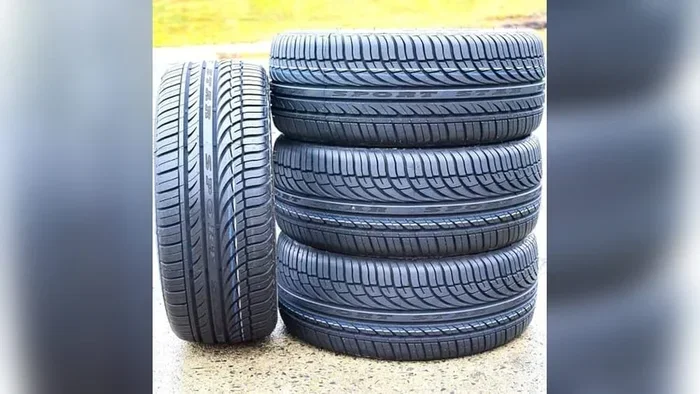
- Using the wrong tire type: Performance tires look great but wear fast on heavy hybrids. Stick to touring or all-season tires for better longevity.
Choosing the Right Tires for Your Hybrid
Not all tires are created equal, and this is especially true for hybrids. The right set of tires can make a big difference in how long they last and how efficiently your car runs. Choosing poorly can lead to premature wear and higher tire replacement cost.
Low Rolling Resistance Tires
Low rolling resistance (LRR) tires are designed to reduce the energy needed to keep the tire rolling. They are a popular choice for hybrid owners because they improve fuel efficiency and extend electric driving range. But there is a trade-off.
LRR tires use a harder rubber compound and a special tread design to minimize friction. This means they last longer in terms of rolling efficiency, but the harder compound can lead to faster tread wear on heavy vehicles like hybrids. It is a balancing act between efficiency and durability.
Some of the best LRR tires for hybrids include models from Michelin, Continental, and Bridgestone. Look for tires specifically rated for hybrid or electric vehicles. These are engineered to handle the extra weight and torque that hybrids produce.
All-Season vs. Performance Tires
All-season tires are generally the best choice for hybrid owners. They offer a good balance of tread life, traction, and comfort. Performance tires may feel sportier, but their softer rubber compound wears out much faster on the heavy hybrid chassis.
Here is a quick guide to help you choose:
- All-Season Tires: Best for daily driving, good tread life, and reliable in most weather conditions. Ideal for hybrids.
- Performance Tires: Great handling but shorter lifespan. Not recommended for hybrids unless you prioritize driving feel over longevity.
- Touring Tires: A solid middle ground. Good tread life, comfortable ride, and decent handling. Great for hybrid sedans and SUVs.
- Eco-Friendly Tires: Designed for low rolling resistance and reduced road noise. A good match for hybrid owners focused on fuel efficiency.
Quick Tips for Tire Selection
- Always check the tire load rating. Hybrids need tires rated for the extra weight.
- Look for the UTQG rating. Higher treadwear ratings mean longer-lasting tires.
- Consider road noise. Hybrids are quieter, so tire noise becomes more noticeable.
- Check the warranty. Some tire brands offer 70,000-mile warranties on touring tires.
Tips to Make Your Hybrid Tires Last Longer
The good news is that you are not helpless when it comes to tire wear on your hybrid. There are several things you can do to extend tire tread life and get the most out of every set of tires. These tips are simple but effective.
Proper Tire Pressure Maintenance
This is the single most important thing you can do. Underinflated tires create more contact area with the road, which increases friction and heat. Both of these accelerate tread wear. Overinflated tires, on the other hand, wear out the center of the tread prematurely.
Check your tire pressure at least once a month. Use the pressure rating listed on the driver’s side door jamb, not the number on the tire sidewall. Hybrids are especially sensitive to pressure because of their extra weight. Even a few PSI below the recommended level can increase wear noticeably.
Tire Rotation and Alignment Schedule
Rotate your tires every 5,000 to 7,500 miles. This is more frequent than the standard recommendation for gas cars, and for good reason. Hybrids wear tires unevenly due to weight distribution and torque delivery. Regular rotation helps balance out wear across all four tires.
Get a wheel alignment checked at least once a year or whenever you notice your car pulling to one side. Poor alignment causes uneven tire wear patterns and can shave thousands of miles off your tire life. It is a small cost that pays for itself many times over.
Common Mistakes to Avoid
Even well-meaning hybrid owners can make mistakes that shorten tire life. Here are the most common ones:
- Overloading the vehicle: Hybrids are efficient, but they still have weight limits. Exceeding the payload capacity puts extra stress on tires.
- Ignoring vibration or noise: If your car vibrates at highway speeds or you feel a humming in the steering wheel, get your tires checked. These are early signs of uneven wear or alignment problems.
- Using the wrong tire size: Always stick to the manufacturer-recommended tire size. Larger or smaller tires change the handling characteristics and wear patterns.
- Skipping visual inspections: Look at your tires regularly. Check for cracks, bulges, or objects embedded in the tread. Catching problems early prevents costly replacements.
Expert Insight on Tire Longevity
Experienced hybrid mechanics recommend treating your tires as a consumable item that needs regular attention. Just like oil changes and brake inspections, tire maintenance should be part of your routine hybrid car maintenance schedule. Owners who stay on top of rotations, alignments, and pressure checks consistently get 15 to 20 percent more life out of their tires compared to those who do not.
The Real Cost of Hybrid Tire Replacement
Let us talk numbers. Replacing tires on a hybrid can cost more than on a gas car, and you may need to replace them more often. Understanding the costs helps you plan your budget and make smart purchasing decisions.
Are Hybrid Tires More Expensive?
The tires themselves are not necessarily more expensive. The cost comes from the fact that you replace them more often. A set of all-season touring tires for a hybrid sedan might cost 600 to 900 dollars. Replace them every 40,000 miles instead of 60,000 miles, and you are looking at higher lifetime tire costs.
However, choosing the right tires can offset this. High-quality touring tires with strong treadwear ratings may cost more upfront but last longer, reducing your cost per mile. Think of it as an investment rather than an expense.
When to Replace Your Tires
Do not wait until your tires are completely bald. Replace them when the tread depth reaches 4/32 of an inch. At this point, wet road performance drops significantly, and the tires are already past their peak effectiveness. Most hybrids have tire wear indicators built into the tread. These are small rubber bars that become visible when the tread is too low.
Use the penny test at home. Insert a penny into the tread with Lincoln’s head facing down. If you can see the top of his head, your tread is too worn and it is time for new tires.
Expert Insight on Cost Savings
Smart hybrid owners save money on tires by investing in quality tires upfront and maintaining them properly. The cost of regular rotations and alignments is minimal compared to the cost of premature tire replacement. A set of alignment checks and rotations over the life of your tires might cost 150 to 300 dollars total, but it can add 5,000 to 10,000 miles of tire life. That is a great return on investment.
Also, consider shopping around for tires. Online retailers often have better prices than local shops, and many offer free mounting and balancing. Compare prices before you buy, and do not forget to factor in the tire replacement cost when calculating your total hybrid ownership expenses.
Conclusion
So, do hybrid cars wear out tires faster than normal cars? Yes, they generally do. The extra weight from the battery pack, the instant torque from the electric motor, and the demands of regenerative braking all contribute to faster tire wear patterns. But this does not mean you are stuck replacing tires constantly.
The key is to be proactive. Choose the right tires for your hybrid, maintain proper pressure, rotate regularly, and get alignments checked on schedule. These simple habits can add significant miles to your tires and keep your fuel efficiency and safety at their best.
Understanding how your hybrid interacts with its tires gives you an advantage. You can make informed decisions about tire selection, maintenance schedules, and replacement timing. The result is a safer, more efficient, and more cost-effective driving experience.
Take care of your tires, and they will take care of you. Your hybrid is a smart investment, and with the right tire maintenance routine, it will keep you rolling smoothly for miles to come.
Frequently Asked Questions
Do hybrid cars need special tires?
Hybrids do not require special tires, but they benefit from tires designed for heavier vehicles. Look for tires with a high load rating and low rolling resistance. These tires handle the extra weight of the hybrid battery pack and improve fuel efficiency at the same time.
How often should I rotate the tires on my hybrid?
Rotate your hybrid tires every 5,000 to 7,500 miles. This is more frequent than the standard 7,500 to 10,000 miles recommended for gas cars. Because hybrids experience more uneven wear due to weight and torque, regular rotations help extend tire tread life significantly.
Are low rolling resistance tires worth it for hybrids?
Yes, low rolling resistance tires are worth it for most hybrid owners. They improve fuel efficiency and electric driving range. However, some LRR tires use harder compounds that may wear faster. Choose a well-reviewed LRR tire with a strong treadwear rating to get the best of both worlds.
Can regenerative braking damage my tires?
Regenerative braking does not damage tires directly, but it does increase wear compared to gas cars. The motor creates resistance through the wheels during deceleration, which puts extra stress on the tire tread. Regular maintenance and proper tire selection help minimize this effect.
What is the average lifespan of hybrid tires?
Hybrid tires typically last between 35,000 and 50,000 miles, depending on driving habits, tire type, and maintenance. This is shorter than the 50,000 to 65,000 miles common for gas car tires. Proper care and smart tire choices can push your hybrid tires toward the higher end of that range.
Is it safe to put new tires on an older hybrid car?
Yes, it is safe and often recommended. If your hybrid is older and the tires are worn, replacing them improves safety, handling, and fuel efficiency. Make sure to choose tires that match the manufacturer’s recommended size and load rating for your specific hybrid model.