Why Is My Engine Overheating Common Causes Explained
Why is my engine overheating? The most common reasons include a low coolant level, a broken thermostat, a failing water pump, or a clogged radiator. Ignoring these signs can lead to serious engine damage and expensive repairs. This guide walks you through every cause, symptom, and fix so you can act fast and stay safe on the road.
There’s nothing more unsettling than seeing steam curl out from under your hood. You’re driving along, minding your own business, and suddenly your temperature gauge spikes. Your heart drops. Why is my engine overheating? It’s a question every driver dreads, but the good news is that most causes are fixable when you catch them early.
Engine overheating happens when your cooling system can’t keep the engine at a safe operating temperature. This can stem from something as simple as a low coolant reservoir to something more serious like a blown head gasket. Either way, understanding the root cause helps you respond quickly and avoid a tow truck bill. In this guide, we’ll break down every common reason your engine might be running hot, what warning signs to watch for, and exactly what you can do about it.
Whether you’re a weekend DIYer or someone who just wants to understand what the mechanic is talking about, this article covers it all. We’ll keep things simple, practical, and straight to the point. No jargon. No fluff. Just clear answers to help you protect your car and your wallet.
Key Takeaways
- Low coolant is the #1 culprit: A simple leak or forgotten refill can cause your engine to overheat quickly.
- Thermostat and water pump failures are common: These parts wear out over time and need regular inspection.
- Warning signs are easy to spot: Steam, a rising temperature gauge, and a hot hood are clear red flags.
- DIY checks can save you money: You can inspect coolant levels, hoses, and fans yourself before visiting a shop.
- Driving while overheating risks permanent damage: Continued use can warp the engine block or blow a head gasket.
- Prevention is simple and cheap: Regular coolant flushes and hose checks keep your cooling system in top shape.
📑 Table of Contents
- Common Causes of Engine Overheating
- Warning Signs Your Engine Is Overheating
- How the Cooling System Works
- DIY Checks You Can Do Right Now
- When to Call a Mechanic
- Preventing Engine Overheating Long-Term
- Overheating Engine Repair Cost: What to Expect
- Common Mistakes People Make When Their Engine Overheats
- Expert Insight: What Mechanics Wish You Knew
- Key Takeaways
- Conclusion
Common Causes of Engine Overheating
When you ask yourself why is my engine overheating, the answer usually comes down to one part of your cooling system failing to do its job. Let’s look at the most frequent offenders.
Low Coolant Level
This is the number one reason cars overheat. Coolant, also called antifreeze, flows through your engine and absorbs heat. When the level drops too low, there’s not enough fluid to carry heat away. Coolant leaks are the usual suspect. These leaks can happen at the radiator hose, the water pump seal, or even the radiator itself.
Sometimes coolant disappears so slowly that you don’t notice a puddle under your car. Other times, a hose bursts and you lose coolant fast. Either way, the result is the same: your engine starts running hotter than normal. A quick check of your coolant reservoir can tell you a lot. If the level is below the minimum line, top it off and watch for leaks.
Thermostat Stuck Closed
Your thermostat is a small valve that opens and closes to regulate engine temperature. When the engine is cold, it stays closed to let the engine warm up quickly. When it gets hot, it opens to let coolant flow through the radiator. If the thermostat gets stuck closed, coolant can’t circulate, and heat builds up fast.
A stuck thermostat is one of the most common overheating engine causes in older vehicles. Replacing it is usually inexpensive and straightforward. If you notice your temperature gauge climbing quickly after a cold start, a faulty thermostat might be to blame.
Failing Water Pump
The water pump is the heart of your cooling system. It pushes coolant through the engine block and hoses. When the water pump fails, coolant stops moving, and heat has nowhere to go. Water pump failure can happen from normal wear and tear, a broken belt, or corrosion inside the pump.
Signs of a bad water pump include coolant leaks near the front of the engine, a whining noise, and steam coming from the hood. If you suspect your water pump, don’t keep driving. Get it checked right away to prevent further engine damage.
Clogged or Dirty Radiator
Your radiator’s job is to release heat from the coolant into the air. Over time, dirt, bugs, and debris can clog the tiny fins on the radiator. When airflow is blocked, the radiator can’t cool the coolant efficiently. This is especially common in older cars or vehicles driven on dusty roads.
A clogged radiator can also develop internal blockages from old coolant or rust. Flushing your cooling system at recommended intervals helps prevent this. If your radiator looks dirty on the outside, a gentle hose-down can improve airflow and cooling performance.
Broken Cooling Fan
Your cooling fan kicks in when you’re idling or driving at low speeds. It pulls air through the radiator to keep things cool. If the fan motor fails, the fuse blows, or the fan relay goes bad, your engine can overheat in stop-and-go traffic.
Electric cooling fan problems are common in many vehicle models. You might notice the fan isn’t running when the engine gets hot, or it runs constantly even when the engine is cool. A simple electrical test can confirm whether the fan motor or relay needs replacing.
Blown Head Gasket
This is one of the more serious reasons for engine overheating. The head gasket sits between the engine block and the cylinder head. It keeps coolant and oil in their proper channels and prevents combustion gases from leaking. When the head gasket blows, coolant can leak into the cylinders or oil passages.
A blown head gasket often causes the engine to overheat from the inside out. You might see white smoke from the exhaust, a milky residue under the oil cap, or bubbles in the coolant reservoir. This repair is more expensive, but catching it early can save your entire engine from being wrecked.
Radiator Hose Problems
The rubber hoses that carry coolant to and from the radiator are under constant pressure and heat. Over time, they crack, swell, or collapse. A collapsed hose can actually restrict coolant flow, causing overheating even when the hose looks okay on the outside.
Hoses are cheap and easy to replace, which makes them a great place to start your diagnosis. Squeeze your hoses when the engine is cool. If they feel hard, brittle, or spongy, it’s time for a replacement. This small fix can prevent a major overheating engine repair down the road.
Warning Signs Your Engine Is Overheating
Catching the early signs of overheating can save you from a breakdown or a totaled engine. Here’s what to watch for:
Temperature Gauge in the Red
Your dashboard temperature gauge is your first alert system. When the needle moves into the red zone or climbs above the normal range, something is wrong. Don’t ignore it. Pull over safely and turn off the engine. Continuing to drive with an overheating engine can cause cracks in the engine block or warping of internal components.
Steam or Smoke From the Hood
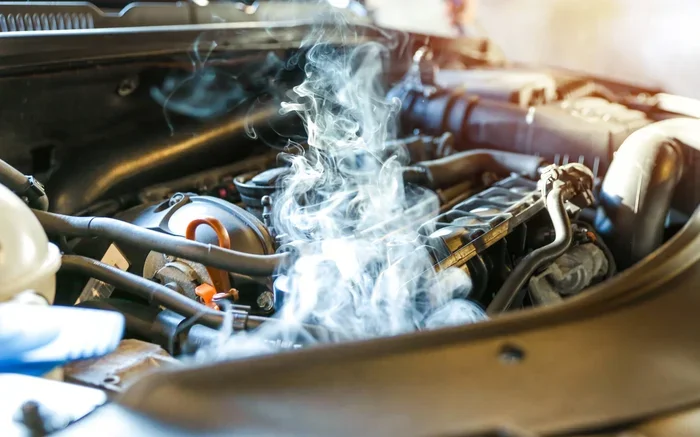
Seeing steam or smoke rising from under your hood is a clear signal. This usually means coolant is leaking onto hot engine parts and turning to vapor. If you see steam, pull over immediately. Opening the hood releases the heat, but be careful — the steam can burn you. Let the engine cool for at least 15 minutes before checking anything.
Sweet Smell or Puddle Under the Car
Coolant has a slightly sweet smell that’s easy to recognize. If you smell something sweet inside or outside the car, check under your vehicle for a puddle. Bright green, orange, or pink fluid is likely coolant. A leak like this means your cooling system is losing fluid, which leads directly to overheating.
Unusual Engine Noises
An overheating engine can make knocking, ticking, or bubbling sounds. These noises happen because the metal parts are expanding from excess heat or because air bubbles are trapped in the coolant system. Any new or unusual sound from your engine deserves immediate attention.
Loss of Power or Rough Running
When your engine runs too hot, it can misfire or lose power. This happens because the combustion process gets disrupted by excess heat. If your car feels sluggish or runs rough, especially combined with a high temperature reading, stop driving and investigate.
How the Cooling System Works
Understanding how your cooling system works makes it easier to diagnose problems. Think of it as a loop that moves heat away from the engine.
Here’s the basic process:
- The water pump pushes coolant through passages inside the engine block.
- The coolant absorbs heat from the engine as it flows.
- The hot coolant travels to the radiator, where air flowing through the fins cools it down.
- The cooled coolant returns to the engine to absorb more heat.
- The thermostat regulates when coolant flows to the radiator based on temperature.
- The cooling fan helps pull air through the radiator when the car is moving slowly or idling.
When any part of this loop breaks down, heat builds up and the engine overheats. That’s why overheating engine causes can come from so many different places — the system depends on every component working together.
The Role of Coolant
Coolant is more than just water. It’s a mixture of water and antifreeze chemicals that raise the boiling point and lower the freezing point of the fluid. This allows it to handle extreme temperatures without boiling away or freezing. Over time, coolant breaks down and loses its effectiveness. Old coolant can become acidic and actually corrode the inside of your cooling system. Flushing and replacing coolant at manufacturer-recommended intervals is one of the easiest ways to prevent overheating.
Why Airflow Matters
Your radiator relies on airflow to cool the hot coolant. At highway speeds, natural airflow does most of the work. But at low speeds or when idling, the cooling fan takes over. If your fan isn’t working properly, your engine can overheat in traffic even if everything else is fine. This is why electric fan issues are so commonly linked to overheating in stop-and-go driving conditions.
DIY Checks You Can Do Right Now
Before you call a mechanic, there are several things you can check yourself. These simple steps can save you time and money.
Check the Coolant Level
With the engine cool, open the coolant reservoir and look at the level. It should be between the minimum and maximum marks. If it’s low, top it off with the correct type of coolant for your vehicle. Watch for any visible leaks around the reservoir, hoses, and radiator connections.
Inspect the Radiator Hoses
Look at every hose connected to the radiator. Check for cracks, bulges, soft spots, or leaks. Squeeze the hoses gently when the engine is cool. They should feel firm but flexible. Hard or brittle hoses need replacement. Spongy or squishy hoses are also a sign they’re wearing out.
Test the Cooling Fan
Start the engine and let it idle until the temperature gauge rises. The cooling fan should kick on automatically when the engine reaches a certain temperature. If you don’t hear it or see it spinning, check the fan fuse and relay first. If those are fine, the fan motor itself may need replacing.
Look for Visible Leaks
Walk around your parked car and look for any fresh puddles or drips under the vehicle. Coolant leaks often leave a colored stain on the ground. Also check under the hood for any wet spots, crusty residue, or dripping fluid around the water pump, radiator, and hoses.
Check the Temperature Gauge Behavior
Pay attention to how your temperature gauge behaves during different driving conditions. Does it run normally on the highway but climb in traffic? This pattern often points to a cooling fan issue. Does it climb steadily from a cold start? A stuck thermostat could be the cause.
Quick Tip: Always let your engine cool down before opening the radiator cap. Opening it while hot can cause hot coolant to spray out and cause serious burns.
When to Call a Mechanic
Some overheating problems are simple to fix at home. But others require professional tools and expertise. Here’s when it’s time to call in the pros.
Persistent Overheating After Topping Off Coolant
If you’ve added coolant and the engine still overheats, there’s likely a deeper problem. This could be a failing water pump, a blown head gasket, or an internal blockage. Continuing to drive in this condition can cause catastrophic engine damage.
Steam or Coolant Leaks You Can’t Find
Sometimes the leak is internal and not visible from the outside. A mechanic can pressure-test the cooling system to find hidden leaks. Internal leaks, like a head gasket failure, often require professional diagnosis and repair.
Overheating Accompanied by Knocking or Pinging
Engine knocking combined with overheating is a serious warning sign. It can indicate pre-ignition or detonation caused by excessive heat. This kind of damage can affect pistons, connecting rods, and the crankshaft. Stop driving and get a tow to the nearest shop.
You’re Not Sure What’s Wrong
It’s always okay to ask for help. A trusted mechanic can perform a full cooling system inspection, pressure test, and diagnostic scan. They can identify issues you might miss and give you an honest estimate for overheating engine repair cost. Getting a professional opinion early can prevent a small problem from becoming a huge expense.
Preventing Engine Overheating Long-Term
The best way to deal with why is my engine overheating is to prevent it from happening in the first place. Regular maintenance keeps your cooling system working reliably for years.
Follow the Coolant Flush Schedule
Every vehicle has a recommended coolant flush interval, usually every 30,000 to 60,000 miles. Old coolant loses its protective properties and can cause corrosion. Flushing the system and replacing it with fresh coolant is one of the most effective preventative steps you can take.
Inspect Hoses and Belts Regularly
Make it a habit to visually inspect your radiator hoses and drive belts every few months. Look for cracks, swelling, or wear. Replace any hose that looks questionable. A belt inspection is quick and can prevent a sudden water pump or fan failure.
Keep Your Radiator Clean
Rinse the front of your radiator with a gentle hose to remove bugs, dirt, and debris. This improves airflow and helps the radiator do its job. Avoid high-pressure washers directly on the fins, as they can bend them and reduce airflow.
Monitor Your Temperature Gauge
Get into the habit of glancing at your temperature gauge while driving. Catching a slow climb early gives you time to pull over and investigate before things get serious. It takes just a second and can save your engine.
Address Small Leaks Immediately
Don’t ignore a small coolant puddle or a slow drop in coolant level. Even a tiny leak will get worse over time and eventually cause overheating. Fixing a small leak early costs a fraction of what a major repair would.
Use the Right Coolant for Your Vehicle
Not all coolants are the same. Different vehicles require different types of antifreeze, and mixing them can cause chemical reactions that clog your cooling system. Always check your owner’s manual for the correct coolant specification.
Overheating Engine Repair Cost: What to Expect
The cost to fix an overheating engine varies widely depending on the cause. Here’s a rough breakdown:
| Repair | Estimated Cost Range |
|---|---|
| Thermostat replacement | $150 – $300 |
| Water pump replacement | $300 – $750 |
| Radiator hose replacement | $50 – $150 |
| Cooling fan motor replacement | $200 – $500 |
| Radiator flush and refill | $100 – $200 |
| Head gasket replacement | $1,000 – $2,500+ |
| Radiator replacement | $300 – $900 |
As you can see, catching the problem early makes a huge difference in cost. A thermostat fix is affordable. A head gasket repair is expensive. The takeaway is clear: don’t ignore overheating symptoms, no matter how minor they seem.
Several factors affect the final overheating engine repair cost, including your vehicle make and model, the severity of the damage, and local labor rates. Always ask for a detailed estimate before authorizing any work. A good mechanic will explain exactly what needs to be fixed and why.
Common Mistakes People Make When Their Engine Overheats
When panic sets in, people make mistakes that make things worse. Here’s what to avoid:
- Don’t keep driving: Driving an overheating engine can cause the head gasket to blow, the engine block to crack, or pistons to seize. Pull over safely and shut off the engine.
- Don’t open the radiator cap immediately: The system is under pressure and extremely hot. Opening it too soon can cause scalding coolant to spray out. Wait at least 15 minutes.
- Don’t pour cold water into a hot engine: This can cause thermal shock, cracking the engine block or cylinder head. Use room-temperature coolant or water only after the engine has cooled.
- Don’t ignore the problem: Even if the engine seems to cool down after you add water, the underlying issue is still there. Get it properly diagnosed and fixed.
- Don’t use the wrong coolant: Mixing incompatible coolant types can create sludge that clogs your radiator and passages. Stick to the type recommended by your manufacturer.
Expert Insight: What Mechanics Wish You Knew
Experienced mechanics often see the same mistakes repeated. Here’s what they want every driver to understand about engine overheating:
“Most overheating problems start small,” says one veteran mechanic. “A slow coolant leak, a slightly stuck thermostat, a fan that’s just beginning to fail. If drivers caught these early, they’d save themselves hundreds or even thousands of dollars in repairs.”
Another mechanic adds: “Your temperature gauge is your best friend. Don’t ignore it. The gauge doesn’t lie. If it’s climbing, something is wrong. Pull over and figure it out before it becomes a real problem.”
The bottom line? Your cooling system works hard every time you drive. It deserves regular attention and care. A little prevention goes a long way toward avoiding the stress and expense of a serious overheating event.
Key Takeaways
- Low coolant is the #1 culprit: A simple leak or forgotten refill can cause your engine to overheat quickly.
- Thermostat and water pump failures are common: These parts wear out over time and need regular inspection.
- Warning signs are easy to spot: Steam, a rising temperature gauge, and a hot hood are clear red flags.
- DIY checks can save you money: You can inspect coolant levels, hoses, and fans yourself before visiting a shop.
- Driving while overheating risks permanent damage: Continued use can warp the engine block or blow a head gasket.
- Prevention is simple and cheap: Regular coolant flushes and hose checks keep your cooling system in top shape.
Conclusion
Why is my engine overheating? The answer is usually one of several common causes, and most of them are fixable. Whether it’s a low coolant level, a stuck thermostat, a failing water pump, or a clogged radiator, the key is catching the problem early and addressing it before it causes serious harm.
Your cooling system is designed to keep your engine running at the right temperature. When one part fails, the whole system suffers. That’s why regular maintenance — coolant flushes, hose inspections, and fan checks — is so important. It keeps everything working the way it should and gives you peace of mind on the road.
If you ever notice the warning signs of overheating, don’t wait. Pull over, let the engine cool, and investigate. A few minutes of attention now can save you from a major repair later. Your engine works hard for you every day. Give it the care it deserves, and it will keep running strong for miles to come.
Remember, knowing the common causes of engine overheating puts you ahead of the problem. You don’t need to be a mechanic to understand what’s happening under your hood. You just need to pay attention, act quickly, and take care of your vehicle. That’s the best way to keep your engine cool and your drives worry-free.
Frequently Asked Questions
What are the first signs of engine overheating?
The first signs include a rising temperature gauge on your dashboard, steam or smoke coming from under the hood, a sweet smell from coolant leaking, and unusual engine noises like knocking or ticking. If you notice any of these, pull over safely and turn off the engine immediately.
Can I keep driving if my engine is overheating?
No, you should never keep driving with an overheating engine. Continued driving can cause the engine block to crack, the head gasket to blow, or pistons to seize. Pull over, turn off the engine, and let it cool before investigating the cause or calling for a tow.
How much does it cost to fix an overheating engine?
The cost varies depending on the cause. Simple fixes like a thermostat replacement or hose change cost $50 to $300. More serious repairs like a water pump or head gasket can range from $300 to $2,500 or more. Getting an early diagnosis saves you money.
How do I know if my thermostat is stuck?
A stuck thermostat often causes the temperature gauge to climb quickly after a cold start or stay cold even when the engine is running hot. You can test it by feeling the upper radiator hose — if it stays cool while the engine is overheating, the thermostat is likely stuck closed.
What should I do if I see steam coming from my hood?
Pull over safely, turn off the engine, and open the hood carefully to let the steam escape. Wait at least 15 minutes for the engine to cool before checking the coolant level or looking for leaks. Do not open the radiator cap while the engine is hot.
How often should I flush my coolant?
Most manufacturers recommend flushing and replacing coolant every 30,000 to 60,000 miles. Check your owner’s manual for the exact interval for your vehicle. Fresh coolant protects against corrosion and keeps your cooling system running efficiently.