Can a Dirty Air Filter Cause Your Car to Overheat
Yes, a dirty air filter can contribute to car overheating by restricting airflow to the engine, disrupting the fuel-air mixture, and causing the engine to work harder than it should. When your engine struggles to breathe, temperatures rise, fuel efficiency drops, and long-term damage becomes a real risk. Understanding this connection helps you catch problems early and keep your car running safely on the road.
You are driving down the highway, and suddenly you notice the temperature gauge creeping into the red zone. Your heart sinks. You pull over, pop the hood, and start wondering what went wrong. Could something as simple as a dirty air filter be the culprit? The answer might surprise you.
A dirty air filter is one of the most overlooked causes of engine problems. Most car owners think about oil changes and tire rotations but forget about the humble air filter. Yet this small component plays a huge role in how your engine performs, how cool it stays, and how long it lasts. In this article, we will walk through exactly how a dirty air filter can lead to engine overheating, what signs to look for, and how to fix the problem before it turns into a costly repair bill.
Whether you are a seasoned DIY mechanic or a complete beginner, this guide will give you practical, easy-to-follow advice. You will walk away understanding the connection between airflow restriction and engine temperature, and you will know exactly what steps to take to keep your car running smoothly.
Key Takeaways
- A clogged air filter restricts airflow: Less air means the engine burns richer fuel mixtures, generating excess heat.
- Overheating from a dirty filter is preventable: Regular air filter replacement is one of the cheapest and easiest maintenance tasks.
- Warning signs include reduced power, poor fuel economy, and a hot engine bay: Catching these early saves you from costly repairs.
- A dirty air filter is not the only cause of overheating: Coolant leaks, thermostat failure, and radiator issues also play major roles.
- Replacing your air filter takes minutes: You can do it yourself at home with basic tools.
- Engine damage from prolonged overheating is expensive: Preventive care always costs less than reactive repairs.
📑 Table of Contents
- How Does a Dirty Air Filter Affect Your Engine?
- Can a Dirty Air Filter Actually Cause Overheating?
- Warning Signs Your Air Filter Is Causing Problems
- Other Common Causes of Car Overheating
- How to Prevent and Fix Air Filter-Related Overheating
- When to See a Mechanic About Overheating Issues
- Conclusion
How Does a Dirty Air Filter Affect Your Engine?
To understand why a dirty air filter can cause overheating, you first need to understand how your engine breathes. Your car’s engine air filter sits inside the air intake system and catches dust, dirt, pollen, and debris before they enter the combustion chamber. Clean air is essential for proper combustion. When the filter gets clogged, everything downstream suffers.
What Happens When Airflow Gets Restricted
Think of your engine like a pair of lungs. When you breathe freely, everything works well. Now imagine breathing through a thick pillow. You would struggle to get enough air, right? That is exactly what happens when a clogged air filter limits the air supply to your engine.
When airflow drops, the engine control unit (ECU) tries to compensate. It adjusts the fuel-air mixture to keep the engine running. However, it often adds too much fuel and not enough air. This creates a rich fuel mixture, which burns inefficiently. The result is extra heat inside the combustion chambers.
Over time, this added heat puts stress on the entire engine cooling system. The radiator, coolant passages, and thermostat all work harder to maintain safe temperatures. If the airflow problem persists, the cooling system simply cannot keep up.
The Combustion Process and Why Air Matters
Every cylinder in your engine goes through a four-stroke combustion cycle: intake, compression, power, and exhaust. During the intake stroke, the piston pulls in a precise mix of air and fuel. This mixture then gets compressed, ignited by a spark plug, and the resulting explosion pushes the piston down to create power.
Now here is the key point. Air is not just a filler in this process. It is a critical ingredient. Without enough air, the fuel does not burn completely. Incomplete combustion leads to several problems:
- Increased carbon buildup on spark plugs and valves
- Higher combustion temperatures inside the cylinders
- Reduced engine efficiency and power output
- Greater stress on the cooling system
All of these factors contribute to rising engine temperatures. And a dirty air filter is one of the simplest ways to trigger this chain reaction.
Can a Dirty Air Filter Actually Cause Overheating?
The short answer is yes. But the full answer requires a bit more nuance. A dirty air filter alone might not cause immediate, dramatic overheating on a cool morning drive. However, under certain conditions, a clogged filter absolutely pushes the engine past safe temperature limits.
The Connection Between Airflow and Engine Temperature
Your engine generates a tremendous amount of heat during normal operation. The cooling system is designed to handle this heat under standard driving conditions. But when you add an airflow restriction into the mix, the equation changes.
A restricted air filter reduces the volume of cool air flowing over the intake manifold and into the engine bay. This cool air serves a dual purpose. It helps with combustion efficiency, and it also cools down the incoming air charge before it enters the cylinders. Less cool air means hotter intake temperatures, which means hotter combustion, which means more heat overall.
On a hot summer day or during heavy traffic, this effect becomes even more pronounced. The ambient temperature is already high, and the engine is working hard. Adding a dirty filter into the equation can tip the balance from normal operating temperature to dangerous overheating territory.
When a Dirty Filter Pushes Your Engine Over the Edge
There are specific situations where a dirty air filter is most likely to cause overheating:
- Stop-and-go traffic in hot weather, where airflow through the engine bay is already reduced
- Towing or hauling heavy loads, which already increases engine heat output
- Driving at high altitudes, where thinner air already reduces combustion efficiency
- Extended idling, where the cooling system relies on vehicle movement for airflow
In these scenarios, a clogged filter compounds the existing heat stress. The engine temperature climbs steadily, and you may notice the temperature gauge creeping into the warning zone much faster than usual.
Warning Signs Your Air Filter Is Causing Problems
One of the best things you can do for your car is learn to recognize the early warning signs. Catching a dirty air filter before it causes serious damage saves time, money, and stress. Here are the most common symptoms to watch for.
Signs to Watch For While Driving
Your car will tell you when something is wrong. You just need to pay attention. Look out for these warning signals:
- Reduced engine power when accelerating or climbing hills
- Sluggish throttle response or a feeling of heaviness in the pedal
- Increased fuel consumption without any obvious change in driving habits
- Black smoke or dark exhaust coming from the tailpipe
- A strange smell of burning fuel or hot plastic from the engine bay
- Engine misfires or rough idling
Many of these symptoms overlap with other engine problems, which is why it is important to check the air filter first. It is the easiest and cheapest component to inspect.
Dashboard Indicators You Should Never Ignore
Modern cars are equipped with sensors that monitor engine performance in real time. When a dirty air filter disrupts the air-fuel ratio, these sensors detect the problem and often trigger warning lights on your dashboard.
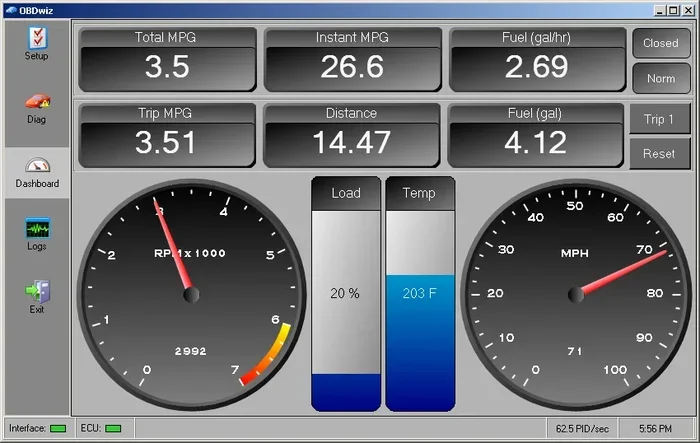
The most common indicator is the check engine light. While this light can mean many different things, a restricted air filter is one of the simplest causes. Other sensors may trigger the engine temperature warning light, which looks like a thermometer or a red temperature gauge on your dashboard cluster.
If either of these lights comes on, pull over safely and investigate. Ignoring them can lead to severe engine damage from prolonged overheating.
Other Common Causes of Car Overheating
While a dirty air filter can definitely contribute to overheating, it is not the only cause. Understanding the broader picture helps you diagnose the real problem faster.
Is It Really the Air Filter or Something Else?
Before you blame the air filter, consider these other common culprits of engine overheating:
- Low coolant levels from leaks or evaporation
- A failing water pump that cannot circulate coolant properly
- A stuck thermostat that prevents coolant from flowing to the radiator
- A clogged radiator blocked by debris or internal deposits
- A broken radiator fan that fails to pull air through the radiator at low speeds
- Belt or hose failures that disrupt the cooling system’s operation
- Head gasket leaks that allow combustion gases into the cooling system
Each of these problems can cause overheating on its own. In many cases, multiple issues combine to create a serious overheating event.
Comparing Dirty Air Filter vs. Other Overheating Causes
Here is a quick comparison of common overheating causes and how they relate to a dirty air filter:
- Air filter blockage: Gradual onset, reduced performance first, overheating develops over time. Easy and cheap to fix.
- Coolant leak: Sudden onset, visible puddles under the car or steam from the hood. Requires immediate attention.
- Thermostat failure: Intermittent overheating, temperature gauge fluctuates unpredictably. Moderate repair cost.
- Water pump failure: Complete loss of coolant circulation, rapid overheating. Expensive repair, often requires professional help.
- Radiator fan failure: Overheating mainly at idle or low speeds. Moderate repair cost depending on the fan type.
As you can see, a dirty air filter is one of the simplest and most affordable problems to address. Yet it is frequently overlooked because the symptoms develop slowly and can mimic other issues.
How to Prevent and Fix Air Filter-Related Overheating
The good news is that preventing and fixing a dirty air filter problem is straightforward. You do not need expensive tools or specialized mechanical skills. With a little knowledge and a few simple steps, you can keep your engine breathing freely and running cool.
Step-by-Step Air Filter Replacement Guide
Replacing your engine air filter is one of the easiest maintenance tasks you can do at home. Here is a simple walkthrough:
- Buy the correct replacement filter. Check your owner’s manual or look up the part number online. Make sure the filter matches your car’s make, model, and year.
- Open the hood and locate the air filter housing. It is usually a black plastic box near the top of the engine, connected to the intake tube.
- Release the clips or screws holding the housing cover in place. Most modern cars use clips or wing-nuts that require no tools.
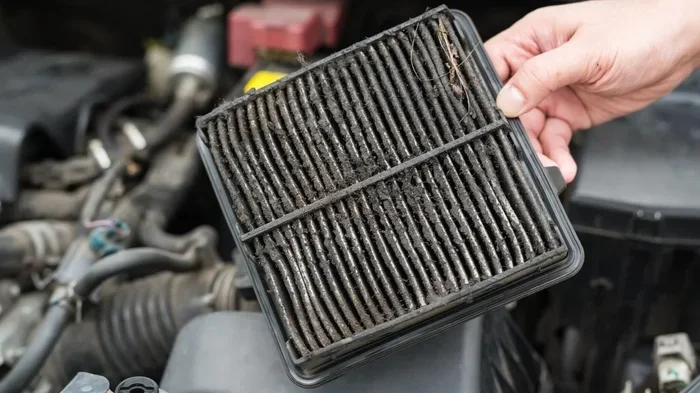
- Remove the old filter. Pull it out carefully and inspect it. Hold it up to a light source. If you cannot see light through it, it is definitely time for a replacement.
- Clean the housing. Use a dry cloth to wipe out any dust or debris from the filter box before inserting the new filter.
- Insert the new filter. Make sure it sits flat and properly seated in the housing. Pay attention to the airflow direction arrow printed on the filter.
- Secure the housing cover and replace all clips or screws. Double-check that everything is snug.
That is it. The entire process takes about 10 to 15 minutes and costs between 15 and 30 dollars for a replacement filter. It is one of the best returns on investment you will ever get from a maintenance task.
Quick Tips for Keeping Your Engine Cool
Beyond air filter replacement, here are some simple habits that help prevent overheating and keep your engine cooling system working at its best:
- Check your coolant level regularly, especially before long trips. Top it off with the correct type of coolant for your vehicle.
- Inspect hoses and belts for cracks, leaks, or wear during routine under-hood checks.
- Watch the temperature gauge while driving. Do not ignore it if it starts climbing.
- Replace coolant on schedule according to your vehicle’s maintenance plan. Old coolant loses its effectiveness over time.
- Keep the radiator and A/C condenser clean from bugs, dirt, and debris. A gentle hose rinse works well.
- Never ignore steam or unusual smells coming from the engine bay. Pull over safely and investigate immediately.
These small habits add up to big protection over the life of your vehicle. They keep your engine healthy and your engine performance at its peak.
When to See a Mechanic About Overheating Issues
While replacing an air filter is a task most car owners can handle themselves, some overheating problems require professional attention. Knowing when to call a mechanic can save you from a breakdown on the side of the road.
Red Flags That Mean Professional Help Is Needed
You should see a mechanic if you experience any of the following:
- Persistent overheating even after replacing the air filter and checking the coolant level
- Steam or coolant leaking from under the car or around the engine bay
- Unusual noises such as knocking, gurgling, or hissing coming from the engine
- The temperature gauge fluctuating rapidly between hot and normal
- White smoke from the exhaust combined with a sweet smell, which may indicate a head gasket issue
These symptoms suggest problems beyond a dirty air filter, such as a failed water pump, a blown head gasket, or a clogged cooling system. These are serious issues that need immediate professional diagnosis.
Long-Term Engine Health and Maintenance Habits
The best way to protect your engine from overheating and other problems is through consistent, preventive maintenance. A few good habits go a long way:
- Replace your air filter every 12,000 to 15,000 miles or as recommended by your vehicle manufacturer
- Follow the recommended maintenance schedule in your owner’s manual without skipping services
- Keep a maintenance log to track when you changed your filter, coolant, oil, and other fluids
- Listen to your car. Unusual sounds, smells, or performance changes are early warning signs that should never be ignored
When it comes to engine health, small investments in maintenance pay off enormously. A clean air filter is one of the simplest yet most impactful things you can do for your car.
Conclusion
So, can a dirty air filter cause your car to overheat? The answer is a clear yes. A clogged air filter restricts airflow, disrupts the fuel-air mixture, and forces your engine to work harder. That extra effort generates more heat, which can overwhelm the cooling system and push temperatures into the danger zone.
But here is the good news. This problem is entirely preventable. Regular air filter replacement is quick, affordable, and easy enough for almost anyone to do at home. By staying on top of this simple maintenance task, you protect your engine from unnecessary heat stress, improve fuel efficiency, and extend the overall life of your vehicle.
Do not wait until your temperature gauge is in the red. Check your air filter today. If it looks dirty, replace it. Your engine will thank you with smoother performance, better fuel economy, and peace of mind every time you hit the road.
Frequently Asked Questions
How often should I replace my engine air filter?
Most manufacturers recommend replacing the engine air filter every 12,000 to 15,000 miles. However, if you drive in dusty conditions, on gravel roads, or in heavy traffic, you may need to replace it more often. A quick visual inspection every few months can tell you if the filter needs changing.
Can a dirty cabin air filter cause engine overheating?
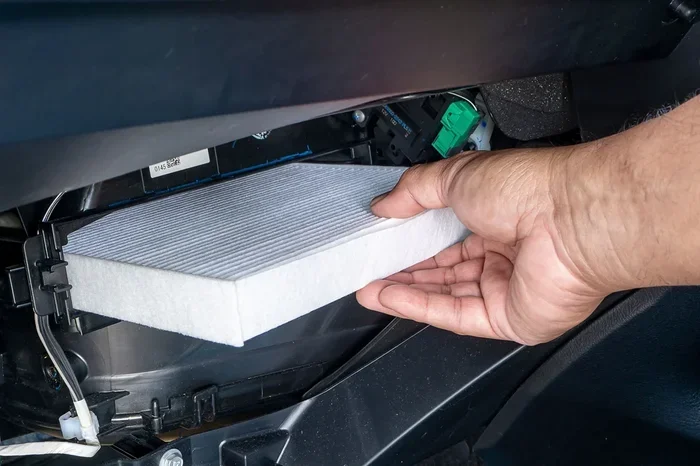
No, the cabin air filter and the engine air filter are two different components. The cabin air filter cleans the air that enters the passenger compartment. It does not affect airflow to the engine. Only a dirty engine air filter can contribute to overheating by restricting the air supply to the combustion chambers.
What happens if I keep driving with a dirty air filter?
Driving with a dirty air filter for a short time is unlikely to cause immediate damage. However, over time, it reduces engine performance, lowers fuel efficiency, increases emissions, and can contribute to overheating. Prolonged use of a clogged filter may also cause carbon buildup and premature wear on internal engine components.
Is it safe to drive an overheating car?
No, it is not safe to continue driving an overheating car. Overheating can cause warped cylinder heads, blown head gaskets, cracked engine blocks, and other severe and expensive damage. If your temperature gauge enters the red zone, pull over safely, turn off the engine, and let it cool before investigating the cause.
Can a dirty air filter cause a check engine light to come on?
Yes, in some cases. A severely restricted air filter can trigger oxygen sensors and mass airflow sensors to detect an improper air-fuel ratio. When the sensors detect this imbalance, they may illuminate the check engine light. However, the check engine light can also be triggered by many other issues, so a proper diagnostic scan is recommended.
How much does it cost to replace an engine air filter?
A replacement engine air filter typically costs between 15 and 30 dollars for the part alone. If you replace it yourself, there is no labor cost. If you have a mechanic do it, you may pay an additional 20 to 50 dollars for labor. Overall, it is one of the least expensive maintenance services available for your vehicle.