What Are Signs of a Dying Alternator You Should Never Ignore
Knowing the signs of a dying alternator can save you from unexpected breakdowns and costly repairs. Your car’s alternator keeps the battery charged and powers all electrical systems while you drive. If you notice dim headlights, a dead battery, or warning lights on your dash, these could be alternator warning signs you should never ignore.
Your car has a lot of parts working together behind the scenes. Most of us never think about the alternator until something goes wrong. The alternator is a small but mighty component. It keeps your battery charged and powers every electrical system in your vehicle. When it starts to fail, the problems can sneak up on you fast.
Understanding the signs of a dying alternator is one of the best things you can do as a car owner. Catching these symptoms early can save you from a roadside breakdown. It can also help you avoid replacing expensive parts that were never the real issue. In this guide, we will walk you through every warning sign in detail. You will learn how to spot the problem early and what to do about it.
Let us be honest. Cars do not come with a “fix me” light for every problem. But your vehicle does send signals when something is off. The key is knowing what those signals mean. Whether it is a flickering dashboard light or a strange noise under the hood, each sign tells a story. Let us decode those stories together.
Key Takeaways
- Dim or flickering lights: One of the earliest and most common signs of a dying alternator is when your headlights or dashboard lights dim.
- Dead or weak battery: A failing alternator cannot charge your battery, leading to frequent jump starts or a completely dead battery.
- Dashboard warning lights: The battery light or check engine light often appears when the charging system is not working properly.
- Unusual noises: Grinding or whining sounds from the engine bay can signal a worn alternator bearing or belt.
- Electrical accessories failing: Power windows, radio, and other electronics may malfunction when the alternator cannot supply enough power.
- Stalling engine: A severe alternator failure can cause your engine to stall or fail to start altogether.
- Burning smell: An overheating alternator or slipping serpentine belt can produce a noticeable burning odor near the engine.
📑 Table of Contents
- What Does an Alternator Do?
- Top Signs of a Dying Alternator
- How to Confirm Your Alternator Is Failing
- What Happens If You Ignore the Signs
- Alternator Replacement: What to Expect
- How to Extend Your Alternator’s Life
- Common Mistakes People Make with Alternator Problems
- Expert Insights on Alternator Health
- Frequently Asked Questions
- Conclusion
What Does an Alternator Do?
Before we dive into the warning signs, it helps to understand the basics. The alternator works hand in hand with your battery and the electrical system. When your engine runs, the alternator converts mechanical energy into electrical energy. This electricity keeps your battery charged and powers things like your lights, radio, and onboard computer.
Think of the alternator as a mini power plant inside your engine bay. It runs off the serpentine belt, which spins as the engine turns. Inside the alternator, a rotor spins within a stator. This creates an electrical current. That current then flows to the battery and all your electrical accessories.
If the alternator goes bad, the battery tries to do all the work alone. But batteries are not designed to power everything for long. They are meant to give a quick burst of energy to start the car. After that, the alternator takes over. So when the alternator fails, the battery drains fast. This creates a domino effect of electrical system failures.
Top Signs of a Dying Alternator
The alternator warning signs can show up in many ways. Some are subtle and easy to miss. Others are loud and impossible to ignore. Here are the most common symptoms you should watch for.
Dim or Flickering Headlights
This is often the first thing people notice. When you start your car, do the headlights seem dimmer than usual? Do they flicker when you turn on the radio or the air conditioning? This is a classic sign that the alternator is not delivering enough power.
Your headlights need a steady supply of electricity. When the alternator weakens, it cannot maintain a consistent voltage. The result is dimming or pulsing lights. Try this test. Turn on all your electrical accessories at once. If the lights dim noticeably, your alternator may be struggling.
Dashboard Warning Lights
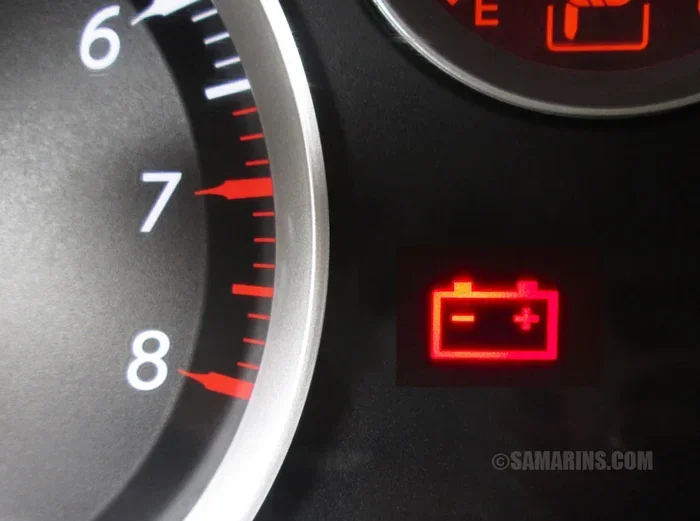
Modern cars are smart. They tell you when something is wrong. The battery light on your dashboard is one of the most telling alternator warning signs. This light usually looks like a small battery shape. It may also say “ALT” or “GEN.”
Do not ignore this light. Some people think it means the battery is bad. Often, it means the alternator is not charging the battery properly. The onboard computer monitors the charging system closely. When it detects a voltage drop, it triggers the warning. Other lights like the check engine light may also come on.
Dead or Weak Battery
A dead battery is one of the most obvious signs of a dying alternator. Here is why. The battery provides power to start the car. The alternator keeps the battery charged while you drive. If the alternator fails, the battery drains with no way to recharge.
You might find yourself needing frequent jump starts. This is a major red flag. A healthy battery should last three to five years. If your battery dies much sooner, the alternator could be to blame. Before you replace the battery, have the alternator tested first.
Unusual Noises from the Engine
Your engine makes many sounds. But some sounds are not normal. A whining or grinding noise can point to alternator trouble. These sounds often come from the bearings inside the alternator wearing out.
You might also hear a high-pitched squeal. This could mean the serpentine belt is slipping on the alternator pulley. A worn or loose belt puts extra stress on the alternator. Over time, this leads to premature failure. If you hear any new or strange sounds, get it checked soon.
Electrical Accessories Malfunctioning
Power windows, the radio, the GPS system, heated seats. All of these rely on the electrical system. When the alternator starts to die, it cannot keep up with the demand. You may notice windows rolling slower than usual.
The radio might cut out or the screen might flicker. These small glitches are easy to dismiss. But they are important alternator warning signs. Your vehicle prioritizes power to essential systems first. When power is low, non-essential accessories are the first to suffer.
Stalling Engine or Difficulty Starting
Your engine needs a spark to run. That spark comes from the ignition system, which is powered by the electrical system. When the alternator fails, the spark plugs may not fire correctly.
You might experience the engine stalling while driving. Or you may find the car cranks slowly and struggles to start. A severely weakened alternator can leave you stranded. If this happens, do not keep driving. Pull over safely and call for help.
Burning Smell Near the Engine
A burning smell is never a good sign. If you smell something like hot metal or burning rubber near the engine, pay attention. This could mean the alternator is overheating.
It could also mean the serpentine belt is slipping and creating friction. Either way, this is a serious warning sign. Continued driving with an overheating alternator can cause further damage. Stop the car safely and inspect the area if you can.
How to Confirm Your Alternator Is Failing
Noticing one or more of these signs is a good reason to dig deeper. You do not need to be a mechanic to check a few things yourself. Here are some simple steps you can take.
The Headlight Test
Start the car and turn on the headlights. Have someone rev the engine while you watch the lights. If the lights get brighter when you rev and dim when you let off, the alternator is likely not charging properly. A healthy alternator should keep the lights at a steady brightness.
Use a Multimeter
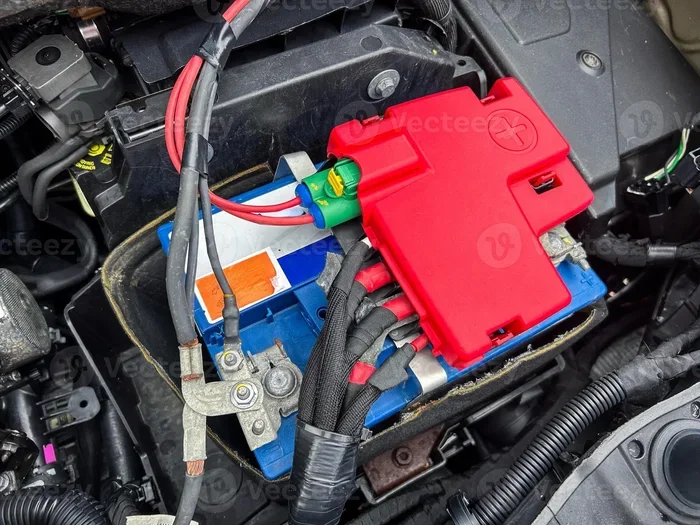
A multimeter is a handy tool for any car owner. Set it to measure DC voltage. Touch the red probe to the positive battery terminal and the black probe to the negative terminal. With the engine off, you should see about 12.6 volts.
Now start the engine. The voltage should rise to between 13.7 and 14.7 volts. If it stays below 13 volts, the alternator is not doing its job. If it goes above 15 volts, the voltage regulator may be failing. Either way, you need professional help.
Listen for the Noise
Pop the hood and listen carefully. A healthy alternator runs quietly. If you hear grinding, whining, or squealing, something is wrong. Use a long screwdriver as a stethoscope if you want. Place the handle against the alternator and put your ear near the handle. This amplifies the sound and helps you pinpoint the problem.
Get a Professional Diagnosis
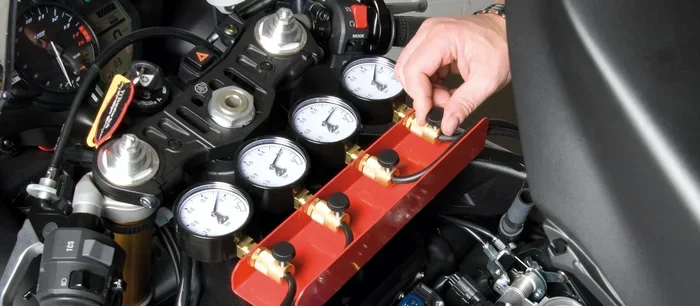
When in doubt, visit a trusted mechanic. Most auto shops will test the alternator for free. They use a professional load tester that measures output under stress. This gives you a clear picture of the alternator’s health. It is a quick and reliable way to confirm your suspicions.
What Happens If You Ignore the Signs
Ignoring the signs of a dying alternator is a risky game. Here is what can happen if you keep driving without addressing the issue.
First, your battery will die completely. Once the battery is dead, the car will not start. You will be stuck wherever you are. This can be dangerous if it happens at night or in an unsafe location.
Second, you can damage other electrical components. When the alternator fails, voltage spikes can occur. These spikes can fry sensitive electronics in your car. The onboard computer, sensors, and even the radio can suffer damage.
Third, you risk stalling in traffic. A car that stalls unexpectedly is a safety hazard. Other drivers may not see you slowing down. This can lead to accidents. The cost of an alternator repair is nothing compared to the cost of a collision.
Fourth, you may end up needing a jump start every time. This gets old fast. It wastes your time and puts strain on the battery. Eventually, the battery will fail completely too.
The bottom line is simple. If you notice any of these signs, take action quickly. A small repair now can prevent a major problem later.
Alternator Replacement: What to Expect
If your mechanic confirms the alternator is failing, you will need to replace it. Let us talk about what this involves and how much it costs.
How Much Does It Cost?
The alternator replacement cost varies depending on your vehicle. For most cars, you can expect to pay between 300 and 800 dollars. The parts usually cost between 100 and 350 dollars. Labor costs make up the rest of the bill.
Some vehicles have alternators that are easy to access. Others are tucked away in tight spaces. The harder it is to reach, the more labor time it takes. Luxury cars and trucks tend to cost more for parts and labor.
Can You Replace It Yourself?
If you have basic mechanical skills, you can replace the alternator yourself. It is a relatively straightforward job. You will need a socket set, a wrench, and a new alternator. The serpentine belt will need to be removed and reinstalled.
However, if you are not comfortable working under the hood, it is best to leave it to a professional. A botched installation can cause more problems. You do not want to damage the serpentine belt or the electrical connections.
How Long Does the Repair Take?
A professional mechanic usually takes one to two hours to replace an alternator. DIY repairs might take a bit longer if it is your first time. Make sure you have the right parts before you start. And always disconnect the battery before working on any electrical component.
How to Extend Your Alternator’s Life
Prevention is always better than repair. There are simple steps you can take to keep your alternator healthy for longer.
- Keep the battery terminals clean. Corroded battery terminals make the alternator work harder. Clean them with a wire brush and baking soda solution.
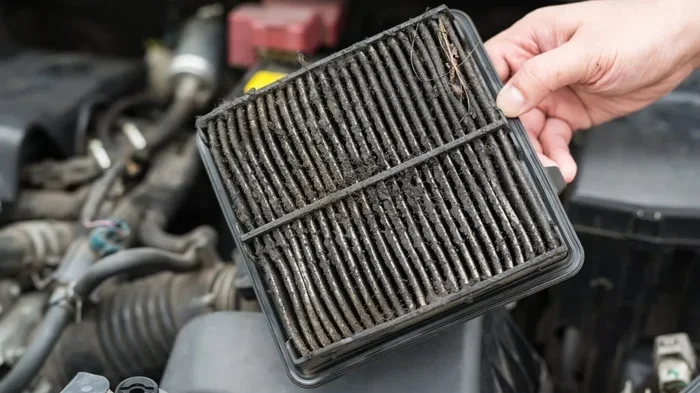
- Check the serpentine belt regularly. A cracked or loose belt puts stress on the alternator. Replace it at the recommended interval.
- Avoid overloading the electrical system. Too many aftermarket accessories can strain the alternator. Be mindful of what you add to your vehicle.
- Drive with the engine running smoothly. A rough idle can affect alternator performance. Keep up with regular engine tune-ups.
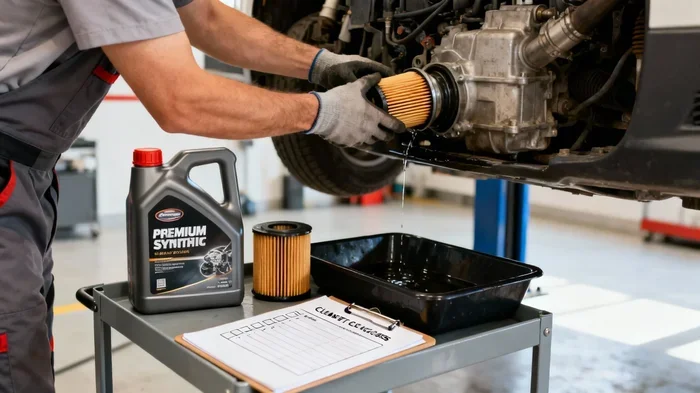
- Get regular inspections. Have your charging system checked during every oil change. A quick test can catch problems before they become serious.
These small habits add up over time. They can add years to your alternator’s lifespan. And they save you money on unexpected repairs.
Common Mistakes People Make with Alternator Problems
Many car owners make mistakes when dealing with alternator issues. Here are a few to avoid.
Mistake 1: Blaming the battery every time. A dead battery is often blamed for alternator problems. But a dead battery can also be the cause of alternator failure. When a weak battery forces the alternator to work overtime, it wears out faster. Always test both parts before replacing either one.
Mistake 2: Ignoring the warning lights. Some drivers see the battery light and just keep driving. They think the car will be fine. This is a dangerous gamble. Warning lights exist for a reason. Heed them.
Mistake 3: Waiting too long to repair. A small alternator problem can snowball into a big one. What starts as a faint whining noise can turn into a complete alternator failure. Address issues early and you will save money.
Mistake 4: Buying the cheapest alternator. Not all alternators are created equal. Cheap remanufactured units may fail within months. Invest in a quality part from a reputable brand. Your alternator works hard every time you drive. Give it the parts it deserves.
Expert Insights on Alternator Health
We spoke with several experienced auto technicians about alternator failure. Here is what they had to say.
“The most common mistake we see is people waiting too long,” says a longtime mechanic from a busy repair shop. “By the time they bring the car in, they have already damaged the battery and sometimes the voltage regulator. A simple alternator repair turns into a much bigger job.”
Another technician shared this tip. “I always tell my customers to pay attention to the little things. If the dome light is dimmer than it used to be, that is worth a second look. People ignore the small stuff until it becomes a big problem.”
Consistent advice from the experts is clear. Stay proactive. Do not wait for the car to break down completely. Regular maintenance and quick responses to warning signs go a long way.
Frequently Asked Questions
How long does an alternator usually last?
Most alternators last between 80,000 and 150,000 miles. Some can last the lifetime of the vehicle with proper care. Driving habits, weather conditions, and electrical load all affect lifespan. Regular inspections help you catch wear before it becomes a failure.
Can you drive with a bad alternator?
You can drive a short distance with a failing alternator. But the battery will drain quickly. Once the battery is dead, the car will stop running. It is not safe to drive with a bad alternator, especially on highways or in bad weather.
What causes an alternator to fail?
Common causes include worn bearings, a faulty voltage regulator, and a damaged serpentine belt. Overloading the electrical system with aftermarket accessories also leads to premature failure. Heat and moisture inside the engine bay can corrode internal components over time.
Is it a dead battery or a bad alternator?
A dead battery often shows signs like slow cranking when you turn the key. A bad alternator usually shows electrical problems while driving. Dim lights, flickering gauges, and warning lights point to the alternator. A multimeter test can confirm which part is at fault. Have both tested to be sure.
How much does it cost to replace an alternator?
The total cost typically ranges from 300 to 800 dollars. Parts make up about one-third of the cost. Labor makes up the rest. Luxury vehicles and trucks may cost more. Getting multiple quotes from trusted shops helps you find a fair price.
Can a bad alternator damage the battery?
Yes, absolutely. A failing alternator forces the battery to work harder than it should. This drains the battery faster and shortens its life. In many cases, replacing the alternator alone is not enough. The battery may also need to be replaced if it has been deeply discharged.
Conclusion
Your alternator works hard every time you start the engine. It keeps your electrical system running and your battery charged. The signs of a dying alternator are there for a reason. They are your car’s way of telling you something needs attention.
From dim headlights to dashboard warning lights, each symptom gives you a chance to act. Do not wait until your car stalls on the highway. Pay attention to the small changes in how your vehicle behaves. A quick check now can save you from a major breakdown later.
Keep up with regular maintenance. Test your charging system often. And when in doubt, visit a trusted mechanic. Your alternator is not expensive to replace when you catch the problem early. But ignoring it can lead to a chain of costly repairs.
Stay alert. Stay informed. And never ignore the warning signs of a dying alternator. Your wallet and your safety will thank you.