Why Wont My Car Start When I Turn the Key in the Ignition
When your car won’t start and you turn the key, the most common causes are a dead battery, a faulty starter motor, or a bad ignition switch. You might hear a clicking sound, nothing at all, or the engine may crank slowly but never fire up. This guide walks you through every possible reason and gives you practical steps to diagnose and fix the problem yourself or know when to call for help.
There’s nothing more frustrating than turning the key in your ignition and hearing nothing. Or maybe you hear a clicking sound, but the engine just won’t turn over. You’re standing in your driveway, late for work, wondering what went wrong. Why won’t my car start when I turn the key in the ignition? That’s the question every driver has asked at least once.
The good news is that most starting problems have simple, fixable causes. You don’t need to be a mechanic to understand what’s going on. In this article, we’ll walk you through every reason your car might refuse to start, how to diagnose the issue, and what you can do about it. Whether it’s a dead battery, a bad starter, or something else entirely, we’ve got you covered.
We’ll break things down in plain language with clear steps you can follow right now. No jargon, no confusion, just straightforward advice that actually works. Let’s get you back on the road.
Key Takeaways
- Dead Battery Is the #1 Culprit: A weak or dead battery causes most no-start situations, especially in cold weather or after the lights have been left on.
- Listen to Your Car: The sound your car makes when you turn the key tells you a lot about what’s wrong, whether it’s a clicking noise, silence, or slow cranking.
- Simple Fixes Work Often: Jump-starting, cleaning terminals, or replacing a key fob battery can solve the problem in minutes without a mechanic.
- Ignition Switch and Starter Motor Matter: These components wear out over time and are common reasons your engine won’t turn over.
- Know When to Call a Pro: Fuel pump failure, immobilizer issues, or internal engine damage need professional diagnosis and repair.
- Prevention Saves Money: Regular maintenance of your battery, alternator, and electrical system keeps starting problems away.
📑 Table of Contents
What Happens When Your Car Won’t Start
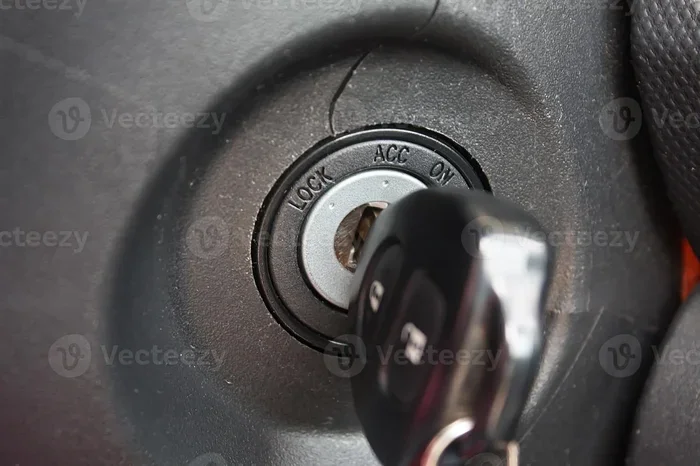
Before we dive into the reasons, let’s understand what should happen when you turn the key. When you insert your key and turn it to the “on” position, electricity flows from the battery to the starter motor. The starter motor spins the engine. The engine then draws in air and fuel, the spark plugs fire, and the engine starts running.
When something goes wrong in this chain, your car won’t start. The problem could be at any point in this process. That’s why diagnosing a no-start condition starts with listening carefully to what your car tells you.
No Sound at All
If you turn the key and hear absolutely nothing, the issue is likely electrical. Your battery might be completely dead, the ignition switch could be faulty, or there’s a broken connection somewhere in the circuit. This is the most common type of no-start problem, and it’s usually the easiest to fix.
Rapid Clicking Sound
A fast clicking noise means the starter motor is trying to engage but doesn’t have enough power. This almost always points to a low battery. The starter solenoid is trying to engage the starter gear but the battery can’t deliver enough current to turn the engine over.
Single Click or No Crank
A single click when you turn the key often means the starter motor itself is failing. The solenoid engages but the motor doesn’t spin. This could also indicate a bad neutral safety switch or a seized engine. These issues need more attention but are still very fixable.
Engine Cranks but Won’t Fire
If the engine turns over normally but doesn’t start, the problem is different. It’s not an electrical starting issue. Instead, your car might have a fuel delivery problem, a spark issue, or a sensor failure. We’ll cover these in detail later in the article.
Common Reasons Your Car Won’t Turn Over
Now let’s get into the actual reasons your car won’t start. These are the most common culprits that mechanics see every single day. Understanding what causes a no-start condition helps you figure out the right solution faster.
Dead or Weak Battery
A dead battery is the number one reason cars won’t start. Your battery provides the electrical power needed to turn the starter motor and run the car’s computer systems. Over time, batteries lose their charge capacity, especially in cold weather. Leaving your lights on or using electronics with the engine off can drain the battery completely.
Most car batteries last three to five years. If yours is older, it might simply be time for a replacement. You can test your battery with a multimeter. A healthy battery should read 12.6 volts or higher when the engine is off. Anything below 12.0 volts means the battery is weak and needs charging or replacement.
Quick tip: If you have jumper cables or a portable jump starter in your trunk, you can try a jump start right away. Connect the red cable to the positive terminal, black to negative, and let the good battery charge your dead one for a few minutes before trying to start.
Corroded or Loose Battery Terminals
Even if your battery is fine, corroded or loose terminals can prevent electricity from flowing properly. You’ll often see a white or bluish powdery substance on the battery posts. This corrosion creates resistance and blocks the electrical connection.
Cleaning your battery terminals is easy and free. Use a wire brush or an old toothbrush with a baking soda and water paste. Scrub the terminals and posts until they shine. Then tighten the cable clamps securely. This simple fix solves a surprising number of starting problems.
Faulty Starter Motor
The starter motor is the electric motor that cranks your engine when you turn the key. When the starter goes bad, you’ll usually hear a single click or a grinding noise. The motor might engage intermittently or not at all.
Starter motors wear out over time, especially if you have a habit of holding the key in the “start” position too long. This overheats the starter and shortens its life. Replacing a starter motor is a job a mechanic can do in a few hours, and the cost is usually between $200 and $400 for parts and labor.
Bad Ignition Switch
The ignition switch is the mechanism that sends power from the battery to the starter and ignition system when you turn the key. Over years of use, the internal contacts wear out and fail to make proper connection.
Signs of a failing ignition switch include the dashboard lights flickering, the key feeling stiff or stuck, or the engine stalling while driving. If you turn the key and the dashboard doesn’t light up at all, the ignition switch could be the problem. This is a relatively inexpensive repair but requires some technical skill to replace.
Fuel Pump Failure
Your fuel pump pushes gasoline from the tank to the engine. When the fuel pump fails, the engine cranks but won’t start because it’s not getting fuel. Fuel pumps can fail due to age, a clogged fuel filter, or contaminated fuel.
A telltale sign of a bad fuel pump is a humming sound from the back of the car when you turn the key to the “on” position. If you don’t hear that hum, the pump might not be working. Fuel pump replacement costs between $400 and $800 depending on your vehicle model.
Spark Plug Problems
Spark plugs create the electrical spark that ignites the fuel-air mixture in your engine’s cylinders. Worn-out or fouled spark plugs can prevent your engine from starting or cause rough running. Most spark plugs need replacement every 30,000 to 100,000 miles depending on the type.
If your car has been hard to start lately or you’ve noticed reduced fuel economy, your spark plugs might be due for replacement. Checking and changing spark plugs is one of the easiest maintenance tasks you can do yourself with a basic socket set.
Immobilizer or Security System Issue
Modern cars have an immobilizer system that prevents the engine from starting unless the correct key or key fob is detected. If the system doesn’t recognize your key, the car simply won’t start even though everything else works fine.
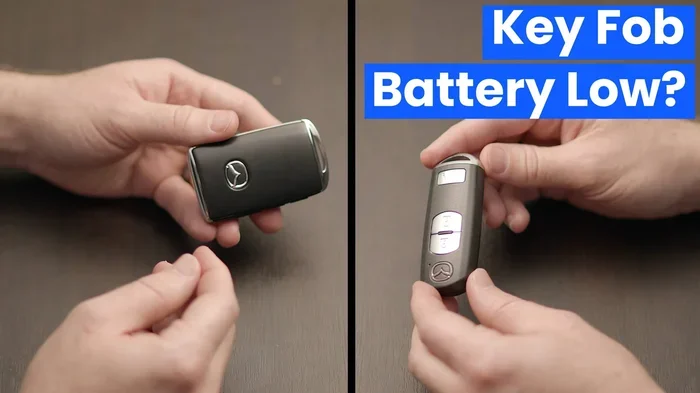
This problem often happens when the key fob battery dies. Replacing the small coin battery inside your key fob usually fixes this immediately. Some cars also have a security light on the dashboard that flashes when the immobilizer is active. If you see this light and the car won’t start, try using a spare key or replacing the fob battery first.
Alternator Problems
The alternator charges your battery while the engine runs. When the alternator fails, the battery drains quickly and eventually won’t have enough power to start the car. A failing alternator often shows warning signs first, like dim headlights or a battery warning light on the dashboard.
If you jump-start your car and it dies again within minutes, the alternator is likely the problem. You’ll need to replace it before the car will start reliably again. Alternator replacement typically costs between $300 and $600.
Ignition Lock Cylinder
The ignition lock cylinder is the actual slot where you insert your key. Over time, the cylinder can wear out or get jammed, especially if you always carry heavy keychains. A worn ignition lock cylinder makes it hard or impossible to turn the key to the “start” position.
If you feel the key is stuck or requires a lot of force to turn, don’t force it. You could break the key inside the cylinder, which makes the problem much worse. A locksmith or mechanic can replace the ignition lock cylinder quickly and affordably.
Neutral Safety Switch Failure
The neutral safety switch prevents the car from starting when it’s in gear. If this switch fails, your car won’t start even when the key turns and the battery is good. This is a safety feature designed to prevent accidental movement.
Try shifting your gear selector to neutral and then attempt to start the car. If it starts in neutral but not in park, the neutral safety switch needs adjustment or replacement. This is a simple and inexpensive fix that a mechanic can handle in under an hour.
How to Diagnose the Problem Yourself
You don’t need to be a mechanic to figure out why your car won’t start. A little detective work can save you time and money. Here’s a step-by-step approach to diagnosing the problem.
Step 1: Check the Dashboard Lights
Turn the key to the “on” position without starting the engine. Do the dashboard lights come on? If they’re dim or don’t come on at all, you likely have a battery problem. If the lights are bright and normal, the battery might be okay and the issue could be elsewhere.
Step 2: Listen Carefully
Have a friend or family member turn the key while you listen from outside the car. Do you hear a single click? Rapid clicking? A grinding noise? Or complete silence? Each sound points to a different problem. Rapid clicking means low battery. A single click often means a bad starter. Silence points to an electrical issue or ignition switch.
Step 3: Check the Battery Voltage
If you have a multimeter, test the battery voltage. Set it to DC voltage and touch the probes to the battery terminals. A reading of 12.6 volts or higher is good. Anything below 12.0 volts means the battery needs charging or replacement. Below 11.5 volts and the battery is probably too weak to start the car.
Step 4: Try the Spare Key
If your key fob battery died, the immobilizer might not recognize your key. Try using a spare key if you have one. You can also try holding the key fob directly against the start button on some push-button start vehicles. This can bypass the weak fob battery temporarily.
Step 5: Check for Fuel
It sounds silly, but running out of fuel happens to everyone eventually. Check your fuel gauge and don’t rely solely on the dashboard display. Sometimes the gauge is inaccurate. If you’re on empty, add some fuel and try again.
Step-by-Step Fixes for Common Starting Problems
Now that you know what might be wrong, let’s look at the fixes. These are practical steps you can take right now to get your car running again.
Fix 1: Jump-Start Your Car
A jump start is the fastest way to get a dead battery going again. You’ll need jumper cables and another vehicle with a working battery, or a portable jump starter pack. Here’s how to do it safely:
- Park both vehicles close together but don’t let them touch.
- Turn off both engines and all electronics.
- Connect the red clamp to your dead battery’s positive terminal.
- Connect the other red clamp to the good battery’s positive terminal.
- Connect the black clamp to the good battery’s negative terminal.
- Connect the last black clamp to an unpainted metal surface on your car’s engine block.
- Start the working car and let it run for a few minutes.
- Try starting your car. If it starts, let it run for at least 15 minutes to recharge the battery.
Always remove the cables in the reverse order. Never let the clamp ends touch each other while connected to a battery.
Fix 2: Clean Battery Terminals
If you see corrosion on your battery terminals, cleaning them can restore the electrical connection. Use a wire brush and a paste of baking soda and water. Scrub gently until the terminals are shiny and clean. Rinse with a little water and dry thoroughly. Then reconnect the cables tightly.
This is a great preventive maintenance task. Cleaning your terminals every six months can prevent many starting problems before they happen.
Fix 3: Replace the Key Fob Battery
If you have a push-button start car, a dead key fob battery can prevent the car from recognizing the key. Opening the fob and replacing the CR2032 coin battery takes about 30 seconds. You can find these batteries at any grocery store or pharmacy for under a dollar.
Most key fobs have a small tab or screw that lets you open them. Check your owner’s manual for specific instructions for your vehicle model.
Fix 4: Tap the Starter Motor
If your starter motor is stuck, a light tap with a hammer or wrench handle can sometimes free it up. Have someone turn the key while you gently tap the starter motor. This works because the tap can dislodge a stuck component inside the starter.
This is a temporary fix, not a permanent one. If your starter motor is failing, have it replaced soon to avoid being stranded again.
Fix 5: Shift the Gear Selector
Try shifting your car into neutral and then attempt to start. If it starts in neutral but not in park, the neutral safety switch needs adjustment. This is a simple fix that involves adjusting the switch under the steering column or near the transmission.
When to Call a Professional Mechanic
While many starting problems can be fixed at home, some issues need professional attention. Knowing when to call a mechanic saves you time and prevents costly mistakes.
Call a professional if you’ve tried jump-starting and the car still won’t start after 15 minutes. If the battery is new and fully charged but the car still won’t turn over, the problem is likely the starter motor, ignition switch, or fuel system. These require specialized tools and knowledge to diagnose properly.
Also call a mechanic if you smell gas when you try to start the car. A fuel leak is dangerous and needs immediate attention. Similarly, if you hear a grinding or metal-on-metal noise when you turn the key, stop trying to start the car and get it towed to a shop. Continuing to try can damage the engine further.
Professional diagnostics typically cost between $75 and $150, which is a small price compared to the cost of replacing parts incorrectly. A good mechanic can pinpoint the exact problem quickly and get you back on the road.
How to Prevent Car Starting Problems
The best way to deal with a car that won’t start is to prevent the problem from happening in the first place. Regular maintenance keeps your starting system healthy and reliable.
- Replace your battery every 3 to 5 years. Don’t wait for it to die completely. Proactive replacement prevents unexpected no-start situations.
- Clean battery terminals twice a year. This keeps the electrical connection strong and prevents corrosion buildup.
- Turn off all electronics when the engine is off. Lights, radio, phone chargers, and other devices drain the battery quickly.
- Keep your fuel tank at least a quarter full. This prevents the fuel pump from overheating and extends its life significantly.
- Replace spark plugs on schedule. Follow your manufacturer’s recommendations for spark plug replacement intervals.
- Listen for warning signs. A slow crank, dimming lights, or unusual sounds are early indicators of problems. Address them before they leave you stranded.
- Keep a jump starter pack in your trunk. A portable jump starter is inexpensive insurance against being stranded with a dead battery.
Taking these simple precautions means you’ll rarely have to deal with a car that won’t start. Prevention is always cheaper and easier than repair.
Key Takeaways
- Dead Battery Is the #1 Cause: Most no-start problems come from a weak or dead battery, especially in cold weather or after leaving electronics on.
- Listen to the Sounds: The noise your car makes when you turn the key tells you where the problem is, whether it’s a click, a grind, or silence.
- Simple Fixes Work Often: Jump-starting, cleaning terminals, or replacing a key fob battery can solve the problem in minutes without professional help.
- Starter Motor and Ignition Switch Wear Out: These components have a limited lifespan and are common reasons your engine won’t turn over.
- Fuel and Spark Are Essential: If the engine cranks but won’t fire, check the fuel pump, spark plugs, and sensors before assuming it’s electrical.
- Know When to Call a Pro: Fuel system issues, internal engine damage, or complex electrical problems need professional diagnosis and repair.
- Prevention Beats Repair: Regular battery maintenance, timely spark plug replacement, and keeping your fuel tank topped off prevent most starting problems.
Conclusion
Dealing with a car that won’t start is stressful, but it doesn’t have to be scary. Most of the time, the problem is simple and fixable. A dead battery, corroded terminals, or a weak key fob battery account for the vast majority of no-start conditions. With a jump starter, a multimeter, and a little patience, you can often solve the problem yourself.
When the issue is more serious, like a bad starter motor, fuel pump failure, or ignition switch problems, don’t hesitate to call a professional mechanic. These repairs are routine for experienced technicians and won’t break the bank. The key is not to ignore the problem or keep trying to start the car when something feels wrong.
Remember that preventive maintenance is your best friend. Regular battery checks, spark plug replacements, and keeping your electrical system in good shape means fewer surprises. Your car is a big investment, and taking care of the small things keeps it running reliably for years to come.
Next time you turn the key and hear nothing, don’t panic. Use what you’ve learned here to diagnose the problem step by step. You’ll be surprised how often the fix is simpler than you think. Stay calm, follow the steps, and you’ll be back on the road in no time.
Frequently Asked Questions
What should I do if my car clicks but won’t start?
A rapid clicking sound usually means your battery is low or dead. The starter motor is trying to engage but doesn’t have enough power. Try jump-starting the car first. If it still won’t start after a jump, the battery may need replacement or the starter motor could be faulty.
How long does a car battery typically last?
Most car batteries last between three and five years. Cold weather, short trips, and leaving electronics on can shorten battery life significantly. Have your battery tested annually after the three-year mark to catch weak batteries before they leave you stranded.
Can a bad key fob battery prevent my car from starting?
Yes, absolutely. Modern cars with push-button start rely on the key fob to communicate with the car’s immobilizer system. When the fob battery dies, the car can’t recognize the key and won’t start. Replacing the small coin battery inside the fob usually fixes this immediately.
Is it safe to drive with a failing alternator?
No, it’s not safe. A failing alternator means your battery isn’t being recharged while you drive. Eventually, the battery will drain completely and the car will stall. If your battery warning light is on or your headlights are dimming, get the alternator checked and replaced as soon as possible.
Why does my car start fine in the morning but won’t start later?
This pattern often points to a failing battery or alternator. The battery has enough charge after sitting overnight, but once the alternator can’t keep up during driving, the battery drains and won’t restart. Have both the battery and alternator tested to find the root cause.
How much does it cost to replace a starter motor?
Starter motor replacement typically costs between $200 and $400 for parts and labor combined. The exact price depends on your vehicle model and the mechanic’s labor rates. Some vehicles have starters that are harder to access, which can increase the cost slightly.